Recipe
Servings
Servings 1×
Ingredients
- Tofu
- Chickpeas
- Quinoa
- Pasta
- Rice
- Potatoes
- Sweet potatoes
- Carrots
- Avocado
- Onion
- Lemon
- Balsamic vinegar
- Mustard
- Tahini
- Feta
- Cooking oil
- Black pepper
Method
- Let’s be honest: the "grain bowl" has become the unofficial uniform of the modern home cook.
- Pat your vegetables dry before they even touch the oil.
- Use a high-smoke-point oil like avocado or grapeseed oil to ensure you can crank the heat without filling your kitchen with acrid smoke.
- Give each vegetable its personal space.
- Use two pans if you have to.
- Use an emulsifier like Dijon mustard or tahini to bind the oil and vinegar together.
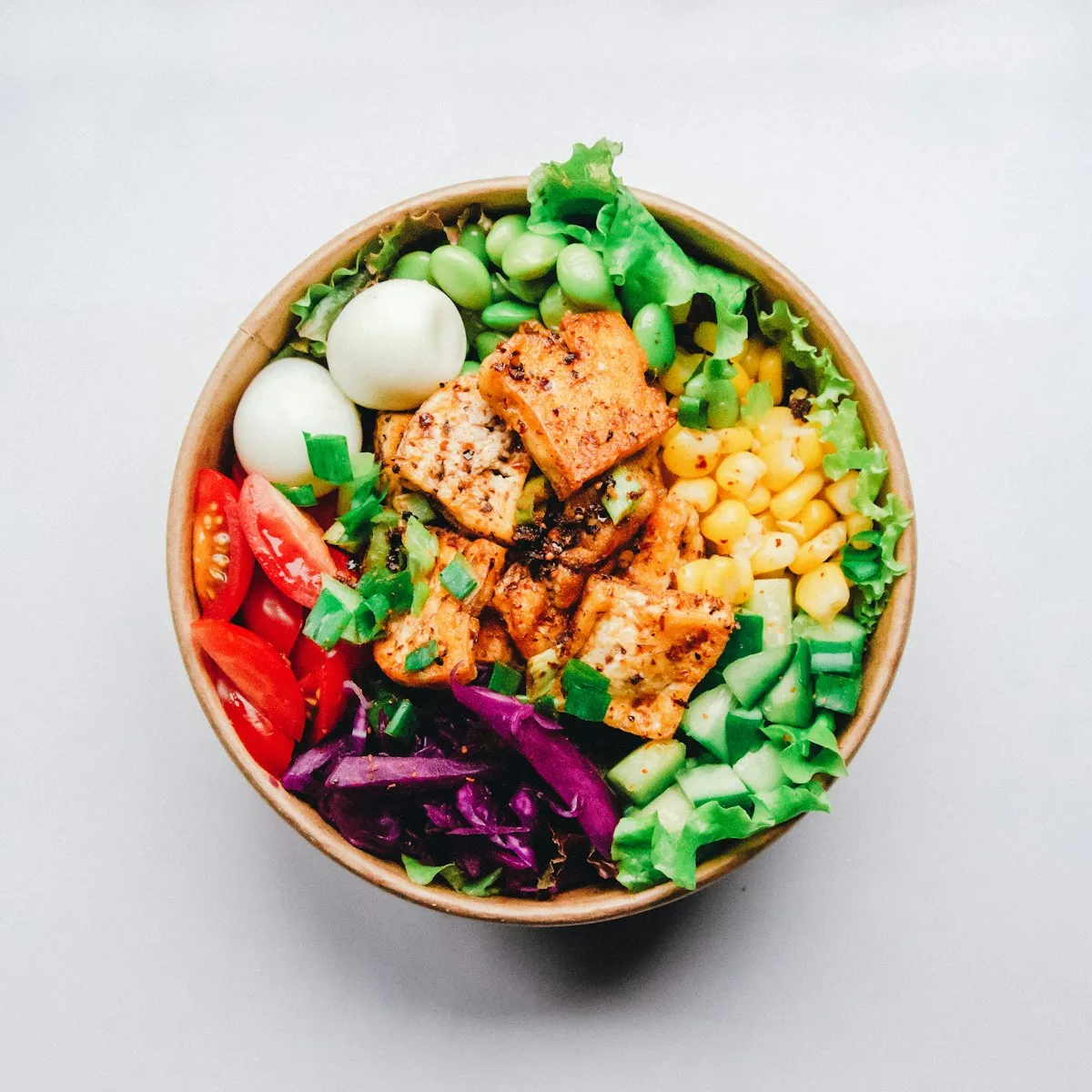
Let’s be honest: the "grain bowl" has become the unofficial uniform of the modern home cook. It’s the culinary equivalent of high-waisted jeans, functional, dependable, and surprisingly stylish if you get the proportions right. But a truly great bowl isn't just a pile of leftovers; it’s a calculated balance of textures, temperatures, and chemical reactions. If you're tired of limp carrots and sad, mushy grains, you’re in the right place. We’re going to build a bowl that actually satisfies your cravings for something substantial.
The Chemistry of the Crunch: Mastering the Roast
The heart of this bowl lies in the transformation of humble root vegetables from dense, starchy clubs into caramelized nuggets of joy. This isn't magic; it’s the Maillard reaction. This chemical dance between amino acids and reducing sugars only happens when you hit the right thermal threshold, specifically between 280°F and 330°F. If your oven is too low, your vegetables will simply steam in their own moisture, leaving you with a texture reminiscent of baby food.
To achieve that deep, nutty flavor, you must control moisture. Pat your vegetables dry before they even touch the oil. Water is the enemy of browning because it consumes energy to evaporate before the browning can begin. Use a high-smoke-point oil like avocado or grapeseed oil to ensure you can crank the heat without filling your kitchen with acrid smoke.
If you’re looking for quick family meals that don't require preheating a massive oven, consider your air fryer. It’s essentially a high-powered convection machine that excels at removing surface moisture quickly. Using it for your root veg can cut your roasting time in half while delivering superior crispness. For more inspiration on high-heat efficiency, check out our guide on air fryer sausage and pepper medleys.
Crowding the pan is a non-negotiable sin. Give each vegetable its personal space. When you pile them up, the steam released from one vegetable gets trapped by its neighbor, effectively boiling the surface instead of roasting it. Use two pans if you have to. Remember, a crowded pan is a soggy pan. Aim for a dark, golden-brown exterior. That color represents the creation of hundreds of new flavor compounds that didn't exist when the vegetable was raw.
The Architecture of the Grain: Texture Over Everything
Grains are the foundation of your bowl, and their job is to provide structural integrity and a "pop" of texture. Whether you choose farro, quinoa, or brown rice, the goal is distinct, separate grains, not a unified mass of starch. This comes down to the ratio of water and the method of cooking.
Treat your grains like pasta for the best results. Boil them in a large pot of salted water until tender, then drain them. This prevents the grains from sitting in a sludge of excess starch that often occurs with the absorption method. Once drained, let them sit for five minutes with a clean kitchen towel draped over the pot. The towel absorbs excess steam, ensuring your healthy dinner ideas actually feel light and fluffy rather than heavy and waterlogged.
Salting the water is mandatory. Grains are incredibly dense, and if you don't season them during the hydration process, they will taste bland no matter how much dressing you pour over the top later. Think of the grain as a tiny sponge; once it’s full of plain water, it won't take on any more flavor.
Emulsion Science: The Dressing Bridge
The dressing isn't just "sauce"; it's the emulsified bridge that connects the warm, earthy vegetables to the neutral grains. A perfect vinaigrette or tahini dressing relies on the suspension of fat in acid. If your dressing separates, you lose that creamy mouthfeel that makes a bowl feel cohesive.
Use an emulsifier like Dijon mustard or tahini to bind the oil and vinegar together. These ingredients contain molecules that are "amphiphilic," meaning one end loves water and the other loves fat. They act as the glue. Whisk vigorously or shake the life out of a mason jar until the mixture is opaque and thick. This ensures every bite of your bowl has a consistent flavor profile rather than random hits of straight acid or oil.
Flavor Profiles and Variations
Once you’ve mastered the base technique, you can pivot the flavor profile to keep things interesting. If you want a Mediterranean vibe, lean into parsnips and carrots roasted with oregano, topped with a lemon-tahini dressing and a handful of feta. The acidity of the lemon cuts right through the starchiness of the roots.
For a more autumnal, savory direction, use sweet potatoes and red onions. Roast them with a touch of smoked paprika to lean into that "charred" flavor profile. Pair this with farro and a maple-balsamic dressing. The sweetness of the maple mimics the natural sugars brought out during the roasting process, creating a resonant flavor loop.
If you’re following a plant-based path, adding a plant-based protein is essential for satiety. Roasted chickpeas or crispy tofu work wonders here. You can even adapt your favorite air fryer recipes dinner style by tossing chickpeas in the basket for the last 10 minutes of your vegetable roast. They’ll come out incredibly crunchy, providing a necessary contrast to the softer roasted vegetables.
Side Dish Pairings: Balancing the Bowl
While a grain bowl is technically a one-dish meal, the right side can elevate it from "Tuesday night fuel" to a balanced feast. Focus on items that provide high acidity or fresh crunch to contrast the warm, roasted elements.
- Quick Pickled Onions: The sharp acetic acid in pickling liquid cuts through the richness of roasted sweet potatoes and oily dressings.
- Massaged Kale: If you’re putting greens in the bowl, massage them with a bit of lemon and salt first. This breaks down the tough cellulose fibers, making them easier to digest and far more pleasant to chew.
- Simple Herb Salad: A pile of fresh parsley, cilantro, and mint tossed in lime juice provides a "top note" of freshness that brightens the deep, caramelized flavors of the roots.
- Garlic Butter Ramen (Side Version): If you're feeling particularly hungry, a small portion of savory noodles can complement the grain base. See our garlic butter ramen hack for a quick flavor boost.
FAQ: Troubleshooting Your Bowl
Why are my roasted vegetables bitter?
Bitterness usually comes from two places: burning or too much peel. While the Maillard reaction is good, pyrolysis (burning) is not. If your oven has hot spots, rotate your pans halfway through. Also, if you’re using parsnips, remove the woody core if they are particularly large, as that’s where the bitter compounds live.
Can I make this as part of my meal prep for the week?
Yes, but store the components separately. Keep your roasted vegetables in one container, grains in another, and dressing in a third. Reheating the vegetables in an air fryer for 3–4 minutes will revive that "just roasted" texture that a microwave would otherwise kill. If you're looking for more healthy dinner ideas that store well, this grain bowl is a gold medalist.
What if my grains are still crunchy after the recommended time?
Altitude and the age of the grain play huge roles in hydration. If your farro is still tough, add more water and keep simmering. Never settle for "al dente" grains that feel like gravel. They should be tender with just a slight resistance.
Is it okay to use frozen root vegetables?
You can, but the texture will never reach the heights of fresh. Frozen vegetables have had their cell walls damaged by ice crystals, meaning they release water much faster when heated. If you must use frozen, roast them straight from the freezer at a very high temp (425°F+) to evaporate that moisture as fast as possible.
How do I prevent my tahini dressing from "seizing"?
When you add lemon juice to tahini, it often turns into a thick, dry paste. This is normal! Don't panic. Keep whisking and slowly add a tablespoon of cold water at a time. Eventually, it will break and turn into a smooth, creamy sauce. It’s a matter of physics and patience.
Can I do this all in one pan?
If you use a large enough sheet pan and time your additions correctly (dense beets first, quicker carrots later), yes. This makes for excellent quick family meals with minimal cleanup. Just remember the rule about crowding: if the pan looks full, use a second one. Your taste buds will thank you for the extra dishes later. For a different "one-basket" approach, check out our air fryer pierogi roast.