Recipe
Servings
Servings 1×
Ingredients
- Salmon
- Cod
- Quinoa
- Rice
- Asparagus
- Zucchini
- Tomatoes
- Onion
- Garlic
- Lemon
- Balsamic vinegar
- Mustard
- Butter
- Cooking oil
- Black pepper
Method
- Prepare the ingredients described in the article and heat the cooking surface or oven as directed.
- Cook the main ingredients using the heat and timing guidance in the article.
- Finish with the seasonings and garnishes named in the article, then serve.
You know those nights when the thought of washing three different pots makes you want to order takeout? I’ve been there more times than I care to admit. But here’s the thing: you can have a restaurant-quality meal on the table in under twenty minutes without a mountain of dishes. This sheet pan lemon herb salmon and asparagus is my go-to for those exact moments. It’s fresh, it’s vibrant, and it perfectly fits into your rotation of healthy dinner ideas without feeling like a chore.
The Science of the Perfect Roast
Getting salmon right isn't just about luck; it's about understanding how heat interacts with protein and fat. When you roast salmon at a high temperature, you’re looking for the Maillard reaction. This is the chemical reaction between amino acids and reducing sugars that gives browned food its distinctive flavor. Because salmon is a fatty fish, it can handle the intense heat of a 400°F oven much better than leaner fish like cod. The fat acts as an insulator, keeping the interior moist while the exterior develops a slight, savory crust.
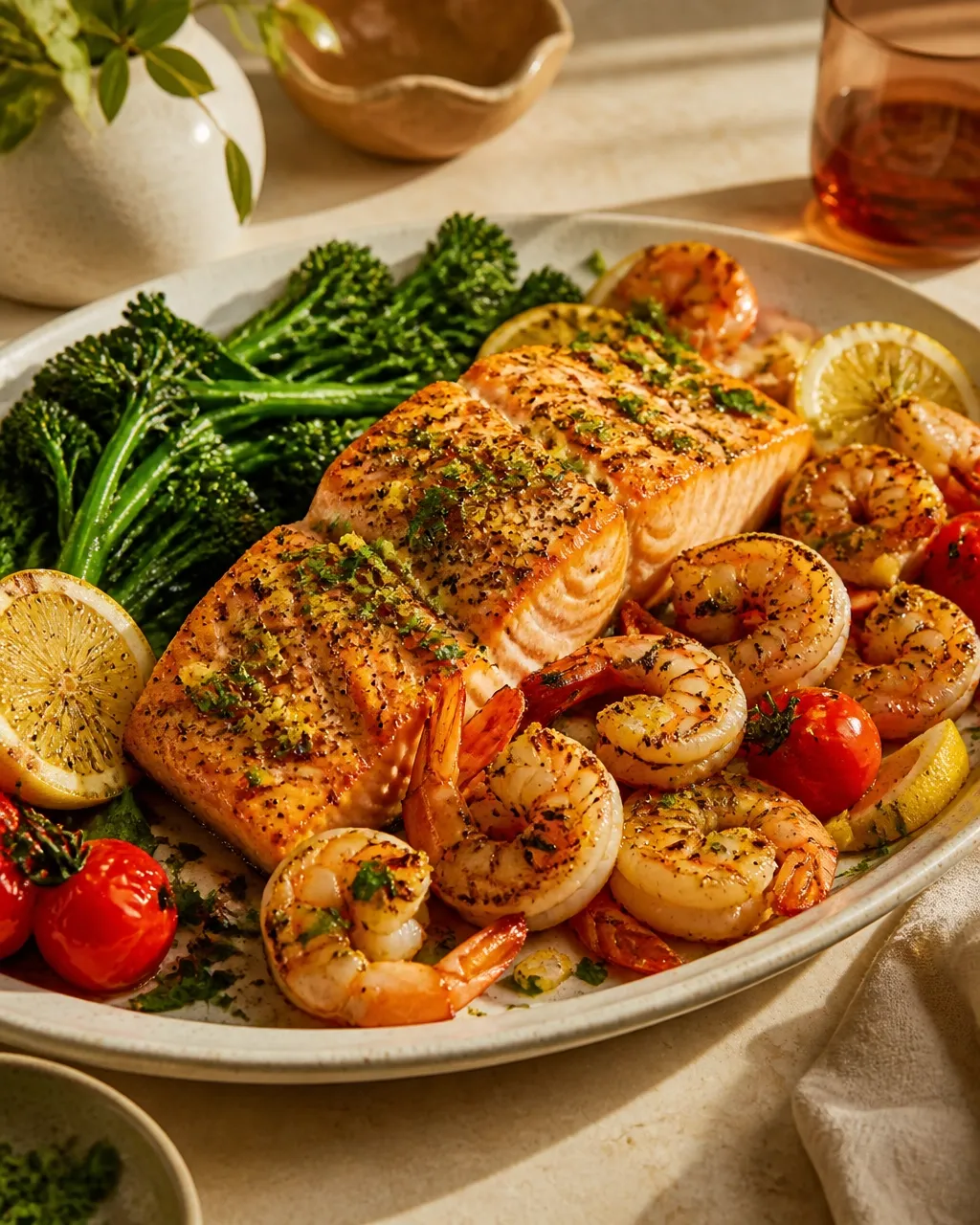
Use a heavy-duty rimmed baking sheet for this. Why? Thermal mass. A thin, flimsy pan will warp in the heat and won't distribute energy evenly. A heavy pan acts as a heat reservoir, ensuring that the bottom of your asparagus gets that lovely char while the salmon cooks through. Always pat your fish completely dry with a paper towel before it touches the pan. Moisture is the enemy of browning. If there’s water on the surface, the oven’s energy goes into evaporating that water (steaming) rather than browning the protein.
Watch for the "white stuff", that’s albumin. It’s a protein that’s pushed out of the muscle fibers as they contract during cooking. While it's perfectly safe to eat, seeing a lot of it usually means you’ve cooked the fish too fast or too long. Aim for a medium-rare to medium finish. Pull the pan out when the thickest part of the fillet feels slightly firm but still has some give. Remember, carryover cooking is real; the fish will continue to cook for a few minutes once it’s out of the oven.
As for the asparagus, size matters. If you have pencil-thin stalks, they’ll cook in a flash. Thick, woody stalks need a bit more time. To ensure they finish at the exact same time as your salmon, give the thick stalks a head start in the oven for about five minutes, or simply peel the bottom inch of the stems with a vegetable peeler. This removes the tough, fibrous outer layer, allowing the heat to penetrate the tender core more efficiently.
Mastering the Flavor Profile
Flavor balance is all about acidity, fat, and aromatics. Salmon is naturally rich, so you need a sharp hit of acid to cut through that oiliness. Lemon is the classic choice for a reason. The citric acid brightens the entire dish and helps "reset" your palate between bites. Don't just use the juice; use the zest too. The zest contains essential oils that provide a much deeper, more floral citrus aroma without the watery volume of the juice.
When it comes to herbs, think about what complements the buttery nature of the fish. Dill is the traditional partner, offering a grassy, slightly anise-like sweetness. Parsley adds a clean, peppery finish, while chives provide a subtle onion bite without being overwhelming. If you’re looking for more quick family meals that everyone can agree on, keeping a variety of fresh herbs in your fridge is the easiest way to level up your cooking without adding extra time.
Avoid over-crowding the pan. If the salmon and asparagus are packed too tightly, they’ll release steam and end up soggy rather than roasted. Leave a little "breathing room" between each component. This allows the hot air to circulate freely, which is the same principle that makes air fryer recipes dinner so successful. You want that convection effect to crisp up the edges of the asparagus tips.
Creative Variations for Every Palate
While the lemon-herb combo is a masterpiece of simplicity, you don't have to stop there. Understanding how to swap ingredients based on their function is the mark of a great home cook. If you want something punchier, swap the lemon for a splash of balsamic vinegar or a spoonful of capers. The brine from the capers adds a salty, fermented depth that pairs beautifully with roasted fish.
For a Mediterranean twist, toss some halved cherry tomatoes and pitted kalamata olives onto the sheet pan with the asparagus. As the tomatoes roast, they’ll burst and create a natural "sauce" that coats everything. If you’re craving something with a bit of heat, whisk a teaspoon of red pepper flakes or a dollop of Dijon mustard into your oil and herb mixture before drizzling it over the food. The mustard acts as an emulsifier, helping the oil and seasonings cling to the salmon.
Want to make this even more substantial for a hungry crowd? Thinly sliced radishes or zucchini coins can be tossed in with the asparagus. Radishes lose their peppery bite when roasted and become surprisingly sweet and tender, making them one of my favorite secret healthy dinner ideas. Just ensure whatever you add has a similar cooking time, or cut it small enough to keep pace with the salmon.
Perfect Side Dish Pairings
Since this is a one-pan wonder, you might not need much else, but a well-chosen side can elevate the meal. To keep things light and keto-friendly, a simple arugula salad with a light vinaigrette is perfect. The peppery bite of the arugula contrasts the richness of the salmon.
If you aren't strictly low-carb, a side of fluffy quinoa or a wild rice pilaf works wonders. These grains act like a sponge for the lemon-herb juices left on the plate. For those who love their quick family meals to have a bit of crunch, try serving this alongside some toasted sourdough rubbed with a raw garlic clove. It’s the ultimate vessel for any extra herb butter you might have whipped up.
Acidity is your friend here. If the dish feels "heavy," serve it with a side of quick-pickled red onions. The sharp vinegar and bright pink color add both a flavor pop and a visual contrast that makes the whole plate look like it came from a professional kitchen. It's these small touches that turn a basic weeknight meal into something special.
Frequently Asked Questions
Can I use frozen salmon for this?
Yes, but you must thaw it completely first. Use the refrigerator method (overnight) or the cold water method (sealed in a bag, submerged in cold water for 30 minutes). If you try to roast frozen fish, the outside will overcook and become rubbery before the inside even defrosts. Always pat it extra dry after thawing, as frozen fish tends to release more moisture.
Why did my asparagus turn out mushy?
Mushy asparagus is usually a result of overcooking or overcrowding. If you've piled the stalks on top of each other, they've steamed in their own moisture. Spread them out! Also, check the thickness. Thin stalks only need about 8-10 minutes at 400°F. If you're using a recipe meant for thick stalks with thin ones, you'll end up with a sad, limp side dish.
Should I leave the skin on the salmon?
Absolutely. Even if you don't plan on eating the skin, it acts as a protective barrier between the flesh and the hot pan. It helps keep the juices inside the fish. If you love crispy skin, start the salmon skin-side down on a preheated sheet pan. The contact with the hot metal will jumpstart the crisping process.
Can I cook this in an air fryer?
You certainly can. In fact, many air fryer recipes dinner fans prefer it because the concentrated heat makes the asparagus incredibly crispy. Just make sure your air fryer basket is large enough to hold everything in a single layer. You may need to cook in batches or use a smaller portion of asparagus.
How do I know the salmon is actually done?
The "flake test" is the most reliable. Take a fork and gently press down on the thickest part of the fillet. If the flakes separate easily along the natural white lines (the fat layers), it's ready. If it still looks translucent and resists flaking, give it another two minutes. A digital thermometer should read between 130°F and 135°F for a perfect medium.
Is this meal good for meal prep?
Salmon is best enjoyed fresh, as reheating can make it dry. However, if you do need to reheat it, do so gently in a low-temperature oven or a covered skillet with a splash of water to create steam. Avoid the microwave if possible, as it tends to turn the delicate proteins into something resembling an eraser. For more inspiration on efficient cooking, check out our other guides at Cookpedia.