Recipe
Servings
Servings 1×
Ingredients
- Chicken
- Shrimp
- Penne
- Pasta
- Noodles
- Asparagus
- Spinach
- Kale
- Garlic
- Lemon
- Cream
- Hard cheese
- Cooking oil
- Chili seasoning
- Salt
Method
- Heat management is your next non-negotiable.
- Start your oil and garlic in a cold pan, then slowly bring it up to a gentle sizzle.
- Sautéed shrimp or a few strips of leftover grilled chicken work beautifully here.
- Use a pair of tongs and stir the pasta in circles rapidly while adding a splash more of that starchy water.
- Let the residual heat of the pasta do the work.
You know those nights when the fridge looks like a ghost town and your energy levels are hovering somewhere near zero? I’ve been there more times than I care to admit. This is exactly why my blog exists, to save you from the siren call of expensive takeout with simple pasta recipes that actually deliver on flavor. This 15-minute garlic and chili oil spaghetti is the ultimate "pantry raid" victory, turning a few humble ingredients into a restaurant-quality meal before your delivery app can even find a driver.
The Chemistry of the Perfect Glossy Emulsion
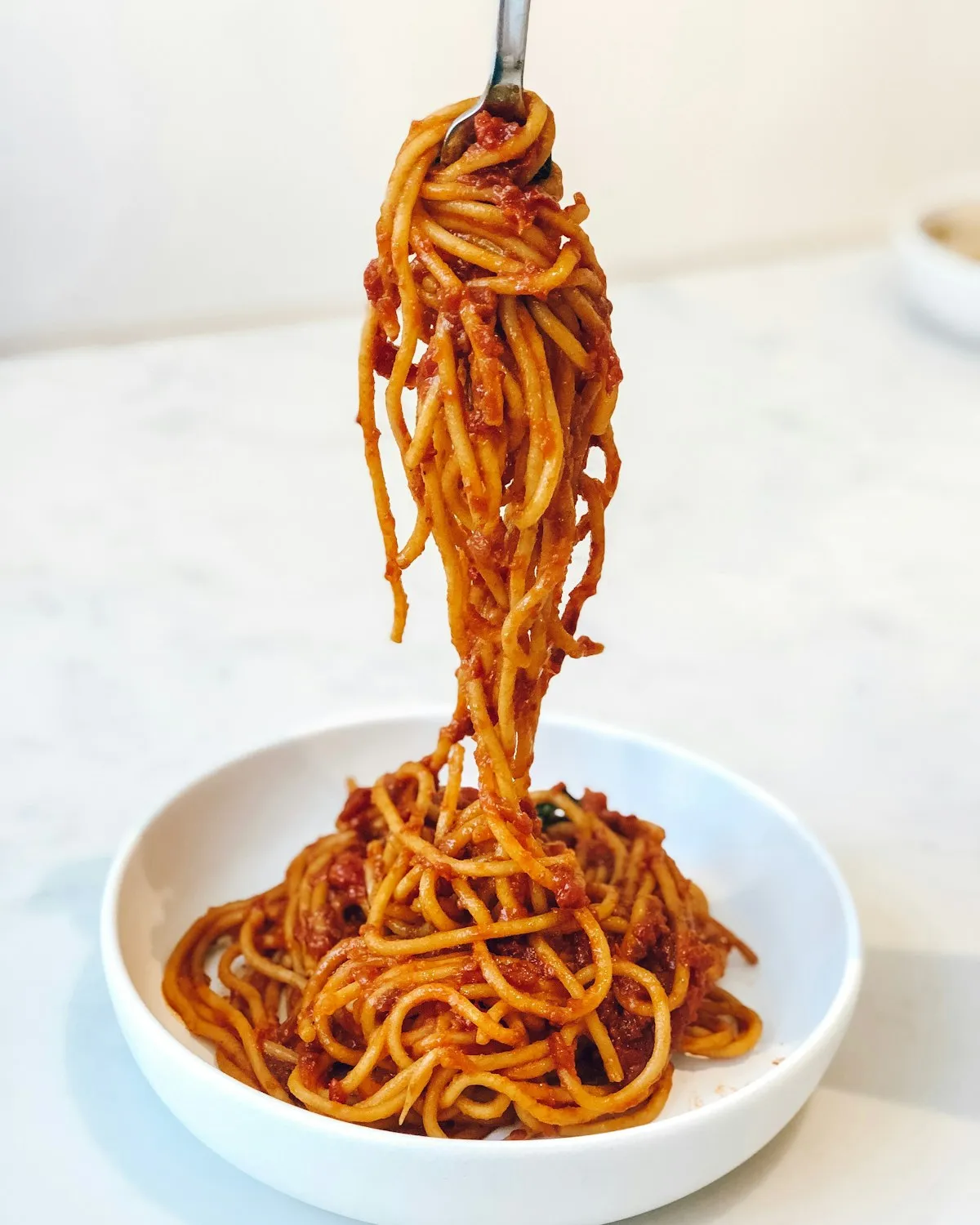
The secret to why this dish works isn't some expensive imported ingredient; it’s pure kitchen science. Most people make the mistake of thinking this is just "oil and noodles," but if you do that, you end up with a greasy puddle at the bottom of your bowl. To get that silky, clingy sauce that hugs every strand of spaghetti, you have to master the art of emulsification.
When you boil your pasta, the water becomes saturated with starch. This cloudy, salty liquid is basically liquid gold. When you toss that starchy water with the garlic-infused oil over medium heat, the starch acts as a bridge, allowing the fat (the oil) and the water to bind together. This creates a stable emulsion, a creamy, glossy sauce that stays on the pasta instead of sliding off. Don't just drain your pasta and dump it; use a pair of tongs to move the noodles directly from the pot to the pan. This naturally carries over some of that essential water.
Heat management is your next non-negotiable. Garlic is a fickle friend. It contains natural sugars that can go from "aromatic and sweet" to "bitter and burnt" in a matter of seconds. Start your oil and garlic in a cold pan, then slowly bring it up to a gentle sizzle. This "blooms" the garlic and the chili flakes, drawing out the fat-soluble flavor compounds and infusing the entire oil base with warmth. Avoid high heat at all costs during this stage. If your garlic turns dark brown, throw it out and start over. There is no saving burnt garlic, and it will ruin the delicate balance of the dish.
Think of this technique as the foundation for all your quick family meals. Once you understand how to control the heat and use your pasta water to build body, you can apply this to almost any simple pasta recipes you find in our collection. For another example of mastering sauce texture, check out my guide on achieving the perfect glossy sauce.
Check the resistance of your pasta constantly. You want to pull the noodles out when they are "under-done", meaning they still have a firm, white core in the center. They will finish cooking in the pan with the sauce, absorbing the garlic and chili flavors as they reach that perfect al dente bite. If you cook them fully in the water, they will turn into mush by the time the sauce is ready.
Elevating the Basics: Soulful Variations
While the minimalist version of this dish is a masterpiece in its own right, your kitchen is a playground, not a museum. You can easily adapt this base to fit whatever you have on hand. If you’re looking for healthy dinner ideas that feel a bit more substantial, try tossing in a few handfuls of baby spinach or kale during the last minute of tossing the pasta. The residual heat will wilt the greens just enough to retain their crunch while they soak up that liquid gold sauce.
Adding protein is another way to transform this from a light snack into a hearty meal. Sautéed shrimp or a few strips of leftover grilled chicken work beautifully here. The chili oil provides a spicy backdrop that complements the sweetness of the seafood or the savory notes of the poultry. If you want a more luxurious, velvety texture, stir in a dollop of high-quality ricotta or a splash of heavy cream at the very end. The fats in the dairy will further stabilize the emulsion, giving you a mouthfeel that rivals a traditional Alfredo but with much more complexity.
For those who crave more umami, a teaspoon of tomato paste stirred into the oil with the garlic adds a deep, sun-dried flavor and a beautiful rusty hue to the dish. This variation bridges the gap between a clear oil sauce and a full-bodied red sauce. It's a great trick to have in your back pocket when you want something that feels a bit more "cooked" but still want to maintain that 15-minute timeline.
Balancing the Plate: Side Dish Pairings
Because this pasta is rich with olive oil and heat from the chili, your side dishes need to provide a sharp contrast. Think about acidity and freshness. A simple arugula salad dressed with nothing but lemon juice and a pinch of flaky sea salt is the perfect companion. The peppery bite of the greens and the citrusy zip of the lemon "cut" through the richness of the oil, resetting your palate with every bite.
Avoid heavy, creamy sides or anything deep-fried. You want to keep the meal feeling light and energized. If you're looking for more quick family meals that balance these flavor profiles, you might enjoy experimenting with roasted vegetables. While I often advocate for traditional stove-top methods for pasta, I sometimes look toward air fryer recipes dinner options for my side dishes. A quick batch of air-fried asparagus with a sprinkle of parmesan provides a great textural contrast to the soft, silky spaghetti without adding a mountain of dishes to your sink.
Solving Your Pasta Problems: The Science FAQ
Why did my sauce turn out so oily and greasy?
This usually happens because you didn't use enough pasta water or you didn't toss the pasta vigorously enough. The water and oil need mechanical energy to bond. Use a pair of tongs and stir the pasta in circles rapidly while adding a splash more of that starchy water. If the oil is still separating, your heat might be too high, causing the emulsion to "break." Lower the flame and keep tossing.
Can I use fresh chilies instead of dried flakes?
Absolutely. Fresh chilies offer a brighter, more "grassy" heat compared to the smoky depth of dried flakes. However, fresh chilies contain water, which can cause the hot oil to splatter. Sauté them gently with the garlic to cook off that moisture. If you prefer a more intense, lingering heat, stick with the dried flakes as they have a higher concentration of capsaicin.
Is it okay to use pre-minced garlic from a jar?
I’m going to be firm on this: avoid it if you can. Pre-minced garlic is often stored in citric acid, which changes the flavor profile and prevents the garlic from browning properly. For these simple pasta recipes, the garlic is the star of the show. Spend the thirty seconds it takes to peel and slice fresh cloves. The difference in aroma and sweetness is night and day.
What if I don't have spaghetti?
While long, thin noodles like spaghetti or linguine are traditional because they provide more surface area for the oil to cling to, you can use whatever shape you have. Short pastas like fusilli or penne have "nooks and crannies" that trap the garlic and chili bits, which can be quite delightful. Just ensure you adjust your cooking time according to the package directions, always aiming for that slightly under-done al dente stage.
My cheese clumped into a ball instead of melting into the sauce. What happened?
This is a classic chemistry fail. If you add cheese to a pan that is too hot, the proteins in the cheese will seize and tighten, creating a rubbery clump. Always take the pan off the heat before adding your cheese. Let the residual heat of the pasta do the work. Also, make sure you are using finely grated cheese, pre-shredded bags are coated in potato starch to prevent sticking, which also prevents them from melting smoothly into your sauce.
Is this dish considered part of healthy dinner ideas?
Yes, especially when you use high-quality extra virgin olive oil. Olive oil is packed with heart-healthy monounsaturated fats and antioxidants. By controlling the amount of salt and adding a side of greens, you have a balanced, real-food meal that is far superior to processed alternatives. If you want a more indulgent comfort meal on another night, you can always check out my kielbasa pierogi roast, but for a clean, quick weeknight, this pasta is king.
{“@type”:”BlogPosting”,”image”:”https://cdn.marblism.com/qyjVRG5ockh.webp”,”author”:{“name”:”Penny”,”@type”:”Person”},”@context”:”https://schema.org”,”headline”:”Simple Pasta Recipes: 15-Minute Garlic & Chili Oil Spaghetti”,”publisher”:{“logo”:{“url”:”https://cookpedia.com/logo.png”,”@type”:”ImageObject”},”name”:”Cookpedia”,”@type”:”Organization”},”articleBody”:”You know those nights when the fridge looks like a ghost town and your energy levels are hovering somewhere near zero? I’ve been there more times than I care to admit. This is exactly why my blog exists—to save you from the siren call of expensive takeout with simple pasta recipes that actually deliver on flavor. This 15-minute garlic and chili oil spaghetti is the ultimate ‘pantry raid’ victory… [full content follows]”,”description”:”Learn the science of emulsification with this 15-minute Garlic & Chili Oil Spaghetti. A minimalist, high-impact recipe perfect for busy weeknights.”,”datePublished”:”2026-06-08″}