Recipe
Servings
Servings 1×
Ingredients
- Pasta
- Noodles
- Rice
- Bread
- Broccoli
- Peas
- Garlic
- Lemon
- Hard cheese
- Cooking oil
- Salt
- Black pepper
Method
- Use a mug to scoop out at least a cup of this liquid gold before you drain the noodles.
- Use tongs or a vigorous pan-flip.
- Start your garlic and oil in a completely cold pan.
- Slice your garlic as thinly as humanly possible, think of the prison scene in Goodfellas .
- Use a sharp knife and a steady hand.
There is a specific kind of magic that happens when you realize that your best dinner doesn't require a grocery run. It lives in your pantry, tucked between that half-used box of spaghetti and the head of garlic you forgot about last Tuesday. Aglio e Olio is the ultimate testament to the "less is more" philosophy. It is the backbone of all truly simple pasta recipes, requiring nothing more than a few staples and exactly fifteen minutes of your time. If you have ever felt like cooking was a chore involving too many pans and too much noise, this dish is your reset button. It is soulful, efficient, and frankly, a little bit sophisticated for something that costs about two dollars to make.
The Alchemy of the Oil-Starch Emulsion
The most common mistake you will make with this dish is treating the olive oil like a condiment rather than a sauce. If your pasta ends up sitting in a greasy puddle at the bottom of the bowl, you have failed the physics test of the kitchen. To achieve that restaurant-quality silkiness, you must master the oil-in-water emulsion. This isn't just "mixing"; it is a structural change at the molecular level.
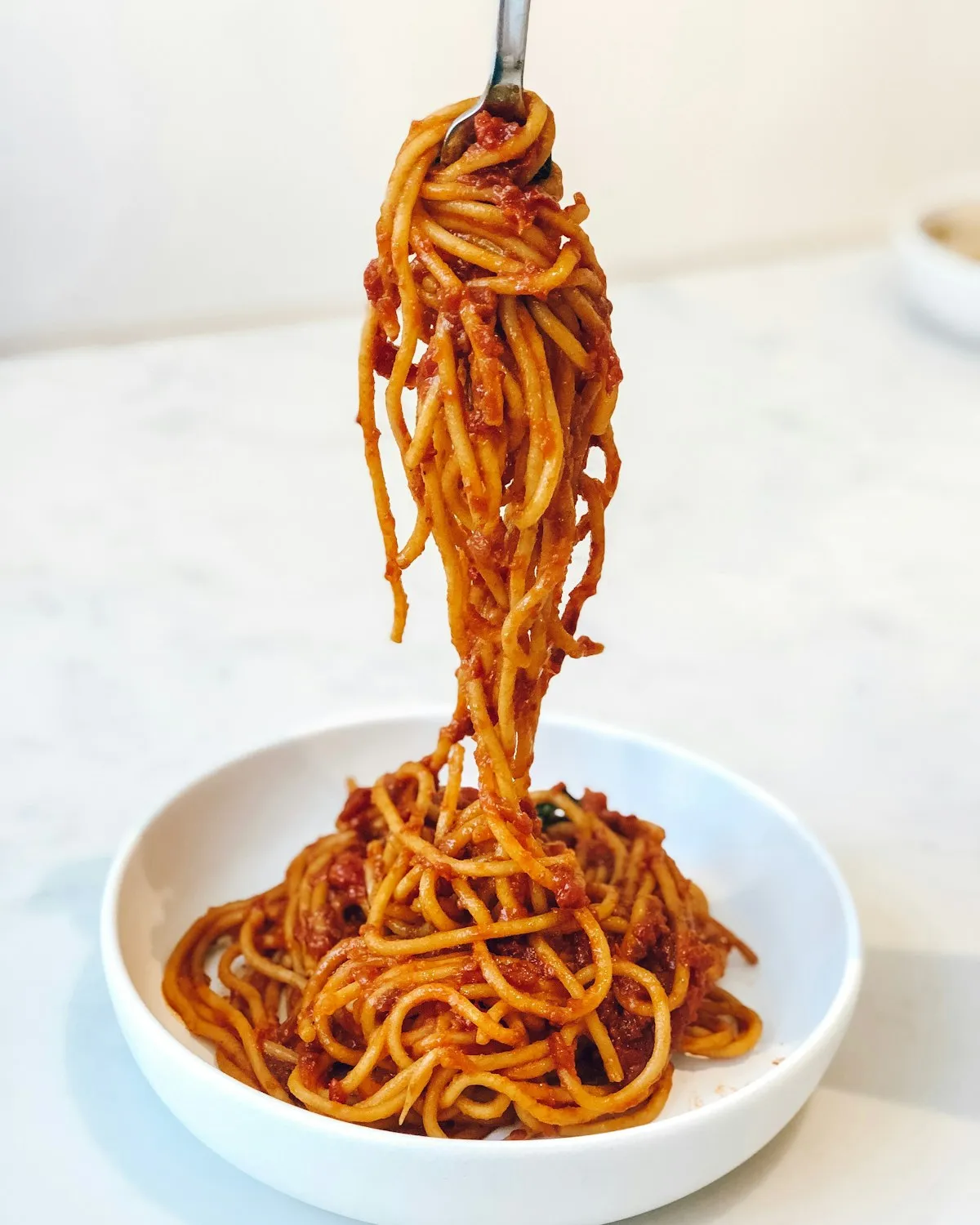
When you boil your pasta, the water becomes saturated with starch. This starchy liquid acts as a bridge, a surfactant, between the hydrophobic olive oil and the hydrophilic pasta. Use a mug to scoop out at least a cup of this liquid gold before you drain the noodles. When you combine the oil and the water in the pan with the pasta, you must toss with high intensity. Use tongs or a vigorous pan-flip. This mechanical agitation breaks the oil into microscopic droplets that are then "captured" by the starch molecules. The result is a creamy, glossy coating that clings to every strand of spaghetti. Without this step, you aren't eating a meal; you’re just eating oily noodles.
Mastering the Maillard Reaction in Garlic
Your garlic is the soul of this dish, and it is also the most volatile ingredient in your kitchen. Treat it with the respect it deserves. Start your garlic and oil in a completely cold pan. This is a non-negotiable rule. If you drop garlic into a hot pan, the exterior sears and burns before the interior has a chance to release its essential oils. By starting cold and gradually increasing the heat to a medium-low, you allow the garlic to infuse the oil with its pungency as it warms.
Watch the color like a hawk. You are looking for a very specific "pale blond" or "champagne gold" hue. This is the sweet spot of the Maillard reaction, where the sugars in the garlic have caramelized just enough to become nutty and sweet without crossing over into the acrid territory of burnt carbon. As soon as the edges show the slightest hint of color, introduce your liquid. This immediately drops the temperature of the pan and "freezes" the garlic in its perfect state. Avoid the temptation to walk away. In the final thirty seconds of browning, garlic can go from perfect to ruined faster than you can blink.
The Soulful Minimalist Kitchen
Cooking should not feel like a battle with your equipment. Part of the appeal of Cookpedia is our focus on high-impact flavor with minimalist effort. While this dish technically uses a pot and a skillet, it shares the spirit of our favorite one pot meals because it emphasizes a lack of clutter. You don’t need a food processor, a blender, or a mountain of dishes to wash afterward.
Focus on the tactile experience of the prep. Slice your garlic as thinly as humanly possible, think of the prison scene in Goodfellas. Use a sharp knife and a steady hand. This isn't just about aesthetics; thinner slices provide more surface area for the oil to extract flavor, and they create a better texture in the finished bite. This ritual of focused, simple preparation is what turns a quick meal into a soulful experience. It’s about being present with the ingredients rather than managing a complex checklist.
Strategic Variations for Every Mood
While the classic version is a masterpiece of restraint, you can adapt this technique to suit your cravings or your pantry's current state. The foundational technique remains the same, but the top-notes can shift.
- The Spicy Kick (Peperoncino): Add dried red pepper flakes to the oil at the same time as the garlic. The oil will bloom the spices, turning a vibrant orange-red and providing a slow, building heat that cuts through the richness of the fat.
- The Texture Play (Pangrattato): If you find yourself missing a "crunch," toast some coarse breadcrumbs in a separate small pan with a drop of oil and a pinch of salt. Sprinkle these over the top just before serving. It provides a rustic, "poor man's parmesan" vibe that is incredibly satisfying.
- The Citrus Lift: Grate the zest of half a lemon directly into the pan during the final toss. The bright acidity of the lemon oils provides a sharp contrast to the earthy garlic and heavy olive oil. This is especially effective during the summer months when you want something that feels lighter on the palate.
- The Umami Bomb: If you aren't a purist, stir in a teaspoon of white miso or a finely minced anchovy fillet into the oil as the garlic browns. It adds a depth of flavor that makes people ask, "What is in this?" without being able to quite put their finger on it.
Remember, the goal of simple pasta recipes is to enhance the core ingredients, not to bury them. Always maintain the ratio of oil to water; if you add too many dry ingredients, increase the amount of pasta water slightly to keep that emulsion stable.
Balancing the Plate: Side Dish Pairings
Because Aglio e Olio is so incredibly rich and fatty, your side dishes need to perform a specific job: they must provide acidity and crunch to cleanse the palate. A heavy, creamy side dish would be a mistake here. You want a "high-vibe" contrast.
A simple arugula salad is the perfect companion. The natural peppiness of the arugula mirrors the bite of the garlic, while a sharp lemon vinaigrette cuts right through the olive oil coating your tongue. If you want something warm, try quick-blanched broccolini tossed with just a squeeze of lemon and a flake of sea salt. The slight bitterness of the greens acts as a foil to the sweetness of the toasted garlic.
If you are looking for more 15-minute meal inspiration, think about vegetables that can be prepared in the time it takes the pasta water to boil. Sliced cucumbers with a splash of rice vinegar or quickly sautéed snap peas are excellent choices. Avoid heavy breads or starchy sides; the pasta is already the star of the show.
Frequently Asked Questions
Why did my garlic turn blue or green?
Don't panic; you haven't created a toxic chemical weapon. This is a common reaction between the sulfur compounds in the garlic and trace minerals in your tap water or even the acidity of some oils. It often happens with older garlic. It is perfectly safe to eat, though it might look a little like a science experiment gone wrong. To prevent this, use the freshest garlic possible and start in a cold pan to keep the reaction stable.
Can I use jarred minced garlic?
Absolutely not. This is one of the few hills I am willing to die on. Jarred garlic is stored in citric acid or water, which completely alters its flavor profile and prevents it from browning correctly. It will taste metallic and sour rather than sweet and nutty. For a dish with only five ingredients, the quality of the garlic is everything. Take the thirty seconds to peel and slice a fresh clove.
My sauce is watery and sitting at the bottom. What happened?
You likely didn't toss the pasta enough, or your heat was too low during the final stage. The emulsion requires heat and agitation to form. Return the pan to the heat, add another splash of starchy water, and use your tongs to vigorously swirl the pasta. You should see the liquid turn from clear to a cloudy, creamy yellow. That is the moment the sauce is "born."
Is this really a healthy dinner idea?
In moderation, yes. You are using high-quality monounsaturated fats from the olive oil and avoiding the heavy creams and processed sugars found in jarred sauces. It is a "real food" meal. If you want to increase the nutrient density, check out some of our other healthy dinner ideas that incorporate more lean proteins and vegetables.
What if I don't have spaghetti?
While long, thin noodles like spaghetti or linguine are traditional because they provide more surface area for the emulsion to cling to, you can use whatever you have. Just be aware that shapes like penne or fusilli will trap the oil differently, and you might need a bit more pasta water to ensure the sauce makes its way into the nooks and crannies.
Can I make this a one-pot meal by cooking the pasta in the oil?
While we love one pot meals at Cookpedia, the physics of Aglio e Olio really requires the pasta to be boiled separately to create that specific starchy water. Cooking the pasta directly in a small amount of liquid (the "risottata" method) is possible, but it requires much more attention and precise water ratios to avoid ending up with a gummy mess. Stick to the two-pan method for the best results.
{“@type”:”BlogPosting”,”image”:”https://cdn.marblism.com/MGLG97J77Cc.webp”,”author”:{“name”:”Penny”,”@type”:”Person”},”@context”:”https://schema.org”,”headline”:”Simple Pasta 15-Minute Aglio e Olio”,”publisher”:{“logo”:{“url”:”https://cookpedia.com/logo.png”,”@type”:”ImageObject”},”name”:”Cookpedia”,”@type”:”Organization”},”description”:”Learn the science behind the perfect 15-minute Spaghetti Aglio e Olio. Master the oil-in-water emulsion and the Maillard reaction for a soulful, minimalist dinner.”,”datePublished”:”2026-06-14″,”mainEntityOfPage”:{“@id”:”https://cookpedia.com/simple-pasta-15-minute-aglio-e-olio”,”@type”:”WebPage”}}