Recipe
Servings
Servings 1×
Ingredients
- Chicken
- Pasta
- Potatoes
- Carrots
- Onion
- Garlic
- Lemon
- Cooking oil
- Salt
Method
- Let’s be honest: there is nothing more satisfying than a house that smells like roasting chicken and caramelized onions.
- Pat your chicken bone-dry.
- Give them space so the dry oven air can trigger that beautiful caramelization on the edges.
- Use a low-sided roasting pan or a wire rack to allow air to circulate under the bird.
- Give each vegetable at least a centimeter of breathing room.
- Add whole, unpeeled cloves during the last 20 minutes of roasting.
Let’s be honest: there is nothing more satisfying than a house that smells like roasting chicken and caramelized onions. It’s the ultimate kitchen win, cheap, hearty, and deceptively simple. But while a "basic" roast is fine, I want to show you how to turn this budget staple into a masterclass in culinary physics. We’re moving past "throwing things in a pan" and into the realm of controlled chemical reactions. If you’re looking for healthy dinner ideas that don't cost a fortune but taste like a five-star meal, you’ve landed on the right page.
The Science of the Perfect Roast: Maillard and Moisture
To get that glass-shatter crispy skin and succulent meat, you have to manage two competing forces: the Maillard reaction and protein denaturation.
The Maillard reaction is the chemical dance between amino acids and reducing sugars. It starts happening in earnest around 140°C (285°F). Here’s the catch: the reaction won't trigger if there’s surface moisture. Water turns to steam at 100°C (212°F), and as long as your chicken skin is damp, its surface temperature will never rise high enough to brown. Pat your chicken bone-dry. Seriously, use more paper towels than you think. For the ultimate "tech-bro" kitchen hack, leave it uncovered in the fridge for four hours; the cold, dry air acts as a dehydrator, ensuring your skin is primed for maximum browning.
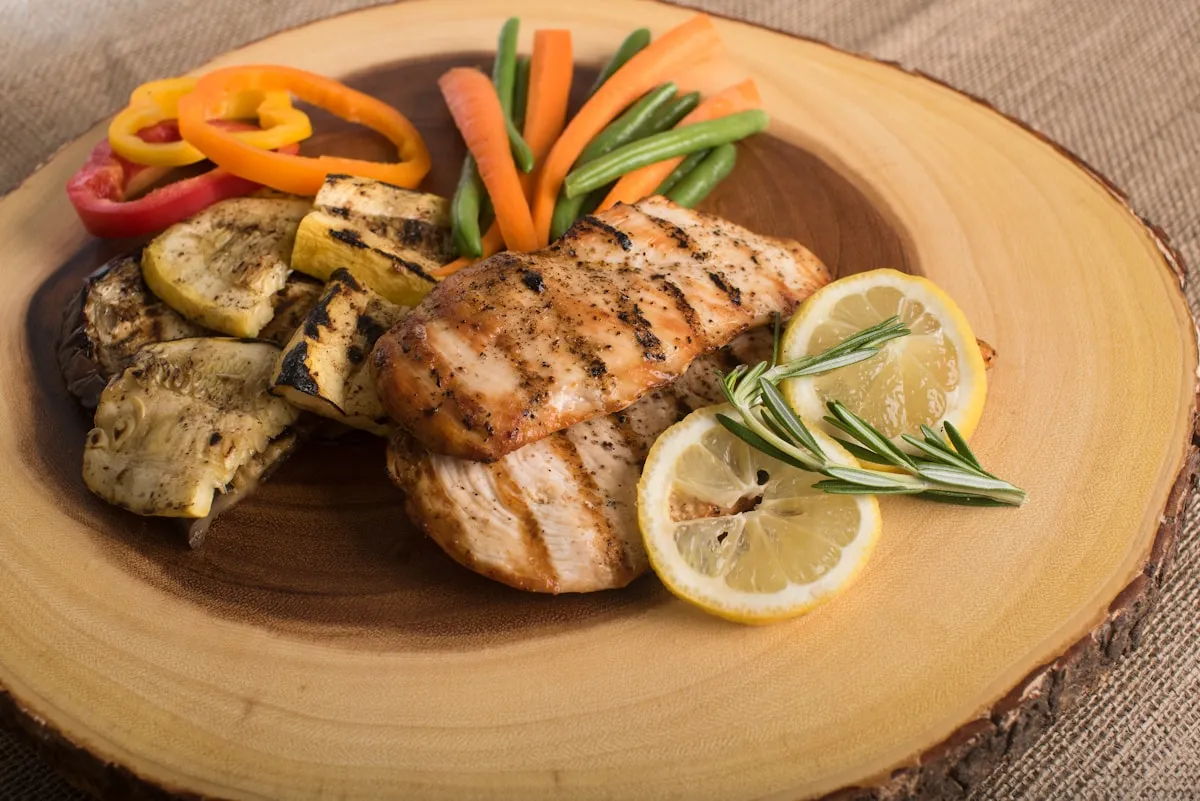
Now, let's talk moisture retention. Meat is essentially a bundle of protein fibers filled with water. As the internal temperature rises, those proteins denature and contract. Think of it like wringing out a wet towel. Once you hit 74°C (165°F), the fibers have tightened so much they’ve squeezed out most of the juice. Pull your bird at 65°C (150°F) for the breast and let carryover heat do the rest. This ensures the fibers remain relaxed enough to hold onto their liquid.
While the chicken is doing its thing, your root vegetables are undergoing their own transformation. Carrots and potatoes are packed with starches that need to gelatinize (soften) and sugars that need to caramelize. Avoid crowding the pan. If the veggies are stacked on top of each other, they’ll release steam and end up mushy and pale. Give them space so the dry oven air can trigger that beautiful caramelization on the edges.
Technical Variations for Every Schedule
If you’re short on time but still want those quick family meals to hit the mark, consider "spatchcocking." This is the technical term for removing the backbone and flattening the bird. By increasing the surface area, you allow the heat to penetrate more evenly and significantly faster. It turns a 90-minute roast into a 45-minute sprint without sacrificing a single bit of flavor.
Alternatively, for those who love their gadgets, you can adapt this for the air fryer. While usually reserved for air fryer recipes dinner enthusiasts, a whole small chicken can thrive in a high-convection environment. The rapid air movement mimics a commercial convection oven, accelerating the evaporation of surface moisture and yielding an incredibly even Maillard crust. Just ensure you adjust your root vegetable size, smaller cubes will cook at the same rate as the bird in that smaller, high-velocity chamber. For more air-fryer inspiration, check out my guide on kielbasa pierogi roasts.
Balancing the Plate: Side Dish Pairings
A roast chicken is rich, there’s rendered fat, salt, and deep savory notes (umami). To achieve total plate equilibrium, you need acidity and bitterness to act as a palate cleanser. A heavy roast paired with a heavy side is a recipe for a food coma, not a balanced meal.
Pair your roast with a sharp arugula salad. The peppery bite of the greens and a hit of lemon juice cut right through the richness of the chicken skin. It refreshes your taste buds between every bite of those buttery, caramelized carrots. I’ve found that simple, high-impact sides are the secret to turning quick family meals into something that feels intentional and curated. If you're looking for something with a bit more zing, try a vinaigrette-heavy slaw or even some quick-pickled red onions to provide that essential acid punch.
Roast Chicken FAQ: Troubleshooting the Lab
Why is my chicken skin rubbery instead of crispy?
The culprit is almost always steam. If you roasted your chicken in a deep-sided pan or, heaven forbid, covered it with foil, you created a steam chamber. Steam prevents the surface from exceeding 100°C, meaning no Maillard reaction and no crisping. Use a low-sided roasting pan or a wire rack to allow air to circulate under the bird.
Why are my potatoes soft but not brown?
You likely overcrowded the pan. Each vegetable releases moisture as it cooks. If they are too close, that moisture becomes a localized cloud of steam. Give each vegetable at least a centimeter of breathing room. Also, check your oil. You need enough fat to conduct heat from the pan to the vegetable surface, but not so much that they are deep-frying.
Is it safe to pull the chicken at 65°C (150°F)?
Yes, provided you let it rest. Food safety is a function of both temperature and time. While 74°C (165°F) is the "instant kill" temp for bacteria, holding the meat at 65°C for about five minutes achieves the same level of pasteurization. By pulling early and resting, you get a safer, juicier result than someone who blasts it to 75°C and serves it immediately.
Can I use frozen vegetables for this?
Technically yes, but I’d advise against it for roasting. Frozen vegetables have had their cell walls damaged by ice crystals, meaning they release water much faster and more aggressively. They are better suited for healthy dinner ideas involving soups or stews. For a proper roast, stick to fresh root vegetables to ensure the texture stays firm and the edges get that necessary crunch. If you're in a rush, look into one-pot pasta techniques instead.
How do I stop the garlic from burning?
Garlic has a much higher sugar content and lower moisture level than a potato. If you throw it in at the start, it will carbonize and turn bitter. Add whole, unpeeled cloves during the last 20 minutes of roasting. The skin protects the garlic, allowing it to soften into a sweet, spreadable paste without burning.