Recipe
Servings
Servings 1×
Ingredients
- Chicken
- Fettuccine
- Pasta
- Noodles
- Broccoli
- Asparagus
- Zucchini
- Garlic
- Lemon
- Balsamic vinegar
- Cream
- Hard cheese
- Butter
- Cooking oil
- Salt
- Black pepper
Method
- Use a pair of tongs to transfer the noodles directly into your skillet.
- Use a dry skillet over medium-low heat.
- Toss the greens with nothing more than a whisper of balsamic vinegar and a pinch of flaky sea salt.
There is a specific kind of magic that happens when you’re staring at a half-empty fridge at 6:30 PM on a Tuesday. Your brain is fried from spreadsheets, the kids are asking "what's for dinner" for the fourteenth time, and the temptation to order takeout is hovering at a dangerous 90%. But then, you spot a lonely lemon and a bag of pasta. This isn't just a backup plan; it’s a soulful, bright, and utterly restorative meal that proves you don’t need an hour or a dozen ingredients to eat like royalty. This simple pasta is my go-to when I want maximum flavor with zero emotional tax.
The Chemistry of Creaminess and the Crunch
If you think a "sauce" requires a complicated reduction or a heavy pour of cream, let me introduce you to the beautiful science of emulsification. When we talk about quick healthy meals, we’re usually looking for shortcuts that don’t taste like shortcuts. The secret here is "Liquid Gold", otherwise known as your pasta water.
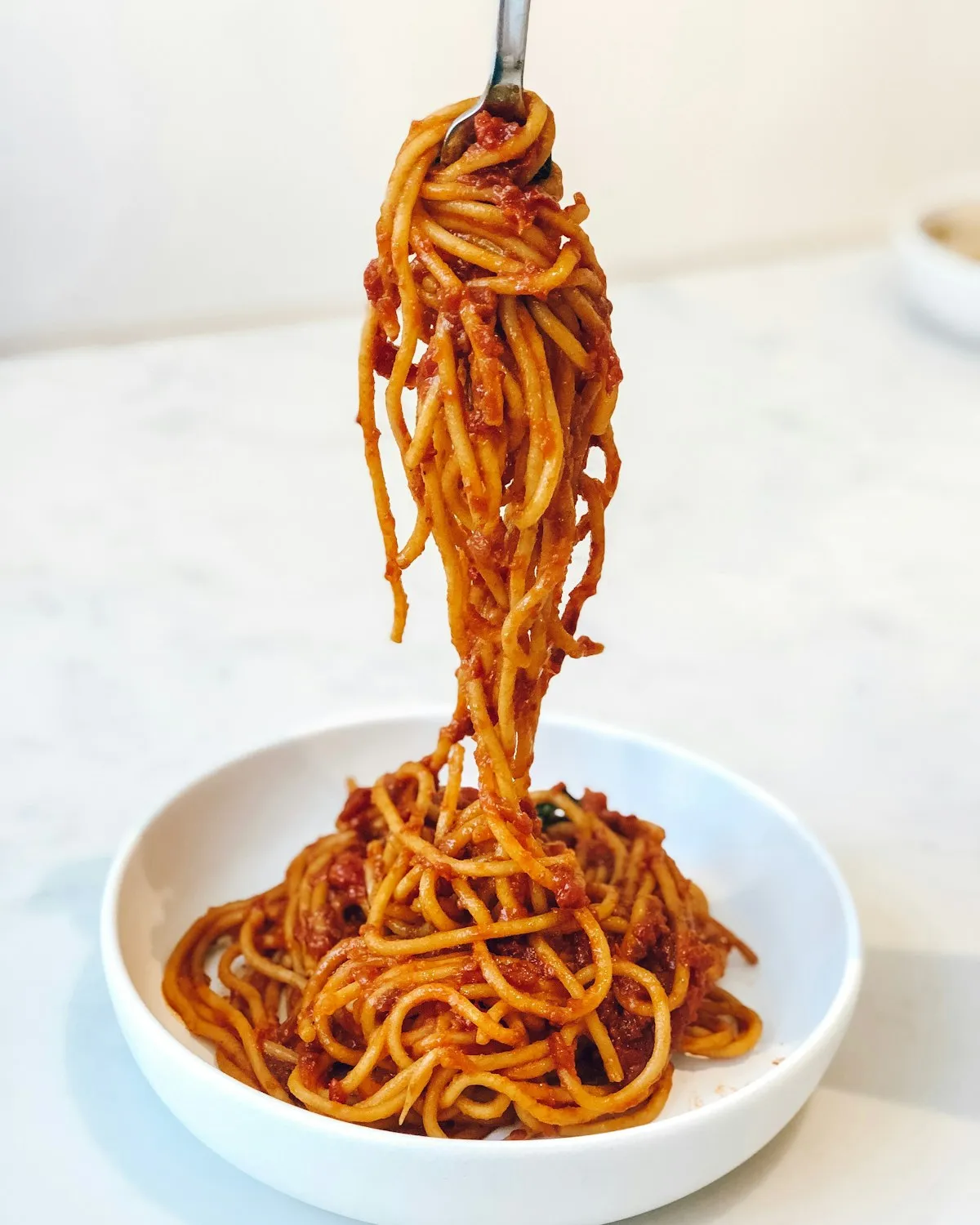
Mastering the Starchy Emulsion
Pasta water isn’t just waste; it’s a natural thickener loaded with starch released during the boiling process. When you toss undercooked fettuccine into a pan with fat (olive oil or butter) and a splash of that water, the starch acts as a bridge. It binds the oil and water together into a silky, glossy coating that clings to every strand of pasta. Avoid draining your pasta entirely into the sink. Use a pair of tongs to transfer the noodles directly into your skillet. This ensures you bring some of that starch along for the ride. Check the consistency as you stir; if it looks oily, add more water. If it looks watery, keep tossing.
The Maillard Reaction: Toasting Your Pine Nuts
Pine nuts are the crown jewels of this dish, but they are notoriously finicky. They have a high oil content, which means they can go from pale to burnt in a literal heartbeat. Use a dry skillet over medium-low heat. Do not walk away to check your phone or the mail. Constant movement is the key. You are looking for a light golden hue and that unmistakable nutty aroma. This browning, the Maillard reaction, transforms the nuts from a bland texture into a deep, savory crunch that balances the high notes of the lemon.
Balancing Acid and Aromatic
Lemon is a two-part ingredient. The zest contains the essential oils, the fragrance and the "soul" of the fruit. The juice provides the acidity, the "spark." Add the zest early into your fat phase to infuse the oil, but save the juice for the very end. Adding acid to high heat can sometimes cause your dairy (if using butter or cheese) to break or curdle. By stirring in the juice once the heat is off, you maintain that vibrant, fresh punch that defines the best healthy weeknight dinners.
Soulful Variations for Every Table
While the classic version is a masterpiece of minimalism, life is rarely that simple. Sometimes you need a bit more "oomph," or perhaps you're catering to specific dietary needs.
For the seekers of plant-based dinner ideas, this dish is a natural winner. Swap the butter for a high-quality extra virgin olive oil and skip the Parmesan in favor of nutritional yeast or a sprinkle of breadcrumbs toasted in garlic oil. The pine nuts already provide the richness you crave, so you won’t feel like you’re missing out.
If you’re looking for keto for beginners alternatives, swap the wheat-based fettuccine for zucchini noodles (zoodles) or shirataki noodles. Be warned: zoodles release a lot of water, so you’ll want to sauté them very briefly on high heat to prevent a soggy bowl. Focus on the butter and pine nuts to hit those fat macros while keeping the carbs in check.
For a protein boost, top the dish with pan-seared scallops or thin ribbons of grilled chicken. The lemon and pine nut profile is incredibly versatile, acting as a bright backdrop for almost any lean protein. If you’re feeling spicy, a pinch of red pepper flakes added to the oil at the beginning will cut through the richness of the nuts beautifully.
Balancing the Plate: Side Dish Pairings
Because this pasta is rich with healthy fats and bright acidity, you want a side dish that offers a crisp, bitter, or earthy contrast.
A simple arugula salad is my favorite partner for this meal. The peppery bite of raw arugula cuts right through the buttery emulsion of the fettuccine. Toss the greens with nothing more than a whisper of balsamic vinegar and a pinch of flaky sea salt.
If you have a few extra minutes, roasted asparagus or charred broccolini works wonders. The earthy, slightly charred notes of roasted greens complement the toasted pine nuts, turning this into one of those 15-minute meals that feels like a full-course restaurant experience. Avoid heavy, cream-based sides; you want something light to keep the lemon as the star of the show.
Frequently Asked Questions
Can I use bottled lemon juice if I'm in a rush?
Please, for the love of all things culinary, use a fresh lemon. Bottled juice often contains preservatives and lacks the bright, volatile oils found in fresh zest. Since this is one of our most simple pasta recipes, the quality of the lemon is the difference between a mediocre meal and a spectacular one. One fresh lemon is an investment in your happiness.
Why did my sauce turn out oily instead of creamy?
This usually happens if you didn’t use enough pasta water or if you didn't toss the pasta vigorously enough. The emulsion requires "agitation." Think of it like a workout for your wrists; you need to stir and toss until the starch and fat marry into a cohesive sauce. If it’s oily, add another splash of that starchy water and keep moving.
My pine nuts burnt in thirty seconds! What happened?
Pine nuts are the "Ferrari" of the nut world: they go from 0 to 60 in no time. Your pan was likely too hot, or you weren't stirring. Start with a cold pan if you’re nervous, and keep the nuts moving. Remove them from the pan as soon as they are light tan; the carryover heat will finish the job on the plate.
Can I make this as one of those "one-pot meals"?
While you can cook the pasta in a small amount of water and then add the ingredients directly to the pot, I don't recommend it for this specific recipe. The texture of the pine nuts is best when they are toasted separately and added as a garnish. If you boil them with the pasta, they’ll turn into mushy little pellets of sadness.
What should I do with the leftovers?
This pasta is best eaten immediately, but if you have leftovers, they make surprisingly easy healthy breakfasts when topped with a jammy soft-boiled egg. To reheat, add a tiny splash of water to the pan to loosen the sauce back up. Avoid the microwave if possible, as it tends to make the pasta rubbery and the oils separate.
Is there a cheaper substitute for pine nuts?
Pine nuts can be pricey. If you're looking for budget-friendly recipes, swap them for slivered almonds or even sunflower seeds. The technique remains the same: toast them until golden to unlock that deep flavor profile without breaking the bank.
{“@type”:”BlogPosting”,”image”:”https://cdn.marblism.com/2_5B6TKEO1N.webp”,”author”:{“name”:”Penny”,”@type”:”Person”},”@context”:”https://schema.org”,”headline”:”Simple Fettuccine with Lemon and Pine Nuts”,”publisher”:{“logo”:{“url”:”https://cdn.marblism.com/KxroJ1kM_KA.webp”,”@type”:”ImageObject”},”name”:”Cookpedia”,”@type”:”Organization”},”description”:”A bright, soulful, and quick 15-minute pasta recipe using fresh lemon, toasted pine nuts, and the secret of starchy pasta water for a perfect emulsion.”,”datePublished”:”2026-07-13″,”mainEntityOfPage”:{“@id”:”https://cookpedia.com/simple-fettuccine-lemon-pine-nuts”,”@type”:”WebPage”}}