Recipe
Servings
Servings 1×
Ingredients
- Chicken
- Salmon
- Steak
- Lentils
- Pasta
- Noodles
- Eggs
- Bread
- Broccoli
- Asparagus
- Zucchini
- Tomatoes
- Garlic
- Lemon
- Balsamic vinegar
- Cooking oil
Method
- Roast them until they burst and shrivel; that "collapsed" look is exactly what you want.
- Use high-quality extra virgin olive oil for this process.
- Use the oven to roast the tomatoes, and use the residual heat to warm the glaze.
- Add a splash of the starchy water and a fresh drizzle of olive oil to the pan and toss vigorously over low heat.
If your weeknights often feel like a race against the clock, you aren't alone. Between work, life, and trying to remember if you fed the cat, finding time to cook something that actually tastes like "real food" can feel like a tall order. That’s where this simple pasta comes in. It’s the ultimate solution for those looking for healthy dinner ideas that don't involve a mountain of dishes or a degree in culinary arts. This dish isn't just a meal; it’s a soul-warming hug in a bowl that proves you don't need a pantry full of exotic ingredients to create magic.
The Science of the "Jammy" Roast
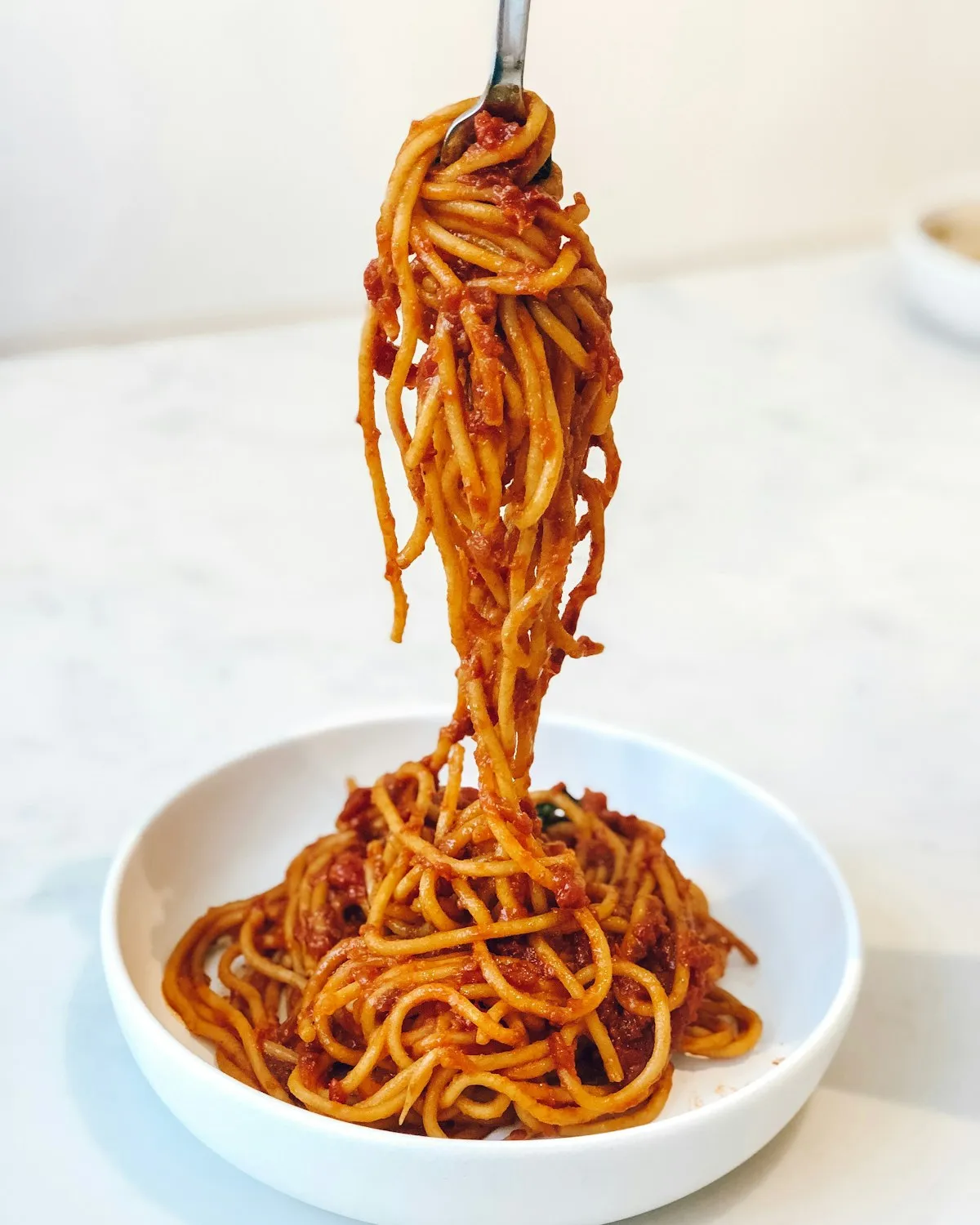
Why do we roast the tomatoes instead of just throwing them in a pan? It all comes down to a bit of delicious chemistry. When you subject cherry tomatoes to high heat, a few things happen simultaneously. First, the water inside the tomatoes begins to evaporate. This is crucial because it concentrates the natural sugars and acids, turning a watery fruit into a thick, syrupy flavor bomb. This concentration of flavor is why many of my favorite quick healthy meals rely on the oven to do the heavy lifting while I decompress from the day.
Second, the heat triggers the Maillard reaction and caramelization. While we often associate the Maillard reaction with searing steak, it happens in vegetables too! The natural sugars in the tomatoes brown and develop complex, savory notes that raw tomatoes simply don't have. Roast them until they burst and shrivel; that "collapsed" look is exactly what you want. It means the pectin: the natural fiber that holds the fruit together: has broken down, allowing the juices to mingle with your olive oil and form a natural sauce that clings to every strand of pasta.
Don't forget the garlic! Roasting garlic cloves in their skins alongside the tomatoes mellows their sharp, sulfurous bite into a sweet, buttery paste. Use high-quality extra virgin olive oil for this process. The oil acts as a heat conductor and a flavor carrier, picking up the tomato essence and the garlic aroma. When you eventually toss the pasta, add a splash of starchy pasta water. This is the "secret sauce" technique. The starch in the water acts as an emulsifier, binding the oil and the tomato juices into a glossy, velvety coating. Avoid rinsing your pasta; you need that starch to keep the sauce from sliding off the noodles and pooling at the bottom of the bowl. Check the texture frequently as you toss; you want a silk-like finish, not a soup.
Creative Variations for Every Table
While this is one of my go-to simple pasta dishes, it’s also a fantastic canvas for experimentation. If you’re following a specific lifestyle, like keto for beginners, you can easily swap the traditional wheat pasta for zucchini noodles or spaghetti squash. The roasted tomato and balsamic profile works beautifully with low-carb alternatives, though you might want to go easy on the glaze to keep the sugar count in check. You can even check out my guide on keto one-pot mastery for more tips on adapting classic flavors to a ketogenic lifestyle.
For those craving more plant-based dinner ideas, try adding some toasted pine nuts or a handful of nutritional yeast for a cheesy, nutty kick without the dairy. If you need more protein to satisfy a hungry family, flaked salmon or grilled chicken strips are excellent additions. This recipe is essentially the foundation for dozens of quick family meals; you just change the "toppings" based on what’s in your fridge.
If you are a fan of using modern kitchen gadgets to save time, you can even roast the tomatoes in an air fryer for a faster version of this meal. Much like my favorite air fryer recipes dinner ideas, the concentrated heat of the air fryer blisters the tomatoes in about half the time of a conventional oven. Just be sure to use a small baking dish that fits inside the basket so you don't lose those precious juices.
The Perfect Pairings: Balancing Your Plate
Because this pasta is rich with the sweetness of roasted tomatoes and the tang of balsamic, you want side dishes that provide a bit of contrast. A crisp, peppery arugula salad is my top choice. The bitterness of the greens cuts right through the jammy richness of the sauce, providing a refreshing palate cleanser between bites.
If you're looking to keep things within a theme of budget-friendly recipes, a simple side of garlic bread made from a day-old baguette is a winner. It’s perfect for mopping up any leftover sauce at the end. For those who want to stick to healthy weeknight dinners, steamed broccoli or roasted asparagus with a squeeze of lemon juice adds fiber and brightness to the meal. The acidity of the lemon mirrors the balsamic glaze, creating a cohesive flavor profile across the whole plate. You might also enjoy pairing this with a light budget-friendly red lentil dahl if you're serving a larger crowd and want a variety of textures and flavors on the table.
Common Questions & Troubleshooting
Can I use large tomatoes instead of cherry tomatoes?
You can, but the results will be different. Cherry and grape tomatoes have a higher skin-to-flesh ratio and more pectin, which is what gives this sauce its "jammy" consistency. Large tomatoes have more water and can become mushy rather than shriveled and concentrated. If you must use large ones, dice them and drain some of the excess seeds and juice before roasting.
Why did my balsamic glaze burn in the oven?
Balsamic glaze is high in sugar. If you add it to the tomatoes before they go into a 400°F oven, the sugar will likely burn before the tomatoes are finished. Always drizzle the glaze after roasting or in the last 2 minutes of cooking. Use the oven to roast the tomatoes, and use the residual heat to warm the glaze.
Is this dish suitable for 15-minute meals?
While the roasting takes about 20-25 minutes, the actual "active" work time is less than 5 minutes. If you are truly strapped for time, using an air fryer can bring this closer to the speed of my 15-minute teriyaki beef stir-fry. It’s about working smarter, not harder.
What if my sauce is too dry?
This usually happens if you didn't use enough olive oil or if you threw away the pasta water. Never throw away the liquid gold! Add a splash of the starchy water and a fresh drizzle of olive oil to the pan and toss vigorously over low heat. The agitation helps create that creamy emulsion.
Can I eat this for breakfast?
Why not? While we usually think of pasta as dinner, the flavors here aren't far off from a Mediterranean breakfast. In fact, many easy healthy breakfasts utilize roasted tomatoes. Try serving the leftover roasted tomatoes over toast with a poached egg, similar to how I serve air fryer breakfast sausages with a side of greens for a savory start to the day.
How do I store and reheat leftovers?
Store the pasta in an airtight container for up to three days. When reheating, add a tiny splash of water or a drop of olive oil to loosen the sauce back up. Avoid the microwave if possible; a quick toss in a warm skillet will preserve the texture of the tomatoes much better.
{“@type”:”BlogPosting”,”image”:”https://cdn.marblism.com/tlsWbhyofgU.webp”,”author”:{“name”:”Penny”,”@type”:”Person”},”@context”:”https://schema.org”,”headline”:”Simple Pasta with Roasted Cherry Tomatoes and Balsamic Glaze”,”publisher”:{“logo”:{“url”:”https://cookpedia.com/logo.png”,”@type”:”ImageObject”},”name”:”Cookpedia”,”@type”:”Organization”},”mainEntity”:{“@type”:”FAQPage”,”mainEntity”:[{“name”:”Can I use large tomatoes instead of cherry tomatoes?”,”@type”:”Question”,”acceptedAnswer”:{“text”:”You can, but cherry tomatoes are preferred because their higher pectin content and skin-to-flesh ratio result in a jammier sauce. Large tomatoes tend to be more watery.”,”@type”:”Answer”}},{“name”:”Why did my balsamic glaze burn in the oven?”,”@type”:”Question”,”acceptedAnswer”:{“text”:”Balsamic glaze has high sugar content which burns quickly at high temperatures. It is best to drizzle it over the dish after roasting is complete.”,”@type”:”Answer”}},{“name”:”What if my sauce is too dry?”,”@type”:”Question”,”acceptedAnswer”:{“text”:”Add a splash of starchy pasta water and a drizzle of olive oil, then toss vigorously to emulsify the sauce.”,”@type”:”Answer”}}]},”description”:”Learn the science behind making the perfect jammy roasted tomato pasta sauce with a sweet balsamic glaze. A quick and healthy weeknight dinner for busy home cooks.”,”datePublished”:”2026-07-13″,”mainEntityOfPage”:{“@id”:”https://cookpedia.com/blog/simple-pasta-roasted-tomatoes-balsamic-glaze”,”@type”:”WebPage”}}