Recipe
Servings
Servings 1×
Ingredients
- Chicken
- Shrimp
- Steak
- Chickpeas
- Pasta
- Noodles
- Spinach
- Tomatoes
- Garlic
- Lemon
- Hard cheese
- Cooking oil
- Black pepper
Method
- Use a vigorous tossing motion.
- Keep it at a gentle sizzle to coax out the sweetness of the garlic and the richness of the tomatoes.
- Finish the dish by turning off the heat before adding your cheese.
If you are looking for the culinary equivalent of a warm hug that requires almost zero effort, you have found it. We have all had those nights where the fridge looks bleak and the clock is ticking. This 15-minute sun-dried tomato spaghetti is my go-to solution for exactly those moments. It relies on pantry staples, specifically those intensely savory sun-dried tomatoes sitting in a jar of oil, to deliver a flavor profile that tastes like it spent hours simmering on a stove in Tuscany.
Forget the heavy creams or complicated reductions. This dish is about the magic of emulsification and the raw power of umami. It is proof that simple pasta recipes do not have to be boring; they just need to be smart. By focusing on a few high-impact ingredients and a bit of kitchen science, you can turn a humble box of noodles into a restaurant-quality meal before your favorite TV show even finishes its opening credits.
The Science of the Gloss: Emulsification and Umami
The secret to a world-class 15-minute meal isn’t a secret ingredient; it’s a technique called emulsification. When you look at a plate of pasta that is oily and separated, it’s usually because the fat (oil) and the liquid (pasta water) never truly bonded. To fix this, you must treat your pasta water like liquid gold. As the spaghetti boils, it releases starch into the water. This starch acts as a bridge, or an emulsifier, that allows the oil from your sun-dried tomatoes to cling to the pasta instead of sliding off into a puddle at the bottom of the bowl.
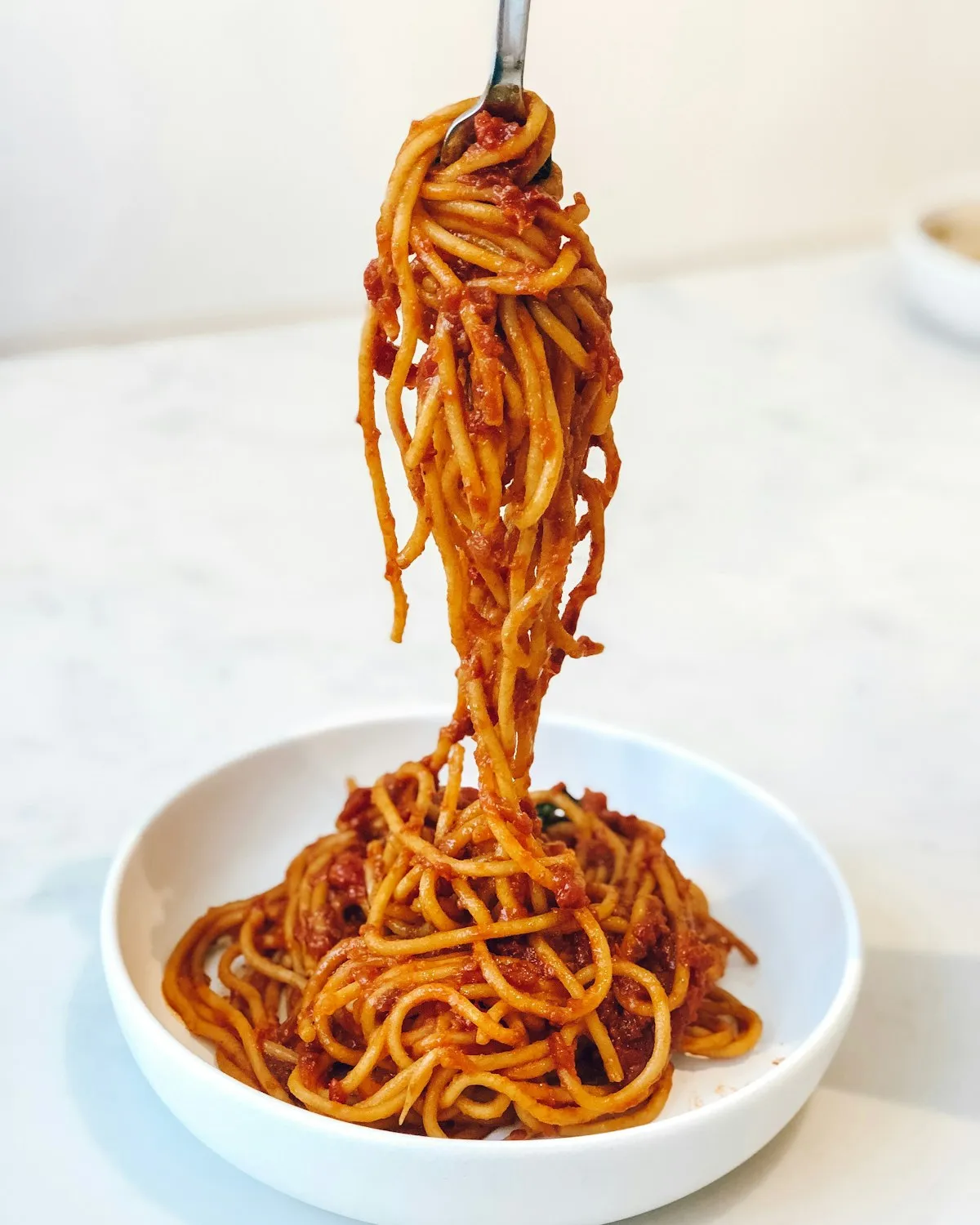
Always pull your pasta out of the boiling water about two minutes before the box says "al dente." It should still have a slightly chalky core. Why? Because you are going to finish the cooking process in the pan. This is where the magic happens. By tossing the undercooked noodles with a splash of that starchy water and the flavored oil, you are forcing the starch to hydrate and thicken right on the surface of the pasta. Use a vigorous tossing motion. This mechanical energy helps break the oil into tiny droplets that the starch can then surround and stabilize.
Beyond the texture, we have to talk about umami, that deep, savory "fifth taste." Sun-dried tomatoes are glutamate bombs. Because they are dehydrated, their natural savory compounds are incredibly concentrated. When you sauté them briefly in olive oil, you aren't just heating them up; you are performing a mini-extraction. The fat-soluble flavors and pigments (those beautiful lycopene reds) dissolve into the oil, creating a vibrant, aromatic base. Check your heat here; if you burn the garlic, the entire dish turns bitter. Keep it at a gentle sizzle to coax out the sweetness of the garlic and the richness of the tomatoes.
If you want to push the umami even further, consider the Maillard reaction. While we aren't searing a steak, briefly "frying" the sun-dried tomatoes and a tiny pinch of red pepper flakes in the oil before adding the water develops deeper, toasted notes. This is a common strategy in many quick family meals to add complexity without adding time. Finish the dish by turning off the heat before adding your cheese. If the pan is too hot, the proteins in the Parmesan will seize and clump into a rubbery mess. By cooling the pan slightly, the cheese melts into the emulsion, creating a creamy, velvet-like finish that coats every strand perfectly.
Flavor Variations: Balancing the Plate
While the base of this recipe is minimalist, you can easily adapt it to suit your mood or what is left in your crisper drawer. The key to a successful variation is balance, specifically, the balance between richness and acidity. The sun-dried tomatoes and olive oil provide plenty of fat and sweetness, so you need something to cut through that weight.
- The Acid Kick: If the pasta feels a bit too "heavy" or oily, add a squeeze of fresh lemon juice or a teaspoon of capers at the very end. The citric acid brightens the entire dish and makes the tomato flavor pop.
- The Protein Punch: For those looking for healthy dinner ideas that are more filling, toss in some canned chickpeas or leftover rotisserie chicken. If you have five extra minutes, you can even sear some shrimp in the same pan before starting the sauce.
- The Green Factor: Stir in two large handfuls of baby spinach or arugula just as you add the pasta water. The residual heat will wilt the greens in seconds, adding a peppery bite and a boost of nutrients without any extra pans to wash.
If you like a bit of crunch, avoid the urge to just dump in more cheese. Instead, try toasted breadcrumbs (pangrattato). You can even make these in a hurry as part of your air fryer recipes dinner routine, just toss panko with a bit of the sun-dried tomato oil and air fry at 350°F for 3 minutes until golden. It adds a textural contrast that elevates the dish from a simple weeknight fix to something truly soulful.
Side Dish Pairings: Contrast is Key
When serving a rich, oil-based pasta like this, your side dish should provide a refreshing counterpoint. Avoid heavy garlic breads or creamy sides. Instead, look for something crisp, acidic, and perhaps a bit bitter to cleanse the palate between bites.
A simple arugula salad with a sharp balsamic vinaigrette is the perfect companion. The bitterness of the arugula cuts right through the sweet intensity of the sun-dried tomatoes. If you prefer something cooked, try quick-charred broccolini with a heavy hand of lemon and red pepper flakes. The char provides a smoky depth that complements the concentrated tomato flavor beautifully.
For a truly balanced 15 minute meals experience, I often serve this spaghetti alongside a platter of sliced cucumbers and radishes drizzled with a light rice vinegar dressing. It’s crunchy, hydrating, and ensures you don't feel weighed down after dinner. If you’re looking for more inspiration on quick sides, check out our guide on 15-minute meals for pairing ideas that won’t break your schedule.
Frequently Asked Questions
Why is my sauce greasy instead of creamy?
This usually happens because of a lack of emulsification. If the oil is sitting at the bottom of the bowl, you either didn't use enough pasta water or you didn't toss the pasta vigorously enough. The starch in the water is the "glue." Next time, try adding an extra ladle of water and whisking the pan or tossing the noodles with tongs over medium heat until you see the liquid turn opaque and slightly thick.
Can I use sun-dried tomatoes that aren't in oil?
Yes, but you will need to rehydrate them first. Soak them in boiling water for about 5-10 minutes until they are pliable. However, the oil-packed version is superior for simple pasta recipes because that oil is already infused with flavor. If you use the dry ones, make sure to use a high-quality extra virgin olive oil as your base to make up for the lost depth.
Why does my Parmesan turn into a single rubbery clump?
Temperature is the enemy of cheese. If you add finely grated cheese to a boiling pan, the proteins will denature and bond together into a clump. Always pull the pan off the heat for about 30 seconds before adding the cheese. Toss constantly as you sprinkle it in; this incorporates the cheese into the emulsion slowly rather than letting it hit the hot metal surface of the pan.
Is it possible to overcook the garlic?
Absolutely, and it happens in a heartbeat. Garlic contains sugars that burn quickly, turning from sweet and aromatic to bitter and acrid. In 15 minute meals, the temptation is to crank the heat to finish faster, but keep the oil at medium-low. Once the garlic smells fragrant (usually after 30-60 seconds), move to the next step immediately to lower the pan's temperature.
How do I store and reheat leftovers?
Pasta like this is best eaten immediately, as the emulsion can break when cooled. However, if you have leftovers, store them in an airtight container. When reheating, avoid the microwave if possible. Instead, put the pasta in a skillet with a tiny splash of water and a drizzle of oil. Heat it gently while tossing to re-emulsify the sauce. If you're looking for more "next day" meal hacks, our viral garlic butter ramen hack uses similar principles for reviving noodles.
{“@type”:”BlogPosting”,”image”:”https://cdn.marblism.com/hTXlcVOVCvG.webp”,”author”:{“name”:”Cookpedia”,”@type”:”Organization”},”@context”:”https://schema.org”,”headline”:”Simple Pasta 15-Minute Sun-Dried Tomato Spaghetti”,”keywords”:”simple pasta recipes, 15 minute meals, healthy dinner ideas, quick family meals”,”publisher”:{“logo”:{“url”:”https://cookpedia.com/logo.png”,”@type”:”ImageObject”},”name”:”Cookpedia”,”@type”:”Organization”},”description”:”Discover how to make a restaurant-quality 15-minute sun-dried tomato spaghetti using pantry staples and simple emulsification techniques.”,”datePublished”:”2026-06-14″,”articleSection”:”Recipes”,”mainEntityOfPage”:{“@id”:”https://cookpedia.com/simple-pasta-15-minute-sun-dried-tomato-spaghetti”,”@type”:”WebPage”}}