Recipe
Servings
Servings 1×
Ingredients
- Pasta
- Lemon
- Pesto
- Cooking oil
Method
- Prepare the ingredients described in the article and heat the cooking surface or oven as directed.
- Cook the main ingredients using the heat and timing guidance in the article.
- Finish with the seasonings and garnishes named in the article, then serve.
If you’ve ever stared at your pantry at 6:00 PM feeling like a defeated contestant on a cooking show, this is for you. We’ve all been there: too tired to chop, too hungry to wait, but too picky to settle for cereal. Enter the 15-minute pesto gnocchi. It’s the ultimate "I have no time but I have standards" meal. It’s soulful, it’s fast, and it’s about to become your favorite of our simple pasta recipes. Forget the fancy hand-rolled dough for a weeknight; we’re using the good stuff from the store to create a restaurant-quality emulsion in the time it takes to boil a kettle.
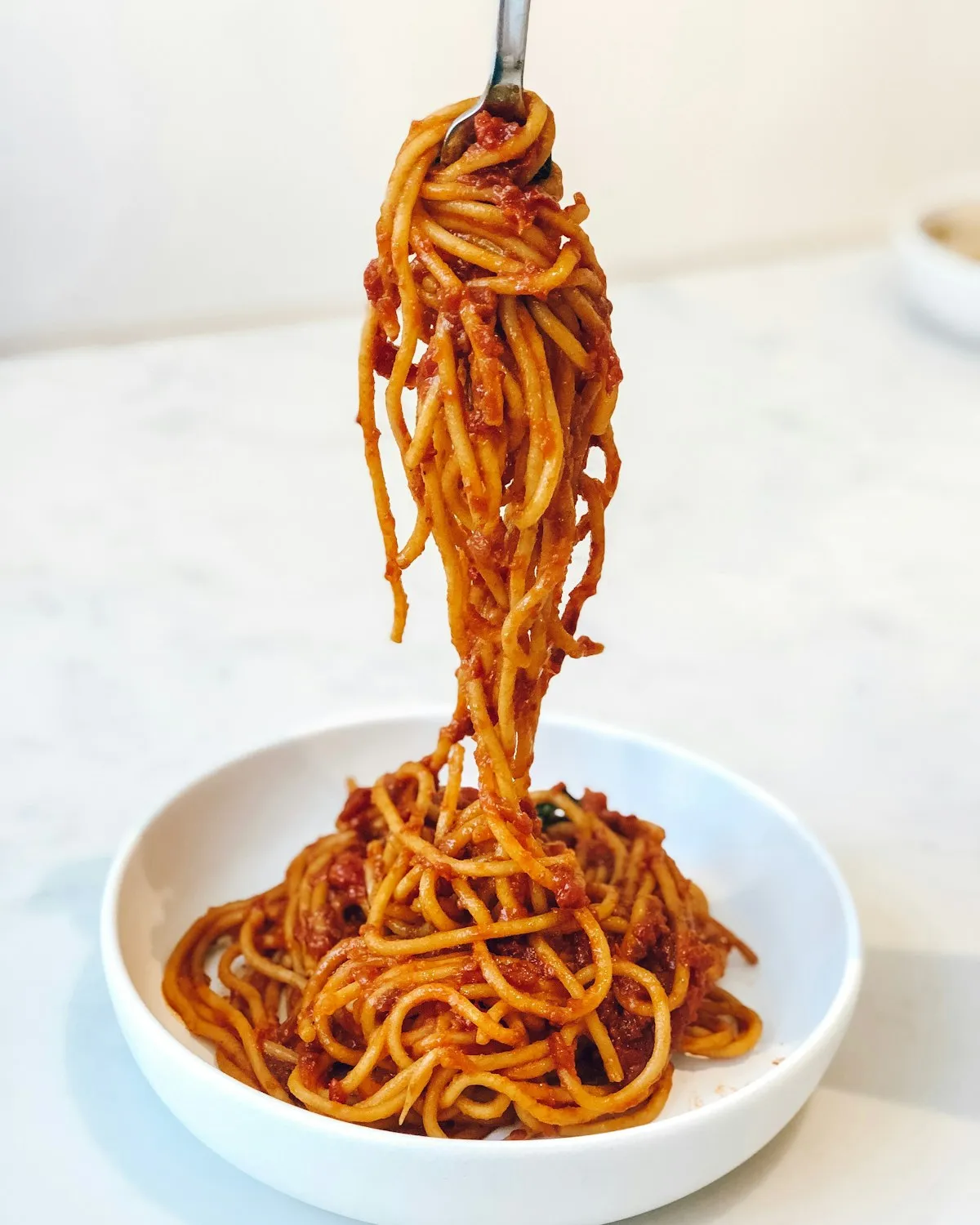
The Physics of the Perfect Glossy Emulsion
The difference between a "meh" pesto pasta and a "wow" version isn't just the quality of your basil; it’s pure chemistry. When you toss gnocchi into boiling water, the outer layer of potato starch begins to hydrate and slough off. This creates what I call "liquid gold": starchy cooking water. This water is the bridge between the oily pesto and the dense gnocchi.
Without it, your pesto will just slide off the gnocchi like a raincoat, leaving a pool of oil at the bottom of your bowl. To master this, you must treat your cooking water as a structural ingredient. Reserve at least a full cup before you even think about draining. When you combine that hot, cloudy water with the fat in the pesto and apply vigorous agitation (shaking the pan or tossing with a spatula), you create a stable emulsion. The starch acts as a stabilizer, preventing the oil from separating and creating a velvety, opaque coating that clings to every ridge.
Use a wide skillet for this process. A wide surface area allows you to toss the gnocchi effectively, ensuring maximum contact between the starch and the fat. Avoid high heat during the final stage. If the pan is too hot, the proteins in the pine nuts and cheese within the pesto will seize and clump. Keep it at a gentle simmer, or even turn the heat off entirely, letting the residual heat of the pasta do the heavy lifting. This technique is a cornerstone of one pot meals because it minimizes cleanup while maximizing scientific efficiency.
Check your texture constantly. If the sauce looks tight or dry, add another splash of water. If it looks watery, keep tossing. The friction of the gnocchi rubbing against each other helps release even more surface starch, further thickening the sauce. This is why you should never rinse your pasta. That sticky surface is exactly what you need for a professional finish. It’s a fast-track to quick family meals that feel like they took hours of effort.
Mastering Texture and Flavor Balance
To elevate this beyond a simple "boil and stir" affair, you need to understand the role of acidity and temperature. Pesto is naturally heavy and rich, thanks to the nuts, cheese, and olive oil. To keep it from feeling sluggish, you need a hit of brightness. Always finish with a squeeze of fresh lemon juice or a handful of fresh, torn basil at the very last second. This cuts through the richness and wakes up the palate.
Don't overcook the gnocchi. Because they are made of potato and flour, they can go from "pillowy cloud" to "gluey mess" in about thirty seconds. Most refrigerated or shelf-stable varieties only need two to three minutes. Watch for them to float, then wait exactly ten seconds more before scooping them out. This prevents them from absorbing too much water and losing their structural integrity during the emulsion phase.
Variations for the Modern Table
While the classic pesto is unbeatable, you can easily adapt this technique for various healthy dinner ideas. If you're looking for more fiber, try a "Power Green" version. Blend your standard pesto with a handful of blanched spinach or kale. The extra chlorophyll keeps the color vibrant while adding a massive nutrient boost without altering the creamy mouthfeel of the dish.
For those who crave a bit of crunch, consider a sheet-pan or air fryer approach. Roasting gnocchi instead of boiling them yields a crispy exterior and a chewy interior: a total game-changer. You can even find inspiration from air fryer recipes dinner guides to achieve that perfect sear. Once the gnocchi are crispy, toss them in a bowl with your pesto and a tiny bit of hot water to create a sauce that coats the crispy bits.
Add protein by folding in pre-cooked white beans or shredded rotisserie chicken during the final tossing phase. The beans, in particular, complement the starchiness of the gnocchi and make for very satisfying quick family meals that keep everyone full until breakfast.
Side Dish Pairings: Finding the Counterpoint
When serving a dish as rich as pesto gnocchi, your side dishes should provide a sharp contrast. Think of it as a see-saw; if the main is heavy and savory, the side must be light and acidic.
A simple arugula salad is my go-to. The peppery bite of the leaves and a sharp lemon vinaigrette provide the perfect "reset" for your taste buds between bites of creamy pasta. Avoid heavy dressings like ranch or Caesar, as they will only compete with the pesto.
If you want something warm, roasted cruciferous vegetables are ideal. Broccoli or asparagus, charred quickly under a broiler or in an air fryer, offer a bitter edge that balances the sweetness of the basil and pine nuts. These additions turn a basic pasta night into one of your most balanced healthy dinner ideas.
Frequently Asked Questions
Why did my pesto sauce turn brown immediately?
Pesto turns brown due to oxidation, which happens when the basil is exposed to air or excessive heat. When you're making this 15-minute meal, never boil the pesto. Add it to the pan off the heat or over the lowest possible setting. The residual heat from the gnocchi and the cooking water is more than enough to warm the sauce without "cooking" the basil into a dull olive-drab color.
Can I use frozen gnocchi for this?
Absolutely. Just be aware that frozen gnocchi will lower the temperature of your boiling water significantly. Cook them in smaller batches to ensure the water returns to a boil quickly, otherwise, they will sit in tepid water and become gummy. Use the same "float test" to determine when they are ready.
My sauce is oily and won't stick to the pasta. What happened?
This is a classic case of a broken emulsion. It usually happens if you didn't use enough starchy cooking water or if you added too much oil. To fix it, add another tablespoon of hot starchy water and toss the pan vigorously. The motion and the starch will help pull the fat back into the water, creating that desired creamy texture.
Is this recipe suitable for air fryer recipes dinner styles?
While the traditional method is boiled, you can definitely air-fry the gnocchi first for 10-12 minutes at 400°F (200°C) until they are golden and crispy. Then, toss them in the pesto/water mixture. It’s a fantastic way to add texture to one pot meals and keep things interesting for the family.
Can I make this ahead of time?
Gnocchi are best enjoyed immediately. If they sit in the sauce for too long, they will continue to absorb liquid and lose their fluffy texture. However, if you must have leftovers, store the sauce and pasta together but add a splash of water when reheating in a pan to loosen the emulsion back up. This is a key tip for maintaining the quality of your simple pasta recipes.
How do I make this more filling without adding more pasta?
Volume is your friend here. Stir in two cups of baby spinach at the very end; the heat of the gnocchi will wilt it in seconds. You can also add half a cup of frozen peas to the boiling water during the last minute of the gnocchi's cooking time. These small tweaks make for much more healthy dinner ideas without extra effort.
{“@type”:”BlogPosting”,”image”:”https://cdn.marblism.com/QWYd0c6d27t.webp”,”author”:{“name”:”Cookpedia”,”@type”:”Organization”},”@context”:”https://schema.org”,”headline”:”Simple Pasta 15-Minute Pesto Gnocchi”,”publisher”:{“logo”:{“url”:”https://cdn.marblism.com/r31hCYxu5lk.webp”,”@type”:”ImageObject”},”name”:”Cookpedia”,”@type”:”Organization”},”mainEntity”:[{“name”:”Why did my pesto sauce turn brown immediately?”,”@type”:”Question”,”acceptedAnswer”:{“text”:”Pesto turns brown due to oxidation from air or heat. To prevent this, add the pesto off the heat or at the lowest setting, letting residual heat warm it.”,”@type”:”Answer”}},{“name”:”Can I use frozen gnocchi for this?”,”@type”:”Question”,”acceptedAnswer”:{“text”:”Yes, but cook in small batches so the water temperature stays high. Use the float test to know when they’re done.”,”@type”:”Answer”}},{“name”:”My sauce is oily and won’t stick to the pasta. What happened?”,”@type”:”Question”,”acceptedAnswer”:{“text”:”This is a broken emulsion. Fix it by adding more hot starchy cooking water and tossing vigorously to reunite the fat and starch.”,”@type”:”Answer”}}],”description”:”Master the art of 15-minute pesto gnocchi with the science of starch-water emulsions. A quick, soulful, and healthy dinner idea for busy weeknights.”,”datePublished”:”2026-06-14″,”mainEntityOfPage”:{“@id”:”https://cookpedia.com/simple-pasta-15-minute-pesto-gnocchi”,”@type”:”WebPage”}}