Recipe
Servings
2 generously or 3 modestly 1×
Serves 2 generously or 3 modestlyPrep 10 minCook 20 minTotal 30 min
Ingredients
- 7 ounces spaghetti or another long pasta
- 3 ounces pancetta, diced
- 2 large eggs plus 1 egg yolk
- ½ cup finely grated Pecorino Romano or Parmesan
- Freshly ground black pepper
- Salt for the pasta water
- Hot pasta water, reserved before draining
Method
- Whisk the eggs, yolk, cheese, and plenty of black pepper in a bowl.
- Start the pancetta in a cold skillet. Cook over medium-low heat until the fat renders and the pieces become golden and crisp.
- Boil the pasta in salted water until al dente. Reserve at least 1 cup of the cooking water.
- Transfer the hot pasta to the skillet with the pancetta and toss briefly. Turn off the heat.
- Add the egg mixture and toss constantly. Loosen gradually with hot pasta water until the sauce is smooth, glossy, and creamy.
- Fold in the crispy pancetta, taste carefully for salt, and serve immediately with extra pepper and cheese.
Carbonara proves that a short shopping list can still deliver a very serious dinner. You need pasta, eggs, cheese, pancetta, pepper, and a little patience. That is the whole magic trick. This simple pasta recipe is rich, fast, and budget-friendly without tasting like a compromise. Keep the heat under control, save your pasta water, and you will have a glossy sauce instead of a bowl of scrambled eggs wearing spaghetti as a hat.
Save this recipe for busy nights when you need quick family meals that feel special without demanding a trip to the store.
Tips & Technique: Build the Sauce, Do Not Boil It
Render the pancetta slowly
Start the pancetta in a cold pan. This is non-negotiable.
A cold skillet gives the fat time to melt gradually before the meat becomes too dark. If you drop pancetta into a fiercely hot pan, the outside can brown before the interior fat has rendered. You end up with tough, chewy pieces and less flavorful fat for the sauce.
Use medium-low heat and stir occasionally. Look for deeply golden edges and a small pool of rendered fat. That fat is not a nuisance to drain away; it is one of the sauce’s main building blocks. Pancetta brings salt, savory depth, and crisp texture, while its fat carries those flavors across every strand of pasta.
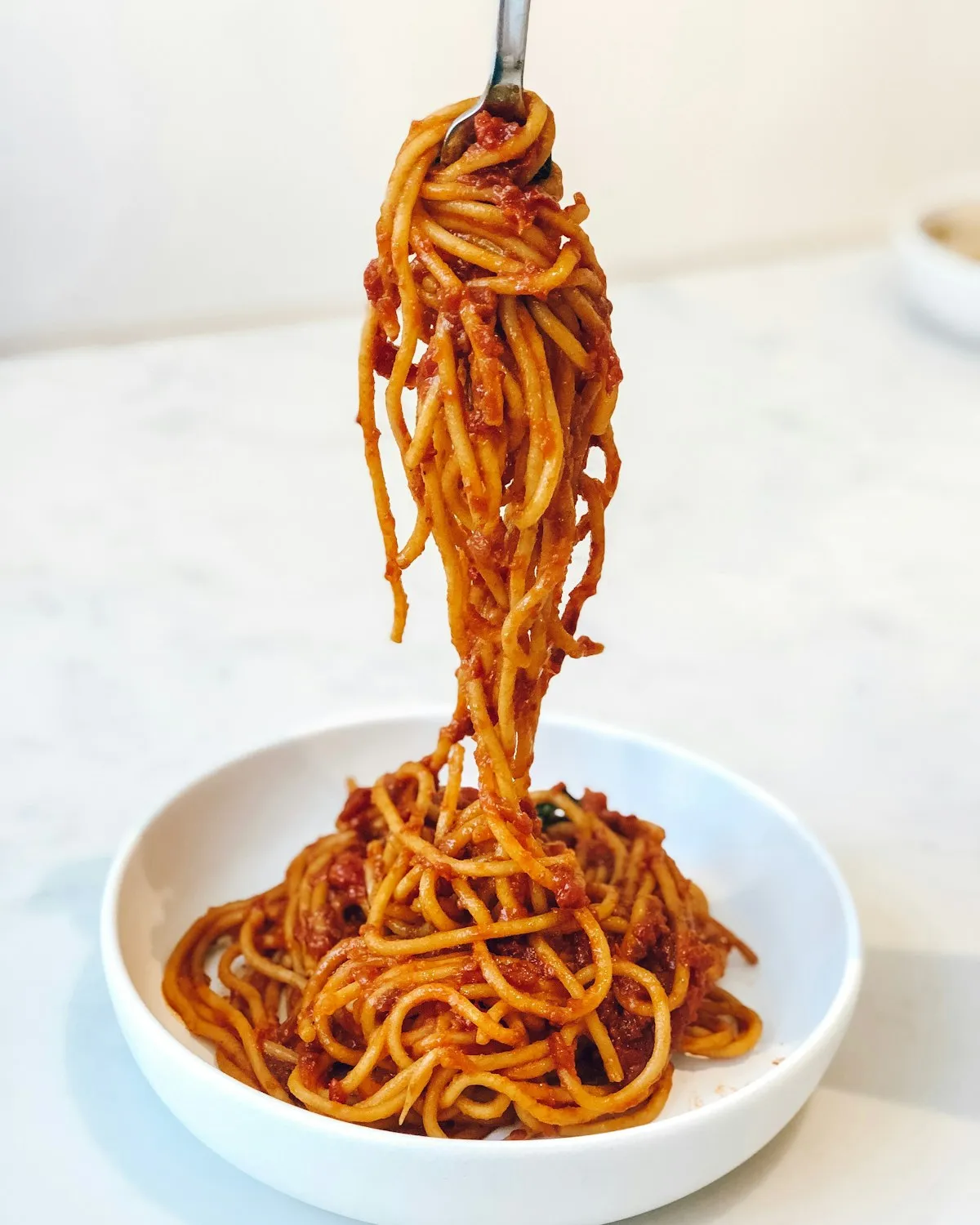
Grate the cheese finely
Grate the cheese as finely as you can. Small particles melt more quickly and distribute evenly through the egg mixture. Coarse shreds can stay stubbornly lumpy, especially when they meet hot pasta and begin clumping together.
Choose Pecorino Romano for a sharper, saltier flavor, or use Parmesan for a gentler taste and often a lower grocery bill. Buy a small block rather than a tub of pre-grated cheese when possible. It usually melts better, lasts longer, and gives you more control over the final texture.
Mix the cheese with the eggs before the pasta is ready. This creates a smooth base and prevents you from rushing around the stove with a hot colander in one hand and a cheese packet in the other.
Treat pasta water as an ingredient
Reserve more pasta water than you think you need. The water contains dissolved starch, which helps bind the rendered pork fat, egg, and cheese into a cohesive emulsion.
Think of an emulsion as tiny droplets of fat suspended through a watery base. Without enough water and movement, the fat separates and sits on top. Add warm, starchy water gradually while tossing, and the sauce becomes smooth enough to cling to the pasta.
Cook the pasta in reasonably concentrated water rather than a huge, diluted pot if your cookware allows it. More concentrated cooking water generally gives you a starchier liquid. Do not rinse the pasta. The surface starch is useful, and rinsing also cools the noodles before the sauce has a chance to form.
Control the heat with confidence
Remove the pan from direct heat before adding the eggs. The pasta should be hot, but the skillet should not be sizzling aggressively.
Egg proteins begin thickening as they warm, eventually forming the custard-like texture that makes carbonara creamy. Push the temperature too high, however, and those proteins tighten rapidly. That is when the sauce breaks into curds.
Toss constantly rather than letting the pasta sit in one hot spot. Movement spreads heat across the noodles and gives the egg mixture time to coat them evenly. Add pasta water a spoonful at a time until the sauce looks glossy and loose. It will thicken slightly as it stands, so stop before it becomes stiff.
For a useful comparison of the classic method, see this carbonara technique guide from Delish. The same principle applies: temperature and timing matter more than fancy equipment.
Variations That Keep the Balance
Make it more economical
Use Parmesan instead of Pecorino, or combine the two. Replace pancetta with thick-cut bacon if that is what your budget allows. Bacon adds a smokier flavor, so balance it with plenty of black pepper and avoid oversalting the pasta water.
Stretch the dish with a little extra pasta and a handful of peas. The peas add sweetness and color without requiring a second protein. You can also use leftover cooked vegetables, but warm them separately and fold them in at the end so they do not water down the sauce.
Change the pasta shape
Spaghetti is classic, but bucatini, linguine, rigatoni, and shells all work. Choose shapes with ridges or curves when you want more sauce in every bite. Short pasta also makes the dish easier for younger diners.
If your saved searches include “air fryer recipes dinner,” keep this carbonara on the stovetop instead. The sauce needs gentle residual heat and active tossing; an air fryer has no useful role here.
Add brightness
Carbonara is rich, so use acidity and freshness carefully. Serve lemon wedges on the side rather than stirring a large amount of juice directly into the sauce. A small squeeze at the table can wake up the flavors without curdling the cheese mixture.
Side Dish Pairings: Add Freshness, Not More Richness
Pair carbonara with something crisp, green, or lightly acidic. A simple arugula salad with lemon dressing cuts through the salty, creamy sauce. Steamed broccoli, green beans, or peas add color and a little bitterness, which keeps the plate from feeling heavy.
Skip another creamy side and avoid piling on garlic bread, cheese bread, and a rich dessert unless you are deliberately planning a nap afterward. For healthy dinner ideas, think in contrasts: tender pasta with crunchy vegetables, salty pancetta with juicy tomatoes, and rich sauce with a sharp vinaigrette.
A tomato and cucumber salad also works well. Keep the dressing bright and simple, then serve it immediately so the vegetables stay crisp. When planning quick family meals, let the salad come together while the pasta water heats.
FAQ: Carbonara Troubleshooting
Why did my carbonara turn into scrambled eggs?
The pan was probably too hot, or the egg mixture sat against the hot skillet without enough movement. Egg proteins tighten quickly when overheated. Turn off the burner before adding the eggs, toss continuously, and loosen with hot pasta water.
If you see small curds but the sauce is not completely dry, add a splash of pasta water and keep tossing away from the heat. You may not restore perfect silkiness, but you can usually improve the texture.
Why is my sauce watery?
Add pasta water gradually rather than pouring in a large amount at once. Too much water overwhelms the egg, cheese, and fat before the starch has time to bind them.
Keep tossing for another 20 to 30 seconds. The starch needs movement to help stabilize the emulsion. If the sauce remains thin, let the pasta sit off the heat briefly while tossing. Do not return it to high heat, or you may trade a watery sauce for scrambled eggs.
Why does the cheese clump?
Coarse or pre-shredded cheese is the usual culprit. Finely grate a block of cheese and whisk it thoroughly with the eggs before adding it to the pasta.
Very high heat can also make cheese seize. Add the egg-and-cheese mixture away from direct heat and use pasta water to create a smoother transition between the hot noodles and the cooler sauce base.
Can I use bacon instead of pancetta?
Yes. Bacon is a practical substitute, especially for a budget-friendly dinner, but it brings more smoke and sometimes more salt. Cook it slowly so the fat renders, then taste before adding extra salt.
Traditional Roman carbonara is usually made with guanciale, but pancetta is widely available and has a clean, savory flavor. Bacon will not make the dish inedible; it simply gives it a different personality.
Can I make carbonara ahead of time?
Carbonara is best served immediately because the sauce thickens as it cools. Reheating it aggressively can scramble the eggs and make the pasta greasy.
If you have leftovers, warm them gently in a skillet with a tablespoon or two of water. Toss over low heat just until heated through. Expect a thicker sauce and slightly softer pasta, but do not send it straight into a blazing microwave unless you enjoy culinary roulette.
Is carbonara safe to eat?
Use fresh, properly refrigerated eggs and follow your local food-safety guidance. The residual heat from freshly cooked pasta gently thickens the sauce, but it may not bring the eggs to every food-safety standard.
Use pasteurized eggs if you are serving young children, older adults, pregnant guests, or anyone with a weakened immune system. Keep the finished dish hot, serve it promptly, and avoid leaving it at room temperature.
Once you understand the heat, starch, and emulsion, carbonara stops being mysterious. Keep the pancetta crisp, keep the eggs away from direct heat, and keep tossing. That is how a few affordable ingredients become a bowl of deeply satisfying pasta.
For more simple pasta recipes, browse Cookpedia’s pasta collection, or try a different budget-minded direction with this red lentil dahl.