Recipe
Servings
Servings 1×
Ingredients
- Chickpeas
- Orzo
- Fettuccine
- Pasta
- Noodles
- Bread
- Onion
- Garlic
- Lemon
- Balsamic vinegar
- Butter
- Cooking oil
- Salt
- Black pepper
Method
- Use a large pot to ensure the pasta has room to dance without sticking together.
- Use a timer, but set it for exactly two minutes before the package says the pasta will be done.
- Use a mug or a ladle to save at least one cup of that cloudy, starchy water.
- Transfer your undercooked pasta directly into your sauce pan.
- Add a splash of that reserved water and toss it over medium heat for the final sixty to ninety seconds of cooking.
- Keep that starch where it belongs: on the noodle.
There is a specific kind of heartbreak that only a plate of mushy, overcooked pasta can cause. You’ve spent your evening dreaming of a soulful, comforting bowl of noodles, only to end up with something that has the structural integrity of wet cardboard. I have been there, and I refuse to let you stay there. Perfecting your pasta game isn't about expensive copper pots or secret Italian heritages; it is about understanding a few simple laws of physics and chemistry that happen inside your boiling water.
When you master the art of the "bite," you unlock a world of simple pasta recipes that feel like restaurant-quality meals but take less effort than ordering takeout. Whether you are looking for quick healthy meals or just a way to elevate your Tuesday night, the secret to that elusive "al dente" texture is closer than you think.
The Science of the Perfect Snap: Salt, Starch, and Structure
To understand why your pasta turns to mush, you have to look at what is happening inside the dough. Dried pasta is a tightly knit matrix of protein (gluten) and starch granules. When you drop those noodles into boiling water, the starch begins a process called gelatinization. Essentially, the starch granules absorb water and swell until they eventually burst. If you let them burst completely, you get a sticky, flabby mess.
The trick to avoiding this is focusing on the "protein set." Around the same time the starch is swelling, the gluten proteins are denaturing and setting into a firm structure. True al dente, literally "to the tooth", happens when the outer layer of the pasta is soft and hydrated, but the very center still offers a firm resistance. This isn't just about texture; it’s about digestion. Al dente pasta actually has a lower glycemic index because your body takes longer to break down those less-gelatinized starches.
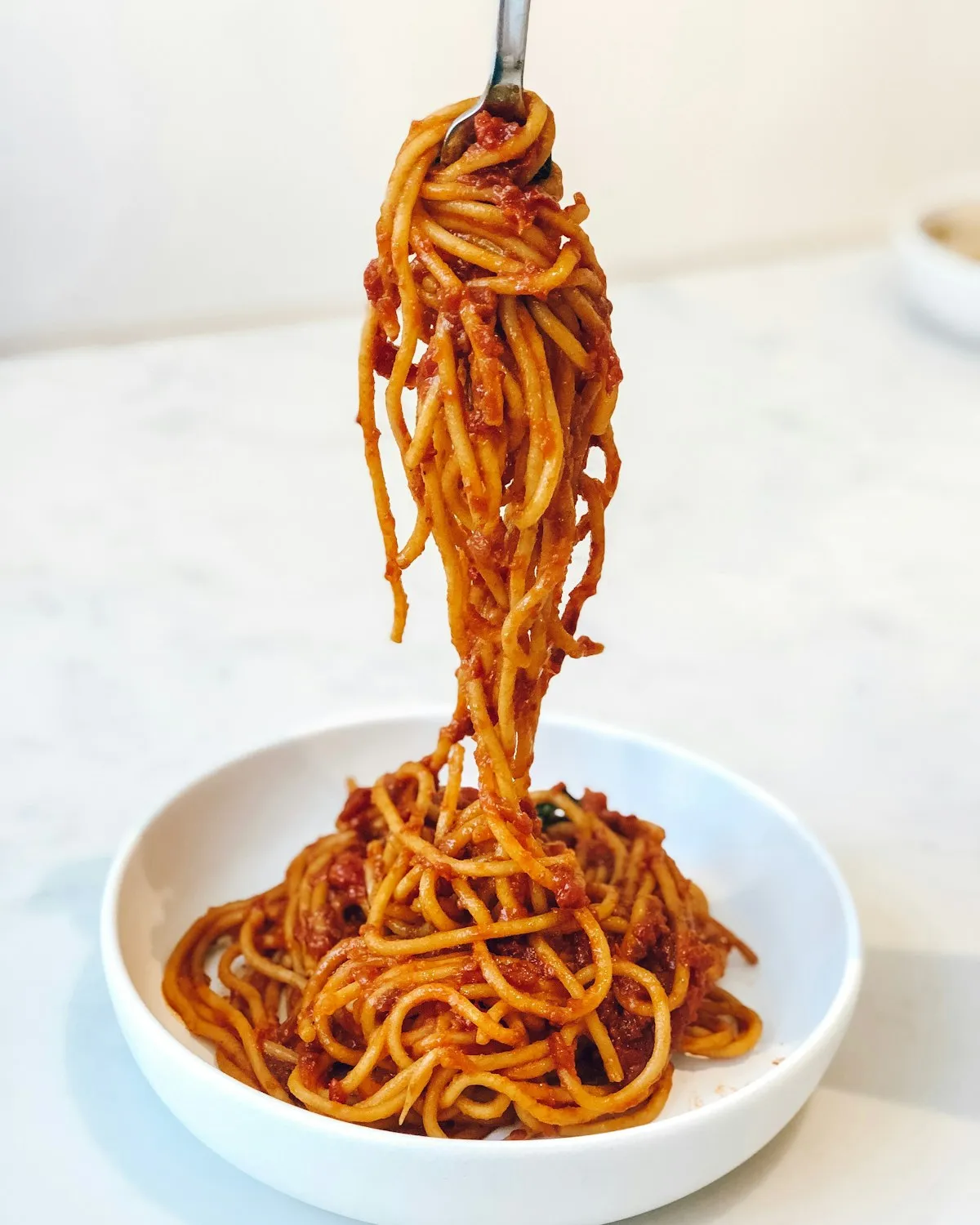
The Great Salinity Debate
Never underestimate the power of your boiling water. You must salt your water aggressively. I am not talking about a polite pinch; I am talking about making that water taste like the Mediterranean Sea. Aim for about ten grams of salt per liter of water. Why? Because salt does more than just season the noodle from the inside out. It actually influences how the starches gelatinize, helping the pasta maintain a more resilient structure. Use a large pot to ensure the pasta has room to dance without sticking together.
The Two-Minute Rule
Stop trusting the box. The "suggested cooking time" on the back of your pasta package is a suggestion at best and a lie at worst. Use a timer, but set it for exactly two minutes before the package says the pasta will be done. This is your window of opportunity. At this stage, fish a noodle out and bite into it. You should see a tiny, pin-sized white core in the center. This is the "soul" of the pasta that hasn't fully hydrated yet. This is exactly when you pull it from the water.
Liquid Gold: The Emulsification Secret
Before you even think about tilting that pot over the sink, stop. Use a mug or a ladle to save at least one cup of that cloudy, starchy water. This is "liquid gold." When you finish your pasta in the sauce, which is a non-negotiable step, this water acts as the bridge. The starch in the water helps fat (like olive oil or butter) and liquid (like tomato juice or wine) bond together into a glossy, velvety sauce that clings to the noodle rather than pooling at the bottom of the bowl.
Transfer your undercooked pasta directly into your sauce pan. Add a splash of that reserved water and toss it over medium heat for the final sixty to ninety seconds of cooking. This allows the pasta to finish its hydration process by absorbing the flavor of the sauce itself, rather than just more plain water.
Navigating Shapes and Variations
Not all pasta is created equal, and your technique should shift slightly depending on what’s in your pantry. If you are experimenting with healthy dinner ideas, you might be reaching for whole wheat or chickpea pasta. These varieties are notoriously fickle. Whole wheat pasta has bran particles that physically "cut" through the gluten strands, making it more prone to falling apart. Treat these with extra care; check them three minutes early and be very gentle when tossing them in the sauce.
Different shapes also require different levels of attention. A thin angel hair will go from perfect to pulverized in thirty seconds, while a thick rigatoni gives you a wider margin for error. Think about surface area. A shape like fusilli has tons of nooks and crannies to catch sauce, meaning it needs that starchy water even more to ensure every spiral is coated. If you're tired of pasta and looking for a change, you can apply similar "finish in the heat" logic to air fryer recipes dinner style, though nothing beats the classic stovetop emulsification for a silky linguine.
Balancing the Plate: Acidity and Side Pairings
A great pasta dish is often rich, starchy, and salty. To make this work as part of your quick family meals, you need to introduce balance. The most common mistake is serving a heavy pasta with a heavy side. Instead, use acidity to cut through the richness.
A bright, zesty arugula salad is the perfect companion to almost any simple pasta recipes you might be whipping up. The peppery bite of the greens and a sharp lemon vinaigrette refresh the palate between mouthfuls of dense carbohydrates. If you are making a creamy carbonara or a buttery fettuccine, you need that hit of acid to prevent the meal from feeling leaden.
Avoid starchy sides like garlic bread if you’re already serving a large bowl of pasta. Focus on roasted vegetables with a splash of balsamic or a quick slaw. This approach keeps your quick healthy meals feeling light and energized rather than inducing an immediate post-dinner nap. For more inspiration on balancing textures and flavors in one go, check out our guide on air fryer sausage pepper onion medley, which pairs beautifully with a light orzo.
Common Obstacles and "What If" Solutions
What if I forgot to save the pasta water?
Don't panic, but don't expect the same results. You can try to mimic the effect by whisking a teaspoon of cornstarch into a half-cup of warm water, though it won't have the same seasoned depth as the original cooking liquid. Next time, leave the ladle inside the colander as a physical reminder to stop before you pour.
Should I add oil to the water to stop sticking?
No. Never. This is a culinary myth that needs to die. Oil floats on top of the water and does nothing to prevent the pasta from sticking while it's submerged. Worse, when you drain the pasta, that oil coats the noodles and creates a waterproof barrier, ensuring that your sauce will slide right off and pool sadly at the bottom of the plate. To prevent sticking, simply use a larger pot and stir the pasta frequently during the first two minutes of boiling.
Is it okay to rinse the pasta?
Only if you are making a cold pasta salad. For hot dishes, rinsing is a crime. It washes away the surface starch that is essential for sauce adhesion. If you rinse your pasta, you are essentially cleaning off the very glue that makes your dinner a cohesive meal. Keep that starch where it belongs: on the noodle.
What if my sauce is too thick?
This is exactly why you saved that pasta water. Add it a tablespoon at a time while tossing the pasta over heat. The starch will help thin the sauce without making it watery, maintaining that luscious, "restaurant-style" mouthfeel that defines a great healthy dinner ideas win.
Cooking pasta perfectly is a firm non-negotiable. It is the difference between a meal that feels like fuel and a meal that feels like a hug. Follow the science, trust your timer, and always, always save the water.
{“@type”:”BlogPosting”,”image”:”https://cdn.marblism.com/UyAuNsYCcZo.webp”,”author”:{“name”:”Cookpedia”,”@type”:”Organization”},”@context”:”https://schema.org”,”headline”:”Simple Trick for Al Dente Pasta Every Time”,”publisher”:{“logo”:{“url”:”https://cookpedia.com/logo.png”,”@type”:”ImageObject”},”name”:”Cookpedia”,”@type”:”Organization”},”mainEntity”:{“@type”:”FAQPage”,”mainEntity”:[{“name”:”Should I add oil to the pasta water?”,”@type”:”Question”,”acceptedAnswer”:{“text”:”No. Oil prevents sauce from clinging to the pasta. To avoid sticking, use a large pot and stir frequently during the first few minutes.”,”@type”:”Answer”}},{“name”:”Why should I save pasta water?”,”@type”:”Question”,”acceptedAnswer”:{“text”:”Pasta water is full of starch which acts as an emulsifier, helping your sauce bond to the noodles for a glossy, professional finish.”,”@type”:”Answer”}},{“name”:”Is al dente pasta healthier?”,”@type”:”Question”,”acceptedAnswer”:{“text”:”Yes, it has a lower glycemic index because the starches are less broken down, leading to slower digestion and more stable blood sugar levels.”,”@type”:”Answer”}}]},”description”:”Master the science of al dente pasta with these simple techniques. Learn why pasta water is liquid gold and how to finish your sauce like a pro.”,”datePublished”:”2026-06-09″}