Recipe
Servings
Servings 1×
Ingredients
- Pasta
- Noodles
- Bread
- Cream
- Hard cheese
- Salt
- Black pepper
Method
- Use the right heat, control the starch, and let fresh pepper bring the drama.
- Toast whole peppercorns briefly in a dry skillet over medium-low heat.
- Use a mortar and pestle, a pepper mill on its coarsest setting, or the bottom of a small pan.
- Keep it warm, but do not pour it straight from a furious boil onto the cheese.
- Use finely grated Pecorino Romano.
- Let freshly reserved water cool briefly, or temper it by mixing it with a small splash of cooler water.
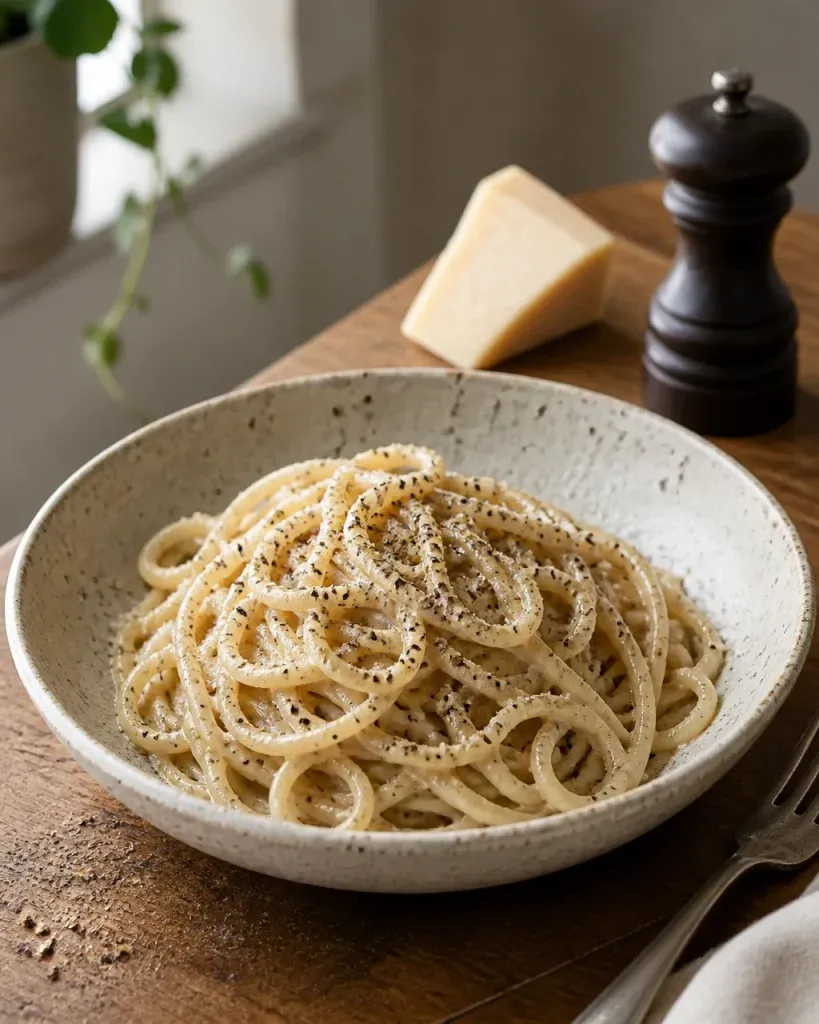
Cacio e pepe is pasta in its most convincing minimalist form: noodles, Pecorino Romano, black pepper, and a little pasta water doing a lot of heavy lifting. There is nowhere for a mistake to hide, but there is also no need for fancy equipment or a long shopping list. Use the right heat, control the starch, and let fresh pepper bring the drama. This is one of those healthy dinner ideas that feels far more luxurious than the effort suggests.
Tips & Technique: Make the Emulsion, Not a Cheese Puddle
Treat pepper as a flavor ingredient
Do not sprinkle ground pepper over the finished pasta and call it a day. Freshly cracked pepper has a livelier aroma, more texture, and a sharper bite than pre-ground pepper that has been sitting in a jar since who-knows-when.
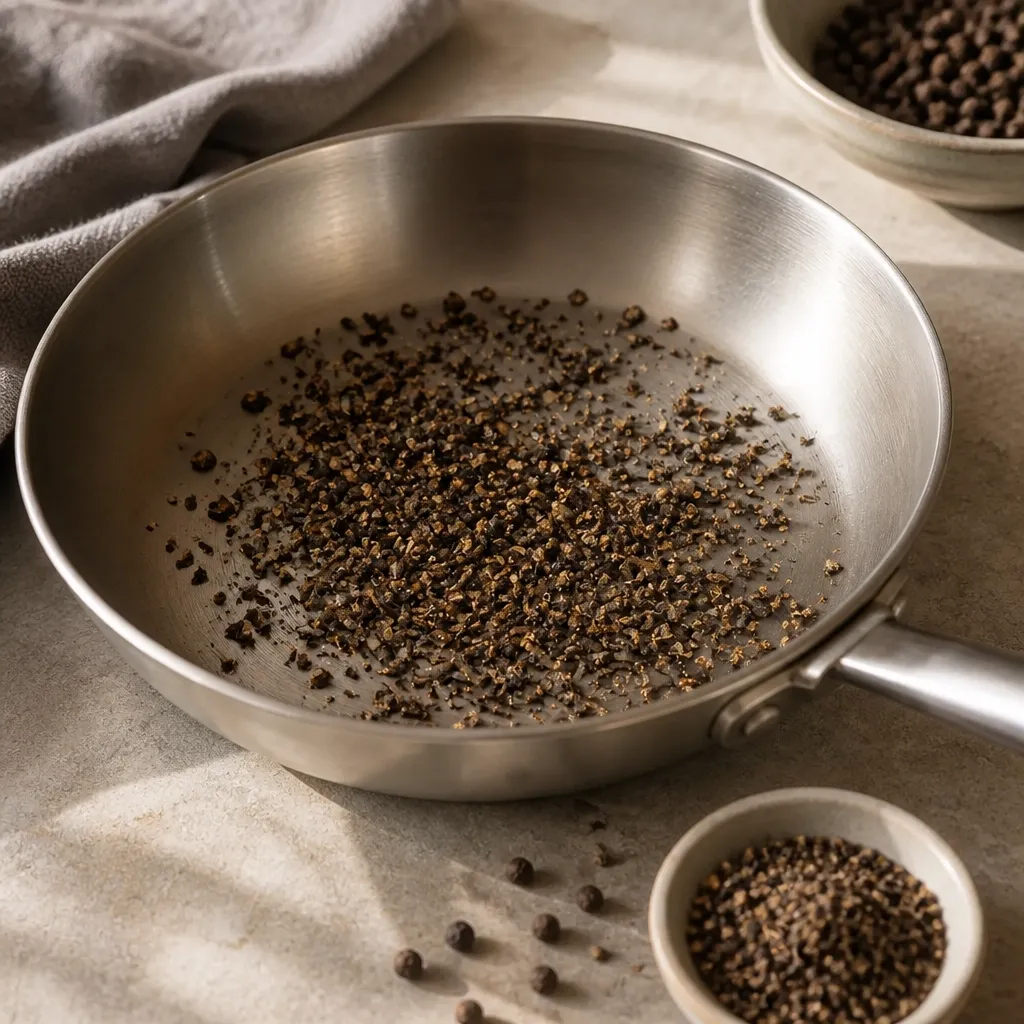
Toast whole peppercorns briefly in a dry skillet over medium-low heat. The gentle heat wakes up their aromatic oils and deepens their flavor. Stop as soon as the pepper smells fragrant. Burnt pepper becomes bitter, and bitter pepper is a poor dinner companion.
Crack the pepper coarsely rather than grinding it into a fine powder. Larger pieces create little bursts of heat throughout the pasta, while the finer dust settles into the sauce and helps season it evenly. Use a mortar and pestle, a pepper mill on its coarsest setting, or the bottom of a small pan. Cooking should not require laboratory equipment.
Save the cloudy water
Pasta water is not merely a backup plan for a dry sauce. It is part of the sauce.
As pasta cooks, it releases starch into the water. That starch helps water and cheese fat stay together, creating the smooth coating that makes cacio e pepe feel creamy without cream. The more concentrated the water, the more useful it becomes, so avoid cooking a small amount of pasta in an enormous ocean of water if you want maximum starch.
Reserve plenty of the cloudy cooking water before draining. Take it while the pasta is still cooking, when the water has had enough time to collect starch but before the pot becomes too salty or reduced. Keep it warm, but do not pour it straight from a furious boil onto the cheese.
Grate the cheese finely
Use finely grated Pecorino Romano. A fluffy, powdery grate gives the cheese more surface area, allowing it to disperse into the water with fewer stubborn clumps. Thick shreds melt unevenly and are more likely to form strings or little rubbery islands.
Avoid pre-grated cheese when possible. It may contain anti-caking agents, and those powders can interfere with the smooth texture you are trying to build. Freshly grated cheese takes only a few extra minutes and gives you better control over saltiness, aroma, and consistency.
Pecorino Romano is traditional because it brings a salty, savory, sheep’s-milk flavor that stands up to black pepper. Parmesan can work in a pinch, but it is milder and slightly sweeter. If you use it, taste carefully before adding more salt.
Keep the temperature below the danger zone
The most important non-negotiable is heat control. Do not combine finely grated cheese with boiling water or a ripping-hot pan.
Cheese contains proteins and fat. When those proteins are exposed to too much heat, they tighten and clump, forcing the fat and water to separate. That is how you end up with grainy cheese, oily patches, and a sauce that looks like it has lost an argument.
Aim for warm rather than boiling water. Around 55–60°C is a useful target for building the cheese mixture, as research into the phase behavior of cacio e pepe explains in this study from Physics of Fluids. You do not need to wave a thermometer over the bowl like a scientist in a pasta lab. Let freshly reserved water cool briefly, or temper it by mixing it with a small splash of cooler water.
Build a smooth cheese paste first
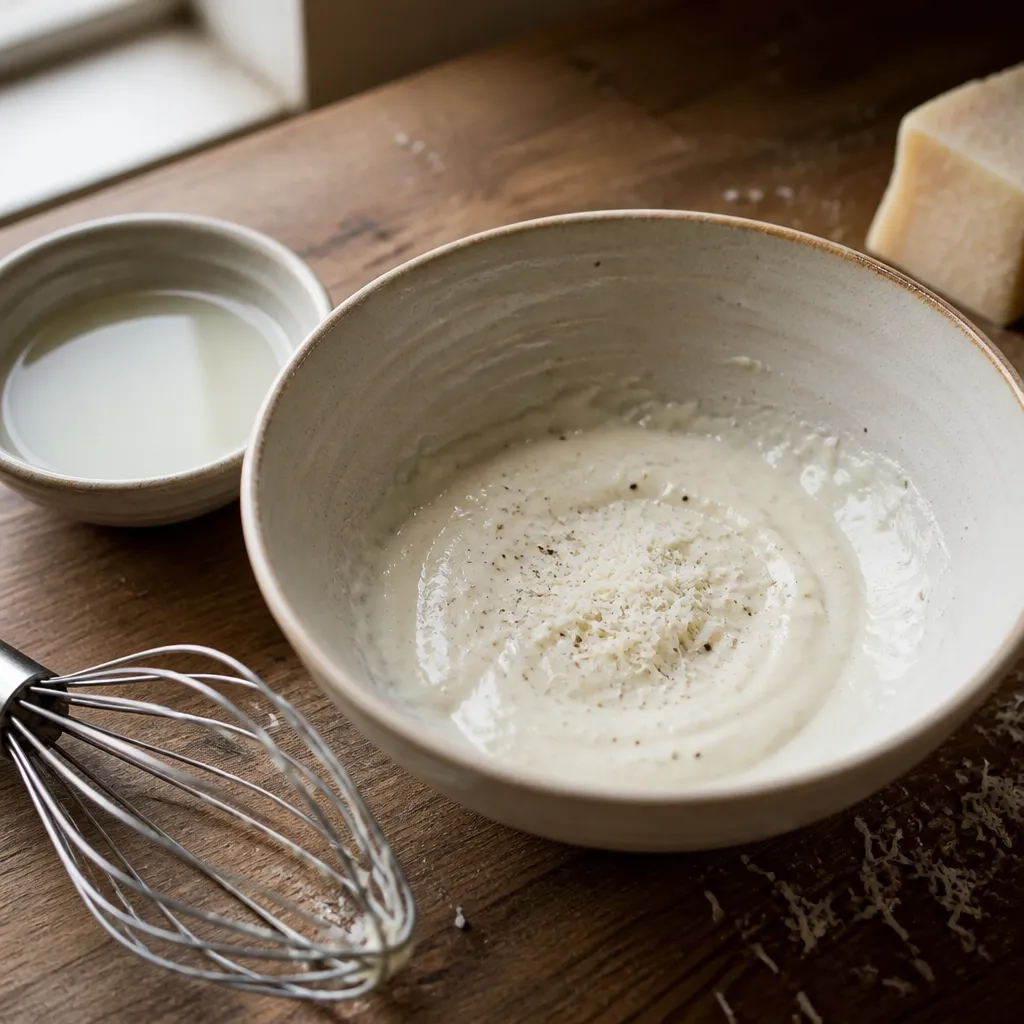
Do not drop dry cheese directly onto hot noodles and hope for a miracle. Create a smooth, pourable paste by gradually whisking warm pasta water into the finely grated Pecorino.
Add the water slowly and stir continuously. This gives the cheese time to hydrate and disperse instead of seizing on contact. Begin with a modest amount and adjust until the mixture resembles thick cream or a loose paste. If it looks lumpy before it reaches the pasta, it will not magically become silky later.
A useful starting point is roughly equal weights of finely grated cheese and warm water, then adjust from there. The final amount depends on the pasta shape, the starchiness of your water, and how generously you like your sauce.
Toss off the heat
Drain the pasta while it is still firm and transfer it to the warm pepper skillet, but take the pan off the heat before adding the cheese paste. Toss the noodles with the pepper first, then add the cheese mixture gradually while lifting and turning the pasta.
Motion matters. Tossing distributes the cheese, water, and starch across every strand. It also helps the sauce thicken evenly rather than settling in the bottom of the pan. Think of it as a warm, edible vinaigrette: the ingredients need movement to emulsify.
Add warm pasta water a little at a time until the sauce looks glossy and fluid. It should cling to the noodles without becoming thick or gluey. Work quickly, but do not panic. Cacio e pepe rewards calm hands and punishes aggressive heat.
Judge the sauce by its texture
Look for a silky coating that moves when you tilt the bowl. The sauce should not sit in a heavy mound, and it should not pool like soup.
Serve immediately because starch continues to absorb liquid as the pasta cools. If the dish tightens before it reaches the table, loosen it with another small splash of warm water and toss again. That is not a failure; it is normal pasta physics wearing a tiny Italian hat.
Variations: Keep the Balance, Change the Mood
Classic cacio e pepe is intentionally spare, so additions should support the balance rather than bury it.
- Use a different pasta shape. Spaghetti and tonnarelli are traditional, but bucatini gives you a wonderfully chewy center. Short shapes such as rigatoni catch pepper and cheese in their ridges. Choose a shape that holds sauce rather than one with a perfectly smooth surface.
- Add lemon zest. A small amount of finely grated lemon zest brings bright citrus oils without adding liquid. Use it when the cheese tastes especially rich or salty. The freshness cuts through the sauce without turning the dish into lemon pasta.
- Bring in greens. Fold in a handful of baby arugula or finely sliced kale at the end. Arugula adds peppery bitterness, while kale brings more chew. Keep the amount modest so the cheese and toasted pepper remain the focus.
- Try a gentle chile variation. Add a pinch of dried chile while toasting the pepper, but avoid overpowering the dish. Chile adds heat; it does not replace the floral, woody aroma of black pepper.
- Make it vegetarian-friendly by default. The classic dish contains no meat, making it an easy choice for a meat-free dinner. Pair it with vegetables that offer acidity, bitterness, or crunch instead of more richness.
For more low-effort inspiration, browse Cookpedia’s simple pasta collection and vegetarian dinner recipes.
Side Dish Pairings: Add Contrast, Not Competition
Cacio e pepe is rich, salty, and soft, so choose sides that wake up the plate.
Serve a sharp arugula salad with lemon vinaigrette for bitterness and acidity. The lemon cuts through the Pecorino, while the greens give your fork something fresh to do between bites.
Roast or grill asparagus, broccolini, or green beans until the edges pick up a little char. A crisp vegetable side works especially well if you are planning air fryer recipes dinner and want to keep the oven switched off. Finish the vegetables with lemon juice rather than extra cheese.
Add crusty bread only if you are committed to the sauce-mopping lifestyle. It is delicious, but pasta already brings plenty of starch to the party. A simple tomato salad is another good option because its acidity keeps the overall meal from feeling heavy.
Frequently Asked Questions
Why did my cacio e pepe turn grainy?
Your cheese probably overheated, or the water phase did not contain enough starch to support the emulsion. Remove the pan from the heat immediately and add a splash of warm, slightly cooler pasta water while tossing firmly. Sometimes the sauce can be brought back together.
For next time, grate the Pecorino more finely, cool the pasta water briefly, and make the cheese paste separately before combining it with the pasta. Avoid adding cheese to a pan that is still sitting over high heat. That shortcut is the usual culprit.
What if the sauce is too thick?
Add warm pasta water gradually and toss after each addition. The starch will loosen the sauce while helping it remain attached to the noodles. Do not pour in a large amount at once; you may swing from creamy to watery before the pasta has a chance to absorb and emulsify.
If the pasta has been sitting for several minutes, expect to need more water. Starch keeps absorbing moisture as the dish cools.
What if my sauce is watery?
Keep tossing off the heat for a few moments. The noodles may absorb some of the excess liquid, and the starch will help the sauce tighten.
If it remains loose, return the pan to the lowest possible heat for a very short time while tossing continuously. Do not boil the sauce. High heat can make the cheese seize, turning a watery problem into a grainy one. Serve the pasta in a warm bowl so it does not cool too quickly.
Can I use Parmesan instead of Pecorino Romano?
Yes, but expect a gentler, less salty flavor. Parmesan can create a pleasant sauce, though its texture and melting behavior are a little different. Use a finely grated wedge rather than shelf-stable powdered cheese.
You can also combine Parmesan with Pecorino for a milder result. Taste before adding salt because both cheeses bring plenty of seasoning on their own.
Why does my pasta water taste too salty?
The water may have been heavily salted, or it may have reduced considerably while the pasta cooked. Because Pecorino Romano is already salty, use lightly seasoned cooking water and taste before adding any extra salt to the sauce.
If the reserved water is aggressively salty, dilute it with a little plain warm water. The goal is to season the pasta while leaving enough room for the cheese to finish the job.
Can I reheat cacio e pepe?
You can, but the texture is best straight from the pan. Refrigeration firms up the cheese and allows the pasta to absorb more moisture.
Reheat gently in a skillet with a splash of water. Toss over low heat until the sauce loosens, and avoid the microwave if you can. Direct, uneven heat tends to separate the cheese. For busy households, this is better treated as a fast fresh meal than as one of your usual quick family meals.
What if I do not have a pepper mill?
Crush whole peppercorns with a mortar and pestle, the bottom of a small saucepan, or a rolling pin. Use a sealed bag if you choose the rolling-pin method and stop when the pieces are coarse. Pre-ground pepper will still make dinner, but freshly cracked pepper gives this simple dish its personality.
When you want more approachable weeknight cooking ideas, visit Cookpedia’s quick meals and healthy recipe collection. The same rule applies everywhere: control the heat, taste as you go, and let a few good ingredients do their work.