Recipe
Servings
Servings 1×
Ingredients
- Salmon
- Shrimp
- Pasta
- Noodles
- Bread
- Broccoli
- Asparagus
- Zucchini
- Spinach
- Peas
- Garlic
- Lemon
- Cream
- Hard cheese
- Butter
Method
- Prepare the ingredients described in the article and heat the cooking surface or oven as directed.
- Cook the main ingredients using the heat and timing guidance in the article.
- Finish with the seasonings and garnishes named in the article, then serve.
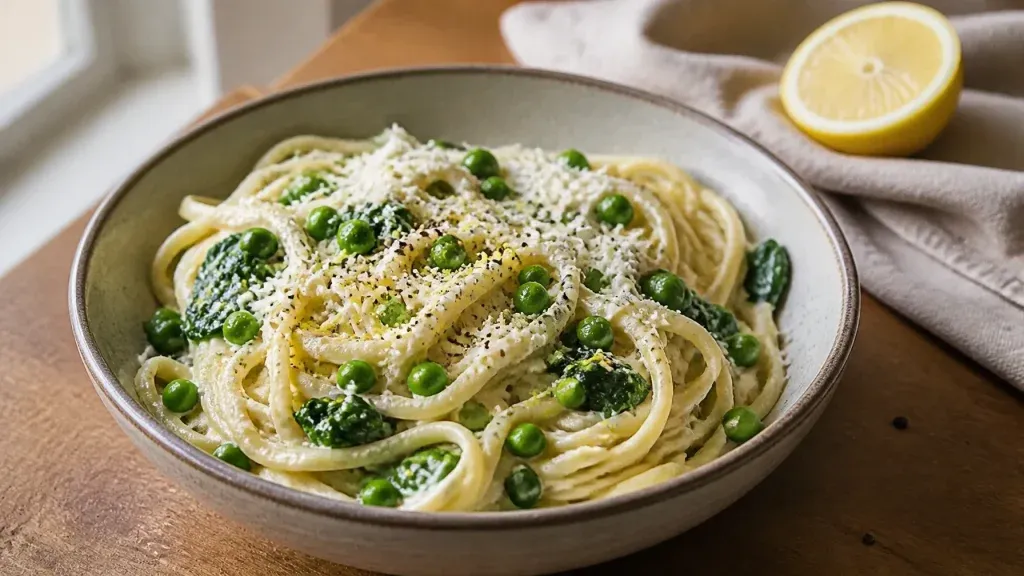
If you think weeknight cooking requires sacrificing flavor for speed, let me introduce you to one of my absolute favorite simple pasta recipes. When you want a vibrant bowl of comfort that comes together in minutes, this creamy lemon butter pasta with asparagus and peas is unmatched. It delivers restaurant-quality elegance right to your kitchen table without chaining you to the stove for hours. Whether you are hunting for quick healthy meals or trying to upgrade your standard rotation of healthy weeknight dinners, this dish hits every single mark.
The Science of Silkiness: Tips & Technique
If your cream sauces ever break into an oily, watery mess, blame the science of emulsions: and fix your technique immediately. Building a silky, luxurious sauce is not about luck; it is pure kitchen chemistry.
First, master your pasta water. As noodles boil, starch leaches into the cooking water. Reserve at least a cup of this liquid gold before draining your pasta. When you toss hot noodles with your sauce, the starches act as a natural emulsifier, binding the fat in the butter and cream to the water molecules. Without it, your sauce slides right off the noodles like rain on a windshield. Use this starchy water liberally to adjust thickness.
Second, respect your green vegetables. Asparagus and peas contain chlorophyll, which turns drab and gray if subjected to prolonged, unmonitored heat. Drop asparagus pieces and peas into the boiling pasta water for only the final minute or two of cooking. Alternatively, place frozen peas in your colander and drain the boiling pasta and asparagus directly over them. The residual heat cooks them to a crisp-tender, vibrant green perfection without destroying their cell walls or dulling their bright color.
Third, pay close attention to lemon chemistry. Acid reacts violently with dairy if introduced incorrectly, causing proteins to clump and curdle. Never dump lemon juice into boiling heavy cream over high heat. Instead, add lemon zest early to infuse the butter with essential aromatic oils, but reserve the fresh juice for the very end. Take your pan off direct high heat before stirring in the cream and lemon juice. This gentle temperature drop keeps your sauce velvet-smooth and bright, providing that essential acidity that cuts through the rich butter.
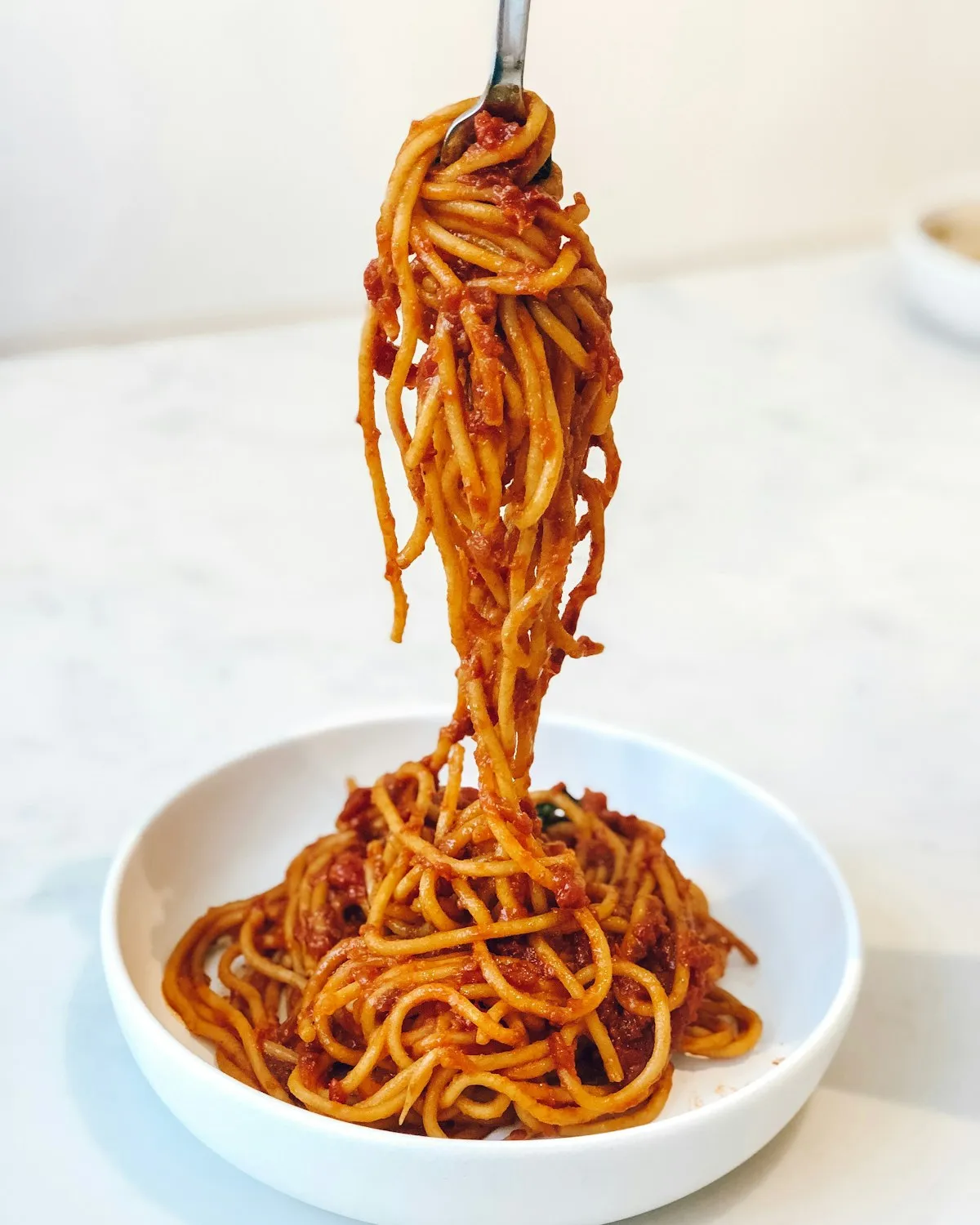
Finally, avoid overcooking your pasta. Boil your noodles strictly until al dente. They will continue cooking slightly when tossed in the hot pan with your sauce. If you start with mushy pasta, no amount of cream or cheese can save the texture. Embrace these non-negotiables, and you will consistently master quick family meals that taste like they came from a high-end trattoria rather than a rushed Tuesday evening. Browse more of our favorite pasta recipes if you want to expand your weeknight repertoire.
Delicious Variations to Switch Things Up
Sticking to a recipe template is great for beginners, but improvising is where cooking becomes genuinely fun. If you want to transform this dish into different healthy dinner ideas, try swapping out or adding seasonal ingredients while keeping the core sauce technique intact.
For a protein boost, toss in pan-seared salmon flakes or sautéed shrimp. Check out our vegetarian dinner recipes if you want to keep things entirely plant-based by using cashew cream or nutritional yeast instead of heavy dairy.
If asparagus is out of season, swap it for tender baby spinach, broccolini, or sliced zucchini. Each vegetable brings its own structural nuance, but remember to adjust cooking times accordingly. Spinach wilts in seconds, whereas broccolini needs a bit more blanching time.
For a sharper flavor profile, trade Parmesan for aged Pecorino Romano, or finish the dish with toasted pine nuts and fresh mint leaves instead of basil or parsley. Small twists like these ensure your simple pasta recipes never feel repetitive, giving you endless flexibility for your quick healthy meals.
Thoughtful Side Dish Pairings
Even though this pasta is a complete meal in its own right, pairing it with the right side can elevate your dining experience from ordinary to extraordinary. Because creamy lemon butter pasta leans rich and velvety, you want to balance the plate with something crisp, acidic, and light.
Toss together a simple arugula salad dressed with a sharp lemon-shallot vinaigrette. The peppery bite of raw arugula and the aggressive acidity of the dressing act as a palate cleanser between rich, buttery bites of pasta.
You can also serve warm, crusty sourdough bread to mop up any leftover sauce at the bottom of your bowl: because wasting garlic-infused lemon butter is practically a culinary sin. For more inspiration on putting together healthy weeknight dinners, explore our curated collection of 30-minute meals. Keeping your sides bright and uncomplicated ensures your meal remains balanced without feeling heavy.
Frequently Asked Questions
Can I make this dish ahead of time?
Pasta does not hold up well to sitting in a creamy sauce over time; the noodles continue to absorb moisture until they turn soggy. If you must prep in advance, blanch your asparagus and peas and make the sauce components separately, but wait to boil your pasta and toss everything together right before serving.
What if my sauce turns out too watery?
Do not panic. If you added too much pasta water, simply simmer the pan over medium heat for an extra minute while stirring constantly. The excess moisture will evaporate, and the starches will concentrate, thickening the sauce back to a glossy coat.
Can I use frozen asparagus instead of fresh?
Avoid frozen asparagus if possible. Freezing ruptures the cellular structure of asparagus spears, turning them mushy and limp when thawed and heated. Stick to fresh asparagus for that signature crisp-tender snap, though frozen peas work exceptionally well.
How do I prevent my cream sauce from separating?
Separation happens when dairy proteins are exposed to excessive heat or too much direct acid too quickly. Always remove your pan from high heat before stirring in heavy cream and lemon juice. Maintaining a gentle temperature is the golden rule for smooth, un-split sauces in all your healthy dinner ideas.
{“@type”:”FAQPage”,”@context”:”https://schema.org”,”mainEntity”:[{“name”:”Can I make this dish ahead of time?”,”@type”:”Question”,”acceptedAnswer”:{“text”:”Pasta does not hold up well to sitting in a creamy sauce over time; the noodles continue to absorb moisture until they turn soggy. Prep components separately and combine right before serving.”,”@type”:”Answer”}},{“name”:”What if my sauce turns out too watery?”,”@type”:”Question”,”acceptedAnswer”:{“text”:”Simmer the pan over medium heat for an extra minute while stirring constantly so excess moisture evaporates and starches concentrate.”,”@type”:”Answer”}},{“name”:”Can I use frozen asparagus instead of fresh?”,”@type”:”Question”,”acceptedAnswer”:{“text”:”Avoid frozen asparagus because freezing ruptures its cellular structure, turning it mushy. Stick to fresh asparagus for a crisp-tender snap.”,”@type”:”Answer”}},{“name”:”How do I prevent my cream sauce from separating?”,”@type”:”Question”,”acceptedAnswer”:{“text”:”Remove your pan from high heat before stirring in heavy cream and lemon juice to prevent dairy proteins from curdling.”,”@type”:”Answer”}}]}