Recipe
Servings
Servings 1×
Ingredients
- Penne
- Pasta
- Mushrooms
- Peas
- Cream
- Salt
Method
- Use a wide skillet and don't overcrowd it.
- Add them to hot fat and leave them alone.
- Let them sit until they develop a dark, golden-brown crust.
- Use a vigorous tossing motion over medium-high heat.
If you’re staring at your pantry at 6:00 PM wondering how to turn a box of pasta into something that doesn’t taste like "I forgot to go grocery shopping," you’ve come to the right place. I’ve found that the best simple pasta recipes aren’t about complex lists of ingredients; they’re about understanding a few fundamental kitchen secrets. This Creamy Mushroom and Pea Penne is the ultimate weeknight hero: it’s fast, comforting, and remarkably sophisticated for something that relies on freezer staples and humble fungi.
Master the Sear and the Sauce
The difference between a "good" pasta and a "restaurant-quality" pasta lies in two scientific pillars: the Maillard reaction and the emulsion. If you’ve ever had mushroom pasta that tasted gray and muddy, it’s because the mushrooms were boiled in their own juices rather than seared.
The Magic of the Maillard Reaction
To get that deep, meaty flavor from mushrooms, you must embrace high heat and patience. When you slice your mushrooms: I recommend keeping them thick, about a quarter-inch: pat them dry with a paper towel. Excess moisture is the enemy of browning.
Use a wide skillet and don't overcrowd it. If you dump two pounds of mushrooms into a small pan, the temperature drops, the mushrooms release their water, and they’ll steam. Instead, work in batches. Add them to hot fat and leave them alone. Avoid the urge to toss them every ten seconds. Let them sit until they develop a dark, golden-brown crust. This is the Maillard reaction at work, creating complex savory compounds that transform a basic vegetable into a flavor powerhouse. Only add your salt after the browning has begun; salt draws out moisture, and adding it too early will turn your skillet into a soup.
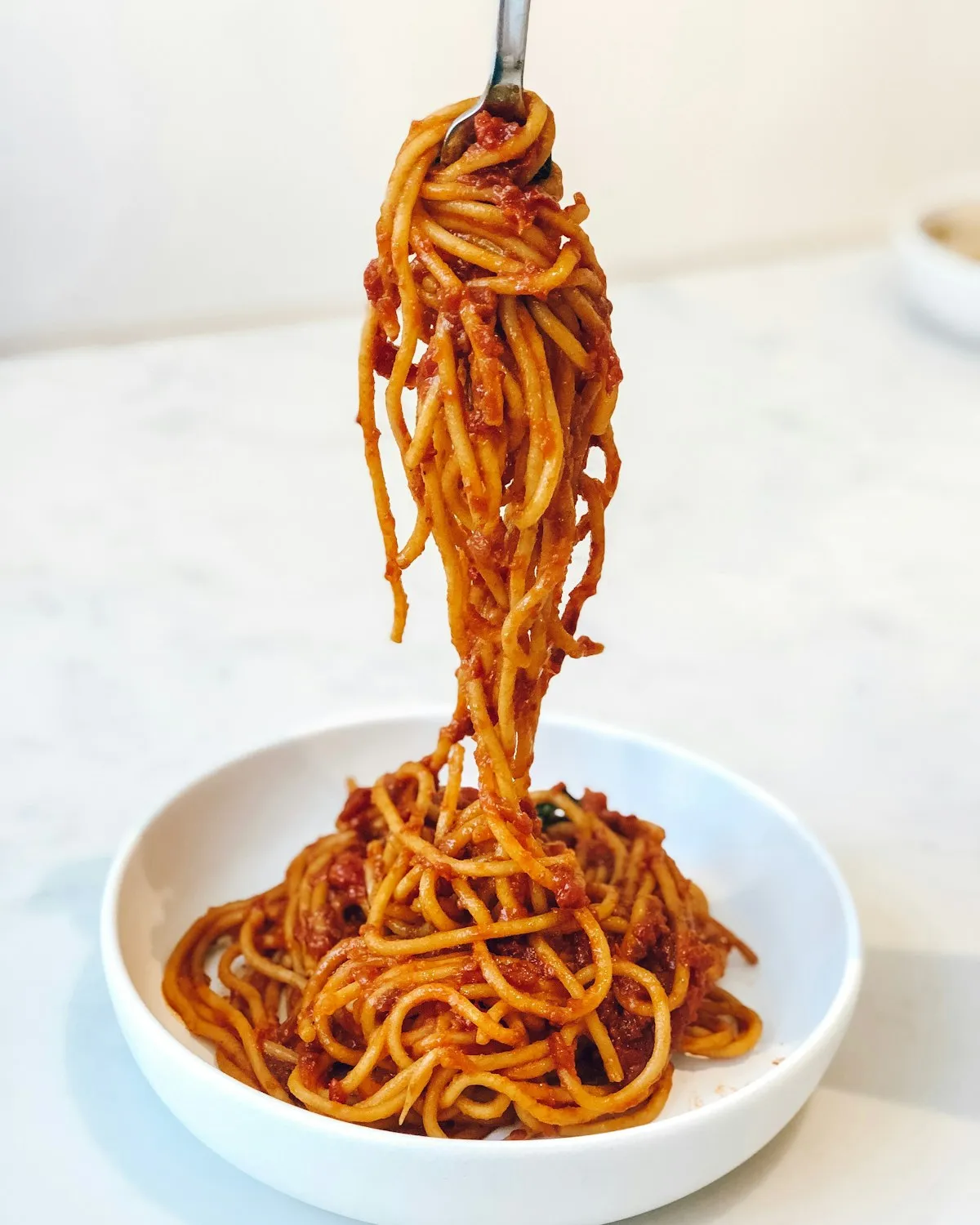
Science of the Silky Emulsion
Forget heavy, gloppy sauces that separate on the plate. A truly great creamy sauce is a stable emulsion of fat, starch, and liquid. This is why you must never, ever pour your pasta water down the drain. As pasta cooks, it releases amylose and amylopectin (starches) into the water. This liquid is "liquid gold" for easy dinner recipes.
When you combine your al dente penne with the mushrooms and peas, add a splash of that starchy water along with your cream or cheese. Use a vigorous tossing motion over medium-high heat. The mechanical action, combined with the starch, helps the fat molecules disperse evenly through the liquid. This creates a glossy, thick coating that clings to every ridge of the penne rather than pooling at the bottom of the bowl. Check the consistency as you go: if it looks oily, add more water; if it’s too thin, keep tossing.
Variations for Every Pantry
One of the reasons this is among my favorite budget friendly recipes is its sheer versatility. You can adapt the base to whatever you have on hand without losing the soul of the dish.
- The Protein Boost: If you need a more substantial meal, add some seared chicken breast or even flaked smoked salmon at the very end. The saltiness of the salmon pairs beautifully with the sweetness of the peas.
- The Vegan Switch: You don't need dairy to achieve creaminess. Use a high-quality cashew cream or a splash of full-fat coconut milk. To replicate the savory "umami" of parmesan, stir in a tablespoon of nutritional yeast and a squeeze of lemon juice to provide the necessary acidity.
- Mushroom Diversity: While cremini (baby bellas) are the standard for their reliable texture, don't be afraid to mix in shiitake for earthiness or oyster mushrooms for a delicate, velvety bite.
- Aromatic Upgrades: If you have fresh herbs like thyme or tarragon, add them during the last minute of browning the mushrooms. Tarragon, in particular, has a slight anise flavor that makes peas taste incredibly fresh.
Perfect Pairings for Balance
Because this pasta is rich and earthy, you need something to cut through that density. Balance is everything in a well-composed meal.
Avoid serving this with another heavy, starchy side. Instead, reach for acidity. A simple arugula or spinach salad dressed with nothing but lemon juice, extra virgin olive oil, and a pinch of sea salt is the perfect companion. The peppery bite of the arugula resets your palate between mouthfuls of creamy pasta.
If you’re a fan of bread, choose a crusty sourdough. The fermentation of the bread provides a subtle tang that complements the savory mushrooms. For wine lovers, a crisp, dry white wine like a Pinot Grigio or a lightly oaked Chardonnay works wonders. The acidity in the wine acts like the lemon in the salad, lifting the entire flavor profile of the meal.
Frequently Asked Questions
Can I use fresh peas instead of frozen?
Absolutely, but keep the timing in mind. Frozen peas are usually blanched before freezing, so they only need a minute or two to warm through. Fresh peas take a bit longer: about 3 to 5 minutes depending on their size. Add them to your boiling pasta water during the last few minutes of cooking to ensure they are tender but still "pop" when you bite them.
What if my sauce becomes grainy?
Graininess usually happens if you add cheese to a pan that is too hot, causing the proteins in the cheese to clump together. To fix this, take the pan off the heat immediately. Add a small splash of cool pasta water and whisk vigorously. For future attempts, always grate your own cheese from a block; pre-shredded cheeses are coated in potato starch or cellulose to prevent clumping in the bag, which can interfere with a smooth melt.
Can I make this in advance?
Pasta is always best served fresh because the noodles continue to absorb liquid as they sit. If you must make it ahead, undercook the pasta even more than usual (leave it very firm). When you’re ready to serve, reheat it in a pan with an extra splash of water or milk to loosen the sauce back into an emulsion.
Which mushroom is best for a budget?
White button mushrooms are the most budget friendly recipes option, but cremini (brown) mushrooms have a slightly lower water content and a deeper flavor for only a few cents more. If you really want to save, look for "ugly" or "imperfect" mushroom packs: once they are sliced and seared, no one will know the difference.
Why is my pasta sticking together?
Use a large enough pot and plenty of salt. Do not add oil to your pasta water; it prevents the sauce from sticking to the noodles later. The best way to prevent sticking is to stir the pasta frequently during the first two minutes of boiling and to move it directly from the water into the sauce as soon as it's ready.
{“@type”:”BlogPosting”,”image”:[“https://cdn.marblism.com/QpKUZcY7RAY.webp”,”https://cdn.marblism.com/b8QeOrhnAvO.webp”,”https://cdn.marblism.com/4ovxAA50S9s.webp”,”https://cdn.marblism.com/k_wPhOXHlfU.webp”],”author”:{“name”:”Penny”,”@type”:”Person”},”@context”:”https://schema.org”,”headline”:”Simple Pasta Recipes: Creamy Mushroom and Pea Penne”,”publisher”:{“logo”:{“url”:”https://cookpedia.com/logo.png”,”@type”:”ImageObject”},”name”:”Cookpedia”,”@type”:”Organization”},”description”:”A guide to making the perfect creamy mushroom and pea penne using science-based tips for better browning and silky emulsions. Perfect for quick and budget-friendly weeknight dinners.”,”datePublished”:”2026-07-19″,”mainEntityOfPage”:{“@id”:”https://cookpedia.com/simple-pasta-recipes-mushroom-pea-penne”,”@type”:”WebPage”}}