Recipe
Servings
Servings 1×
Ingredients
- Shrimp
- Pasta
- Noodles
- Spinach
- Garlic
- Lemon
- Cream
- Butter
- Cooking oil
- Black pepper
Method
- Prepare the ingredients described in the article and heat the cooking surface or oven as directed.
- Cook the main ingredients using the heat and timing guidance in the article.
- Finish with the seasonings and garnishes named in the article, then serve.
There is a specific kind of magic that happens when you combine long noodles, butter, and garlic. It’s the ultimate weeknight "fast food," but it feels like a total luxury. If you’re like me, your kitchen is often a whirlwind of activity, and you need quick family meals that don’t require a culinary degree or three hours of your life. This Creamy Garlic Shrimp Linguine is my go-to when I want something that looks like it belongs in a coastal bistro but only takes twenty minutes to pull together. It’s light, vibrant, and surprisingly sophisticated for how little effort it actually takes.
The Science of the "Liquid Gold" Emulsion
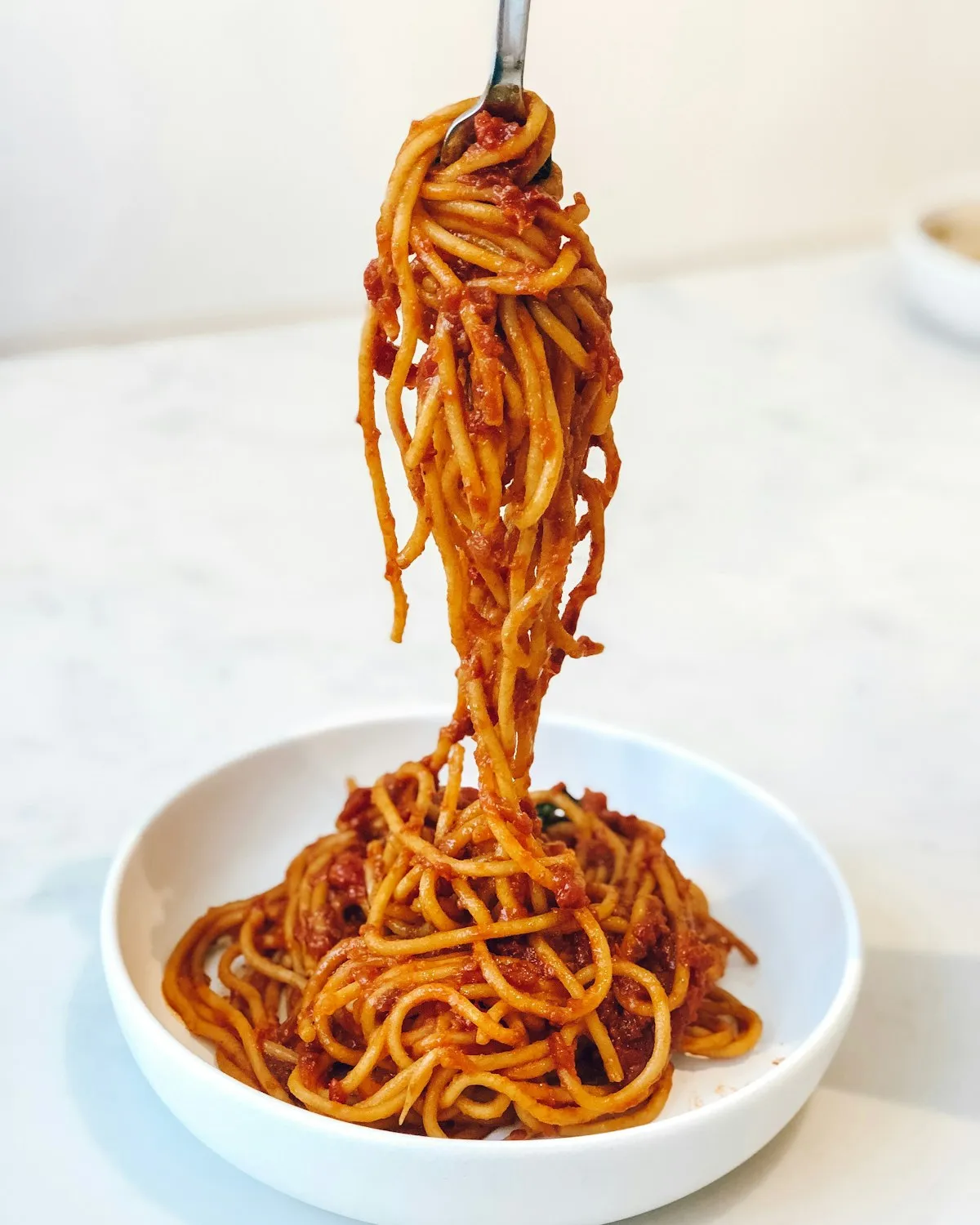
When I talk about "creamy" pasta, I’m rarely talking about heavy cream. In my kitchen, the creaminess comes from a bit of food science. The secret is the pasta water: what I like to call "liquid gold." As your linguine boils, it releases amylose and amylopectin (starch) into the water. When you toss that cloudy water into a pan with fat (like butter or olive oil), those starch molecules act as emulsifiers. They grab onto the fat droplets and the water, creating a cohesive, silky sauce that clings to every strand of pasta instead of sliding off into a greasy pool at the bottom of the bowl.
Mastering the Shrimp Sear
Shrimp are the sprinters of the protein world; they cook incredibly fast and will turn into rubber erasers if you blink. To get that perfect, snappy bite, you must pat them completely dry before they hit the pan. Moisture is the enemy of a good sear. If your shrimp are wet, they’ll steam in their own juices rather than caramelizing. Use a wide pan so you don’t crowd them; if the shrimp are touching, the pan temperature will drop, and you’ll lose that beautiful Maillard reaction: the chemical reaction between amino acids and reducing sugars that gives browned food its distinctive flavor.
Garlic Timing: The Bitter Truth
Garlic is the heart of this dish, but it’s a sensitive soul. If you burn it, the entire sauce turns bitter and acrid. I recommend starting your garlic in a pan that isn't screaming hot. Let it infuse the oil slowly. You’re looking for "fragrant and pale," not "golden and crispy." The goal is to release the sulfur compounds and sugars gently so they melt into the sauce. If you see the garlic edges turning dark brown, add your liquid immediately to stop the cooking process. It’s a delicate balance, but mastering it is what separates a home-cooked meal from a professional-grade quick meal.
Finishing the Sauce
Once your pasta is just under al dente, move it directly from the pot to the skillet. Don’t worry about shaking off every drop of water; in fact, you want some of that starchy goodness to follow the noodles. This is where the "mantecatura" happens: the vigorous tossing of the pasta in the sauce. This physical agitation helps the emulsion form. If the sauce looks too thick, add more pasta water. If it looks too thin, keep tossing. Trust the process; the sauce will thicken as the starch hydrates and the heat evaporates the excess moisture. Check out our healthy dinner ideas for more ways to use this emulsion technique with different proteins.
Flavor Variations for Every Mood
The beauty of a simple garlic and shrimp base is that it’s a blank canvas for your kitchen creativity.
- The Spicy Kick: If you like a bit of heat, add a generous pinch of red pepper flakes when you sauté the garlic. The capsaicin dissolves in the fat, distributing a consistent, glowing warmth throughout the whole dish.
- The Zesty Brightness: For a lighter feel, double the lemon zest and add a handful of baby spinach at the very end. The residual heat will wilt the greens in seconds, adding a punch of nutrients without any extra cooking time. This makes for one of those perfect healthy dinner ideas that kids actually enjoy.
- The Garden Fresh: If you have an herb garden, don’t stop at parsley. Fresh basil or even a hint of mint can transform the dish into something entirely different and seasonally appropriate.
Side Dish Pairings: Balancing the Richness
Since this pasta is rich with butter and garlic, you want side dishes that provide a sharp contrast. You need acidity to cut through the fat and refresh your palate between bites.
- Arugula Salad: A simple salad of peppery arugula, lemon juice, and shaved parmesan is the classic choice. The bitterness of the greens and the citrus acidity perfectly balance the buttery linguine. You can find our Zesty Arugula Salad guide for the perfect proportions.
- Roasted Asparagus: If you want something warm, thin asparagus spears roasted with a splash of balsamic vinegar work wonders. The earthy, charred notes of the vegetable add depth to the meal.
- Crusty Sourdough: While it’s more starch, a piece of toasted sourdough is practically mandatory for mopping up any leftover garlic butter sauce.
Frequently Asked Questions
Can I use frozen shrimp?
Absolutely! In fact, most "fresh" shrimp at the grocery store were previously frozen anyway. The key is to thaw them completely in a bowl of cold water and: I cannot stress this enough: pat them bone-dry before cooking. If they are even slightly damp, they will steam and become chewy rather than seared.
Why did my sauce separate and look greasy?
This usually happens for one of two reasons: not enough pasta water or too much heat. If the sauce breaks, it means the emulsion has failed. To fix it, add a tablespoon of hot pasta water and whisk or toss vigorously over medium heat. The extra starch and agitation should help pull the fat back into the liquid network.
Is linguine the only option?
Linguine is traditional because its flat surface provides more area for the sauce to cling to compared to round spaghetti, but any long pasta will work. If you prefer short shapes, fusilli is great because the sauce gets trapped in the spirals. Just ensure you’re using a high-quality bronze-die pasta if possible, as it has a rougher surface that holds sauce better.
What if I don't have fresh parsley?
While fresh parsley adds a necessary "green" hit to the flavor profile, you can substitute it with fresh chives or even a small amount of dried parsley in a pinch. However, if you're looking for quick family meals, keeping a bunch of fresh herbs in the fridge is one of the best ways to elevate simple cooking.
Can I make this in an air fryer?
While you have to boil the pasta on the stove, you can actually cook the seasoned shrimp in the air fryer at 400°F (200°C) for about 5-6 minutes. It’s a great way to get a consistent cook if you're busy multitasking. We have plenty of other air fryer recipes dinner fans will love for those nights when the stovetop feels like too much work.
{“@type”:”BlogPosting”,”image”:”https://cdn.marblism.com/6YdL3E64owN.webp”,”author”:{“name”:”Cookpedia AI Writer”,”@type”:”Person”},”@context”:”https://schema.org”,”headline”:”Simple Pasta Recipes: Creamy Garlic Shrimp Linguine with Fresh Parsley”,”publisher”:{“logo”:{“url”:”https://cookpedia.com/logo.png”,”@type”:”ImageObject”},”name”:”Cookpedia”,”@type”:”Organization”},”description”:”Learn the science behind the perfect Creamy Garlic Shrimp Linguine. A quick family meal that uses starchy pasta water to create a silky, buttery sauce without heavy cream.”,”datePublished”:”2026-07-18″}