Recipe
Servings
Servings 1×
Ingredients
- Chicken
- Tofu
- Chickpeas
- Penne
- Pasta
- Broccoli
- Asparagus
- Spinach
- Tomatoes
- Garlic
- Lemon
- Balsamic vinegar
- Cream
- Hard cheese
- Cooking oil
- Salt
- Black pepper
Method
- Use high heat and don't overcrowd the pan.
- Add your garlic and tomato paste directly to the residual fat (use the oil from the sun-dried tomato jar for an extra boost).
- Add your parmesan at the very end, off the heat, so it melts gently into the sauce rather than clumping.
If you have ever stared at a half-empty pantry on a Tuesday night wondering how to turn a box of pasta into a five-star meal, you are in the right place. This creamy sun-dried tomato and chicken penne is my go-to when I want maximum flavor with minimal effort. It is one of those simple pasta recipes that feels like a warm hug but looks fancy enough to serve to guests. I love how the punchy, concentrated sweetness of the tomatoes cuts through the velvet-smooth cream sauce. It is fast, reliable, and practically foolproof if you know a few kitchen secrets.
The Science of Flavor: Tips & Technique
To master this dish, you need to understand that flavor isn't just about what you put in the pan; it is about how you treat the ingredients once they are there. Most people treat easy dinner recipes as a "dump and stir" affair, but a few scientific tweaks will take your pasta from "okay" to "extraordinary."
1. The Maillard Reaction and the Magic of Fond
First, let’s talk about your chicken. Use high heat and don't overcrowd the pan. When you sear the chicken, you are triggering the Maillard reaction: a chemical reaction between amino acids and reducing sugars that gives browned food its distinctive flavor. Those little brown bits stuck to the bottom of your skillet? That is called fond, and it is concentrated gold. Never wash that pan mid-recipe. When you later add your liquid (deglazing), those bits dissolve and become the savory backbone of your sauce.
2. Blooming for Depth
Before you pour in the cream, you must "bloom" your aromatics. Add your garlic and tomato paste directly to the residual fat (use the oil from the sun-dried tomato jar for an extra boost). Cooking the paste until it turns from bright red to a deep brick red caramelizes the sugars and unlocks fat-soluble flavor compounds. This step ensures your sauce has a deep "bass note" of tomato rather than a raw, metallic tang.
3. The Emulsification Secret
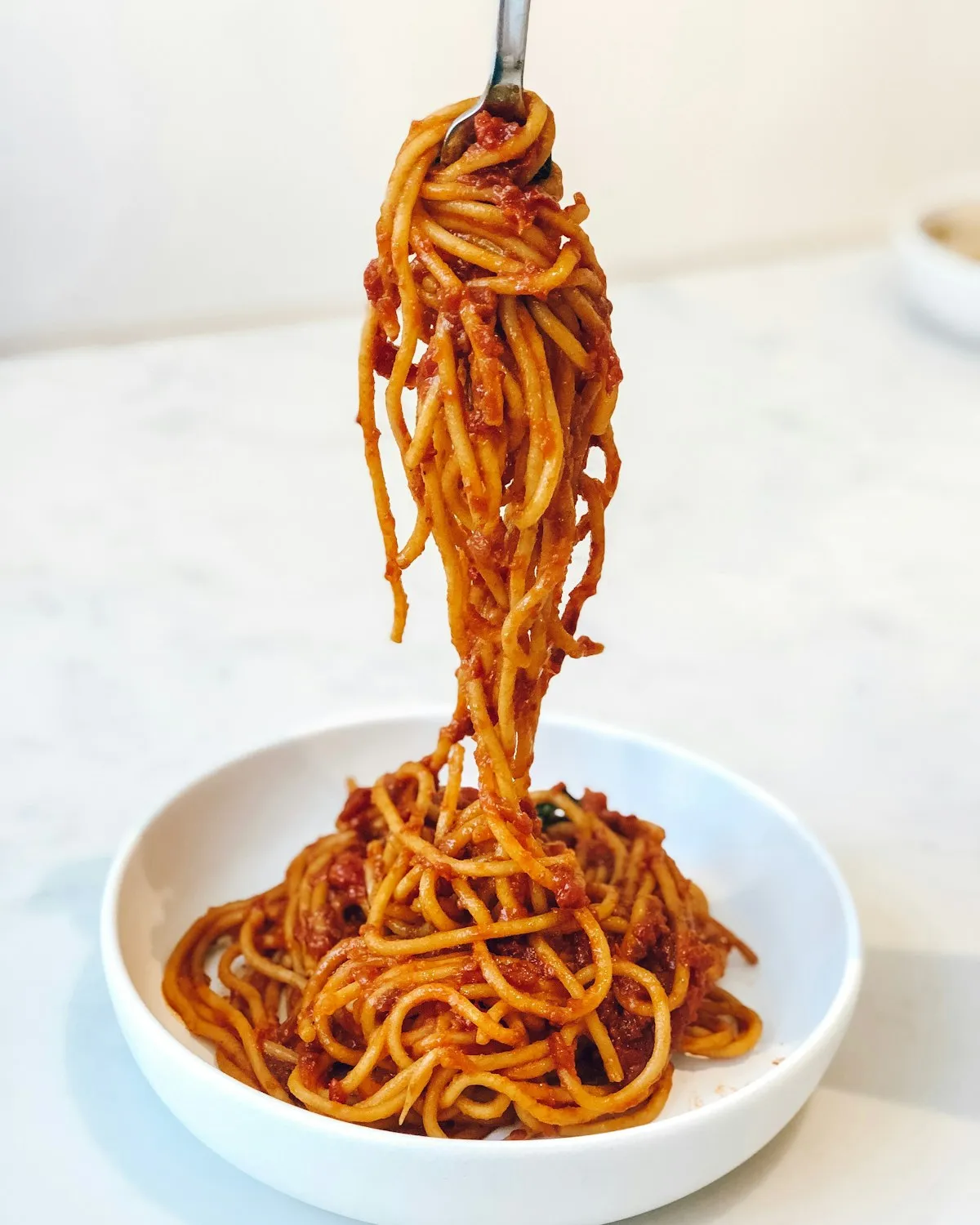
The difference between a greasy sauce and a glossy, restaurant-quality one is emulsification. Never throw away your pasta water! As the penne boils, it releases amylose starch into the water.
When you toss your undercooked pasta into the sauce with a splash of that starchy liquid, the starch acts as a bridge, binding the fats (cream and tomato oil) to the water-based components. Agitate the pan vigorously. This physical movement, combined with the starch, creates a stable, silky emulsion that clings to every ridge of the penne.
4. Heat Control and Stability
Dairy is temperamental. If you boil heavy cream too hard or add cheese to a bubbling cauldron, the proteins will tighten and squeeze out the fat, leaving you with a split, grainy mess. Reduce your heat to medium-low before adding the cream. Add your parmesan at the very end, off the heat, so it melts gently into the sauce rather than clumping.
Flavor Variations and Adjustments
One of the reasons this is among my favorite quick healthy meals is its versatility. You can easily tweak the profile based on what is in your fridge.
- The Spicy Kick: If you like heat, add half a teaspoon of red pepper flakes during the blooming phase. The oil will carry that heat evenly throughout the dish.
- The Plant-Based Pivot: Swap the chicken for pan-seared chickpeas or smoked tofu. For the cream, a blend of soaked cashews and water provides a similar richness and high protein content without the dairy.
- The Green Goddess: Stir in two large handfuls of fresh baby spinach at the very end. The residual heat from the pasta will wilt it in seconds, adding a fresh, earthy balance to the rich sun-dried tomatoes.
- Texture Contrast: Add toasted pine nuts or slivered almonds just before serving. The crunch provides a necessary break from the soft textures of the cream and pasta.
- Zest it Up: A grating of fresh lemon zest right before serving provides a high-frequency aromatic lift that cuts through the heavy cream.
Perfect Side Dish Pairings
Because this pasta is inherently rich and savory, your side dishes should focus on acidity and crunch to provide balance. You want something that cleanses the palate between bites of creamy goodness.
- Arugula and Balsamic Salad: A simple bed of peppery arugula tossed with a sharp balsamic vinaigrette is the ultimate partner. The bitterness of the greens and the acidity of the vinegar slice right through the fat of the cream sauce.
- Garlic Broccolini: Sauté broccolini with plenty of lemon juice and red pepper flakes. The snap of the stalks adds a textural element that the soft penne lacks.
- Roasted Asparagus: A quick blast in the oven with salt and a drizzle of olive oil creates charred tips that complement the smokiness of the sun-dried tomatoes.
- Crusty Sourdough: While not "light," a piece of toasted sourdough is essential for mopping up any leftover sauce at the bottom of the bowl. Don't let a single drop of that emulsified gold go to waste!
Frequently Asked Questions
Why did my cream sauce split and look oily?
This usually happens for two reasons: high heat or high acidity. If you let the sauce reach a rolling boil after adding the cream, the emulsion breaks. Also, if your sun-dried tomatoes are particularly acidic, they can curdle the milk proteins. To fix a split sauce, remove it from the heat immediately and whisk in a tablespoon of warm pasta water. The starch can often help pull the emulsion back together.
Can I use milk instead of heavy cream?
You can, but be careful. Milk has a much lower fat content and is far more prone to curdling. If you use milk, I recommend whisking in a teaspoon of cornstarch (a slurry) while it's cold to help stabilize the proteins before heating. However, for the best results in simple pasta recipes, heavy cream is king for a reason.
Should I use dry or oil-packed sun-dried tomatoes?
Always choose oil-packed if you can. They are more tender and come pre-loaded with flavorful oil that you can use for sautéing. If you only have the dry-packed version, soak them in hot water for at least 10 minutes before chopping, or they will be unpleasantly leathery in your easy dinner recipes.
How do I reheat leftovers without the sauce disappearing?
Cream sauces are notorious for being "soaked up" by the pasta in the fridge. When reheating, the fat often separates, leaving the dish greasy. To revive it, add a splash of water or milk to the bowl before microwaving or heating on the stove. This replenishes the moisture and helps re-emulsify the sauce as it warms up.
Is this considered a healthy option?
While "healthy" is subjective, this falls into the category of quick healthy meals because it uses real, whole ingredients. Sun-dried tomatoes are packed with lycopene and vitamin C, and by controlling the amount of cheese and using lean chicken breast, you get a high-protein meal that keeps you full without the additives found in jarred sauces.
{“@type”:”BlogPosting”,”image”:”https://cdn.marblism.com/gRoSUtz80kZ.webp”,”author”:{“name”:”Penny”,”@type”:”Person”},”@context”:”https://schema.org”,”headline”:”Simple Pasta Recipes: Creamy Sun-Dried Tomato and Chicken Penne”,”publisher”:{“logo”:{“url”:”https://cookpedia.com/logo.png”,”@type”:”ImageObject”},”name”:”Cookpedia”,”@type”:”Organization”},”mainEntity”:{“@type”:”FAQPage”,”mainEntity”:[{“name”:”Why did my cream sauce split and look oily?”,”@type”:”Question”,”acceptedAnswer”:{“text”:”This usually happens due to high heat or high acidity. Boiling cream too hard breaks the emulsion. To fix it, whisk in a tablespoon of warm pasta water off the heat.”,”@type”:”Answer”}},{“name”:”Can I use milk instead of heavy cream?”,”@type”:”Question”,”acceptedAnswer”:{“text”:”Yes, but use a cornstarch slurry to stabilize it, as milk curdles more easily than heavy cream due to lower fat content.”,”@type”:”Answer”}},{“name”:”Should I use dry or oil-packed sun-dried tomatoes?”,”@type”:”Question”,”acceptedAnswer”:{“text”:”Oil-packed is preferred for texture and flavor. If using dry-packed, soak them in hot water for 10 minutes first.”,”@type”:”Answer”}}]},”description”:”Master the art of simple pasta recipes with our creamy sun-dried tomato and chicken penne. Learn the science of emulsification and the Maillard reaction for a perfect weeknight dinner.”,”datePublished”:”2026-07-23″,”mainEntityOfPage”:{“@id”:”https://cookpedia.com/simple-pasta-recipes-creamy-sun-dried-tomato-chicken-penne”,”@type”:”WebPage”}}