Recipe
Servings
4 1×
Serves 4Prep 10 minCook 20 minTotal 30 min
Ingredients
- 12 ounces linguine
- 1 pound peeled and deveined shrimp
- 2 cups cherry tomatoes, halved
- 4 garlic cloves, thinly sliced or minced
- 2 tablespoons olive oil
- 2 tablespoons unsalted butter
- 1 lemon, zested and juiced
- ¼ teaspoon red pepper flakes, optional
- ¼ cup chopped fresh parsley
- Salt and black pepper, to taste
- Reserved pasta water, as needed
Method
- Cook the linguine in well-salted water until just al dente. Reserve at least 1 cup of pasta water, then drain.
- Pat the shrimp dry and season with salt and pepper.
- Heat the olive oil in a large skillet over medium-high heat. Sear the shrimp in a single layer until pink and opaque, about 1–2 minutes per side. Transfer to a plate.
- Reduce the heat to medium. Add the butter and garlic, cooking briefly until fragrant.
- Add the cherry tomatoes and cook until softened and beginning to burst.
- Add the linguine and a few tablespoons of pasta water. Toss vigorously, adding more water gradually until the sauce coats the noodles.
- Remove from the heat. Add lemon zest, lemon juice, parsley, and shrimp. Toss briefly and adjust the seasoning.
Some pasta dishes work hard for very little applause. This lemon garlic shrimp linguine is one of them. It brings together sweet cherry tomatoes, tender shrimp, fragrant garlic, and bright lemon in one skillet, then uses pasta water to turn the whole lot into a silky sauce. Keep the technique simple, respect the heat, and you’ll have one of those quick family meals that tastes far more complicated than it is.
Tips & Technique: Build the Sauce, Don’t Just Pour It On
Start with dry shrimp for better browning
Pat the shrimp dry before they meet the skillet. This is not busywork; it is the difference between seared shrimp and pale, steamed shrimp.
Surface moisture must evaporate before browning can begin. If the shrimp are wet, the pan’s heat gets spent turning water into steam. The shrimp then cook slowly in their own moisture, which makes it harder to develop savory browned flavors.
Use a large skillet and leave space between the shrimp. A crowded pan traps steam. A roomy pan lets heat reach the surface quickly, helping the shrimp develop color while keeping the center tender.
Cook them only until they turn pink and opaque, then move them to a plate. Shrimp are lean and cook quickly, so leaving them in the pan while you build the sauce is asking for a rubbery dinner. Nobody orders “chewy little commas” at a restaurant.
Protect the pasta water
Reserve some pasta water before draining the linguine. The cloudy water contains starch released from the noodles, and that starch is the quiet hero of this dish.
A good sauce has both a water phase and a fat phase. Here, the water comes from the pasta water and juicy tomatoes, while olive oil and butter provide richness. Those two phases naturally want to separate. Pasta starch helps them stay together by thickening the liquid slightly and helping it cling to the fat.
That process is called emulsification. It is the same basic idea behind a smooth vinaigrette, although here the hot noodles and vigorous tossing do much of the work for you.
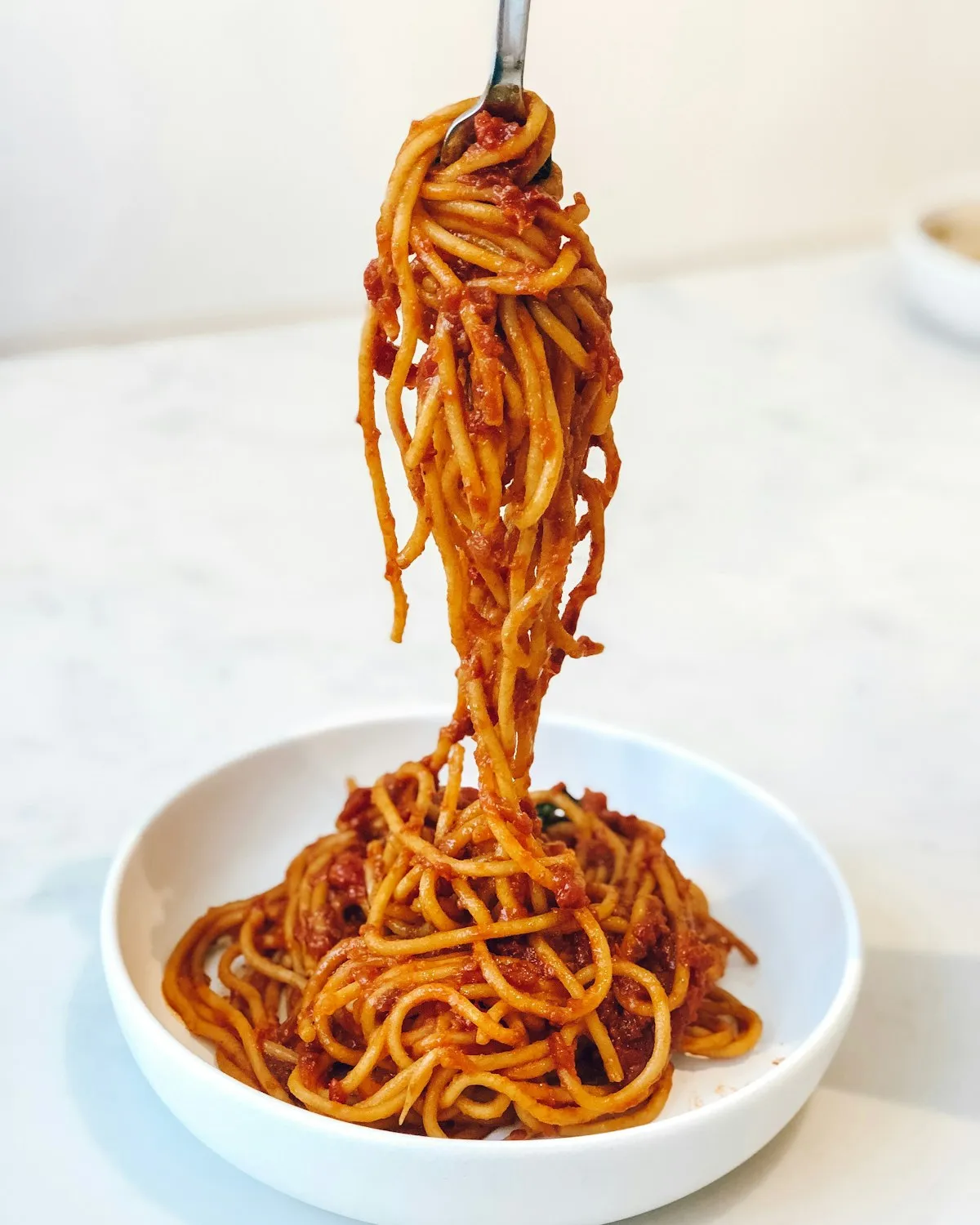
Add the pasta water gradually rather than dumping in a large amount. Toss the linguine as you add it, and look for a sauce that coats the noodles instead of collecting beneath them. If the pasta looks dry, add more water. If it looks soupy, keep tossing over gentle heat so the starch can tighten the sauce.
Let the tomatoes bring their own sauce
Halved cherry tomatoes need enough heat to soften and begin to burst. As they cook, they release water, natural sugars, and a little pectin. That juice gives the skillet a fresh tomato base without requiring a separate sauce.
Avoid cooking them until they completely collapse. You want a mixture of softened tomatoes and a few intact pieces. The contrast gives the pasta more texture and keeps the finished dish from tasting flat.
Tomatoes also help balance the lemon. Both are acidic, but tomatoes bring sweetness and roundness, while lemon supplies a sharper, more aromatic brightness. Together, they keep the butter and shrimp from feeling heavy.
Add garlic at the right temperature
Garlic contains sulfur compounds that create its familiar sharp aroma. Heat changes those compounds quickly. Brief cooking in warm oil softens the raw bite and releases fragrance, but prolonged high heat can burn the garlic and make it bitter.
Lower the heat after cooking the shrimp. Add the garlic to the warm fat and stir just until fragrant. Do not wait for it to become deeply brown. Pale golden is useful; dark brown is a warning flare.
Use chili flakes if you want gentle heat, but add them with the garlic so their fat-soluble aromas bloom in the oil. This spreads the flavor through the sauce instead of leaving little spicy surprises in random bites.
Finish with lemon off the heat
Add lemon zest and juice near the end, preferably after taking the skillet off the heat. Lemon zest carries fragrant oils that can lose their freshness during prolonged cooking. Lemon juice is brighter when it is not boiled into submission.
Acid also changes proteins. That is useful in ceviche, but a long acidic marinade can make shrimp overly firm or mushy. Keep the lemon in the finishing stage and toss briefly. You will get brightness without sacrificing the shrimp’s delicate texture.
Taste before adding more lemon. The tomatoes, pasta water, butter, and shrimp all affect the final balance. Aim for a sauce that tastes lively, not aggressively sour.
Finish the emulsion with movement
Do not simply stir the pasta once and hope for a miracle. Toss it firmly so the hot noodles release a little more surface starch into the sauce. That movement helps distribute the fat, liquid, tomato juices, and seasoning evenly.
Keep the heat gentle. Excessive heat can cause the sauce to separate, especially once butter and lemon are involved. The goal is warm and glossy, not bubbling like a science experiment that has escaped the kitchen.
For more pasta technique, compare this method with Cookpedia’s Creamy Mushroom and Spinach Fettuccine Alfredo, which uses a similar starch-first approach for a creamy texture.
Variations: Keep the Balance, Change the Mood
Make it spicy and smoky
Add extra chili flakes and a small pinch of smoked paprika. The paprika brings warm, savory depth, while the lemon keeps the flavor from becoming too heavy. Use this version when you want a bolder bowl without adding a complicated sauce.
Use spinach for extra freshness
Fold in a few handfuls of baby spinach during the final toss. Residual heat will wilt it quickly. Add it too early and it may lose its color and fresh flavor; add it at the end and it stays brighter.
Swap the shrimp
Use sliced chicken, scallops, or flaky cooked salmon. Adjust the cooking time for the protein and remove it from the pan as soon as it is ready. The sauce technique stays the same, which makes this a useful template for healthy dinner ideas.
Make it dairy-free
Replace the butter with more olive oil. You will lose a little dairy richness, but the pasta water still creates a glossy coating. Add extra lemon zest, parsley, or basil to keep the dish aromatic and full of lift.
Try whole-wheat linguine
Whole-wheat pasta brings a nuttier flavor and more fiber, but it can absorb more liquid. Reserve extra pasta water and toss patiently so the sauce remains silky rather than tight.
Side Dish Pairings: Add Contrast, Not More Heaviness
Serve this linguine with something crisp, peppery, or lightly acidic. A simple arugula salad works especially well because its bitterness cuts through the butter and shrimp while echoing the lemon. Cookpedia’s quick Mediterranean quinoa bowl is another good option if you want a grain-based side with bright vinaigrette notes.
For a vegetable pairing, choose roasted broccoli, asparagus, or green beans. Keep the seasoning clean and avoid another creamy side. The pasta already provides richness, so let the vegetables bring crunch and freshness.
A small piece of crusty bread is welcome for catching the last drops of sauce. Add a sharp dressing or squeeze of lemon at the table to keep the meal balanced. That little hit of acidity is what stops a rich pasta dinner from becoming a sleepy one.
FAQ: What If My Pasta, Shrimp, or Sauce Goes Wrong?
What if my shrimp turn rubbery?
You probably cooked them too long or left them in the hot skillet while finishing the pasta. Shrimp continue cooking from residual heat, so remove them as soon as they become pink and opaque. Return them only at the very end, tossing for long enough to warm them through.
For food safety, shrimp should reach 145°F (63°C). If you use a thermometer, check the thickest shrimp. Otherwise, look for a firm texture and an opaque center, but avoid relying on color alone when the shrimp are especially large.
What if my sauce looks oily?
The emulsion has separated. Add a small splash of pasta water and toss vigorously over low heat. The water gives the starch another chance to bind with the fat.
Avoid adding a large amount of liquid at once. That can make the sauce thin without helping it come together. Add a tablespoon or two, toss, and check again.
What if the sauce is watery?
Keep tossing the pasta over gentle heat for another minute. The noodles will absorb some liquid, and the starch will help the sauce thicken.
Do not immediately add flour or cornstarch. Those thickeners can make a delicate lemon sauce pasty. First use the pasta’s own starch, which gives the most natural texture.
What if I forgot to reserve pasta water?
Use a little hot water, broth, or unsalted cooking liquid, but expect a slightly less silky result. You can improve the texture by tossing the pasta vigorously with the butter, oil, tomato juices, and a small amount of replacement liquid.
Next time, place a measuring cup beside the colander before draining. Pasta water is easy to forget and annoyingly difficult to recover once it disappears down the drain.
Can I use frozen shrimp?
Yes. Thaw them completely and pat them very dry before cooking. Frozen shrimp release extra water as they heat, so skipping the drying step makes browning much harder.
Do not thaw shrimp at room temperature for a long period. Thaw them in the refrigerator or under cold running water, then cook them promptly.
What if my lemon sauce tastes too sharp?
Add a little more butter or olive oil, then toss with additional pasta water. Fat softens the perception of acidity, while starch helps distribute the flavor.
You can also add a few more cooked tomatoes for sweetness. Avoid adding sugar unless the sauce is truly unbalanced; ripe tomatoes and a touch of richness usually solve the problem more gracefully.
Can I make this ahead for meal prep?
This pasta is best immediately after cooking because linguine continues absorbing sauce as it cools. If you need to prepare it ahead, store the shrimp and pasta separately when possible and loosen the pasta with a splash of water while reheating.
Reheat gently in a skillet rather than blasting it in the microwave. High heat will toughen the shrimp and encourage the sauce to split. For other make-ahead quick family meals, browse Cookpedia’s 15-minute meals collection.
Can I turn this into one of my air fryer recipes dinner plans?
You can use an air fryer for the shrimp or tomatoes, but the pasta sauce still benefits from a skillet. Air-fry the shrimp until just cooked, then toss them into the finished linguine at the end.
Do not air-fry the shrimp far ahead of time. They cool quickly and can become dry before the pasta is ready. Coordinate the timing so they meet the sauce while still tender.