Recipe
Servings
Servings 1×
Ingredients
- Chicken
- Shrimp
- Beans
- Pasta
- Bread
- Broccoli
- Asparagus
- Spinach
- Kale
- Tomatoes
- Garlic
- Lemon
- Balsamic vinegar
- Cream
- Cooking oil
- Salt
Method
- Cook your pasta one minute shy of the package directions so it finishes absorbing flavors directly in your sauce.
- Keep your burner on low or residual heat once the cheese enters the pan.
- Use a microplane to grate only the yellow part of the lemon peel.
- Toss together a simple green salad dressed with a sharp lemon-shallot vinaigrette to echo the citrus notes in your main course.
Welcome back to my kitchen! If you are hunting for healthy dinner ideas that look fancy but take almost zero effort, you have landed in the exact right spot. Weeknight cooking often feels like a race against the clock, especially when you need quick family meals that everyone will actually eat. Enter my absolute favorite weeknight savior: a vibrant lemon ricotta pasta loaded with fresh spinach and juicy cherry tomatoes. It is creamy, bright, and comes together in the time it takes to boil water. If you love exploring quick meals that pack serious flavor, you are going to adore this technique-driven approach. Grab your favorite pot, and let's dive into the science of making this dish unforgettable!
The Master Technique: Why Science Makes This Pasta Shine
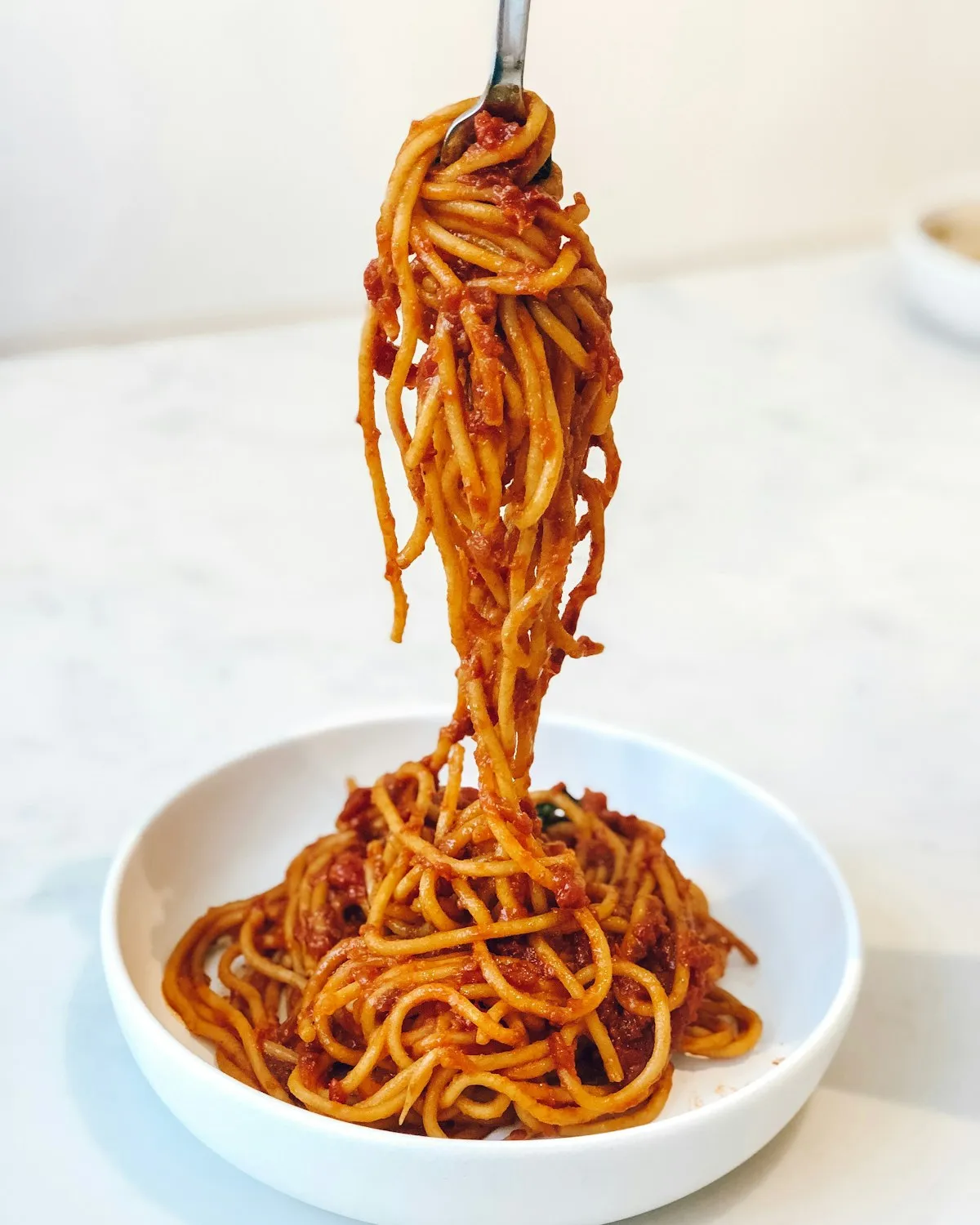
Getting a velvety, luxurious sauce without heavy cream comes down to understanding simple culinary chemistry. Follow these foundational rules to master every bowl of pasta you make.
Salt Your Water Properly
Always salt your boiling water generously until it tastes like the sea. Cook your pasta one minute shy of the package directions so it finishes absorbing flavors directly in your sauce. Never rinse your drained pasta under the tap; rinsing washes away the essential surface starches required for a glossy finish.
Master the Emulsion
Starch meets fat to create kitchen magic. As pasta boils, it releases starches into the cooking water. When you combine that starchy water with ricotta, olive oil, and a touch of heat, the starch molecules coat fat droplets, forming a stable, silky emulsion. Reserve at least one full cup of pasta water before draining so you can adjust consistency on the fly.
Protect Your Ricotta from Heat
Ricotta is an acid-set cheese with delicate protein structures. Keep your burner on low or residual heat once the cheese enters the pan. High heat causes those proteins to tighten aggressively, expelling moisture and turning your silky sauce grainy.
Harness Lemon Zest and Juice Differently
Use a microplane to grate only the yellow part of the lemon peel. The bright aromatic oils live entirely in the zest and dissolve beautifully into fats like ricotta and olive oil. Save the fresh lemon juice for the very end of cooking, adding it off the heat to preserve acidity without curdling your dairy.
Explore more wholesome inspiration over at our healthy recipe hub if you want to expand your weeknight repertoire!
Delicious Variations to Switch Things Up
Once you nail the foundational technique, experiment with different flavor profiles to keep dinner exciting.
Switch out your greens depending on what is lurking in your crisper drawer. Swap fresh spinach for peppery wild arugula or tender baby kale, letting residual heat wilt them gently. If you want to transform this vegetarian masterpiece into a protein-packed heavy hitter, toss in pan-seared shrimp, grilled chicken strips, or rinsed cannellini beans.
For cheese lovers looking for a slight twist, substitute goat cheese for half of the ricotta to introduce a tangy punch, or stir in mascarpone for extra decadence. If you need inspiration for other evenings, browse our curated pasta category for endless inspiration.
Remember to balance richness with contrasting textures. Fresh herbs like basil or mint added right before serving elevate the aroma instantly.
Perfect Side Dish Pairings for Balance
A rich, creamy bowl of lemon ricotta pasta thrives alongside crisp, acidic counterweights that cut through the dairy's weight.
Toss together a simple green salad dressed with a sharp lemon-shallot vinaigrette to echo the citrus notes in your main course. Roasted asparagus spears drizzled with balsamic glaze or charred broccolini with garlic flakes also provide wonderful earthy contrast.
If you are feeding a hungry crowd looking for hearty quick family meals, pair your pasta with warm crusty sourdough bread rubbed with garlic for soaking up every last drop of leftover sauce.
Frequently Asked Questions
What if my sauce turns out too thick or pasty?
Stir in reserved starchy pasta water one tablespoon at a time while tossing your pasta over low heat. The added starch and liquid will instantly loosen the emulsion back into a glossy sheen.
Can I make this dish using frozen spinach instead of fresh?
Stick with fresh spinach whenever possible. Frozen spinach contains excess water that can dilute your sauce and make the final texture watery rather than creamy. If you must use frozen, thaw and squeeze every drop of moisture out first.
Why did my ricotta sauce curdle or separate?
Curdling usually happens when the cheese encounters too much heat or direct acid too early. Always mix your lemon juice in at the very end of cooking and keep your burner set to low or off while tossing the pasta.
Can I prepare this meal ahead of time as part of meal prep?
Ricotta-based pasta sauces are best served immediately. As the dish sits, the starches retrograde and cool, causing the sauce to thicken significantly and lose its initial silky texture.
Are there alternative ways to cook quick dinners on busy nights?
Absolutely! When you are tired of boiling pasta, you can also explore fast air fryer recipes dinner options that offer maximum crunch with minimal cleanup.