Recipe
Servings
Servings 1×
Ingredients
- Pasta
- Noodles
- Broccoli
- Lemon
- Cream
- Hard cheese
Method
- Prepare the ingredients described in the article and heat the cooking surface or oven as directed.
- Cook the main ingredients using the heat and timing guidance in the article.
- Finish with the seasonings and garnishes named in the article, then serve.
There is something transformative about the combination of bright citrus and creamy cheese. When life gets chaotic and you need quick family meals that don't feel like a compromise, this lemon ricotta pasta with roasted broccoli is my absolute go-to. It’s a dish that manages to be both light and indulgent, hitting those high notes of acidity while staying grounded in the comforting richness of whole-milk ricotta. If you're looking for healthy dinner ideas that actually satisfy, this recipe is a masterclass in efficiency and flavor.
The Science of a Silky Emulsion
The secret to a perfect lemon ricotta pasta isn't just about the ingredients; it’s about the chemistry between them. Most people make the mistake of just dumping ricotta onto hot noodles, which results in a clumpy, grainy mess. To achieve that professional-level silkiness, you must master the art of the emulsion.
Why Starchy Water is Liquid Gold
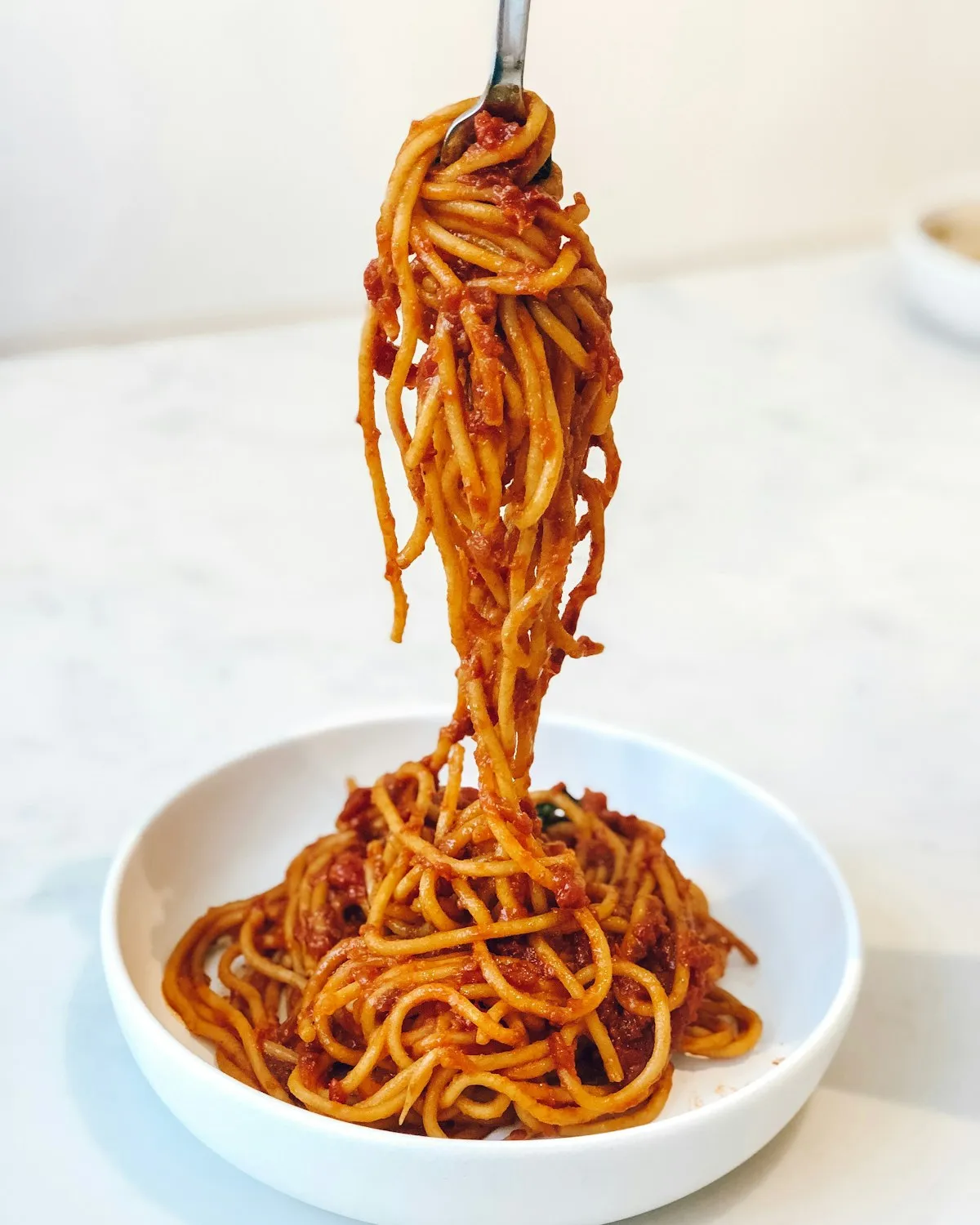
As your pasta boils, it releases surface starches into the water. Never, ever dump this water down the drain before reserving at least a cup. This starchy liquid acts as a bridge between the fat in the ricotta and the water in the lemon juice. When you whisk hot pasta water into your ricotta mixture, the starch molecules physically prevent the cheese proteins from tightening up into hard curds. Use a whisk to combine the ricotta, parmesan, and zest in a separate bowl first, then slowly stream in the hot water. You want a consistency that looks like heavy cream before it even touches the pasta.
The Maillard Reaction and Broccoli
While the pasta water does the heavy lifting for the sauce, the oven (or air fryer) handles the flavor profile of the broccoli. Steamed broccoli is fine for a side dish, but for a vegetarian dinner recipe, you want the Maillard reaction. This is the chemical reaction between amino acids and reducing sugars that gives browned food its distinctive flavor.
By roasting the broccoli at a high temperature (around 425°F/220°C), you are drying out the surface and caramelizing the natural sugars. This creates a nutty, savory contrast to the creamy pasta. Check your florets frequently; you want the edges to be deeply charred and crispy, which provides a necessary textural counterpoint to the soft noodles.
Zest vs. Juice: A Flavor Strategy
Understanding the difference between lemon zest and lemon juice is crucial for balance. The zest contains essential oils (primarily limonene) that provide a massive aromatic punch without increasing the acidity. I always zest the lemons directly into the ricotta mixture to trap those oils in the fat of the cheese. The juice, on the other hand, provides the "twang" or the low pH that cuts through the heaviness of the dairy. Use the juice sparingly at the end to brighten the dish, but rely on the zest for the soul of the flavor.
Variations to Suit Your Kitchen
One of the reasons I love this as part of our 15-minute meals collection is its sheer versatility. You can easily adapt this dish based on what you have in your pantry or how much time you have.
- The Air Fryer Shortcut: If you are a fan of air fryer recipes dinner style, you can roast your broccoli florets in the air fryer at 400°F for about 8–10 minutes. This is often faster than preheating a traditional oven and yields incredibly crispy results. Just ensure you don't overcrowd the basket, or the broccoli will steam instead of roast.
- Protein Boost: While this is a star among healthy dinner ideas, sometimes you need a bit more protein. Fold in some grilled chicken strips or sautéed shrimp at the very end. The lemon-garlic profile of the sauce pairs beautifully with almost any white meat or seafood.
- The Vegan Pivot: You can swap the ricotta for a high-quality almond-based ricotta and use nutritional yeast instead of parmesan. The science of the emulsion remains the same, use that starchy pasta water to bind everything together.
- Spice it Up: If you like a bit of heat, add a teaspoon of red chili flakes to the olive oil before tossing the broccoli. The heat infuses into the oil and carries through the entire dish.
Side Dish Pairings for Perfect Balance
When serving a dish that is creamy and citrus-forward, you want sides that provide either a crunch or a different type of acidity to keep the palate refreshed.
- Arugula Salad with Shaved Fennel: The peppery bite of arugula and the licorice notes of fennel work wonders alongside the lemon. Use a simple vinaigrette of olive oil and white balsamic to keep the acidity profile distinct from the lemon in the pasta.
- Garlic Herb Focaccia: Sometimes you just need a vehicle for that extra sauce. A warm piece of focaccia with rosemary and sea salt complements the herbaceous notes of the dish.
- Prosciutto-Wrapped Asparagus: If you want something a bit more elegant, the saltiness of the prosciutto provides a great savory contrast to the sweet, roasted broccoli and creamy cheese.
Frequently Asked Questions
Why is my ricotta sauce grainy?
Graininess usually happens for two reasons: low-quality ricotta or too much heat. Always use whole-milk ricotta for the smoothest texture. Low-fat versions have more water and less fat, making them prone to splitting. Additionally, never boil the sauce. Mix the ricotta and pasta water in a bowl off the heat, then toss with the pasta. The residual heat from the noodles is more than enough to warm the cheese without causing the proteins to seize.
Can I make this pasta ahead of time?
Pasta with creamy sauces is always best served immediately. As it sits, the pasta continues to absorb the moisture from the sauce, which can leave the dish feeling dry or gummy. If you must make it ahead, undercook the pasta by two minutes and keep extra pasta water on hand. When reheating, add a splash of water or milk and stir over low heat until the emulsion returns to its creamy state.
Is roasting broccoli better than steaming?
For this specific recipe, yes. Steaming adds moisture, which can make the overall dish feel heavy and "wet." Roasting removes moisture and concentrates flavor through caramelization. This dry-heat method creates a "crunch" that is essential for breaking up the softness of the pasta and ricotta.
Can I use bottled lemon juice?
Avoid it if possible. Bottled juice often has preservatives and a muted flavor compared to the bright, volatile oils found in fresh lemons. Since this recipe relies so heavily on the lemon for its identity, using a fresh fruit makes a world of difference. Plus, you need the zest, which you can't get from a bottle!
What type of pasta works best?
I prefer long, flat noodles like fettuccine or linguine because they provide a large surface area for the sauce to cling to. However, if you're making this as one of your quick family meals for kids, short shapes like fusilli or penne are great because the roasted broccoli florets get "caught" in the ridges of the pasta.
{“@type”:”BlogPosting”,”image”:[“https://cdn.marblism.com/tBmIHwIevGp.webp”,”https://cdn.marblism.com/Z4sFlHbSoUU.webp”,”https://cdn.marblism.com/roAlBMxhI13.webp”,”https://cdn.marblism.com/MQf1j-xWYs_.webp”],”author”:{“name”:”Penny”,”@type”:”Person”},”@context”:”https://schema.org”,”headline”:”Simple Pasta Recipes: Lemon Ricotta Pasta with Roasted Broccoli”,”publisher”:{“logo”:{“url”:”https://cdn.marblism.com/r31hCYxu5lk.webp”,”@type”:”ImageObject”},”name”:”Cookpedia”,”@type”:”Organization”},”description”:”Discover how to make the perfect Lemon Ricotta Pasta with Roasted Broccoli. Learn the science of emulsification and roasting for a quick, healthy weeknight dinner.”,”datePublished”:”2026-07-17″,”mainEntityOfPage”:{“@id”:”https://cookpedia.com/category/pasta”,”@type”:”WebPage”}}