Recipe
Servings
Servings 1×
Ingredients
- Lentils
- Chickpeas
- Black beans
- Beans
- Pearled barley
- Pasta
- Rice
- Potatoes
- Carrots
- Mushrooms
- Spinach
- Greens
- Peas
- Onion
- Lemon
- Cooking oil
- Salt
Method
- Let’s be honest: your bank account doesn’t always care that you have a refined palate.
- Start every meal with a proper "aromatic base." Whether it’s a French mirepoix (onions, carrots, celery) or a Holy Trinity (onions, bell peppers, celery), these vegetables are inexpensive but provide the essential sulfur compounds and sugars that create depth.
- Use a heavy-bottomed pot to ensure even heat distribution and prevent burning those precious sugars.
- Use red lentils for soups where you want them to break down and thicken the broth, or green lentils for salads where you need them to hold their shape.
Let’s be honest: your bank account doesn’t always care that you have a refined palate. We’ve all been there, staring at a lonely cabbage and a half-empty bag of rice, wondering how to turn them into something that doesn’t taste like "financial regret." The good news? Some of the world’s most iconic dishes were born from necessity. I’ve spent years refining a system that turns "making do" into "making a masterpiece." This isn't about cutting corners; it's about mastering the science of flavor so you can stop stressing and start eating.
The Science of Flavor Building on a Budget
If you want to master budget friendly recipes, you have to stop thinking about ingredients and start thinking about chemistry. Cheap staples like beans, rice, and potatoes are blank canvases. They are calorically dense but flavor-neutral. To make them sing, you need to understand the role of aromatics and heat.
Start every meal with a proper "aromatic base." Whether it’s a French mirepoix (onions, carrots, celery) or a Holy Trinity (onions, bell peppers, celery), these vegetables are inexpensive but provide the essential sulfur compounds and sugars that create depth. Sauté them until they are translucent or slightly caramelized. This process, known as the Maillard reaction, creates hundreds of new flavor compounds that you simply cannot get from a bottle of expensive sauce. Use a heavy-bottomed pot to ensure even heat distribution and prevent burning those precious sugars.
Don't underestimate the power of acidity. If a dish tastes flat or "heavy," your instinct might be to add more salt. Avoid that trap. Instead, reach for a splash of white vinegar or a squeeze of lemon. Acidity acts as a chemical "brightener," cutting through the starchiness of beans or the fat in cheaper meat cuts. It creates a balance on the tongue that mimics high-end restaurant profiles for literally pennies.
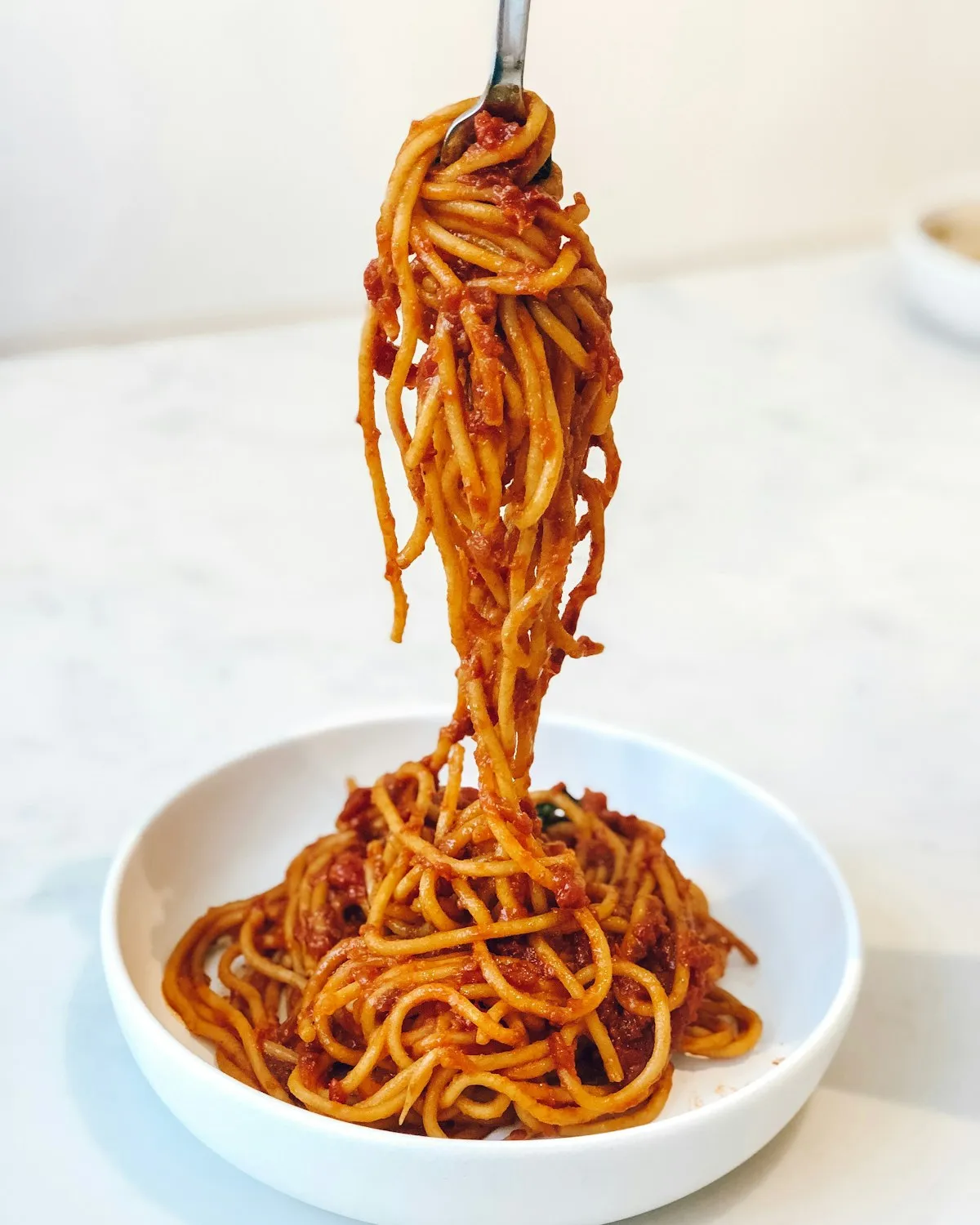
When it comes to one-pot meals, leverage the power of starch hydration. When you cook pasta or rice directly in a seasoned broth, the grains absorb the liquid’s flavor rather than just water. This turns a simple side into a standalone main. Check your pantry for bouillon or even dried mushroom powder, these are "umami bombs" that provide the savory "meatiness" that your brain craves when the meat budget is tight.
Finally, embrace the efficiency of modern tools. Using air fryer recipes dinner is a strategic move for the budget-conscious. An air fryer uses high-velocity convection to mimic deep-frying with minimal oil and significantly less electricity than a standard oven. It’s perfect for transforming humble chickpeas into crispy snacks or giving a fast, charred finish to seasonal vegetables, making them feel like a gourmet treat.
Strategic Variations for Busy Kitchens
The beauty of a framework is that it’s flexible. Once you have your base, let’s say a big batch of seasoned black beans, you can pivot throughout the week. This is the secret to creating quick family meals without losing your mind or your savings.
If you’re feeling a bit more adventurous, swap your standard grains for something with more texture. Replace white rice with pearl barley or farro. These grains have a higher protein content and a chewy "bite" that makes a vegetarian meal feel much more substantial. If you have a bag of frozen peas or spinach, toss them in during the last sixty seconds of cooking. The residual heat is enough to cook them without destroying their vibrant color or delicate vitamins.
For those focusing on healthy dinner ideas, remember that the most nutritious foods are often the cheapest. Lentils are the undisputed kings of the budget kitchen. They don't require soaking, they cook in twenty minutes, and they are packed with fiber. Use red lentils for soups where you want them to break down and thicken the broth, or green lentils for salads where you need them to hold their shape.
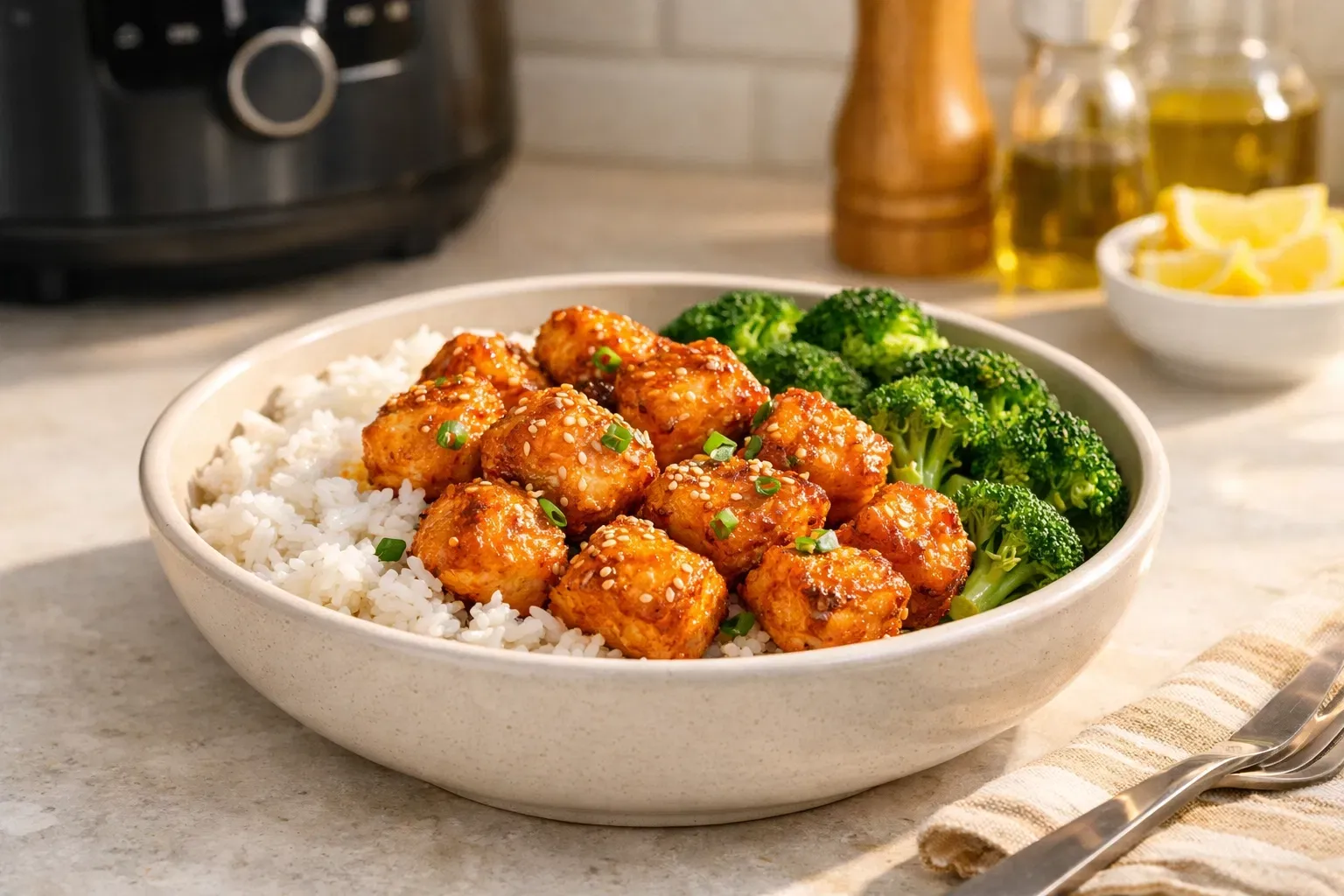
Side Dish Pairings for Perfect Balance
A great budget meal is only as good as its balance. If your main dish is rich and starchy, like a bean stew or a pasta bake, you need a side dish that provides "crunch" and "zing."
- The Quick Pickle: Take some thinly sliced red onions or cucumbers, toss them in a mix of vinegar, sugar, and salt, and let them sit for ten minutes. This provides a sharp, acidic contrast that makes heavy dishes feel lighter.
- Roasted Root Vegetables: Carrots and beets are dirt cheap and store for weeks. Roast them at high heat until the edges are charred. The concentrated sweetness complements the earthiness of grains.
- Simple Grains: If you're serving a spicy chicken dish, a side of plain, fluffy basmati rice is essential. It acts as a cooling agent and ensures no one leaves the table hungry.
Budget Cooking FAQ: The "What Ifs"
What if my "budget" meat is tough?
This is a classic chemistry problem. Tougher cuts like chuck or pork shoulder are full of collagen. At high temperatures, collagen stays rubbery. You must use "low and slow" heat to convert that collagen into gelatin. This transformation usually happens around 160°F (71°C) over several hours. If you're in a rush, use a pressure cooker to accelerate this molecular breakdown.
What if I can't afford fresh herbs?
Don't sweat it. Dried herbs are perfectly fine, but you have to use them differently. Dried herbs should be added at the beginning of the cooking process so the heat and moisture can "bloom" their oils. If you want that fresh finish, use the green tops of scallions or even finely chopped celery leaves, they are often tossed away but carry a surprising amount of herbal flavor.
Can I really make "quick family meals" without pre-packaged sauces?
Absolutely. The "framework" approach relies on a few pantry staples: soy sauce, a bottle of vinegar, some hot sauce, and a jar of peanut butter. These can be combined to make dozens of different sauces in under two minutes. You aren’t just saving money; you’re avoiding the hidden sugars and preservatives found in the bottled stuff.
Why does my reheated rice taste terrible?
Rice undergoes a process called starch retrogradation, it gets hard and crumbly in the fridge. To fix this, add a tablespoon of water before microwaving and cover it tightly. The steam will re-hydrate the starch granules. Better yet, use that day-old rice for 30-minute meals like fried rice. The drier grains are actually superior because they won't turn into mush when they hit the pan.
Are air fryer recipes dinner actually healthy?
Yes, primarily because you’re controlling the oil. Traditional frying involves total immersion, whereas the air fryer uses a fine mist of oil and high-speed air. This allows you to achieve a "fried" texture with about 80% less fat. It’s one of the best healthy dinner ideas for busy parents who want to satisfy a "crispy" craving without the health (or cleanup) toll.
By focusing on these foundational techniques rather than strict, expensive recipes, you gain the freedom to cook with whatever is on sale. You stop being a slave to a shopping list and start being a chef in your own home. Now, grab those onions and get to work( your best meal is probably already in your pantry.)
{“@type”:”BlogPosting”,”image”:”https://cdn.marblism.com/kntM1XGtWUd.webp”,”author”:{“name”:”Cookpedia”,”@type”:”Organization”},”@context”:”https://schema.org”,”headline”:”The Proven Budget Friendly Recipes Framework for Cooking on a Shoestring”,”publisher”:{“logo”:{“url”:”https://cdn.marblism.com/KxroJ1kM_KA.webp”,”@type”:”ImageObject”},”name”:”Cookpedia”,”@type”:”Organization”},”mainEntity”:[{“name”:”What if my budget meat is tough?”,”@type”:”Question”,”acceptedAnswer”:{“text”:”Tougher cuts are full of collagen. You must use ‘low and slow’ heat to convert collagen into gelatin, which happens around 160°F over several hours.”,”@type”:”Answer”}},{“name”:”What if I can’t afford fresh herbs?”,”@type”:”Question”,”acceptedAnswer”:{“text”:”Dried herbs are fine if added at the beginning of cooking to ‘bloom’ their oils. You can also use scallion tops or celery leaves for a fresh finish.”,”@type”:”Answer”}},{“name”:”Why does my reheated rice taste terrible?”,”@type”:”Question”,”acceptedAnswer”:{“text”:”Starch retrogradation makes refrigerated rice hard. Re-hydrate it with a tablespoon of water and steam it, or use it for fried rice.”,”@type”:”Answer”}}],”articleBody”:”A practical, proven framework for budget-friendly cooking focused on flavor science, aromatic bases, and strategic meal planning…”,”datePublished”:”2026-07-16″,”mainEntityOfPage”:{“@id”:”https://cookpedia.com/budget-friendly-recipes-framework”,”@type”:”WebPage”}}