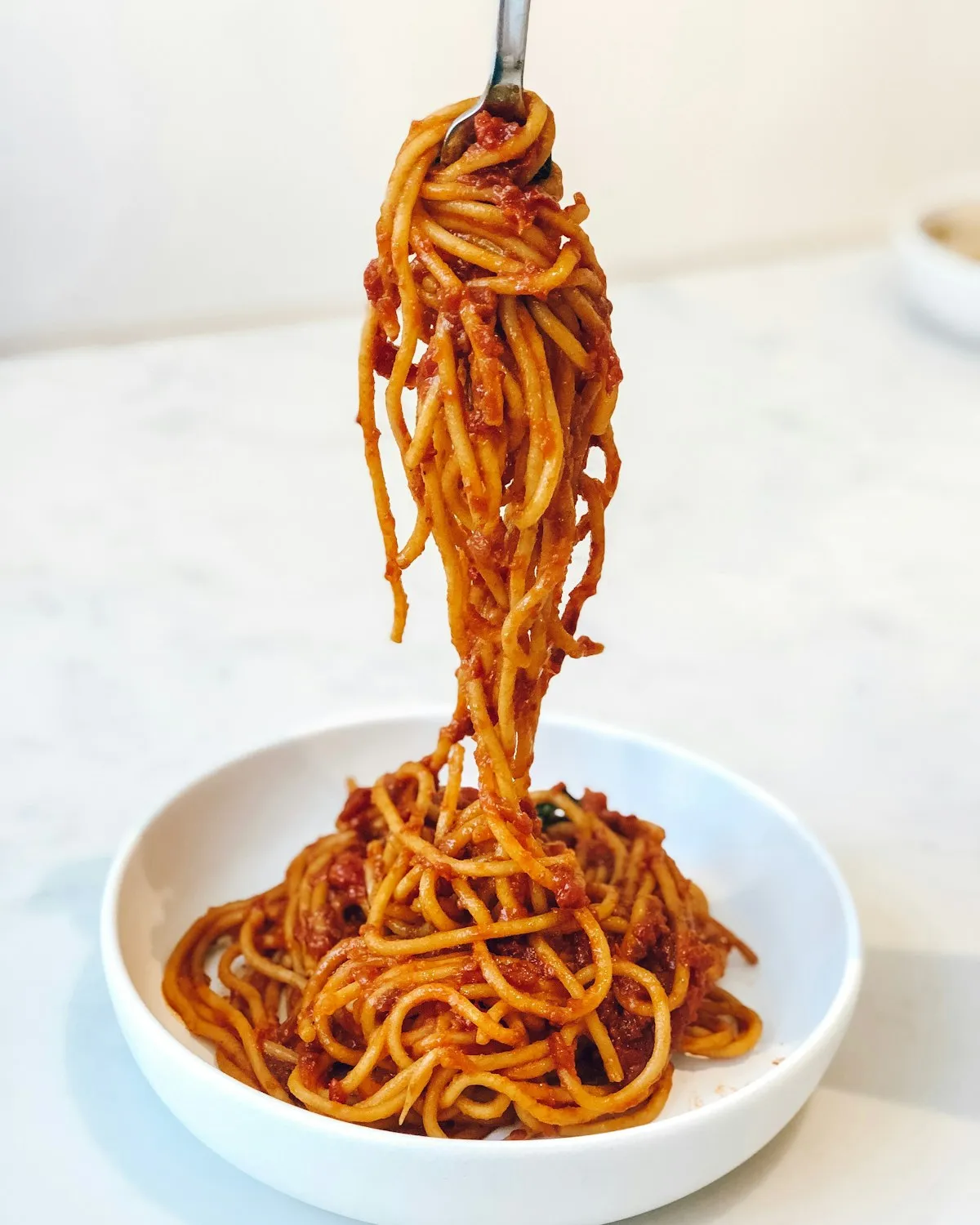
Recipe
Servings
Servings 1×
Ingredients
- Fettuccine
- Penne
- Pasta
- Noodles
- Mushrooms
- Tomatoes
- Garlic
- Cream
- Hard cheese
- Cooking oil
- Black pepper
Method
- Use the recipe card for exact quantities, then follow these technique notes to make the sauce taste confident rather than merely red.
- Cut the vegetables into pieces of similar size so they soften at roughly the same pace.
- Give them room on the tray.
- Keep the garlic protected among the vegetables or tucked into a small piece of foil if it starts darkening too quickly.
- Drain them well, especially if they are stored in an acidic liquid.
- Remove the seeds and pale inner membranes as well, particularly if you want a mild, family-friendly finish.
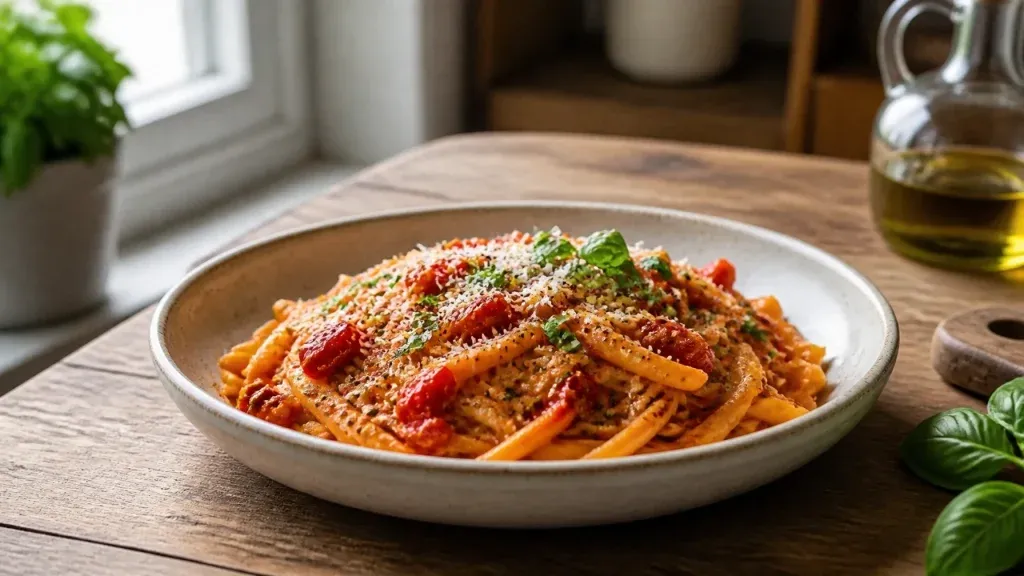
There are pasta dinners that ask for a long shopping list, three pans, and the patience of a saint. This is not one of them. Roasted red pepper and tomato pasta gives you deep sweetness, gentle smokiness, and a silky sauce from humble ingredients. It belongs firmly in my collection of simple pasta recipes because it feels special without behaving like a project. Use the recipe card for exact quantities, then follow these technique notes to make the sauce taste confident rather than merely red.
Roast the Vegetables to Concentrate Flavor
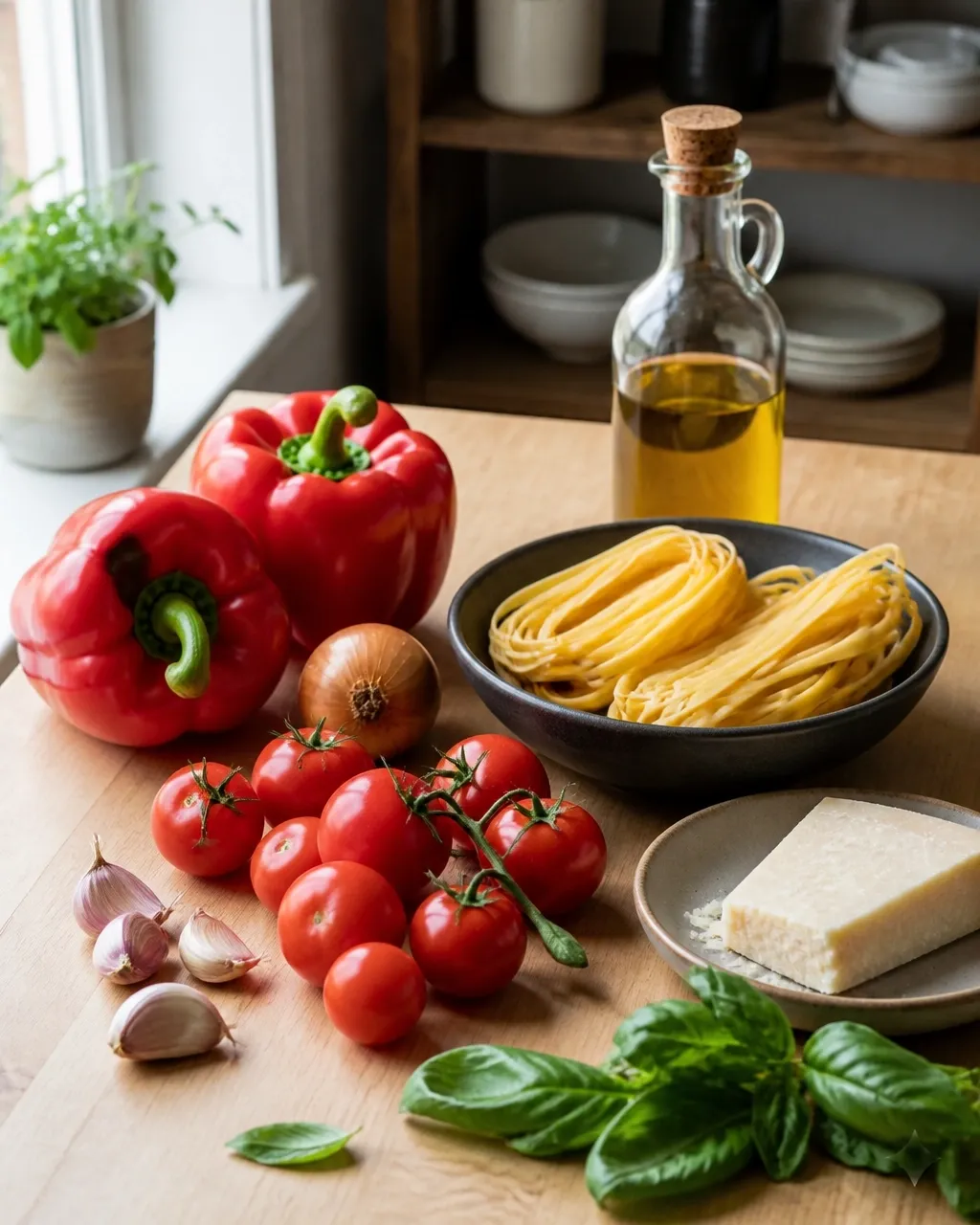
The biggest flavor upgrade comes from roasting, not from adding more seasoning. Fresh peppers and tomatoes contain a great deal of water. High heat drives some of that moisture away, concentrating the natural sugars, acids, and savory compounds left behind.
Roasting also softens the vegetables’ cell structure. As the walls break down, the peppers and tomatoes become easier to blend into a smooth sauce. That is why roasted vegetables taste fuller and rounder than vegetables simply simmered in water. You are not just cooking them; you are changing their texture and reducing their moisture at the same time.
Cut the vegetables into pieces of similar size so they soften at roughly the same pace. Give them room on the tray. Crowding creates steam, and steam is useful for tenderness but not for browning. Leave space between the pieces so the edges can develop a little color. You want soft vegetables with a few browned or lightly charred spots, not a tray of pale, watery produce.
Do not chase dramatic blackness across every surface. A little char adds smoky complexity, but too much can make the sauce bitter. Keep the garlic protected among the vegetables or tucked into a small piece of foil if it starts darkening too quickly. Burnt garlic has a talent for taking over the entire meal.
Tomatoes bring acidity, while red peppers contribute sweetness. Roasting concentrates both, but the extra sweetness changes how you perceive the tomato’s sharpness. The sauce will still be bright, but it should taste less angular and more rounded. If your tomatoes are especially tart, rely first on further roasting and a little olive oil before reaching for sugar. Balance is better than disguise.
For a faster version, use jarred roasted red peppers. Drain them well, especially if they are stored in an acidic liquid. That liquid can make the sauce sharper than expected and may dilute the texture. Jarred peppers are a smart shortcut; just treat their packing liquid as seasoning, not as a free pour.
Blend for Texture, Then Control the Heat
Once the vegetables are roasted, blend them until the sauce reaches the texture you like. Go completely smooth for a velvety coating, or leave a little texture if you enjoy visible flecks of pepper and tomato. Both are right. The only wrong answer is pretending a rough sauce is smooth because the blender was too much effort.
Peel heavily charred fresh peppers before blending. The skin can remain fibrous even after roasting, and those small strips become surprisingly noticeable in an otherwise silky sauce. Remove the seeds and pale inner membranes as well, particularly if you want a mild, family-friendly finish.
Warm the blended sauce gently. A hard boil is not a badge of productivity here. Aggressive heat can make the sauce reduce too quickly, catch at the bottom of the pan, or separate once you add fat and cheese. Keep the heat moderate and let the sauce thicken steadily.
Stir in the final richness gradually. Olive oil, Parmesan, cream, or a plant-based alternative all behave more smoothly when they meet a warm sauce rather than a roaring one. Fat rounds the peppers’ sweetness and softens tomato acidity on the palate. It also gives the sauce a fuller mouthfeel without requiring a mountain of dairy.
For more detail on how pasta starch creates a creamy finish, read Cookpedia’s guide to the science of pasta water. The principle applies here even when you prepare the sauce separately.
Use Pasta Water as the Sauce’s Quiet Engineer
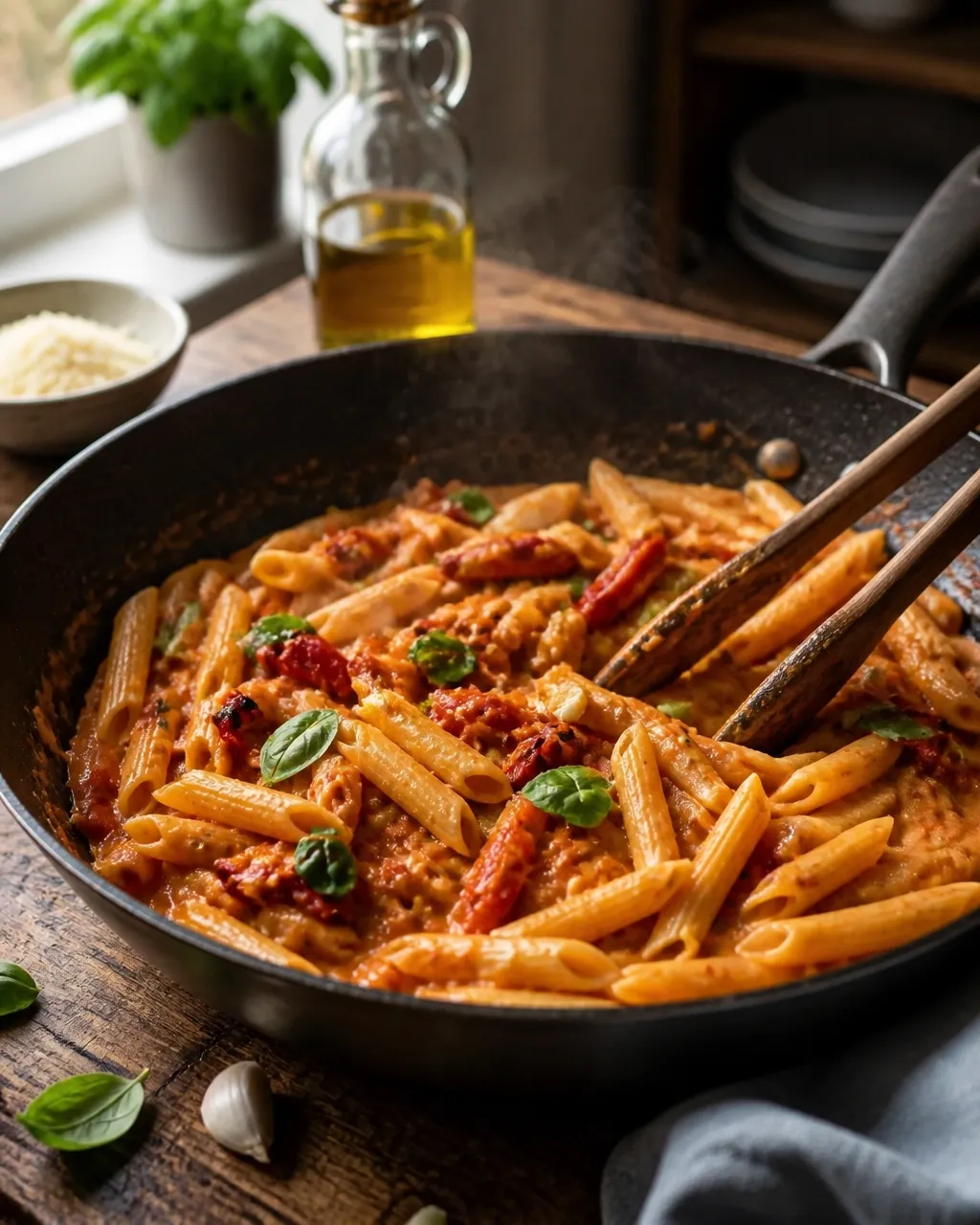
Reserve some pasta water before draining. This is non-negotiable. It may look cloudy and unremarkable, but it contains dissolved starch that helps the sauce cling to the pasta.
As pasta cooks, starch moves from the noodles into the water. When you toss that starchy liquid with the roasted vegetable purée and a little fat, the starch increases viscosity and helps stabilize the mixture. In plain English, it encourages the water and fat to stay together instead of separating into a greasy puddle and a thin red pool.
Add the water gradually rather than flooding the pan. A small amount can loosen a thick sauce and make it glossy. Too much can dilute the concentrated roasted flavor. Toss continuously over low heat so the starch, sauce, and fat have enough movement to combine.
Choose a pasta shape with enough surface area or ridges to hold the sauce. Rigatoni, penne, fusilli, shells, and fettuccine all work well. Long noodles give you a dramatic tangle, while short shapes are often easier for children to manage. Cook the pasta until it still has a little bite, because it will continue softening as it meets the warm sauce.
Do not rinse the pasta. Rinsing removes the surface starch that helps the sauce adhere. It also cools the noodles and makes the finished dish feel less cohesive. Toss the pasta while it is hot, and serve it soon after the sauce reaches that glossy, clingy stage.
For another pasta dish built around this same idea, explore Cookpedia’s creamy mushroom pasta. Different ingredients, same useful starch logic.
Variations That Keep the Balance
This sauce is wonderfully flexible, but make changes with balance in mind. Roasted peppers and tomatoes are sweet and savory, so additions should provide contrast rather than simply pile on more richness.
For heat, add crushed red pepper flakes, smoked paprika, or a little Calabrian chile paste. Start modestly. Smoky ingredients can amplify the roasted flavor, but too much smoke will flatten the fresh tomato character.
For extra protein, fold in white beans, chickpeas, grilled chicken, or sautéed shrimp. Beans make the sauce feel more substantial and work especially well when blended into part of the purée. Shrimp should meet the finished sauce briefly so they stay tender instead of becoming springy.
Make it plant-based with nutritional yeast, toasted walnuts, or a spoonful of cashew cream. Use pasta water carefully because plant-based sauces often need a little more help staying emulsified. Olive oil and starch can still create a satisfying, silky finish without dairy.
Add greens near the end. Spinach, baby kale, or arugula bring freshness and bitterness, which cuts through the sauce’s sweetness. Zucchini or mushrooms add substance, but cook them until their excess moisture has evaporated or the sauce may become thin.
For a brighter version, finish with lemon zest or a small splash of red wine vinegar. Add acid carefully and taste as you go. You are looking for lift, not a pasta sauce that makes your cheeks tense.
Side Dish Pairings That Bring Contrast
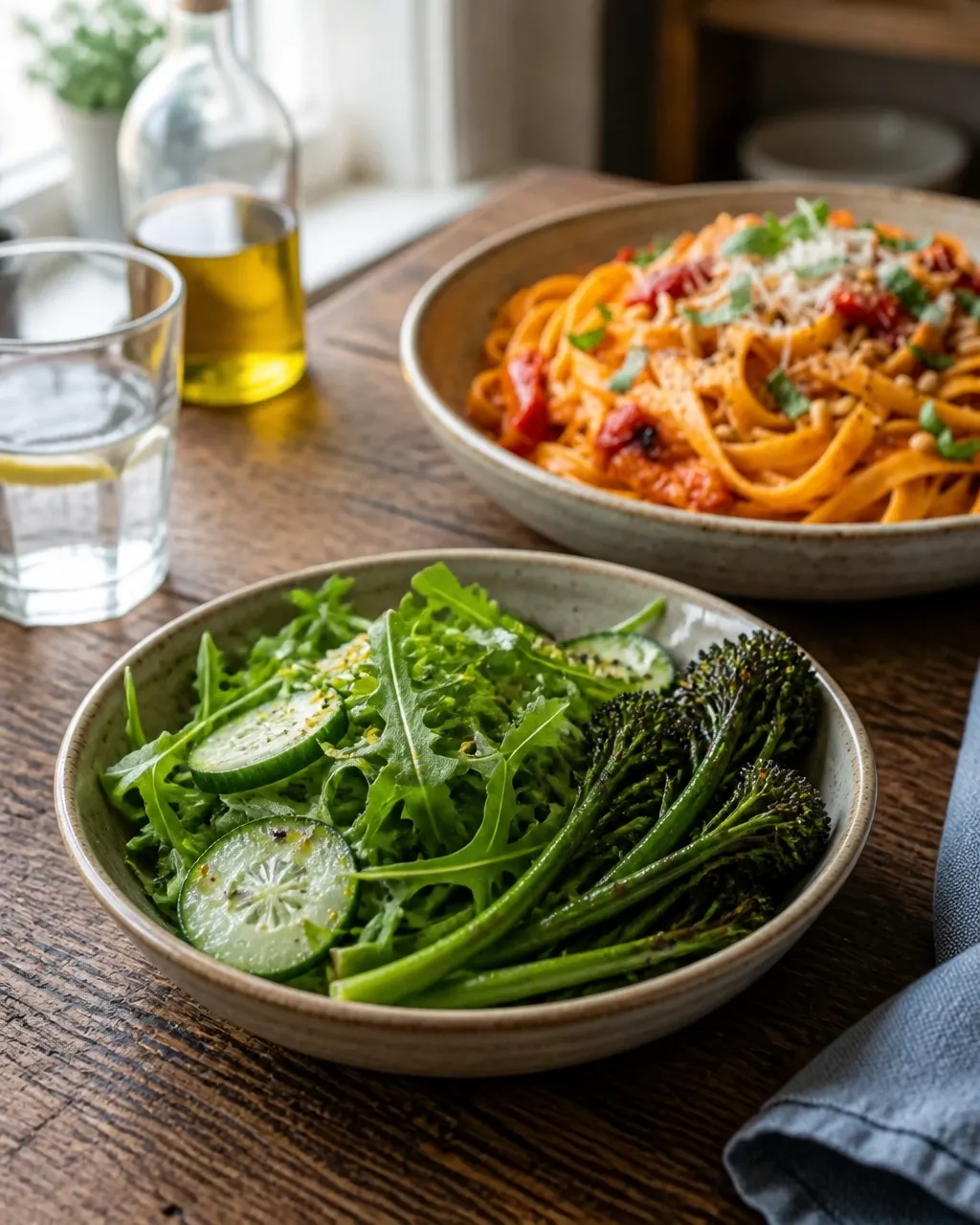
Pair this pasta with something crisp, green, or pleasantly sharp. An arugula salad with lemon vinaigrette is an easy favorite because peppery greens and acidity cut through the sauce’s richness. Add cucumber for extra crunch and coolness.
Roasted broccolini, green beans, or asparagus also work beautifully. Let the edges char slightly so their gentle bitterness contrasts with the sweet roasted peppers. Keep the seasoning simple; the pasta already has plenty of personality.
Serve crusty garlic bread when you want maximum comfort. Its crisp surface gives the soft pasta a textural change, and it handles any sauce left in the bowl with admirable commitment. For more ideas built for busy evenings, browse Cookpedia’s quick-meal collection.
FAQ: Fixing Roasted Pepper and Tomato Pasta
What if the sauce tastes too acidic?
Roasting the vegetables longer is the best first correction because it develops sweetness and concentrates flavor. If the sauce is already blended, warm it gently for a few minutes and add a little olive oil or cream to round the sharpness. Taste again before adding sugar. A tiny amount may help, but too much turns a savory sauce strangely sweet.
What if the sauce tastes flat?
Check salt before adding more herbs or spices. Salt improves the perception of sweetness and savory depth, particularly in tomato-based sauces. If the flavor still feels dull, add a small amount of lemon juice or vinegar. Acidity can make the other flavors seem brighter, but use it sparingly so you do not create the problem described above.
Why is my sauce watery?
The vegetables may have released more moisture than expected, or the roasting tray may have been crowded. Simmer the blended sauce gently to reduce it before tossing with pasta. If the pasta is already mixed in, keep tossing over low heat so evaporation and starch can improve the texture. Avoid adding extra cheese as a panic move; it may make the sauce heavy without solving the excess liquid.
What if the sauce is too thick?
Add reserved pasta water a few tablespoons at a time and toss thoroughly after each addition. Starchy water is especially useful because it loosens the sauce while helping it remain attached to the noodles. Plain warm water can also work if the sauce is already well seasoned.
Can I use canned tomatoes?
Yes. Canned tomatoes are reliable when fresh tomatoes are bland or out of season. They may contain more liquid, so allow the sauce a little extra time to reduce. Choose whole or crushed tomatoes without added seasoning so you can control the final balance yourself.
Can I make this ahead?
Make the roasted vegetable sauce ahead and refrigerate it for up to a few days. Cook the pasta fresh when possible because starch-thickened sauces tighten as they cool. If you are reheating leftovers, use gentle heat and add a splash of water or broth to loosen the sauce. Stir often, and stop heating as soon as the pasta is hot.
Which pasta shape works best?
Use ridged short pasta when you want the sauce trapped in nooks and grooves. Choose fettuccine or linguine for a silky, ribbon-like bowl. Spaghetti works too, although a smooth round noodle may hold slightly less rustic vegetable texture. The best shape is the one already waiting in your cupboard: this is meant to support quick family meals, not create a grocery emergency.
How can I make this a lighter dinner?
Use a moderate amount of olive oil or cheese and let the roasted vegetables provide most of the body. Add spinach, white beans, or roasted zucchini for more fiber and volume. Serve it with a sharp salad rather than extra bread if you want a lighter plate. It can easily join your list of healthy dinner ideas without tasting like a compromise.
Can I use an air fryer to roast the peppers?
Yes. An air fryer can blister peppers and tomatoes quickly, especially in smaller batches. Watch closely because the compact cooking chamber browns food fast. Use the air fryer for the vegetables, then finish the sauce and pasta on the stovetop. It is a practical trick borrowed from air fryer recipes dinner routines, but do not try to cook a large amount of wet pasta directly in the basket.
For more simple, reliable dishes, continue exploring Cookpedia’s pasta recipes and keep this roasted red pepper and tomato sauce in your weeknight rotation. It is bright, soulful, and far more forgiving than it looks.