Recipe
Servings
Servings 1×
Ingredients
- Fettuccine
- Penne
- Pasta
- Noodles
- Asparagus
- Spinach
- Garlic
- Lemon
- Feta
- Cooking oil
- Chili seasoning
- Salt
- Black pepper
Method
- Keep a jar of roasted peppers nearby, and you are already halfway to one of my favorite simple pasta recipes.
- Use roasted red peppers for depth without spending an hour coaxing flavor from fresh vegetables.
- Drain them well, but do not rinse them.
- Warm it gently in the cooking fat until it smells fragrant, then move on.
- Keep the heat moderate and let the roasted pepper provide the drama.
- Add it while the oil is warming so the fat carries its flavor through the sauce.
Some pasta dishes need a long ingredient list and three separate pans. This one does not. Roasted red pepper pasta with spinach and feta brings sweetness, tang, saltiness, and a creamy finish together in one cheerful bowl. It is the sort of dinner that looks thoughtful but behaves like a weeknight shortcut. Keep a jar of roasted peppers nearby, and you are already halfway to one of my favorite simple pasta recipes.
Tips & Technique: Build the Sauce, Don’t Just Toss It
Let roasted peppers do the heavy lifting
Use roasted red peppers for depth without spending an hour coaxing flavor from fresh vegetables. Roasting removes some of the peppers’ water and concentrates their natural sugars. It also creates browned, savory notes that raw peppers simply cannot provide.
Jarred peppers work beautifully here. Drain them well, but do not rinse them. A little of their briny, smoky flavor belongs in the sauce. If the peppers are packed in oil, save a spoonful of that oil for the pan; it can quietly add another layer of flavor.
For a deeper explanation of how roasted peppers transform a pasta sauce, compare this dish with Cookpedia’s one-pan roasted red pepper fettuccine. The principle is the same: concentrate the vegetable first, then let pasta starch help turn it into something silky.
Flavor the oil gently
Treat garlic as a perfume, not a punishment. Warm it gently in the cooking fat until it smells fragrant, then move on. Garlic contains sulfur compounds that become aromatic quickly, but excessive browning can push those flavors toward bitterness and harshness.
This is one of the non-negotiables: avoid scorching the garlic. A dark brown garlic chip may look impressive, but it can dominate the whole bowl. Keep the heat moderate and let the roasted pepper provide the drama.
A pinch of chili flakes works well if you like gentle heat. Add it while the oil is warming so the fat carries its flavor through the sauce. Do not wait until the end and expect the spice to distribute evenly. It will mostly sit on top, looking confident and contributing very little.
Cook the pasta until it still has a little fight
Choose a shape with ridges, folds, or hollows. Penne, fusilli, rigatoni, and shells all give the sauce somewhere to cling. Long pasta can work too, but short shapes make this particular sauce easier to scoop and eat.
Cook the pasta just shy of fully tender. The hot sauce and residual heat will finish the job. Pasta continues absorbing moisture after it leaves the boiling water, so taking it out too soft can lead to a tired, bloated texture by the time dinner reaches the table.
Salt the cooking water properly. The pasta absorbs some of that water as it cooks, seasoning the noodles from within rather than leaving all the flavor on the surface. Since feta is already salty, taste before adding more salt to the finished dish.
Save the starchy water
Reserve some pasta water before draining. Yes, it looks cloudy and unimpressive. That cloudy appearance is exactly what you want.
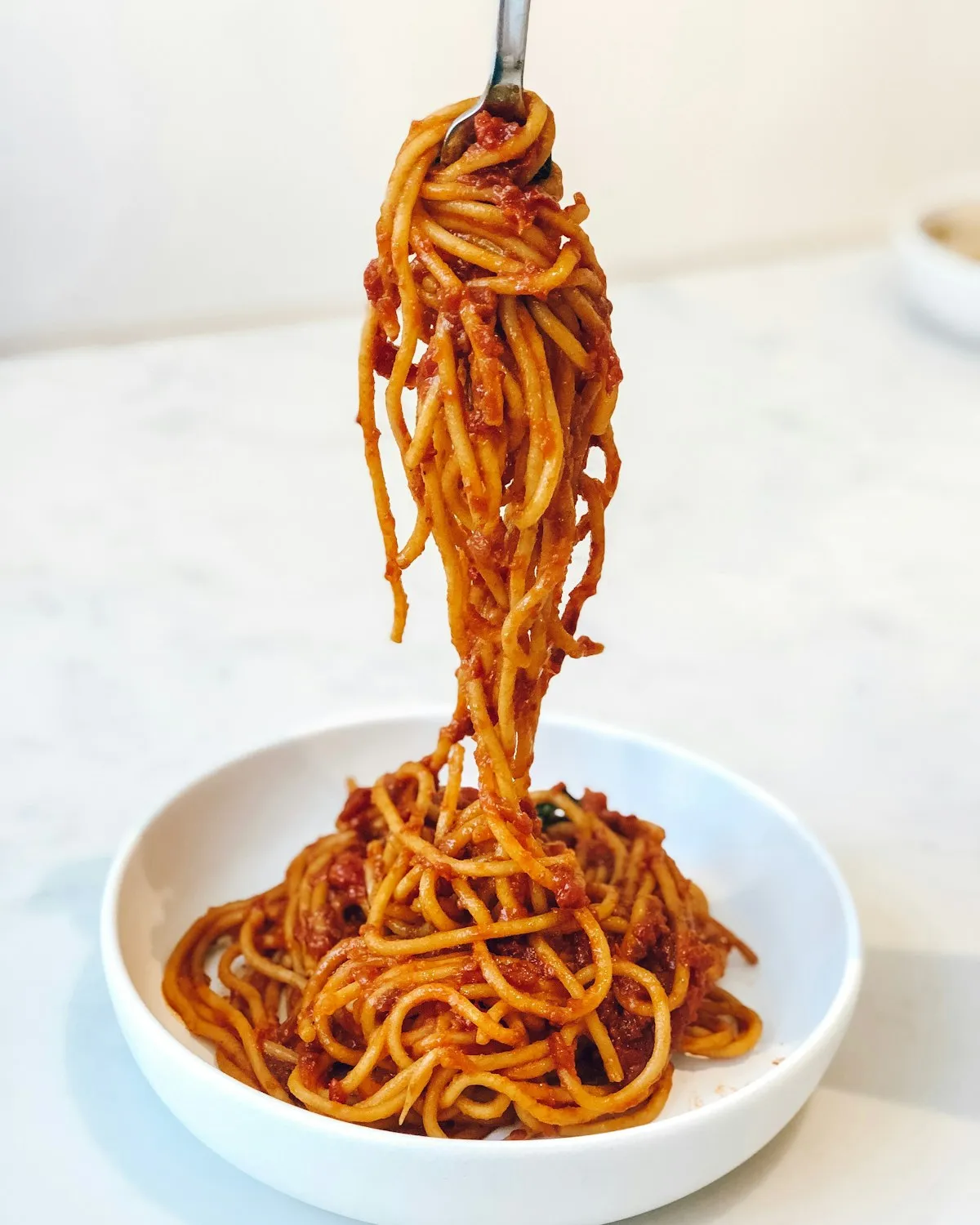
Pasta water contains starch released from the noodles. When you toss it with olive oil, pepper purée, and the hot pasta, the starch helps bring water and fat together into a light emulsion. The result is a sauce that coats the pasta instead of separating into a slick puddle at the bottom of the bowl.
Add the water gradually rather than flooding the pan. You are looking for movement: the pasta should slide easily as you toss, and the sauce should cling in a thin, even layer. If it looks dry, add more. If it looks soupy, keep tossing over gentle heat and let the pasta absorb some of the moisture.
Cookpedia’s one-pot lemon asparagus spaghetti explores this same pasta-water trick in more detail. Once you understand the technique, many quick sauces become much easier to rescue.
Wilt the spinach with restraint
Spinach is mostly water, which is why a large handful collapses so dramatically in a hot pan. That water is useful, but too much cooking can leave the leaves dull, stringy, and watery.
Add spinach near the end and cook it only until the leaves relax. The residual heat from the pasta will continue softening them. Keep the color bright and the texture tender. If you cook the spinach until every last leaf has surrendered, you have gone too far.
Baby spinach is convenient, but mature spinach brings a slightly stronger, earthier flavor. Remove thick stems if needed and tear large leaves so they distribute more evenly. Do not obsess over uniformity; this is dinner, not a spinach engineering project.
Add feta away from fierce heat
Feta does not melt like mozzarella, and that is part of its charm. Its brined, acidic structure allows it to soften into creamy little pockets while keeping some of its crumbly identity. You get contrast instead of a completely smooth sauce.
Turn the heat down or off before adding it. Aggressive heat can make feta grainy and encourage its fat to separate. Stir gently and leave a few visible crumbles on top. The sauce should feel creamy in places, tangy in others, and pleasantly salty throughout.
Finish with a small squeeze of lemon if the dish tastes heavy. Acidity sharpens sweet roasted peppers and cuts through the richness of olive oil and cheese. Add it carefully; feta already contributes tang, so you want brightness rather than sourness.
Variations: Keep the Balance Intact
Make it velvety
Blend the roasted peppers with a little pasta water before combining them with the noodles. This creates a smoother, more concentrated sauce and helps distribute the pepper flavor evenly. Stir in feta afterward so you still get a few creamy crumbles rather than losing all texture.
For an even silkier finish, blend a portion of the feta into the pepper sauce and reserve the rest for garnish. The blended cheese adds body; the remaining crumbles bring salty contrast.
Add protein
Fold in chickpeas for a plant-forward version with extra substance. Their mild flavor lets the peppers and feta remain in charge. White beans work too, especially if you mash a few into the sauce to thicken it naturally.
For a meatier dinner, add shredded chicken or cooked Italian sausage. Keep the portion sensible. Too much protein can crowd out the sweet pepper, green spinach, and tangy cheese that make this pasta work.
Turn up the heat
Add chili flakes, smoked paprika, or a little harissa. Start modestly and taste as you go. Heat should lift the sauce, not erase its roasted sweetness.
Make it dairy-free
Use a dairy-free feta-style cheese, or replace the feta with toasted walnuts and a small spoonful of white bean purée. You will lose the exact salty tang of feta, so compensate with lemon, capers, or a touch of brine.
These flexible adjustments make the dish useful when you need quick family meals or are building a list of healthy dinner ideas that do not feel like punishment in a bowl.
Side Dish Pairings: Add Freshness, Not Competition
Pair this pasta with something crisp and lightly dressed. A simple green salad with lemon vinaigrette brings acidity and crunch, cutting through the soft noodles and creamy feta. Keep the dressing bright and restrained; a heavy creamy salad would make the meal feel flat.
Roasted broccoli, green beans, or asparagus also fit nicely. Their slight bitterness balances the peppers’ sweetness, while their firmer texture gives the plate some necessary contrast.
Serve warm crusty bread if you have extra sauce to mop up. Skip heavily seasoned garlic bread unless you want garlic competing with the sauce. A plain slice with olive oil is often the smarter move.
For a broader meat-free menu, browse Cookpedia’s vegetarian dinner recipes and choose a side with a different texture rather than another soft, cheesy dish.
FAQ: What If the Pasta Goes Wrong?
What if my sauce is too watery?
Keep tossing the pasta with the sauce over low to medium heat. The noodles will absorb some moisture, while the starch will help thicken and bind the mixture. Avoid adding flour; it can make the sauce pasty and dull.
If the sauce remains loose, remove a little liquid with a spoon and continue tossing. Next time, drain the roasted peppers more thoroughly and add pasta water in small splashes rather than all at once.
What if the sauce is too thick?
Add warm pasta water gradually while tossing. Cold water can cool the pan and slow the emulsion, so use water that is still hot from cooking the pasta. Add just enough to loosen the sauce while keeping its pepper flavor concentrated.
A small drizzle of olive oil can also restore a smooth texture, but do not use oil as the only fix. Oil alone will make the dish slick rather than saucy.
Why does my feta taste grainy?
Feta can become grainy when exposed to high heat for too long. Stir it in after reducing the heat, and avoid boiling the sauce once the cheese is present. A little texture is normal, but a curdled, sandy finish usually means the pan was too hot.
Use good-quality feta when possible. Some varieties are creamier and less dry, while pre-crumbled feta may contain anti-caking agents that affect how smoothly it softens.
Can I use fresh red peppers instead of roasted ones?
Yes, but expect a different flavor and a longer cooking time. Fresh peppers need to soften and develop sweetness before they can replace roasted peppers. If you add them raw, the sauce will taste brighter and more vegetal rather than deep and smoky.
Roast or char them first for the closest result. Remove excess skin and seeds, then use them as you would jarred peppers.
Can I make this pasta ahead?
Make it ahead for lunch, but expect the pasta to absorb more sauce as it rests. Store it covered in the refrigerator and reheat gently with a splash of water. Stir frequently so the feta does not separate.
Do not blast it at high heat. Slow reheating protects the sauce’s emulsion and keeps the spinach from turning limp and gray. Add a fresh squeeze of lemon after reheating to wake up the flavors.
Is this suitable for meal prep?
Absolutely, with a small adjustment: reserve extra sauce or pasta water for reheating. Portion the pasta while it is still slightly loose, because it will firm up in the refrigerator.
Keep any fresh herbs, lemon wedges, or extra feta separate until serving. Add them at the end for brightness and texture. That simple finish can make a reheated bowl taste much closer to a freshly cooked dinner.