Recipe
Servings
Servings 1×
Ingredients
- Steak
- Pasta
- Noodles
- Bread
- Broccoli
- Asparagus
- Spinach
- Garlic
- Lemon
- Balsamic vinegar
- Hard cheese
- Butter
- Salt
- Black pepper
Method
- Use a light-colored skillet: stainless steel or white ceramic: so you can actually see the color change.
- Use a spoon to push the foam aside and look at the solids at the bottom.
- Add your sage leaves during the foaming stage.
- Use a medium-low heat to give yourself a wider window of success.
- Use unsalted butter and season at the very end so you have total control.
- Toss the pasta vigorously; the motion helps the cheese incorporate into the emulsion rather than sticking to itself.
There is a specific kind of kitchen magic that happens when you take a single stick of butter and push it just past the point of melting. It transforms from a simple fat into a complex, nutty elixir that smells like toasted hazelnuts and caramel. When you toss this with al dente pasta and shards of crackling-crisp sage, you aren't just making dinner; you’re mastering one of the most sophisticated "fast" sauces in the culinary world. This dish is the ultimate proof that you don't need a long grocery list to create a meal that feels like a celebration.
The Chemistry of Beurre Noisette and The Perfect Crunch
To truly master this dish, you have to understand the science of the pan. We are working with beurre noisette, or "hazelnut butter." Butter is roughly 80% fat, 15% water, and 5% milk solids (proteins and sugars). When you heat it, the water evaporates first. Once that water is gone, the temperature of the fat can rise above 212°F, triggering the Maillard reaction. This is the same chemical process that browns a steak or toasts bread. Those tiny milk solids sink to the bottom and begin to toast, creating hundreds of new flavor compounds.
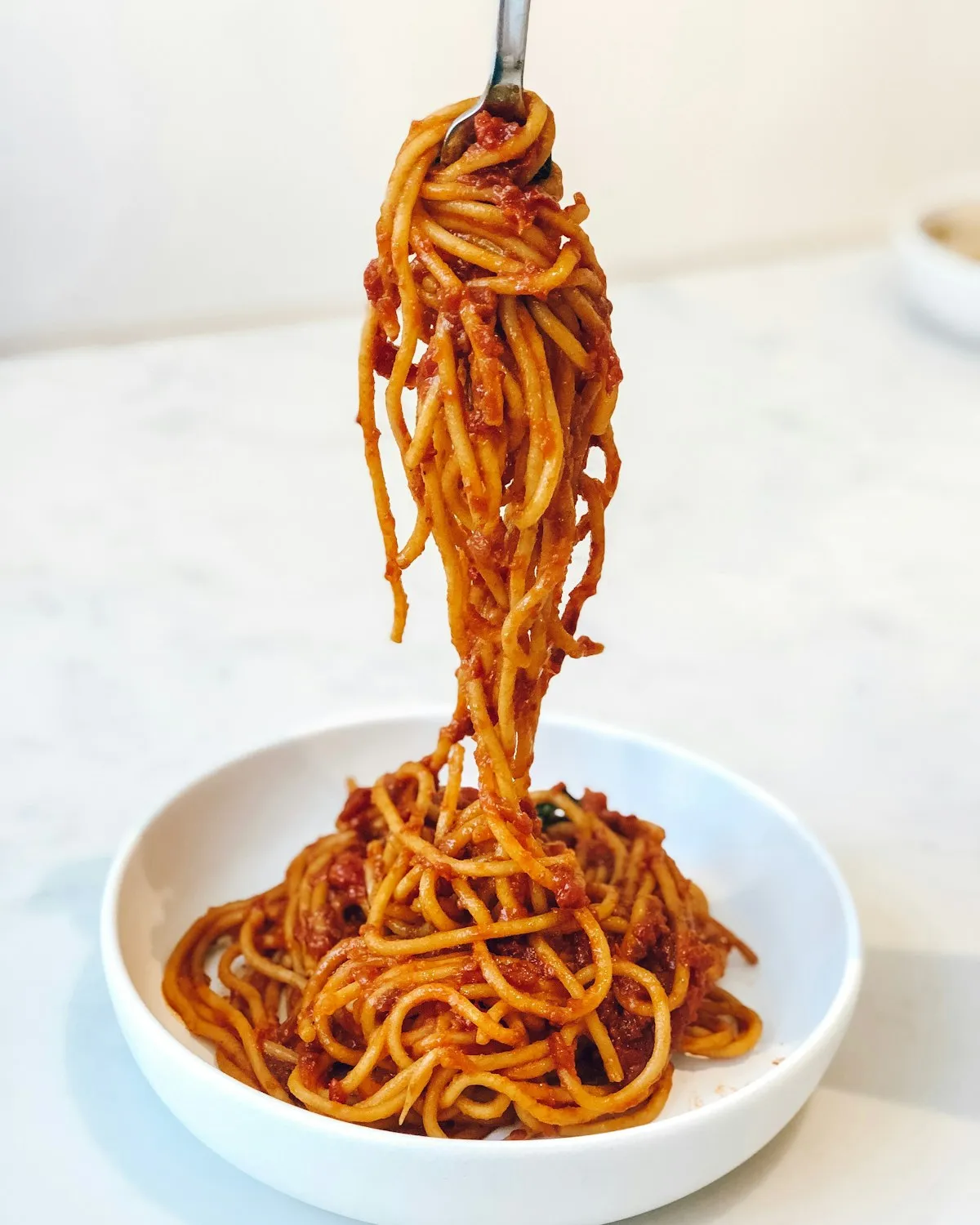
Mastering the Visual Cues
Use a light-colored skillet: stainless steel or white ceramic: so you can actually see the color change. If you use dark cast iron, you’re flying blind and will likely end up with burnt, bitter butter. Watch the stages carefully: first, the butter will melt and sizzle as water escapes. Then, it will start to foam. This foam is your signal to pay attention. Use a spoon to push the foam aside and look at the solids at the bottom. The moment they turn the color of a toasted almond and the kitchen smells like a bakery, remove the pan from the heat. The residual heat will continue to cook the solids, so don't wait until they look dark brown in the pan.
The Physics of Crisping Sage
Sage is unique because its leaves are thick and slightly fuzzy, holding just enough moisture to fry beautifully without disintegrating. Add your sage leaves during the foaming stage. As the water in the butter leaves, it dehydrates the sage. The leaves will crackle loudly: this is the moisture escaping. Once the crackling stops and the leaves turn a deep, translucent green, they are officially "glassed." Move them to a paper towel immediately. If you leave them in the pan while you toss the pasta, the steam from the noodles will turn your crispy masterpieces back into soggy greens.
The Secret to an Emulsified Sauce
Many home cooks simply pour melted butter over pasta, resulting in a greasy puddle at the bottom of the bowl. To avoid this, you must create an emulsion. Reserve a half-cup of your starchy pasta cooking water before draining the noodles. Off the heat, whisk a splash of this liquid into your brown butter. The starch acts as a bridge between the fat and the water, creating a creamy, cohesive sauce that clings to every strand. This technique is a staple for quick family meals where you want high-impact flavor with minimal effort.
Flavor Elevations and Textured Variations
While the classic sage and butter combo is hard to beat, you can easily adapt this base to fit what’s in your pantry. If you’re looking for healthy dinner ideas, consider adding a handful of baby spinach at the very end: the residual heat of the pasta will wilt it perfectly without making it slimy.
- The Allium Add-on: For those who crave more depth, add two cloves of thinly sliced garlic and a pinch of red pepper flakes once the butter begins to foam. The garlic will mellow and sweeten in the butter fat, but be careful: garlic burns faster than milk solids. Add it late to ensure it doesn't turn bitter.
- The Texture Play: Toasted breadcrumbs (Gremolata's cousin) add a necessary crunch. Fry half a cup of Panko in a separate tablespoon of butter until golden, then shower them over the finished pasta. It provides a contrast to the soft noodles that is absolutely addictive.
- Cheese Strategy: Use a high-quality Parmesan-Reggiano or Pecorino-Romano. Avoid the pre-shredded stuff in plastic tubs; the anti-caking agents prevent the cheese from melting smoothly into your emulsion. Grate it finely so it disappears into the sauce, adding salt and umami.
Balancing the Richness: Side Dish Pairings
Because brown butter is incredibly rich and "heavy" in flavor, your side dishes need to provide a sharp, acidic, or bitter contrast to cleanse the palate. Avoid creamy sides or heavy breads.
- Lemony Greens: A simple pile of roasted asparagus or broiled broccolini is ideal. Use plenty of lemon zest and a squeeze of fresh juice. The citric acid cuts right through the fat of the butter.
- Arugula Salad: A peppery arugula salad with a sharp balsamic vinaigrette and shaved radishes provides a fresh, "bitey" counterpoint to the nutty sweetness of the pasta.
- The Air Fryer Shortcut: If you're multitasking, you can toss some Brussels sprouts in the air fryer while the pasta boils. Much like our air fryer recipes dinner collection, keeping the sides simple allows you to focus on the technique of the main dish.
Troubleshooting & FAQ
Why does my brown butter taste bitter?
You likely overshot the Maillard reaction. Once the milk solids turn black, they are burnt, not browned. This happens in a matter of seconds. Use a medium-low heat to give yourself a wider window of success. If it smells like smoke instead of nuts, start over: it's impossible to "un-burn" butter.
Can I use salted butter?
You can, but I don't recommend it. As the water evaporates, the salt concentration in the remaining fat increases. If you use salted butter and salty pasta water, the dish will likely be inedible. Use unsalted butter and season at the very end so you have total control.
My cheese clumped into a ball instead of melting. What happened?
This usually happens because the pan was too hot when the cheese was added, or you didn't use enough pasta water. Always remove the pan from the heat source before adding cheese. Toss the pasta vigorously; the motion helps the cheese incorporate into the emulsion rather than sticking to itself.
Can I make this ahead of time?
Brown butter itself can be made weeks in advance and stored in the fridge. However, the pasta dish itself is best served immediately. Pasta continues to soak up liquid as it sits, so an emulsified butter sauce will eventually disappear into the noodle, leaving it dry. If you must reheat it, add a tiny splash of water and a fresh pat of butter to loosen the sauce back up.
Why aren't my sage leaves crispy?
They were likely still wet when they hit the pan, or you didn't cook them long enough. Ensure the leaves are bone-dry after washing. They should stay in the butter until they stop bubbling. The bubbling is the sound of water leaving the leaf; no bubbles means no water, which means a crisp texture.
{“@type”:”FAQPage”,”@context”:”https://schema.org”,”mainEntity”:[{“name”:”Why does my brown butter taste bitter?”,”@type”:”Question”,”acceptedAnswer”:{“text”:”Bitterness occurs when the milk solids are taken past the golden-brown stage to dark brown or black. This happens quickly once water has evaporated. Use a light-colored pan and medium-low heat to maintain better control.”,”@type”:”Answer”}},{“name”:”Can I use salted butter for brown butter pasta?”,”@type”:”Question”,”acceptedAnswer”:{“text”:”Unsalted butter is preferred. Since the water in the butter evaporates during browning, the salt concentration in the remaining fat becomes much higher, making it difficult to balance the final seasoning of the dish.”,”@type”:”Answer”}},{“name”:”How do I prevent cheese from clumping in the sauce?”,”@type”:”Question”,”acceptedAnswer”:{“text”:”Remove the pan from direct heat before adding finely grated cheese. Ensure you have enough starchy pasta water in the pan to create an emulsion, and toss the pasta vigorously to incorporate the cheese smoothly.”,”@type”:”Answer”}},{“name”:”Why aren’t my sage leaves crispy?”,”@type”:”Question”,”acceptedAnswer”:{“text”:”Sage leaves must be completely dry before frying. They need to stay in the hot butter until the bubbling (moisture escaping) stops. Once they look translucent and deep green, remove them to a paper towel immediately.”,”@type”:”Answer”}}]}