Recipe
Servings
Servings 1×
Ingredients
- Chicken
- Chickpeas
- Black beans
- Beans
- Quinoa
- Pasta
- Noodles
- Carrots
- Spinach
- Greens
- Corn
- Berries
- Tomatoes
- Onion
- Fresh ginger
- Lemon
- Lime
- Balsamic vinegar
Method
- Use the bottom of the jar as your "wet zone." By placing your liquid dressing at the very base, you isolate it.
- Layer in some sturdy chickpeas, then salty olives and feta cheese.
- Start with a lime and cilantro dressing, then stack black beans, corn, and hearty bell peppers.
- Use a layer of shredded cabbage instead of traditional lettuce.
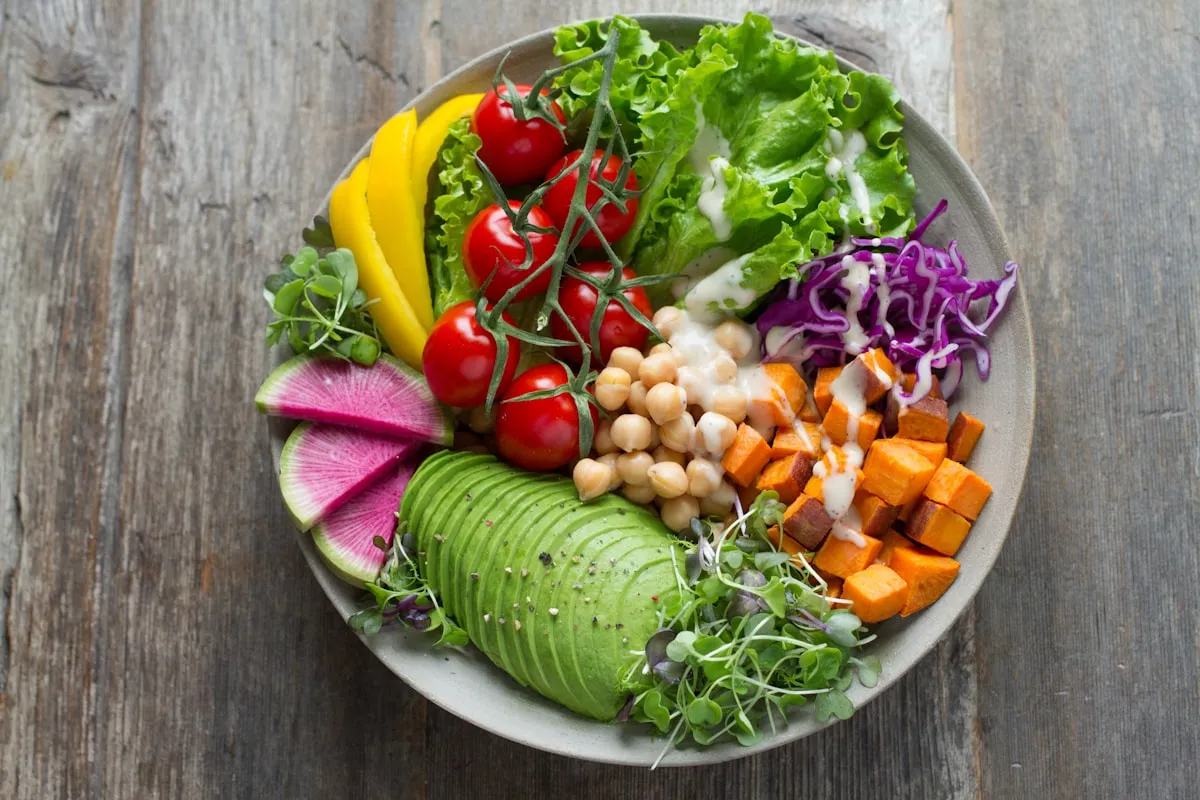
So, you’ve finally managed to gather the family, pack the blanket, and head to the park, only to open your cooler and find a sad, swampy mess where your salad used to be. We’ve all been there. It’s the ultimate outdoor dining heartbreak. But here’s the thing: you don’t have to settle for wilted greens and watered-down dressing. When it comes to picnic ideas, the secret isn't just what you pack, but how you stack it.
Welcome to the world of vertical salad engineering. By using a simple mason jar, you can create healthy picnic recipes that actually stay crisp for hours: even days. It’s not just about looking cute for your social media feed; there’s a legitimate scientific reason why this works. We’re moving the moisture away from the delicate bits and using structural barriers to keep everything in its prime. If you’re tired of the same old soggy sandwiches and want some fresh picnic side dishes that actually taste like real food, you’ve come to the right place.
The Physics of the "No-Soggy" Salad
To master the mason jar salad, you have to understand osmosis. This is the natural process where water moves from an area of high concentration to an area of low concentration. In your salad bowl, the salt and acids in your dressing are constantly trying to pull the water out of your vegetables. When that happens to a delicate leaf of spinach, it collapses and turns into a mushy shadow of its former self.
Use the bottom of the jar as your "wet zone." By placing your liquid dressing at the very base, you isolate it. But gravity is a persistent force, and jars get tilted in picnic baskets. This is where your barrier layers come into play. Choose "hard" vegetables for the layer immediately above the dressing. Think carrots, celery, or thick bell peppers. These ingredients have robust cell walls and high fiber content, meaning they won't absorb the dressing or wilt when they touch it. In fact, they almost act like they’re being lightly marinated, which actually improves their flavor over time.
Avoid putting juicy ingredients like tomatoes or cucumbers in this bottom tier. They leak water, which dilutes your dressing and creates a rising tide of liquid that eventually reaches your greens. Instead, use proteins like chickpeas or black beans as your second line of defense. These are fantastic healthy dinner ideas when repurposed, but in a jar, they provide the weight needed to keep the layers compressed. Packing the jar tightly is a non-negotiable; less air inside means less oxidation, keeping your ingredients vibrant and fresh.
Treat your grains like a sponge. If you’re adding quinoa, farro, or pasta, place them in the middle of the jar. They act as a moisture buffer. If the jar tips over during the drive, the grains will soak up any stray dressing before it can touch the lettuce at the top. This technique is a game-changer for quick family meals on the go, ensuring that the last thing to go into the jar: the delicate greens: stays completely dry until the moment you’re ready to eat.
Beyond the Basic Garden Mix
Once you understand the layering logic, you can start experimenting with flavor profiles that go way beyond a basic house salad. Balance is the key here. If you have a rich, creamy dressing at the bottom, make sure your barrier layers include something with high acidity, like pickled red onions or radishes, to cut through that heaviness.
For a Mediterranean twist, use a sharp lemon-oregano vinaigrette. Layer in some sturdy chickpeas, then salty olives and feta cheese. The feta can handle a bit of moisture, so it’s safe in the lower half. Top it off with a massive handful of arugula. The peppery bite of the arugula is the perfect contrast to the creamy cheese once you dump the jar out and toss it.
If you’re craving something with a bit more kick, try a Southwest-inspired jar. Start with a lime and cilantro dressing, then stack black beans, corn, and hearty bell peppers. Use a layer of shredded cabbage instead of traditional lettuce. Cabbage is a powerhouse in the jar salad world because it’s incredibly durable. While you’re thinking about quick family meals, keep in mind that these jars can be prepped on a Sunday and will still be perfectly crunchy by Wednesday. It’s the ultimate life hack for busy professionals who want healthy dinner ideas that don't require standing over a stove every single night.
Perfect Pairings for the Ultimate Spread
A great salad deserves some company. When you’re planning your picnic side dishes, look for items that offer a different texture or temperature to complement your cold, crisp jars. Since your salad is providing the fiber and freshness, you can afford to pair it with something a bit more substantial.
Consider bringing along some high-quality protein that doesn't mind being served at room temperature. Cold sliced chicken breast or even some air fryer recipes dinner favorites like chilled kielbasa can add that necessary savory punch. The saltiness of processed meats or roasted nuts provides a great counterpoint to a fruit-heavy salad.
Don't forget the crunch. While you can put nuts and seeds at the very top of your jar, they often stay crunchier if you carry them in a small separate container and sprinkle them on at the last second. Pair your jars with some sturdy sourdough or even a few homemade hummus snacks to round out the meal. The goal is a spread that feels cohesive: acid in the salad, fat in the snacks, and plenty of texture throughout.
Freshness and Flavor Variations
Variety is what keeps the "Summer Picnic Series" exciting. You aren't limited to just greens. Think about "noodle jars" using the same layering principles. Put your soy-ginger dressing at the bottom, followed by shredded carrots, edamame, and then cold soba noodles. The noodles will stay perfectly al dente and won't get gummy because they aren't sitting in a pool of sauce.
You can also play with seasonal fruits. A balsamic glaze at the bottom of a jar followed by strawberries and pecans is a classic for a reason. Just remember the golden rule: keep the fruit away from the dressing if it’s particularly soft. Berries and stone fruits should always stay near the top, nestled just under the greens. This prevents them from becoming a bruised, jammy mess by the time you reach the park.
Frequently Asked Questions
How long do mason jar salads actually stay fresh?
If you follow the layering science correctly: keeping the dressing isolated and the jar packed tight: most salads will stay fresh and crisp in the refrigerator for 3 to 5 days. Sturdier greens like kale or cabbage can even push that to 6 or 7 days. This makes them one of the most reliable healthy picnic recipes for those who like to prep their meals well in advance.
Why did my salad still turn out soggy?
Check your seal and your stack. If you leave too much air at the top of the jar, the ingredients will jostle around during transport, causing the dressing to move up the sides and reach the greens. Also, ensure your greens are completely dry before they go into the jar. Use a salad spinner! Even a little bit of leftover rinse water can cause premature wilting.
Can I use plastic containers instead of glass?
You can, but glass is superior for a few reasons. Glass is non-porous, meaning it won't absorb smells or stains from strong vinaigrettes. More importantly, glass is better at maintaining a cold temperature, which is crucial when you’re out in the sun. If you do use plastic, make sure it has a very tight-fitting lid to maintain the necessary compression.
Do I eat the salad directly out of the jar?
You could, but you shouldn't. The whole point of the layering is to keep the dressing separate. To eat it properly, give the jar a good shake to loosen things up, then tip it into a bowl. The layers will invert, so your dressing ends up on top, naturally coating the greens as they fall out. It’s much easier to eat and ensures every bite is perfectly seasoned.
What are the best dressings for long-term storage?
Vinaigrettes are the champions of the mason jar. They are thin enough to distribute easily when you pour the salad out and the acidity helps preserve the vegetables they touch. Creamy dressings like ranch or blue cheese can get a bit thick and "stuck" at the bottom of the jar, so you might need a long spoon to help coax them out when it's time to serve.
Can I include warm ingredients?
Absolutely not. Heat is the enemy of a fresh salad. If you’re adding cooked grains, roasted vegetables, or proteins, they must be completely chilled before they enter the jar. Adding warm quinoa will create steam, which will instantly wilt your greens and turn your beautiful layered creation into a soggy disaster.
{“@type”:”BlogPosting”,”image”:[“https://cdn.marblism.com/ryJrTAV2P7U.webp”,”https://cdn.marblism.com/FvJux6d5uG-.webp”,”https://cdn.marblism.com/4CW9bCJscyn.webp”,”https://cdn.marblism.com/nvEpnDKaFc8.webp”,”https://cdn.marblism.com/63qOtHr_ExV.webp”],”author”:{“name”:”Penny”,”@type”:”Person”},”@context”:”https://schema.org”,”headline”:”Simple Picnic Ideas: Mason Jar Layered Salads”,”keywords”:”picnic ideas, healthy picnic recipes, picnic side dishes, quick family meals, healthy dinner ideas”,”publisher”:{“logo”:{“url”:”https://cookpedia.com/logo.png”,”@type”:”ImageObject”},”name”:”Cookpedia”,”@type”:”Organization”},”description”:”Learn the science of layering mason jar salads to keep your picnic meals fresh and crisp. A complete guide on technique, variations, and pairings.”,”mainEntityOfPage”:{“@id”:”https://cookpedia.com/simple-picnic-ideas-mason-jar-layered-salads”,”@type”:”WebPage”}}