Recipe
Servings
Servings 1×
Ingredients
- Pasta
- Noodles
- Bread
- Asparagus
- Zucchini
- Spinach
- Tomatoes
- Garlic
- Lemon
- Cream
- Butter
- Cooking oil
- Black pepper
Method
- Use a mug to scoop out at least a cup before you drain the pot.
- Use a wide skillet and high heat.
- Add your fat (olive oil or a knob of butter) and a splash of pasta water, then shake the pan vigorously while stirring.
- Sautéing a pinch of red pepper flakes in the oil before adding the tomatoes creates a "Fra Diavolo" vibe that cuts through the sweetness of the fruit.
There is a specific kind of magic that happens when you stop trying so hard in the kitchen. We’ve all been there, juggling fifteen ingredients for a "simple" dinner while the kitchen starts to look like a disaster zone. But let’s be real: the best Italian food isn't about complexity; it’s about respect. If you have great tomatoes, fragrant basil, and a decent box of pasta, you aren't just making dinner; you’re creating a masterpiece. This spaghetti is my go-to when I want maximum flavor with minimal fuss, proving that quick family meals don't need a thousand steps to taste like a dream.
The Science of the Perfect Emulsion
If you’ve ever ended up with a pool of orange water at the bottom of your pasta bowl, you’ve experienced a failed emulsion. In the world of pasta, "sauce" isn't just a liquid you pour over noodles; it is a physical bond between fat and water. To get that glossy, restaurant-quality coating, you need to understand the role of your ingredients beyond just their flavor profiles.
First, let’s talk about "Liquid Gold", otherwise known as your pasta water. Never, and I mean never, pour all of that water down the drain. As pasta cooks, it releases starch into the water. This starch is a natural emulsifier. When you toss your spaghetti with olive oil and tomato juices, the fat and the water naturally want to stay separate. By adding a splash of that cloudy, starchy water, you provide a bridge that allows the oil and tomato juice to bind together into a silky sauce. Use a mug to scoop out at least a cup before you drain the pot.
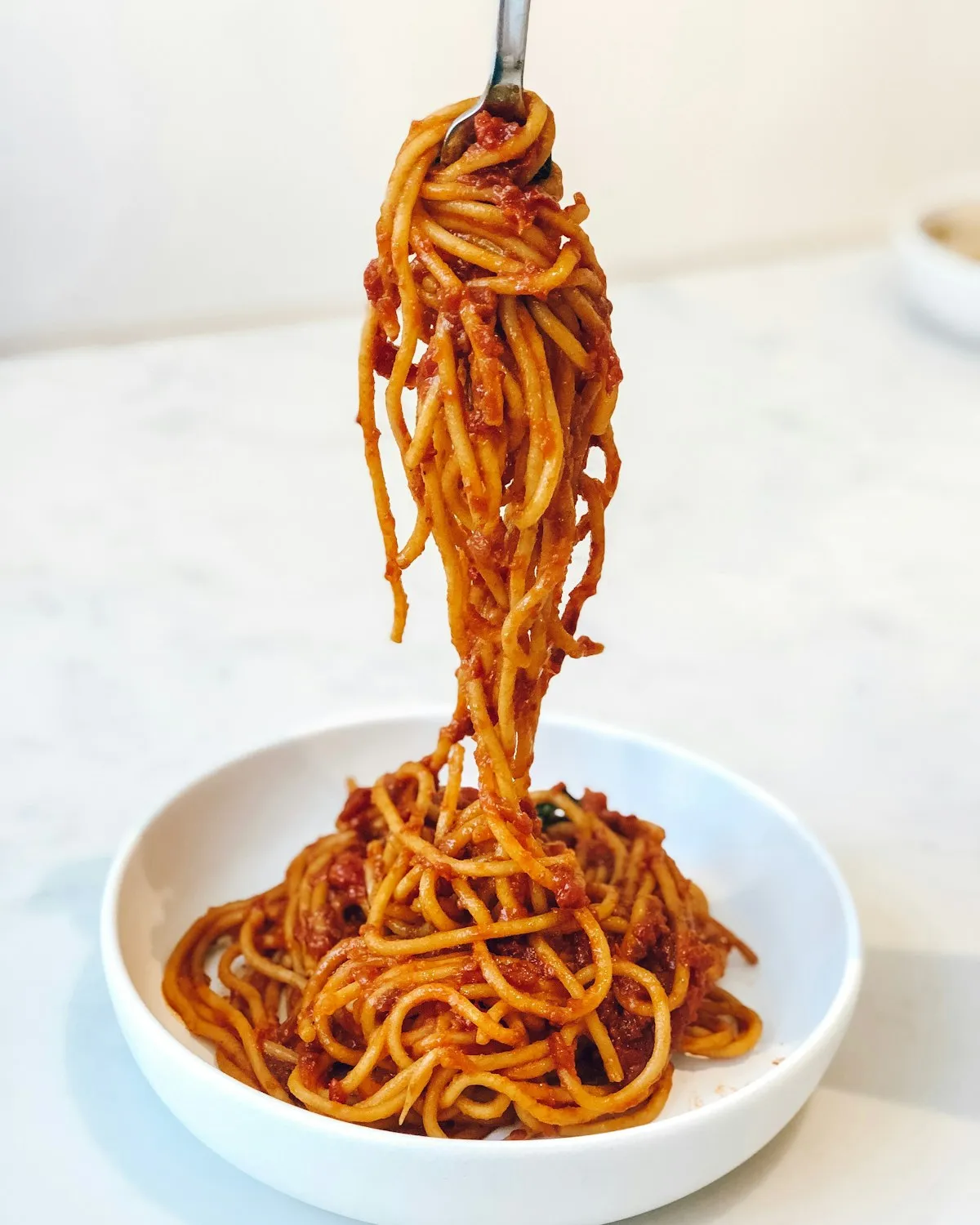
Next, consider your tomato choice. If you want a sauce that bursts and creates an instant pan-syrup, go for cherry tomatoes. They have a higher sugar content and thinner skins, which means they collapse quickly under heat. If you prefer something meatier and more structured, Roma tomatoes are your best friend. They have less water and more "meat," providing a thicker texture. For the ultimate experience, I often mix both: the Romas provide the body, while the cherry tomatoes provide the sweet, acidic pops of flavor.
The final key is mechanical action. You cannot just stir pasta; you must toss it. Use a wide skillet and high heat. When the pasta is just shy of al dente, move it into the pan with your tomatoes. Add your fat (olive oil or a knob of butter) and a splash of pasta water, then shake the pan vigorously while stirring. This motion breaks the fat into tiny droplets that the starch then traps, creating that gorgeous sheen. Check out our other pasta techniques to master this move.
Flavor Variations for Every Mood
While the classic version is hard to beat, you can easily tweak this recipe to fit your cravings. If you’re looking for more healthy dinner ideas, consider adding a massive handful of baby spinach at the very end. The residual heat will wilt it in seconds, adding a nutritional punch without changing the soul of the dish.
For those who like a bit of drama, introduce some heat. Sautéing a pinch of red pepper flakes in the oil before adding the tomatoes creates a "Fra Diavolo" vibe that cuts through the sweetness of the fruit. If you want more depth, toss in a spoonful of capers or chopped olives. The saltiness balances the acidity of the tomatoes perfectly.
Texture is another playground. Try topping your finished bowl with toasted breadcrumbs (pangrattato) instead of cheese. It adds a delightful crunch that makes every bite interesting. If you’re a fan of one-pot meals, you can even experiment with cooking the pasta directly in a thinned-out tomato base, though you'll need to be precise with your liquid ratios to ensure the starch doesn't make things too gummy.
Perfect Side Dish Pairings
Even a bowl of pasta this good occasionally needs a companion. To keep things balanced, look for sides that offer a contrast in texture or temperature. A crisp, bitter arugula salad with a simple lemon vinaigrette is the classic choice. The sharp acidity of the lemon and the pepperiness of the greens cleanse the palate between bites of rich, olive-oil-coated pasta.
If you’re leaning into the comfort food aspect, garlic bread is non-negotiable. For a faster version, you can look up air fryer recipes dinner hacks for garlic toast, it takes about 4 minutes and stays much crispier than the oven version. Another great option is roasted zucchini or charred asparagus. These vegetables bring an earthy note that grounds the bright, high-acid profile of the fresh tomato sauce.
When planning your menu, remember that this dish is light. Avoid heavy, cream-based sides. You want to maintain that "fresh from the garden" feeling that makes this one of the most reliable quick family meals in your rotation. For more inspiration, browse our vegetarian dinner recipes to find the perfect green pairing.
FAQ: Mastering the Tomato Basil Spaghetti
Why is my sauce watery instead of glossy?
This usually happens because you didn't let the tomatoes cook down enough or you skipped the "tossing" phase. Fresh tomatoes release a lot of water initially. You must let that water evaporate until the juices become slightly syrupy before adding your pasta. Also, ensure you are using starchy pasta water, not plain water from the tap!
Can I use dried basil instead of fresh?
In a pinch, yes, but be warned: the flavor profile will shift from "bright and peppery" to "earthy and minty." If you must use dried, add it at the beginning with your garlic so the oil can rehydrate the leaves and release their fat-soluble flavors. Fresh basil should always be added at the very end to preserve its delicate aroma.
What if my tomatoes aren't sweet?
If you’re stuck with off-season supermarket tomatoes that taste like cardboard, don't panic. Add a tiny pinch of sugar (about half a teaspoon) while they simmer. This mimics the natural sweetness of sun-ripened tomatoes and balances the acidity. Alternatively, a splash of balsamic vinegar can add the depth that underripe tomatoes lack.
How do I store and reheat leftovers?
Pasta with fresh tomato sauce is best eaten immediately, as the noodles will continue to soak up the sauce as they sit. However, if you have leftovers, store them in an airtight container for up to two days. To reheat, add a tiny splash of water to a pan and toss the pasta over medium heat until warmed through. Avoid the microwave if possible, as it tends to make the olive oil feel greasy rather than silky.
Is this recipe healthy?
Absolutely. This is one of those healthy dinner ideas that relies on whole foods and heart-healthy fats. By using extra virgin olive oil and fresh vegetables, you’re getting a high dose of antioxidants and lycopene. If you want to boost the fiber, swap the standard spaghetti for a high-quality whole-wheat or chickpea-based pasta.
{“@type”:”BlogPosting”,”image”:”https://cdn.marblism.com/A16UnyqqTYD.webp”,”author”:{“name”:”Cookpedia”,”@type”:”Organization”},”@context”:”https://schema.org”,”headline”:”Simple Spaghetti with Fresh Tomatoes and Basil”,”publisher”:{“logo”:{“url”:”https://cookpedia.com/logo.png”,”@type”:”ImageObject”},”name”:”Cookpedia”,”@type”:”Organization”},”mainEntity”:[{“name”:”Why is my sauce watery instead of glossy?”,”@type”:”Question”,”acceptedAnswer”:{“text”:”Watery sauce usually results from insufficient reduction of the tomato juices or skipping the emulsification step with starchy pasta water. Ensure the tomato juices have thickened before adding the pasta and toss vigorously with a splash of the cooking water.”,”@type”:”Answer”}},{“name”:”Can I use dried basil instead of fresh?”,”@type”:”Question”,”acceptedAnswer”:{“text”:”Yes, but add it early with the garlic to release its flavor. Fresh basil is preferred for its bright, peppery aroma and should be added at the very end.”,”@type”:”Answer”}},{“name”:”What if my tomatoes aren’t sweet?”,”@type”:”Question”,”acceptedAnswer”:{“text”:”Add a small pinch of sugar or a splash of balsamic vinegar during the simmering process to enhance the flavor of underripe or off-season tomatoes.”,”@type”:”Answer”}}],”description”:”Learn the science behind the perfect simple spaghetti with fresh tomatoes and basil. Master the art of emulsification for a glossy, restaurant-quality sauce at home.”,”datePublished”:”2026-07-09″,”mainEntityOfPage”:{“@id”:”https://cookpedia.com/simple-spaghetti-fresh-tomatoes-basil”,”@type”:”WebPage”}}