Recipe
Servings
Servings 1×
Ingredients
- Pasta
- Noodles
- Tomatoes
- Garlic
- Cream
- Butter
- Cooking oil
- Salt
Method
- Use these techniques to nail that classic tomato-and-basil profile without turning it into tomato soup on noodles.
- Make peace with this: in simple pasta recipes , ingredient quality is the whole game.
- Use the best tomatoes you can get.
- Use gentle heat in the oil so garlic perfumes the fat without browning too much.
- Add some salt when the tomatoes hit the pan, then re-check at the end once it’s reduced.
- Use it like a volume knob, not a flavor.
Simple tomato and basil pasta is the kind of dinner that makes you feel like you’ve got your life together, whether you do or not. It’s traditional Italian comfort built on a short ingredient list and a few non-negotiable techniques that turn “fine” into why is this so good?
This post is all about simple pasta recipes: minimal ingredients, maximum payoff, and the small bits of food science that make tomato sauce cling like it means it. If you want a bowl that tastes like a tiny trattoria moment at your kitchen table, keep reading and cook on purpose.
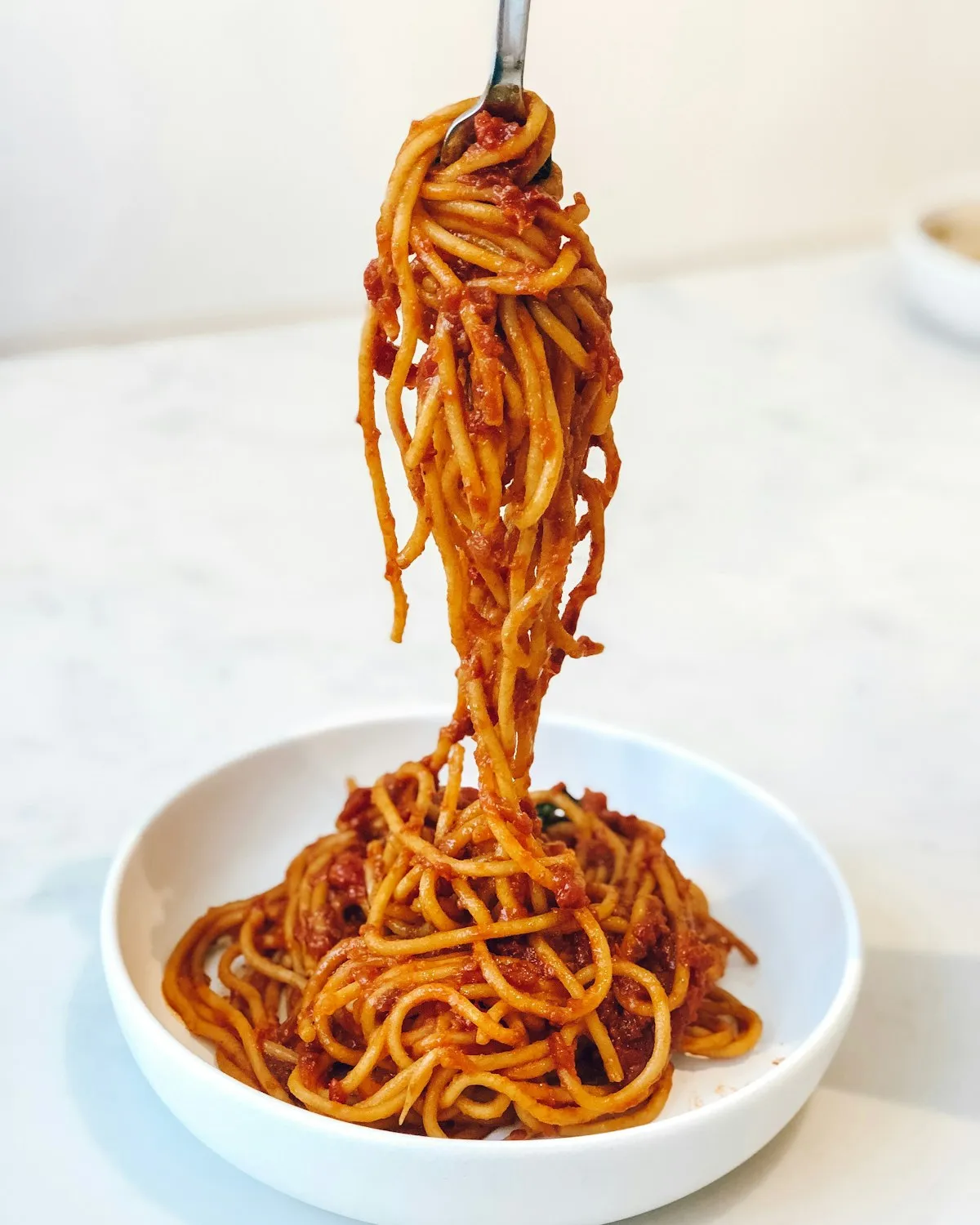
Tips & Technique: Emulsion, Acidity, and “Sauce That Actually Sticks”
Traditional Italian cooking doesn’t hide behind complicated steps, it relies on precision and great timing. Use these techniques to nail that classic tomato-and-basil profile without turning it into tomato soup on noodles.
Use fewer ingredients, but make them count
Make peace with this: in simple pasta recipes, ingredient quality is the whole game. When there’s nowhere to hide, a bland tomato tastes bland, and tired basil tastes like lawn clippings.
Use the best tomatoes you can get. Out of season, high-quality canned whole tomatoes are often more consistent than sad winter “fresh” tomatoes. Whole tomatoes also tend to taste cleaner than crushed because they’re less processed and less exposed to oxidation.
Control water, or your sauce turns thin and flat
Watery sauce is the #1 reason tomato pasta tastes “meh.” It’s not just texture, excess water dilutes flavor, prevents the sauce from clinging, and makes the whole dish feel unfinished.
Do this instead:
- Reduce the sauce enough that it looks glossy and cohesive, not soupy.
- If you’re using fresh tomatoes, remove some watery seed gel (that’s the part that loves to flood your pan).
- If you’re using canned tomatoes, don’t be afraid to simmer a little more aggressively (steady bubbles, not a timid quiver). Evaporation is your friend.
Keep garlic pale and fragrant, burnt garlic ruins everything
Garlic goes from sweet and aromatic to bitter in a blink. In traditional Italian tomato sauces, garlic shouldn’t taste toasted-dark or harsh.
Use gentle heat in the oil so garlic perfumes the fat without browning too much. Once garlic is bitter, the bitterness doesn’t “cook out.” It just sits there, smugly, in every bite.
Salt early, taste late
Salt does more than “make it salty.” It helps pull moisture from tomatoes, encourages the sauce to taste rounder, and balances acidity. Add some salt when the tomatoes hit the pan, then re-check at the end once it’s reduced. Reduction concentrates salt too, so avoid overshooting.
If your sauce tastes sharp even after simmering, a tiny pinch of sugar can help, especially with canned tomatoes. Don’t turn it sweet. Use it like a volume knob, not a flavor.
Add basil late to keep it smelling like basil
Basil’s best aromas are volatile. Long cooking drives off those fresh, peppery, slightly sweet notes and leaves you with “cooked herb” vibes.
Use a two-step basil strategy:
- Add just a small amount early if you want depth (think: background flavor).
- Add most basil at the end, off heat, so it stays bright and fragrant.
The real magic: emulsify with pasta water
This is the difference between “pasta with sauce” and a finished dish. Starchy pasta water helps the oil, tomato solids, and water phase bind into a glossy emulsion that coats noodles instead of pooling at the bottom of the bowl.
Don’t just dump sauce on drained pasta. Finish the pasta in the sauce and loosen with reserved pasta water a splash at a time. That’s how you get that restaurant-style cling without adding cream or extra butter.
Choose a pasta shape that works with a simple sauce
With a minimalist sauce, pasta shape matters more than you’d think.
- Use long pasta (spaghetti, linguine) when you want silky, glossy coating.
- Use short pasta (rigatoni, mezzi rigatoni) when you want more sauce caught in grooves and tubes.
Either way, cook it al dente and finish it in the sauce. That last minute in the pan is where flavor moves from “around the pasta” to “into the pasta.”
For more weeknight-friendly pasta inspiration, check Cookpedia’s pasta section and recent pasta recipes (start here: https://cookpedia.com/spicy-tomato-basil-one-pot-linguine-achieving-the-perfect-glossy-sauce).
Variations: Keep It Traditional, Keep It Smart
You can absolutely riff on tomato-basil pasta, just don’t bulldoze the point of it. The best variations still taste like a classic.
Make it “Pomodoro-plus” (still simple)
Want a little more depth without leaving traditional territory?
- Add a small amount of finely chopped onion or shallot and sweat it gently before tomatoes. It adds sweetness and body.
- Add a pinch of chili flakes for gentle heat (not spicy, just warmer).
- Finish with a drizzle of good olive oil off heat. It boosts aroma and gives a richer mouthfeel.
Make it creamy (without making it heavy)
If you want a softer, rounder sauce, keep it Italian-ish and controlled:
- Add a spoonful of mascarpone or a small knob of butter at the end (off heat). This smooths acidity and adds sheen.
- Avoid drowning it in cream. Cream can mute the tomato and basil instead of supporting them.
Add protein the traditional way
If you want it heartier for quick family meals, keep the protein clean and not overly seasoned:
- Add torn mozzarella or burrata at the end (heat from the pasta should soften it).
- Add sautéed shrimp or seared chicken separately and top the pasta. Don’t simmer delicate proteins in the sauce unless you want overcooked sadness.
Make it pantry-friendly
When basil is pricey or wilting in the crisper drawer:
- Use a smaller amount of basil and lean more on good olive oil and grated cheese for aroma and finish.
- Don’t swap in dried basil and expect the same result. If you must, treat dried basil as background, then add something fresh (like parsley) at the end for lift.
This is also where this dish earns its spot in your rotation of healthy dinner ideas: it’s naturally plant-forward, satisfying, and doesn’t need much to feel complete, especially if you pair it well.
Side Dish Pairings: Balance Richness with Crunch and Acid
Tomato-basil pasta is bright and savory, but it can still feel “soft” on the plate. Pair it with texture and acidity so the meal doesn’t blur into one note.
Go crisp and bitter (in a good way)
Use a simple green salad to cut through the starch:
- Choose arugula or mixed greens.
- Use lemon juice or red wine vinegar for sharpness.
- Add shaved parmesan for salty contrast.
Cookpedia has a great minimalist salad that plays perfectly here: https://cookpedia.com (look for The Zesty Arugula Salad on the site’s latest recipes list).
Add bread, but do it deliberately
Use crusty bread to scoop what’s left in the bowl (because obviously). Keep it simple:
- Toast or warm it.
- Rub with garlic and drizzle with olive oil.
- Avoid heavily buttery, sweet, or herby bread that competes with basil.
Add a vegetable side with bite
If you want more color and nutrition without overcomplicating:
- Roast broccoli or broccolini and finish with lemon.
- Quick-sauté zucchini with a pinch of salt and a squeeze of lemon.
- Serve blistered cherry tomatoes as a side if you’re going full tomato season.
FAQ: Fixes for Watery Sauce, Dull Flavor, and Basil That Turns Sad
Why is my tomato sauce watery?
You didn’t remove enough water or you didn’t reduce long enough. Tomatoes (especially fresh) hold a lot of liquid, and it has to evaporate before the sauce can concentrate and cling.
Do this: simmer uncovered until the sauce looks thicker and glossy. Finish the pasta in the sauce with a splash of pasta water, pasta water helps emulsify, but it won’t rescue a sauce that’s basically tomato tea.
What if my sauce tastes too acidic?
Acidity comes from tomato variety, canning, and under-reduction.
Do this: simmer a bit longer to mellow sharp notes. Add salt (often the real missing piece). If it still tastes sharp, add a tiny pinch of sugar, not to sweeten, just to round edges. Avoid adding lots of cheese early to “mask” acidity; it can turn the flavor muddy.
Why does my basil turn dark or taste dull?
Heat and time. Basil’s aromatics are fragile, and long simmering destroys the fresh character.
Do this: add most basil at the end, off heat. Tear it instead of finely mincing (less bruising, less oxidation). Store basil properly, avoid chilling it uncovered; it browns faster.
My garlic tasted bitter, what happened?
Garlic likely browned too much in the oil. Dark golden garlic can be delicious in some dishes, but in a classic pomodoro-style sauce it can read harsh.
Do this: start garlic in oil over low to medium heat and stop as soon as it’s fragrant. If you see fast browning, your pan is too hot, pull it off the heat for a moment.
What if I don’t have pasta water because I drained it already?
You can still finish the sauce, but you’ll miss the starchy binder.
Do this: add a splash of hot water and a drizzle of olive oil, then toss vigorously to help it come together. Next time, reserve a mug of pasta water before draining, make it a habit.
Why doesn’t the sauce stick to my pasta?
Usually one (or more) of these: sauce is too watery, you didn’t emulsify with pasta water, or you didn’t finish the pasta in the sauce.
Do this: keep the sauce at a lively simmer, add pasta directly to the pan, and toss for 1–2 minutes with splashes of pasta water until it looks glossy and cohesive.
Can I make this ahead for meal prep?
Yes, but treat basil like a last-minute add-in.
Do this: make the tomato sauce ahead and cool it quickly. Reheat gently, then add fresh basil right before serving. If you’re planning quick family meals for the week, keep the sauce separate and cook pasta fresh when you can: texture stays better.
Is this one of those “air fryer recipes dinner” situations?
Not really: the stovetop is the right tool here. Save the air fryer for sides (like roasted veg) or proteins while the sauce simmers. If you’re building a weeknight plan with air fryer recipes dinner options, use this pasta as your calm, reliable stovetop anchor.
{“@type”:”Article”,”image”:[“https://cdn.marblism.com/ex2wpKQjgGc.webp”,”https://cdn.marblism.com/Wg_jnVC6AIJ.webp”,”https://cdn.marblism.com/P2dUHCqwiy2.webp”,”https://cdn.marblism.com/Qaqd1a70nne.webp”,”https://cdn.marblism.com/k8jWoTrtGQd.webp”],”author”:{“name”:”Cookpedia”,”@type”:”Person”},”@context”:”https://schema.org”,”headline”:”Simple Tomato and Basil Pasta”,”publisher”:{“url”:”https://cookpedia.com”,”name”:”Cookpedia”,”@type”:”Organization”},”description”:”A traditional Italian approach to simple tomato and basil pasta, focusing on technique: reduction, acidity balance, basil timing, and emulsifying with pasta water for a glossy sauce that clings.”,”dateModified”:”2026-06-01″,”datePublished”:”2026-06-01″,”mainEntityOfPage”:{“@id”:”https://cookpedia.com”,”@type”:”WebPage”}}