Recipe
Servings
Servings 1×
Ingredients
- Tofu
- Pasta
- Noodles
- Rice
- Peas
- Fresh ginger
- Lime
- Cooking oil
- Soy sauce or tamari
- Sesame
- Chili seasoning
Method
- Start by whisking your sesame paste or ginger-soy base vigorously.
- Use a wide, shallow pan rather than a deep pot.
- Use a spoonful of chili crisp or freshly grated horseradish.
There is something deeply grounding about a bowl of noodles. It’s the ultimate culinary hug, especially when the day has been long and your patience is short. You don’t need a pantry full of exotic ingredients or a kitchen staff to find that soulful "slurp" moment. You just need 15 minutes and the right technique. These sesame ginger soba noodles are the epitome of minimalist cooking: few ingredients, maximum impact, and zero fluff. If you are hunting for healthy dinner ideas that don't feel like a chore, you’ve arrived at your destination.
The Science of the Soba Starch Emulsion
When you think of one pot meals, you might envision a heavy stew or a slow-cooked roast. But noodles, specifically buckwheat-based soba, are secret weapons for the one-pot enthusiast. Most traditional recipes tell you to boil soba in massive amounts of water and then rinse them under a cold tap. This removes the surface starch to prevent clumping. However, in our 15-minute soulful kitchen, we are going to flip that script. We are going to use that starch to our advantage.
Soba is made from buckwheat, which lacks the gluten structure of traditional durum wheat. This makes it delicate. When you cook it in a measured amount of liquid: just enough to cover the strands: the noodles release a concentrated dose of surface starch into the water. Instead of washing this "liquid gold" down the drain, we use it as a bridge. This starchy liquid acts as a natural emulsifier, helping the fats (like our toasted sesame oil) bond with the liquids (soy sauce and ginger juice).
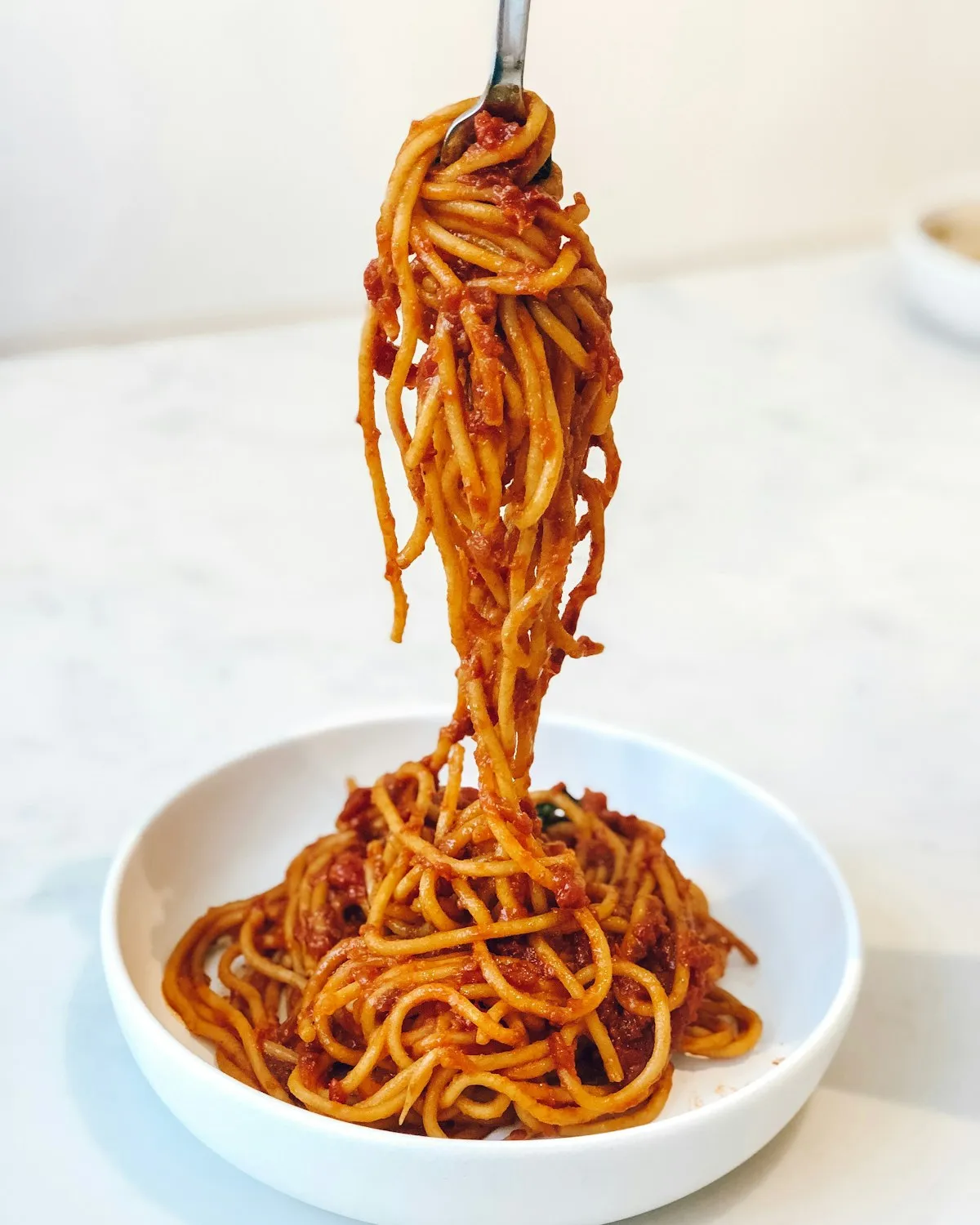
To achieve that professional, glossy coat you see in high-end ramen shops, you must understand the emulsion. Start by whisking your sesame paste or ginger-soy base vigorously. You are creating a stable home for the oil. When you add the hot, starchy noodle water back into this base, the starch molecules swell and trap the oil droplets, preventing them from separating. The result is a sauce that clings to every single noodle rather than pooling sadly at the bottom of the bowl. This technique is similar to how we manage starch in our one-pot linguine recipes.
Mastering the Heat and Timing
Precision is your best friend here. Soba goes from perfectly al dente to a gummy mess in a matter of seconds. Use a wide, shallow pan rather than a deep pot. This allows the water to evaporate at a controlled rate and gives the noodles room to breathe.
- Avoid the violent boil. A aggressive, rolling boil will physically beat the delicate buckwheat noodles until they snap. Maintain a strong simmer.
- Check the bite. Start tasting at the 3-minute mark. You want a slight resistance in the center.
- Residual heat is real. Remember that the noodles will continue to soften once you toss them in the sauce. Pull them off the flame slightly before you think they are done.
By treating the process with this level of scientific respect, you turn simple pasta recipes into gourmet experiences. This isn't just about feeding yourself; it's about the craft of the meal.
Soulful Variations for Every Mood
The beauty of a minimalist base is its versatility. Once you’ve mastered the one-pot noodle technique, you can adapt it to whatever is in your fridge. If you’re looking for quick family meals that satisfy different dietary needs, start here.
For a protein boost, I often reach for tofu. Specifically, an air-fried sesame tofu provides a fantastic textural contrast to the soft, silky soba. The crunch of the tofu skin against the tender buckwheat is a sensory win. If you’re already using your air fryer for other air fryer recipes dinner enthusiasts love, just toss a block of pressed tofu in there with some cornstarch while your noodles simmer.
If you crave heat, don't just dump in sriracha. Use a spoonful of chili crisp or freshly grated horseradish. The ginger already provides a "back-of-the-throat" warmth, so you want to add layers of spice rather than just raw heat. For crunch, skip the basic peanuts and go for toasted sunflower seeds or even crushed wasabi peas. It keeps the soul of the dish alive while keeping your palate interested.
Balancing the Bowl: Side Dish Pairings
Because this dish is rich with the nuttiness of sesame and the earthiness of buckwheat, you need acidity and freshness to cut through that weight. Balance is the key to all healthy dinner ideas.
I highly recommend a side of quick-pickled cucumbers or steamed snap peas with a heavy squeeze of lime. The citric acid acts as a palate cleanser, resetting your taste buds after every rich, savory bite of noodle. If you want something more substantial, a simple arugula salad with a rice vinegar dressing works wonders.
Don't overcomplicate the sides. The goal is to support the noodles, not compete with them. A small dish of kimchi or even some blanched bok choy drizzled with a tiny bit of leftover sauce is all you need to complete the experience. If you’re juggling multiple quick family meals, keeping the sides consistent and simple is a sanity-saver.
Frequently Asked Questions
Why did my soba noodles turn into a single gummy clump?
This is almost always a result of too much starch and too little movement. If the water level drops too low before the noodles are cooked, the starch concentration becomes like glue. Next time, add a splash of boiling water if the pan looks dry. Also, ensure you are using a wide enough pan; if the noodles are crowded, they will bond to each other instead of swimming freely.
Can I use 100% buckwheat soba for this?
You can, but be warned: 100% buckwheat is extremely fragile because it has no gluten. It is much harder to execute as a one-pot meal because it breaks easily. For this technique, a "Ni-hachi" style soba (roughly 80% buckwheat, 20% wheat) is your best bet. The wheat provides the structural integrity needed to survive the tossing and emulsifying.
Is it possible to make this ahead of time?
Soba is best enjoyed immediately. Because of the high starch content, these noodles will continue to absorb liquid even after they are plated. If you leave them in the fridge, they will likely become a solid block. If you must meal prep, store the sauce and the noodles separately, and only combine them with a splash of hot water when you are ready to eat.
What if I don't have sesame oil?
Sesame oil isn't just a fat; it's the primary flavor profile of this dish. If you absolutely must substitute, use a neutral oil like grapeseed and whisk in a tablespoon of toasted sesame seeds or tahini to mimic the flavor. Avoid olive oil here, as its peppery notes will clash with the ginger.
Can I do this in an air fryer?
While you can't cook the noodles themselves in an air fryer, you can certainly use it for the trimmings. Many of our favorite air fryer recipes dinner fans swear by roasting broccoli or mushrooms to toss into the noodles at the end. It adds a smoky, charred dimension that complements the ginger beautifully.
Cooking doesn't have to be a marathon. It’s about understanding the "why" behind the "how." When you respect the starch and master the emulsion, a 15-minute meal becomes a soulful ritual. Now, go grab your chopsticks and get slurping.
{“@type”:”BlogPosting”,”image”:”https://cdn.marblism.com/XEklEMkXyQU.webp”,”author”:{“name”:”Cookpedia”,”@type”:”Organization”},”@context”:”https://schema.org”,”headline”:”Slurp Soulfully: 15-Minute Sesame Ginger Soba Noodles”,”publisher”:{“logo”:{“url”:”https://cookpedia.com/logo.png”,”@type”:”ImageObject”},”name”:”Cookpedia”,”@type”:”Organization”},”mainEntity”:[{“name”:”Why did my soba noodles turn into a single gummy clump?”,”@type”:”Question”,”acceptedAnswer”:{“text”:”This is usually due to high starch concentration and low water levels. Add a splash of boiling water if the pan looks dry and use a wider pan to give the noodles space.”,”@type”:”Answer”}},{“name”:”Can I use 100% buckwheat soba for one-pot meals?”,”@type”:”Question”,”acceptedAnswer”:{“text”:”100% buckwheat is very fragile without gluten. For one-pot methods, a blend containing some wheat flour (Ni-hachi style) is recommended for better structural integrity.”,”@type”:”Answer”}}],”description”:”Learn the science behind 15-minute one-pot sesame ginger soba noodles. Master the starch emulsion for a glossy, soulful meal every time.”,”datePublished”:”2026-06-05″,”mainEntityOfPage”:{“@id”:”https://cookpedia.com/slurp-soulfully-15-minute-sesame-ginger-soba-noodles”,”@type”:”WebPage”}}