Recipe
Servings
Servings 1×
Ingredients
- Shrimp
- Pasta
- Noodles
- Bread
- Asparagus
- Peas
- Garlic
- Lemon
- Lime
- Butter
- Cooking oil
- Chili seasoning
Method
- Use a paper towel and be aggressive: pat those shrimp dry until they are virtually parched.
- Use this visual cue: a loose "C" shape means the shrimp is perfectly cooked: tender, juicy, and snapping with freshness.
- Heat is the enemy of fresh herb oils; you want them to wilt slightly into the sauce, not cook until they lose their vibrant green color and personality.
If you have fifteen minutes, you have a gourmet dinner. That is the magic of working with shrimp: they are the ultimate fast food of the "real food" world. My philosophy on cooking has always been that you don’t need an hour and a twenty-item shopping list to find your soul in a meal. You just need high-quality ingredients and a basic understanding of the physics happening in your skillet. This garlic butter shrimp is my go-to for those chaotic weeknights when I want something that feels like a reward but takes less time than a commercial break.
The Science of the Perfect Sear and Silky Sauce
Cooking shrimp is less about "following a recipe" and more about managing heat and moisture. To get that soulful, deep flavor, you have to respect the Maillard reaction. This is the chemical dance between amino acids and reducing sugars that gives seared food its distinctive brown crust and savory depth. If your shrimp are wet when they hit the pan, they won't sear; they’ll steam. Use a paper towel and be aggressive: pat those shrimp dry until they are virtually parched. This is the only way to get that gorgeous golden exterior in under two minutes.
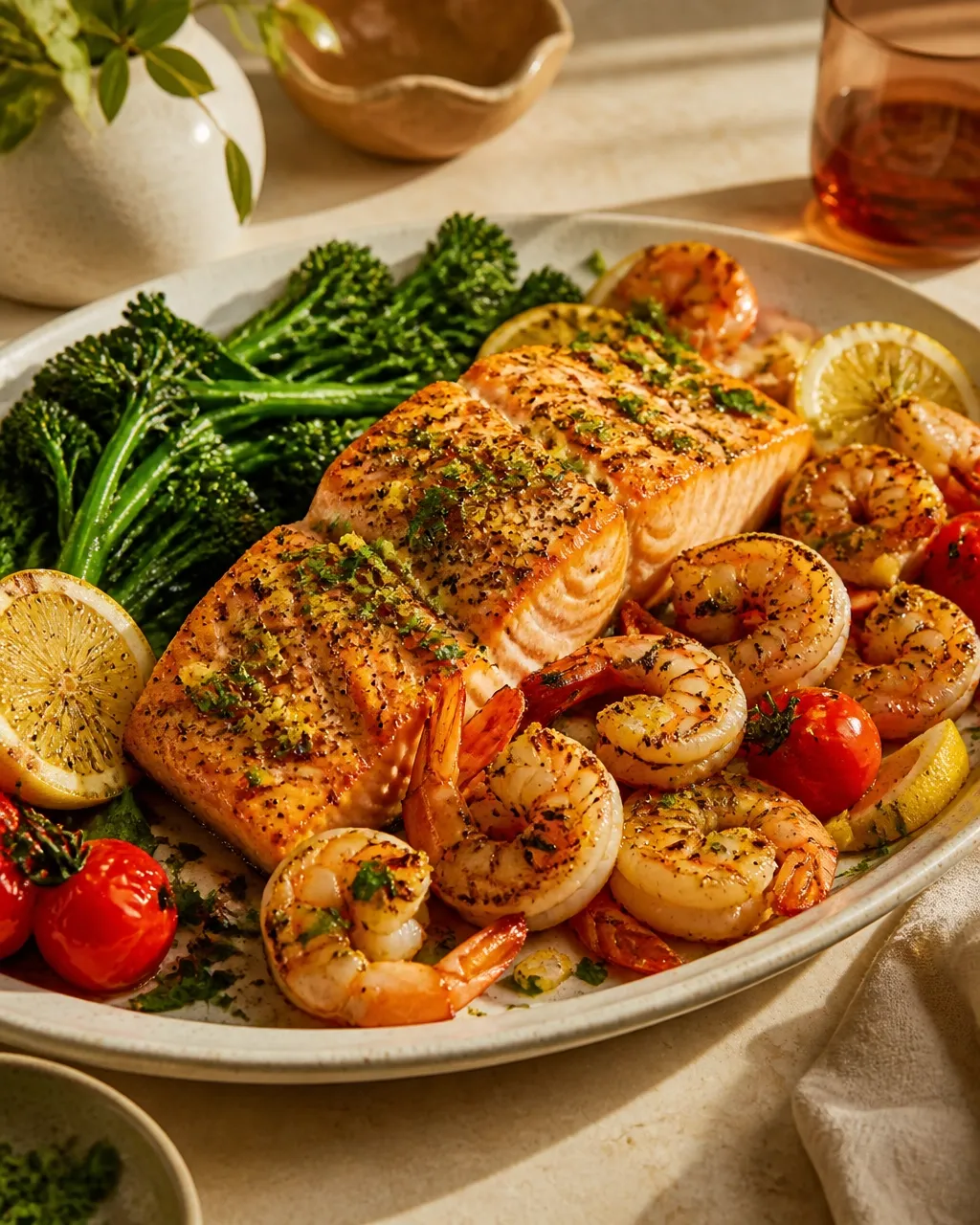
Once your shrimp are seared and set aside, the focus shifts to the sauce. Most people end up with a puddle of yellow oil and some burnt garlic bits. That’s because they don’t understand emulsification. A truly soulful sauce is an emulsion: a stable mixture of fat (butter) and liquid (lemon juice and shrimp juices). The secret is to keep your heat low. If the pan is screaming hot when you add your butter, the fat will separate from the milk solids, and you'll lose that creamy, restaurant-quality finish.
Check your temperature and keep the pan moving. By whisking in cold butter slowly, you allow the milk proteins to act as a bridge between the fat and the acid. This results in a sauce that clings to the shrimp rather than sliding off. It’s a tiny bit of chemistry that transforms quick family meals from "functional" to "unforgettable." You want that sauce to be thick enough to coat the back of a spoon, reflecting the light in your kitchen with a glossy, inviting sheen.
The final piece of the technical puzzle is the garlic itself. Garlic is delicate. If you burn it, the bitterness will ruin the entire dish, and there’s no coming back from that. You should only cook your garlic until it smells like heaven: usually about 60 seconds. If you see it turning dark brown, you’ve gone too far. I often recommend adding a tiny bit of freshly minced garlic right at the very end, off the heat. This provides a "high note" of sharp, fresh flavor that balances the rich, mellow sweetness of the butter-sautéed garlic.
Geometry in the Pan: The "C" vs. The "O"
One of the most important tips I can give you is to watch the shape of your shrimp. Shrimp are basically little thermometers in disguise. As they cook, the proteins (myosin and actin) tighten and pull the body into a curl.
Use this visual cue: a loose "C" shape means the shrimp is perfectly cooked: tender, juicy, and snapping with freshness. If the shrimp has curled so tightly that it looks like an "O," you’ve overcooked it. At that point, the proteins have squeezed out all the moisture, leaving you with something that resembles a rubber eraser. Avoid the "O" at all costs. Since shrimp continue to cook for a minute even after you take them out of the pan, I always pull them off the heat just as they hit that "C" shape. This ensures they are perfect by the time they reach your plate.
Fresh Variations for Every Mood
While the classic garlic butter profile is timeless, you can easily adapt this technique to fit different healthy dinner ideas. If you’re feeling a bit more adventurous, try swapping the lemon juice for lime and adding a splash of tequila or a pinch of chili flakes for a "Scampi del Sol" vibe. The acidity is non-negotiable, though; you need it to cut through the richness of the butter and brighten the protein.
For those who love modern gadgets, you can even adapt the flavor profile for the air fryer. While you won't get the same emulsified pan sauce, you can toss the shrimp in a garlic-butter-herb paste before air-frying them at a high temp for 5-6 minutes. If you’re looking for more inspiration in that department, check out our guide on air fryer recipes dinner to see how to maximize your machine's potential.
You can also experiment with the herbs. Parsley is the standard, but fresh dill or even a bit of tarragon can add a sophisticated, soulful depth that feels very French bistro. Just remember to add your fresh herbs at the very end. Heat is the enemy of fresh herb oils; you want them to wilt slightly into the sauce, not cook until they lose their vibrant green color and personality.
Soulful Side Dish Pairings
Because this dish is so rich and punchy, your side dishes should provide balance. You want something that can act as a sponge for that incredible garlic butter sauce. A crusty baguette is the most logical choice: there is something deeply satisfying about mopping up the bottom of a skillet with a piece of warm bread.
If you want something heartier, serve the shrimp over a bed of garlic butter ramen or a simple angel hair pasta. The thin noodles are perfect for catching the emulsion. For a lighter approach, try a simple arugula salad with a very sharp lemon vinaigrette. The peppery bite of the greens and the extra acidity will refresh your palate between bites of the buttery shrimp. I also find that roasted asparagus or quick-sauteed snap peas provide a nice structural contrast to the soft texture of the seafood.
Frequently Asked Questions
Can I use frozen shrimp for this?
Absolutely. In fact, most "fresh" shrimp at the grocery store were previously frozen anyway. The key is to thaw them completely before cooking. Place them in a bowl of cold water for about 15-20 minutes, then drain and: most importantly: pat them bone-dry. If they are even slightly icy or wet, you’ll end up with a watery sauce and no sear.
Why is my sauce greasy instead of creamy?
This happens when the emulsion breaks. It’s usually caused by too much heat. If you boil the sauce after adding the butter, the fat will separate. To fix it, try adding a teaspoon of water or lemon juice and whisking vigorously off the heat. For quick family meals, maintaining that low-heat whisking technique is the difference between a "good" meal and a "great" one.
Should I leave the tails on or off?
This is a personal preference, but I’m a "tails on" advocate. The tails actually contain a lot of flavor that infuses into the butter as you cook. Plus, they act as a little handle if you're serving these as an appetizer. However, if you're tossing them with pasta and want a seamless eating experience, feel free to pull them off before you start.
Can I use margarine or oil instead of butter?
You can, but you shouldn't. This recipe is called Garlic Butter Shrimp for a reason. Margarine lacks the milk solids necessary to create that beautiful, creamy emulsion, and oil won't give you that soulful, nutty flavor profile. If you're looking for healthy dinner ideas and want to cut back, use a high-quality olive oil for the initial sear, but finish with at least a tablespoon of real butter for the sauce.
How do I know if the garlic is "fragrant"?
You’ll know it when you smell it. It’s that moment when the air in your kitchen suddenly transforms. It usually takes 30 to 60 seconds. If you start seeing little brown edges on the minced garlic, you are seconds away from disaster. Pull the pan off the burner immediately and add your liquid (lemon juice or wine) to drop the temperature and stop the cooking process.
{“@type”:”BlogPosting”,”image”:”https://cdn.marblism.com/0QAX4k6WO7_.webp”,”author”:{“name”:”Penny”,”@type”:”Person”},”@context”:”https://schema.org”,”headline”:”Soulful 15-Minute Garlic Butter Shrimp”,”publisher”:{“logo”:{“url”:”https://cookpedia.com/logo.png”,”@type”:”ImageObject”},”name”:”Cookpedia”,”@type”:”Organization”},”description”:”Master the art of 15-minute garlic butter shrimp with this guide on the science of emulsification and the perfect sear.”,”datePublished”:”2026-06-18″}