Recipe
Serves
8 1×
Serves 8 pancakesPrep 10 minCook 15 min
Ingredients
Method
- Whisk flour, sugar, baking powder, baking soda, and salt in a bowl.
- In a second bowl, whisk discard, egg, melted butter or oil, and 120 ml milk.
- Add the dry ingredients to the wet ingredients. Stir only until combined.
- Rest the batter for 10–20 minutes.
- Heat a lightly greased pan over medium to medium-low heat.
- Cook approximately ¼ cup batter per pancake until bubbles form and the edges set.
- Flip and cook until golden and cooked through.
- Serve immediately.
Sourdough Discard Pancakes (Fluffy & Easy)
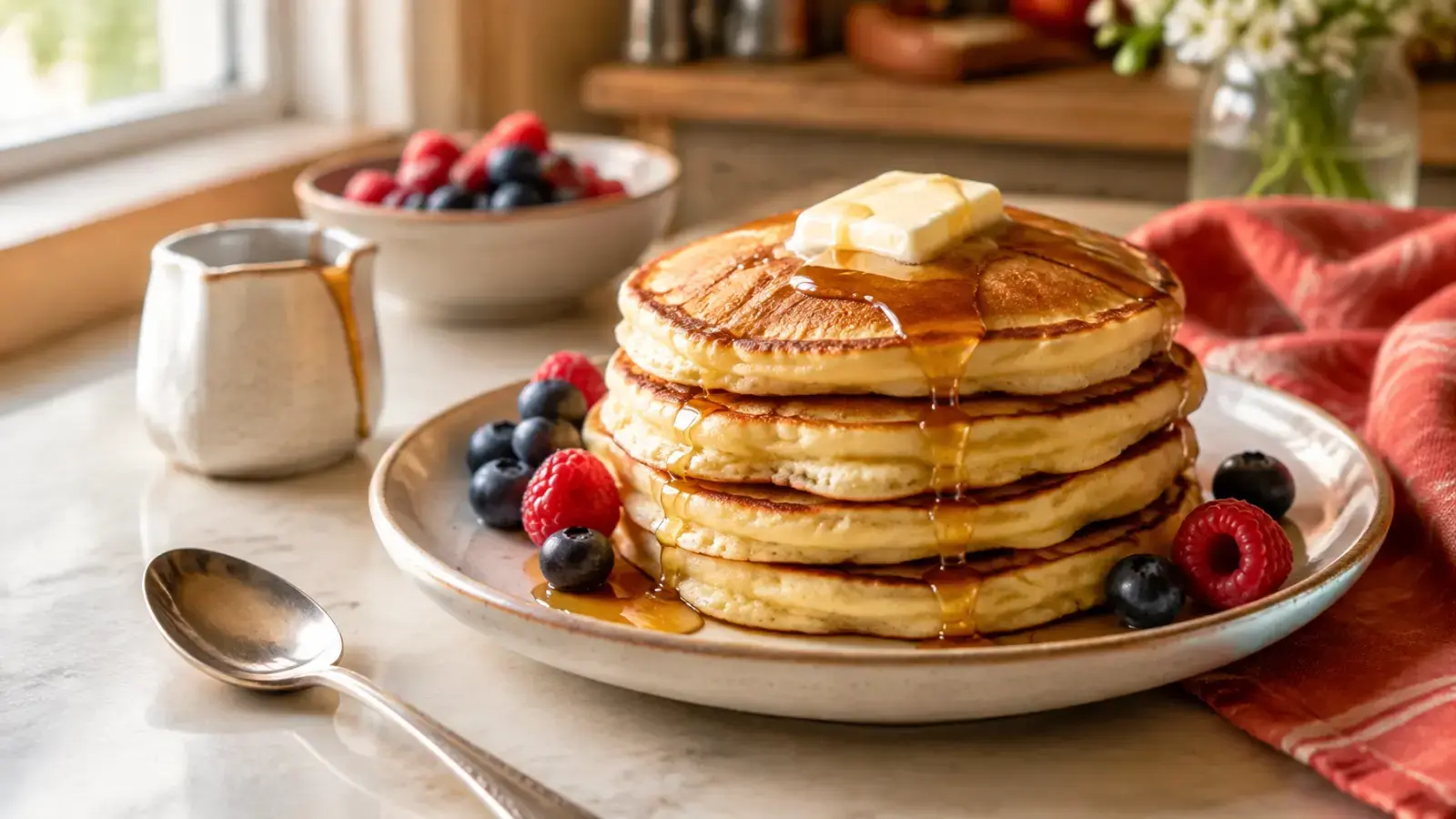
Sourdough discard pancakes are a practical use for unfed starter that would otherwise be removed during feeding. The result is a stack of tender, lightly tangy pancakes with crisp edges and a soft centre.
This recipe uses baking powder for lift, with a small amount of baking soda to support browning and additional rise. The batter is mixed briefly and rested before cooking. No overnight fermentation is required.
[JUMP TO RECIPE](#recipe)
Definition
Discard (noun): Unfed sourdough starter removed before refreshing the remaining starter with flour and water.
For this recipe, use 100% hydration discard. It may be recently removed from the starter or refrigerated for several days. A mild acidic smell is normal. Do not use discard that shows mould or has an abnormal smell.
Preparation
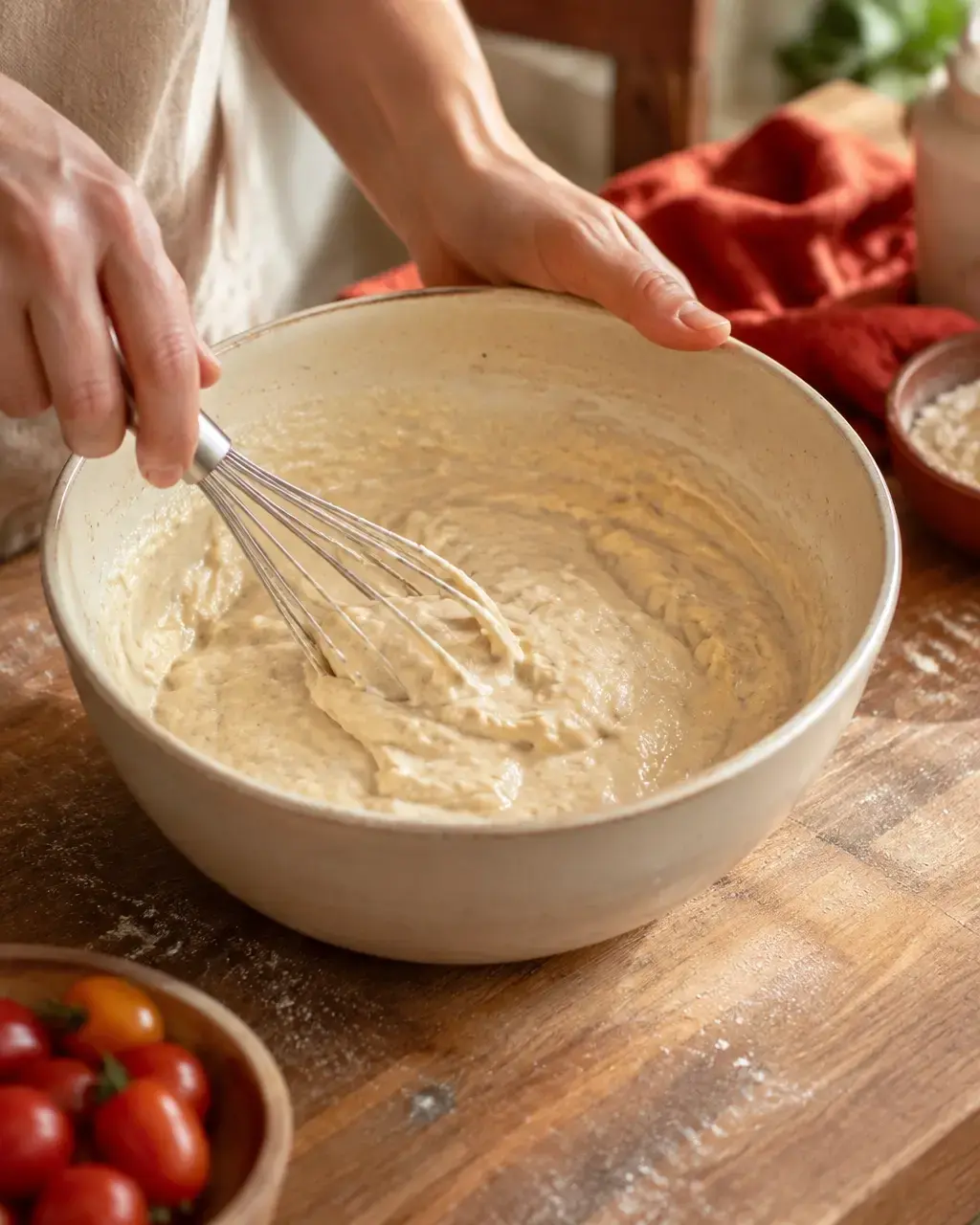
Use the following method without unnecessary agitation.
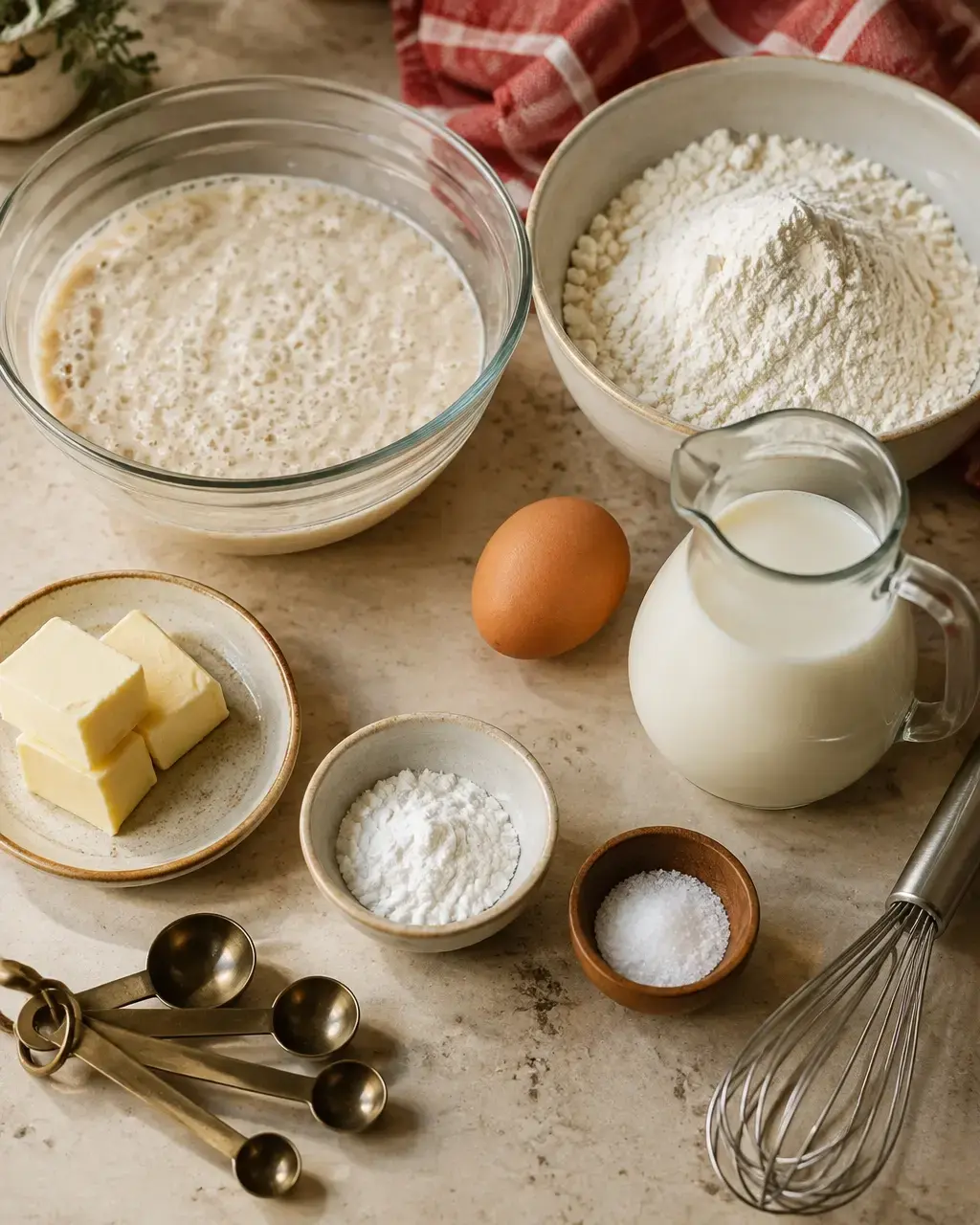
- Prepare the dry mixture. Add the flour, sugar, baking powder, baking soda, and salt to a medium bowl. Whisk until evenly distributed.
- Prepare the wet mixture. In a separate bowl, whisk the sourdough discard, egg, melted butter or oil, and 120 ml milk until mostly smooth.
- Combine. Add the dry mixture to the wet mixture. Stir with a whisk or spatula until no large dry patches remain. Small lumps are acceptable. Do not continue mixing after the flour has been incorporated.
- Rest. Leave the batter for 10–20 minutes. This allows the flour to hydrate and produces a more consistent texture.
- Assess. The batter should be thick but pourable. If it does not move easily from a spoon, add milk one tablespoon at a time. If it is very thin, add one tablespoon of flour and wait several minutes before reassessing.
- Heat the pan. Place a non-stick frying pan, cast-iron skillet, or griddle over medium to medium-low heat. Lightly grease the surface.
- Portion. Add approximately ¼ cup batter for each pancake. Leave sufficient space between pancakes for turning.
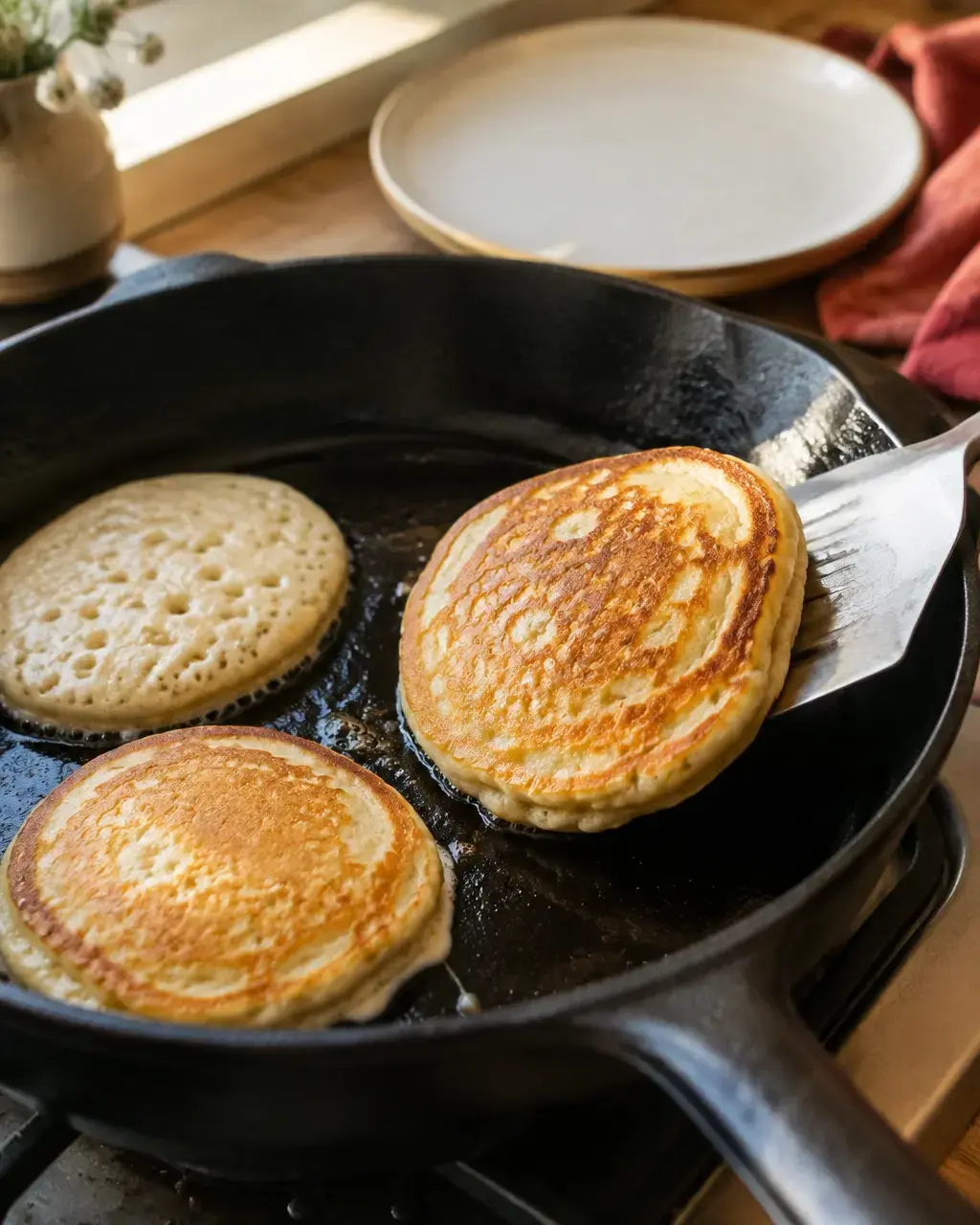
- Cook the first side. Continue until bubbles form across the surface and the edges appear set. The underside should be golden brown. This usually takes 2–3 minutes, depending on the pan and heat.
- Turn. Flip once using a wide spatula. Cook for a further 1–2 minutes, or until the centre is cooked and the second side is golden.
- Repeat. Lightly grease the pan between batches when required. Adjust the heat if the pancakes brown before the centres are set.
- Serve. Transfer to a plate and serve with butter, maple syrup, fruit, or yoghurt.
Controls
- Use a thick batter. Batter that is too thin spreads quickly and produces flat pancakes. Add milk gradually rather than adding the full amount immediately.
- Do not overmix. A few small lumps are permitted. Excessive mixing develops gluten and reduces tenderness.
- Use fresh leaveners. Baking powder and baking soda lose effectiveness over time. Replace them if the pancakes consistently fail to rise.
- Regulate the heat. Medium-low heat is safer than high heat. Pancakes need sufficient time for the centre to cook.
- Rest before cooking. A short rest improves hydration and allows the batter to become more uniform.
- Avoid pressing the pancakes. Pressing removes the air created during cooking.
- Cook a test pancake. Use the first pancake to assess thickness, colour, and heat. Make adjustments before cooking the remaining batter.
- Keep cooked pancakes warm correctly. Place them in a low oven, approximately 90°C, for a short period. Do not stack them under a tightly sealed cover, as trapped steam can soften the surfaces.
Variations
Banana. Mash one small ripe banana into the wet ingredients. Reduce the sugar to 1 teaspoon.
Blueberry. Add fresh or frozen blueberries after portioning the batter into the pan. This prevents excessive colour bleeding into the bowl.
Cinnamon. Add ½ teaspoon ground cinnamon and a small pinch of nutmeg to the dry ingredients.
Chocolate. Add 50 g chocolate chips after combining the batter. Use medium-low heat because the chips can darken quickly.
Wholemeal. Replace up to half of the plain flour with wholemeal flour. Add extra milk if the batter becomes too thick.
Buttermilk. Replace the milk with buttermilk. The additional acidity works well with baking soda and produces a slightly tangier pancake.
Overnight. For a stronger sourdough flavour, mix the flour, discard, sugar, salt, egg, milk, and butter or oil. Cover and refrigerate overnight. Add the baking powder and baking soda immediately before cooking. Stir briefly and proceed with the recipe.
FAQ
Can I use sourdough discard straight from the refrigerator?
Yes. Cold discard can be used directly. The batter may require a slightly longer rest, and the milk should be added gradually to achieve the correct consistency.
Does the discard need to be active?
No. This recipe relies on baking powder and baking soda rather than active yeast fermentation. Unfed discard is suitable.
Why are my pancakes not fluffy?
Common causes include old leavening agents, overmixed batter, excessive milk, or a pan that is too hot. Use a thick batter, mix briefly, and cook over moderate heat.
Can I make the batter in advance?
The batter can be refrigerated for several hours, but the best rise usually occurs when baking powder and baking soda are added shortly before cooking. For an overnight version, leave the leaveners out until the morning.
Can I freeze sourdough discard pancakes?
Yes. Cool the pancakes completely, place baking paper between them, and store in an airtight container or freezer bag for up to three months. Reheat in a toaster, oven, or skillet.
Can I make this recipe without eggs?
Eggs provide structure and tenderness. For an egg-free version, use a suitable egg substitute and expect a softer, less cohesive pancake. Add the substitute according to its package instructions.
What should I do with leftover pancakes?
Refrigerate leftovers in a sealed container for up to three days. Reheat until hot throughout. They may also be cut into strips and served with yoghurt, fruit, or nut butter.
Sources
For additional sourdough pancake guidance, compare the methods published by Sugar Geek Show, Broken Oven Baking, and The Clever Carrot.