Recipe
Servings
Servings 1×
Ingredients
- Shrimp
- Pasta
- Garlic
- Lemon
- Cream
- Butter
- Cooking oil
Method
- Use cold butter, not room temperature.
- Keep the heat medium-low once the butter goes in and move that pan constantly.
- Pat your shrimp bone-dry with paper towels before they hit the pan.
- Sear them quickly in a mix of butter and olive oil.
- Remove the shrimp the second they turn opaque.
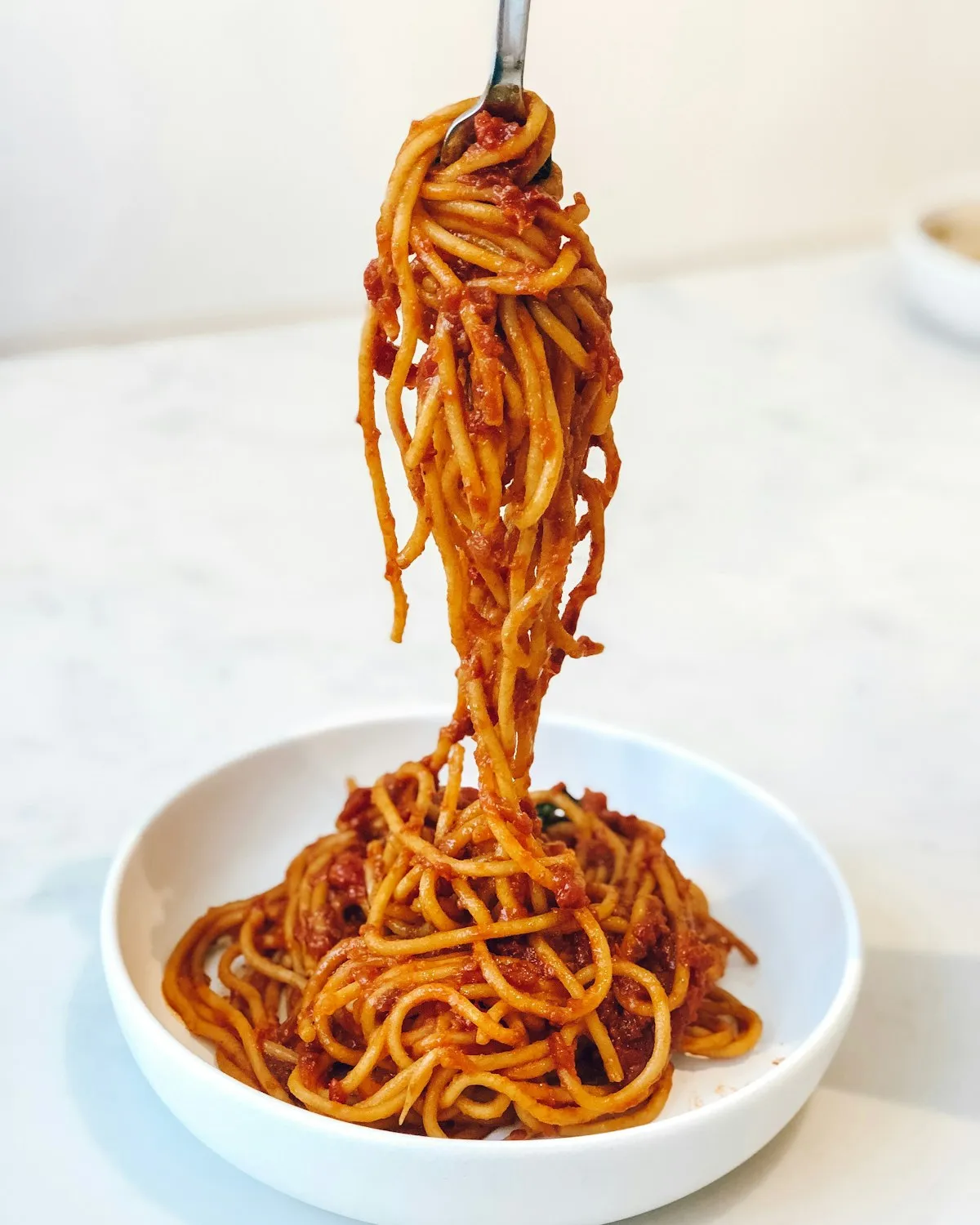
There is a specific kind of kitchen magic that happens when you realize you can produce a restaurant-quality dinner in less time than it takes to scroll through your social media feed. I’m talking about the legendary shrimp scampi. It’s the crown jewel of 15 minute meals, offering a level of sophistication that feels unearned given how little effort it actually requires. But don’t let the simplicity fool you; while the clock might say "speedy," the chemistry in your pan is working overtime. This isn't just about tossing shrimp in butter; it’s about mastering a delicate emulsion and a flash-sear that would make a French chef nod in approval.
If you are looking for quick healthy meals that don't taste like "diet food," you’ve found the holy grail. Scampi is light, vibrant, and packed with protein, all held together by a sauce that relies on physics rather than heavy cream.
The Science of the "Golden Sauce"
The secret to a world-class scampi lies in understanding how to build a stable emulsion. You’ve likely had scampi that was a greasy, separated mess: oil on top, watery wine on the bottom. To avoid this, you need to treat your pan like a laboratory.
The Emulsion Engine
A classic scampi sauce is a fat-in-water emulsion. You have your fat phase (butter and olive oil) and your aqueous phase (white wine and lemon juice). Naturally, these two hate each other. To get them to marry into a glossy, clingy sauce, you need two things: starch and agitation.
Never throw away all your pasta water. That cloudy, starchy liquid is your best friend. The starch molecules act as a stabilizer, physically preventing the tiny droplets of butter from clumping back together. When you add a splash of pasta water to your reduced wine and then swirl in cold butter, you are creating a "monter au beurre" effect. Use cold butter, not room temperature. Cold butter melts slowly, allowing the milk solids to disperse gradually and help bond the wine and fat. If the heat is too high, the emulsion will break, leaving you with a puddle of oil. Keep the heat medium-low once the butter goes in and move that pan constantly.
The Maillard Mystery
Most people poach their shrimp in the sauce. This is a missed opportunity for flavor. To get the most out of your seafood, you want the Maillard reaction: the chemical reaction between amino acids and reducing sugars that gives browned food its distinctive flavor.
Pat your shrimp bone-dry with paper towels before they hit the pan. Moisture is the enemy of the Maillard reaction because energy is wasted evaporating water at 100°C (212°F) before the surface can reach the 140°C (285°F) required for browning. Sear them quickly in a mix of butter and olive oil. The olive oil raises the smoke point, while the butter provides those delicious milk solids that brown beautifully. Remove the shrimp the second they turn opaque. They will finish cooking later in the residual heat of the pasta.
Garlic Management
Garlic is the aromatic backbone of simple pasta recipes, but it’s fragile. If you burn it, the entire dish will turn acrid and bitter. Sauté your minced garlic over medium heat only until it smells like heaven: usually about 30 to 60 seconds. As soon as you see the tiniest hint of gold, deglaze with your wine. This immediately drops the temperature of the pan and stops the garlic from cooking further.
Variations to Keep Things Interesting
While the classic lemon-garlic-butter trio is hard to beat, you can easily tweak the formula to suit your mood or dietary needs. The chemistry remains the same, even if the players change.
- The Spicy Kick: If you crave heat, double the red pepper flakes and add a teaspoon of Calabrian chili paste when you sauté the garlic. The capsaicin in the chilies dissolves beautifully in the butter, carrying the heat evenly across every strand of linguine.
- The Herb Overload: Don't stop at parsley. Fresh tarragon or chives add a sophisticated, licorice-like or oniony depth that pairs wonderfully with the sweetness of the shrimp.
- The Keto Swap: For those following a low-carb lifestyle, swap the linguine for zucchini noodles (zoodles). Note that zucchini releases a lot of water as it "cooks," so you’ll need to reduce your wine sauce even more aggressively to compensate for the extra liquid.
- The Depth Booster: If you want a deeper "ocean" flavor, add a teaspoon of anchovy paste or a splash of fish sauce during the wine reduction. It won't taste like fish; it will simply add a savory, umami-rich foundation that makes the shrimp taste "shrimpier."
For more ideas on how to achieve that perfect glossy finish in other dishes, check out my guide on achieving the perfect glossy sauce.
Perfect Side Dish Pairings
When you are serving something as rich and buttery as scampi, you need sides that offer high acidity or a crunch to cleanse the palate. This is all about sensory balance.
- Arugula Salad with Lemon Vinaigrette: The peppery bite of arugula and the sharp acidity of a lemon dressing cut right through the butter fat. It’s a classic pairing for a reason.
- Charred Broccolini: Use the high-heat method to get some crispy edges on your broccolini. The slight bitterness of the char balances the sweet, succulent shrimp.
- Crusty Sourdough: This isn't just a side; it’s a tool. You need a vehicle to soak up the leftover emulsion at the bottom of your bowl. A fermented sourdough adds a nice tang that complements the wine in the sauce.
If you’re looking for other fast-paced dinner inspirations that please a crowd, take a look at our air fryer sausage and pepper medley.
FAQ: Solving the Scampi Science
Why is my sauce so watery and thin?
This usually happens for two reasons: you didn't reduce the wine enough, or you skipped the pasta water. You need to simmer that wine until it’s reduced by at least half. This concentrates the organic acids and flavors. If it's still too thin, add another splash of starchy pasta water and a knob of cold butter, then toss vigorously. The mechanical action of tossing the pasta helps the starch and fat bind.
Can I use frozen shrimp for this?
Absolutely, and honestly, unless you live next to a dock, "fresh" shrimp are often just frozen shrimp that the grocery store thawed for you. Use them! Just ensure they are completely thawed and, most importantly, patted dry. If they go into the pan wet, they will steam and become rubbery rather than searing.
My shrimp are curled into tight 'O' shapes and are tough. What happened?
You overcooked them. Shrimp follow a simple visual cue: 'C' is for cooked, 'O' is for overcooked. As shrimp cook, their proteins denature and contract. When they form a tight circle, they’ve squeezed out all their internal moisture. Remember to remove them from the pan early; they will finish in the heat of the sauce.
What if I don't want to use wine?
White wine provides acidity and a specific aromatic complexity (tartaric acid). If you want to skip the alcohol, use a high-quality chicken or seafood stock mixed with an extra tablespoon of lemon juice. The extra acid is necessary to mimic the wine's brightness. Avoid using just plain water, as the sauce will lack depth.
How do I fix a broken, greasy sauce?
If you see the butter separating into yellow oil, don't panic. Remove the pan from the heat immediately. Add one tablespoon of very hot pasta water and whisk like your life depends on it. The heat and starch should help re-emulsify the fats.
Creating simple pasta recipes like this one is about understanding the "why" behind the "how." Once you master the emulsion and the sear, you can turn any bag of shrimp and box of pasta into a gourmet meal in minutes. Check your pantry, grab some garlic, and get that water boiling!