Recipe
Servings
Remove from heat and fold in the fresh parsley. Serve immediately while the thermal energy is high and the emulsion is stable. 1×
Serves Remove from heat and fold in the fresh parsley. Serve immediately while the thermal energy is high and the emulsion is stable.
Ingredients
- 300g Penne Rigate (high-starch variety preferred)
- 3 tbsp Extra Virgin Olive Oil
- 4 cloves Garlic, thinly sliced (transversal cuts for maximum surface area)
- 5 tsp Dried Red Chili Flakes (standardized capsaicin source)
- 400g Canned San Marzano Tomatoes, crushed by hand
- 1 tbsp Tomato Paste (for concentrated glutamates)
- Fresh Parsley, roughly chopped
- Sea Salt (to catalyze flavor)
Method
- Starch Gelatinization : Bring a large pot of heavily salted water to a boil. Add the pasta. The salt increases the boiling point slightly and seasons the pasta from within as the starch granules swell and gelatinize. Cook until al dente : this ensures the pasta maintains its structural integrity when introduced to the acidic sauce.
- Lipid-Phase Extraction : While the pasta cooks, heat the olive oil in a wide skillet over medium-low heat. Add the sliced garlic and chili flakes. Watch for the garlic to turn golden; this indicates the Maillard reaction is beginning, adding complex nutty notes. The heat will simultaneously extract the capsaicin into the oil.
- Acidification and Reduction : Stir in the tomato paste and cook for 1 minute to caramelize the sugars. Add the crushed tomatoes. The water content in the tomatoes will begin to evaporate, concentrating the acids and sugars. Simmer for 8–10 minutes.
- Emulsification : Just before the pasta is done, reserve 1/2 cup of the starchy pasta water. This water contains amylose, which acts as a natural emulsifier.
- Final Synthesis : Drain the pasta and add it to the skillet. Pour in the reserved pasta water. Increase the heat to medium-high and toss vigorously. The mechanical agitation combined with the starch water binds the oil and tomato juice into a glossy, unified sauce.
- Garnish and Serve : Remove from heat and fold in the fresh parsley. Serve immediately while the thermal energy is high and the emulsion is stable.
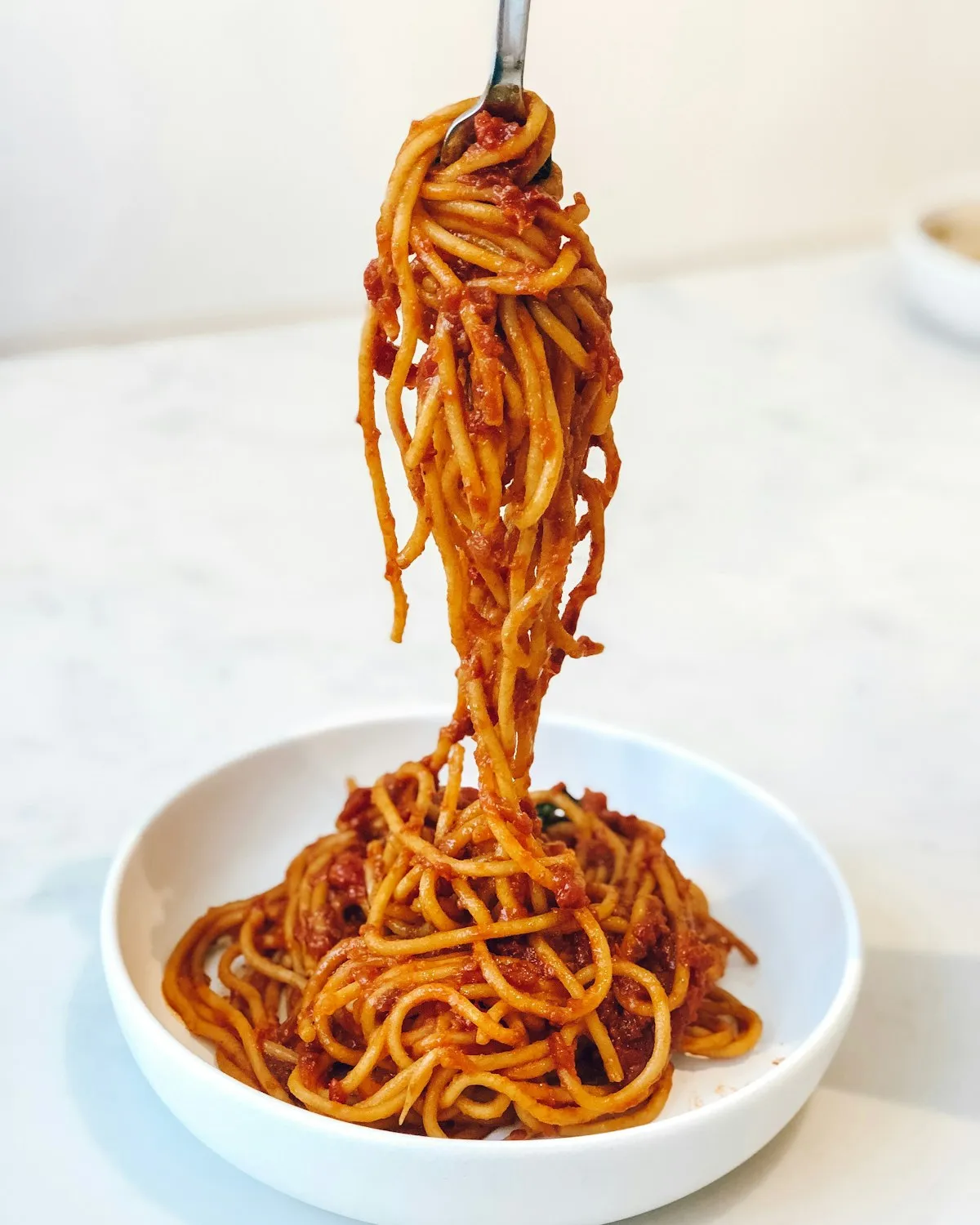
Ever wondered why your mouth feels like it’s in a four-alarm fire after a single bite of Arrabbiata? It isn't a thermal burn; it's a chemical trick. When you dive into this spicy Italian classic, you aren't just eating; you’re engaging in a high-stakes neurobiological event. By understanding the molecular behavior of your ingredients, you can transform simple pasta recipes into a controlled experiment in flavor and heat. Today, we’re hacking your vanilloid receptors to create a 15-minute masterpiece that balances aggression with elegance.
The Molecular Mechanics of "Arrabbiata" (Angry) Sauce
To master the Arrabbiata, you must understand your primary antagonist: capsaicin. This lipophilic (fat-soluble) molecule is the chemical defense mechanism of chili peppers. When it touches your tongue, it binds specifically to the TRPV1 receptors: essentially the "hot" sensors in your nervous system. These receptors are designed to detect physical heat, but capsaicin mimics that shape perfectly, tricking your brain into thinking your mouth is literally on fire. This is why 15 minute meals like this one feel so intense; you’re triggering an immediate survival response in your body.
The most critical technique in this recipe is managing capsaicin’s solubility. Because capsaicin is hydrophobic, it hates water and loves fat. If you toss your chili flakes into a water-based tomato sauce, the heat remains localized in tiny, aggressive clusters. However, if you "bloom" your red pepper flakes in high-quality olive oil first, the capsaicin dissolves into the lipid medium. This ensures the spicy sensation is evenly distributed throughout the entire sauce, coating every strand of pasta. Use a medium heat for this extraction: if the oil smokes, you’re degrading the delicate polyphenols in the oil and risking a bitter, scorched flavor profile.
Next, consider the role of the tomatoes. Tomatoes are naturally acidic, hovering around a pH of 4.5. This acidity is the chemical "coolant" for the capsaicin fire. While the chili triggers the heat sensors, the citric and malic acids in the tomatoes provide a bright, sharp contrast that cleanses the palate between bites. When making quick healthy meals, the balance between the lipophilic heat and the aqueous acidity determines whether your sauce is refined or just painfully spicy. Emulsifying a small amount of starchy pasta water into the final sauce creates a stable suspension, allowing these disparate chemical components: the oil-bound heat and the water-bound acid: to coexist in harmony.
Variations: Modifying the Chemical Profile
If you find the heat too volatile, you can alter the chemical landscape of the dish. One effective modification is the introduction of additional lipids. Adding a splash of heavy cream or a dollop of mascarpone doesn't just "dilute" the sauce; the casein proteins and milk fats actually encapsulate the capsaicin molecules, preventing them from binding as effectively to your TRPV1 receptors. This shifts the dish from a "sharp" heat to a "lingering" warmth.
For those who want to double down on the science of umami, try adding a teaspoon of anchovy paste or a splash of fish sauce during the oil-blooming phase. These ingredients are rich in glutamates, which provide a savory baseline that grounds the volatile capsaicin. If you prefer a brighter acidity, a squeeze of fresh lemon juice at the end provides a secondary acid profile that cuts through the richness of the olive oil. This is a great way to keep your simple pasta recipes exciting and multi-dimensional without adding complex prep time.
Side Dish Pairings: Managing the Burn
When pairing a side with a high-capsaicin dish, focus on "palate resets." A crisp, cold salad is the traditional choice for a reason. Use greens like arugula or radicchio, which offer a bitter contrast to the heat. Bitterness and heat interact in the brain to create a complex sensory experience that prevents your taste buds from becoming desensitized.
Avoid pairing this with a heavy, hot soup, which would only exacerbate the thermal sensation already being triggered by the capsaicin. Instead, go for something with high water content and mild fats. A simple cucumber salad with a yogurt-based dressing is scientifically ideal; the water hydrates the mouth, and the fats in the yogurt help "wash away" the oil-soluble capsaicin from your receptors. Check out our Arugula Power Salad for a nutritious, cooling companion to this spicy main.
FAQ: Troubleshooting the Heat
Why is my sauce spicy in some spots but not others?
This is a classic solubility failure. If you didn't bloom your chili flakes in oil at the start, the capsaicin hasn't fully dissolved. It’s sitting in "islands" within the water-based tomato sauce. To fix this, stir in a teaspoon of olive oil and let it simmer for another two minutes to help the capsaicin distribute more evenly.
Can I use fresh chilies instead of dried flakes?
Absolutely. However, be aware that fresh chilies contain more water. You need to sauté them longer in the oil to evaporate that moisture and allow the capsaicin to enter the lipid phase. Dried flakes are more concentrated and predictable for 15 minute meals.
My sauce is too acidic. How do I fix it?
If your tomatoes are particularly tart, your pH is too low. Instead of adding sugar (which only masks the flavor), add a tiny pinch of baking soda. This is a basic chemical reaction: the soda neutralizes some of the acid, raising the pH and rounding out the flavor. Don't add too much, or you'll make the sauce soapy!
Does the type of pasta matter?
Yes, from a surface area perspective. Penne or fusilli are ideal for Arrabbiata because their ridges and hollow centers trap the emulsified sauce. This ensures you get a consistent dose of capsaicin and acidity in every mouthful. For more on sauce-to-pasta ratios, read our guide on achieving the perfect glossy sauce.
The Recipe: 15-Minute Arrabbiata
Ingredients
- 300g Penne Rigate (high-starch variety preferred)
- 3 tbsp Extra Virgin Olive Oil
- 4 cloves Garlic, thinly sliced (transversal cuts for maximum surface area)
- 1.5 tsp Dried Red Chili Flakes (standardized capsaicin source)
- 400g Canned San Marzano Tomatoes, crushed by hand
- 1 tbsp Tomato Paste (for concentrated glutamates)
- Fresh Parsley, roughly chopped
- Sea Salt (to catalyze flavor)
Instructions
- Starch Gelatinization: Bring a large pot of heavily salted water to a boil. Add the pasta. The salt increases the boiling point slightly and seasons the pasta from within as the starch granules swell and gelatinize. Cook until al dente: this ensures the pasta maintains its structural integrity when introduced to the acidic sauce.
- Lipid-Phase Extraction: While the pasta cooks, heat the olive oil in a wide skillet over medium-low heat. Add the sliced garlic and chili flakes. Watch for the garlic to turn golden; this indicates the Maillard reaction is beginning, adding complex nutty notes. The heat will simultaneously extract the capsaicin into the oil.
- Acidification and Reduction: Stir in the tomato paste and cook for 1 minute to caramelize the sugars. Add the crushed tomatoes. The water content in the tomatoes will begin to evaporate, concentrating the acids and sugars. Simmer for 8–10 minutes.
- Emulsification: Just before the pasta is done, reserve 1/2 cup of the starchy pasta water. This water contains amylose, which acts as a natural emulsifier.
- Final Synthesis: Drain the pasta and add it to the skillet. Pour in the reserved pasta water. Increase the heat to medium-high and toss vigorously. The mechanical agitation combined with the starch water binds the oil and tomato juice into a glossy, unified sauce.
- Garnish and Serve: Remove from heat and fold in the fresh parsley. Serve immediately while the thermal energy is high and the emulsion is stable.
Enjoy your foray into edible chemistry! By mastering these molecular interactions, you ensure your quick healthy meals are never boring. Stay spicy!