Recipe
Servings
Servings 1×
Ingredients
- Chickpeas
- Beans
- Potatoes
- Sweet potatoes
- Apple
- Garlic
- Lemon
- Tahini
- Cooking oil
Method
- Prepare the ingredients described in the article and heat the cooking surface or oven as directed.
- Cook the main ingredients using the heat and timing guidance in the article.
- Finish with the seasonings and garnishes named in the article, then serve.
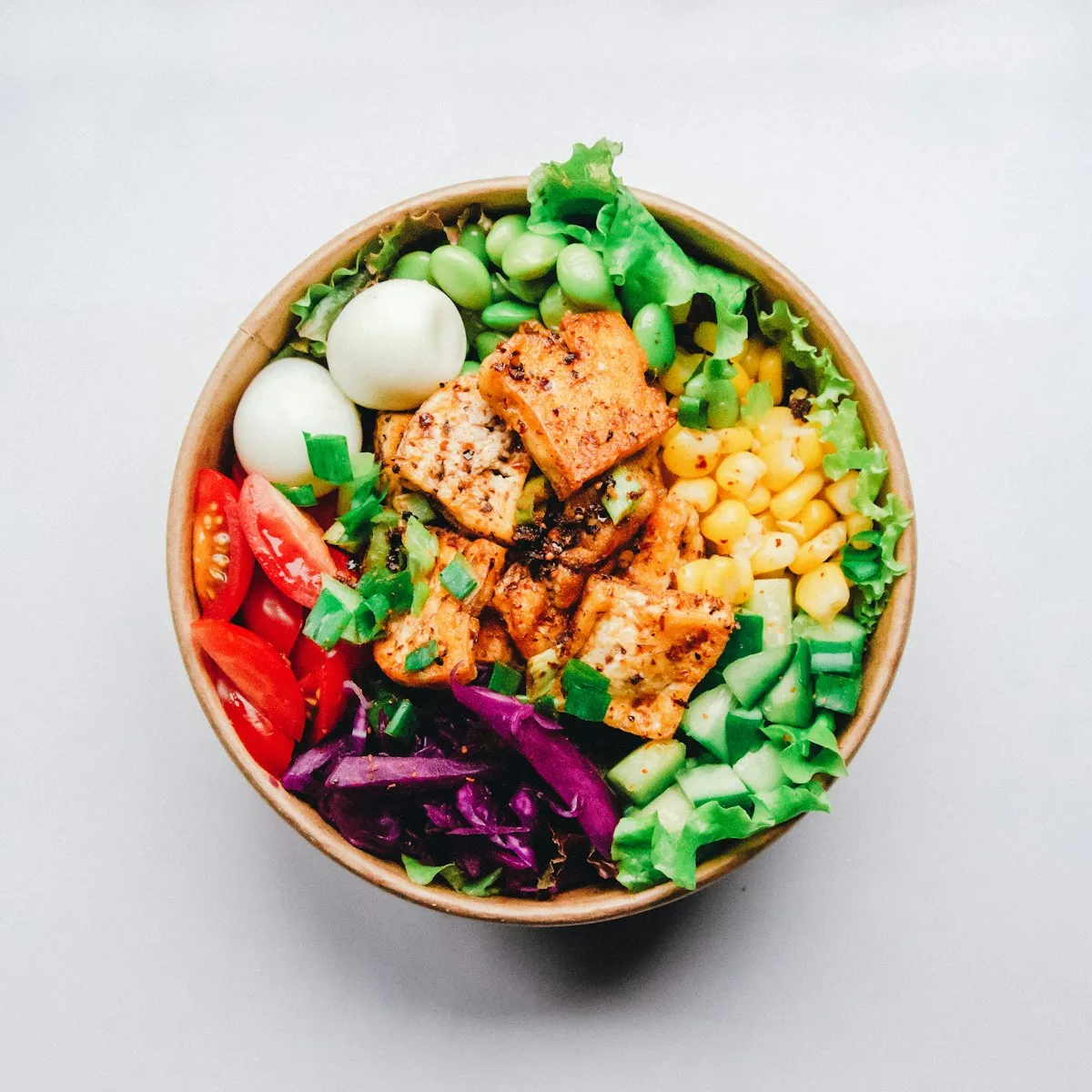
If you’ve ever found yourself staring into the depths of your pantry at 6:00 PM, wondering how a single can of chickpeas could possibly transform into a gourmet meal, you’re in the right place. We’ve all been there: pining for something that feels fancy but requires zero brainpower. Enter the Buddha bowl. It’s essentially a hug in a bowl, but with much better macros. When you're hunting for plant-based dinner ideas that actually leave you satisfied rather than hunting for a snack ten minutes later, this spicy roasted chickpea version is the ultimate heavyweight champion. It’s vibrant, it’s crunchy, and it’s about to become your new weeknight obsession.
The Chemistry of the Perfect Crunch
Achieving that elusive, "shatters-on-impact" crunch with a chickpea isn't just luck; it’s pure physics. To master these quick healthy meals, you have to understand the battle between moisture and heat. Inside every chickpea is a reservoir of water. If you don't drive that water out effectively, you end up with a legume that’s "fine," but ultimately a bit mushy in the middle. We want a tiny, edible ceramic shell that yields to a nutty, airy interior.
First, let's talk about surface moisture. If your chickpeas are even slightly damp when they hit the heat, you’re essentially steaming them. Steaming is the enemy of the Maillard reaction: that magical chemical dance between amino acids and reducing sugars that gives us browning and complex flavors. Water pins the temperature of the chickpea's surface to 212°F (100°C) until it evaporates. Since the Maillard reaction really starts throwing a party above 285°F (140°C), you need to pat those beans bone-dry with a lint-free towel. No excuses.
Next up: starch physics. Chickpeas are packed with starch, specifically amylose. When you heat these up (whether in the oven or as part of your air fryer recipes dinner rotation), the starch gelatinizes. As they cool, something called starch retrogradation happens. The starch chains realign into a more rigid, crystalline structure. This is why let-them-cool-completely is a non-negotiable rule. If you eat them straight out of the oven, they’re still in their flexible, gelatinized state. Give them ten minutes on the counter, and the retrogradation turns them into crunchy little nuggets of joy.
If you’re using an air fryer, you’re utilizing convection: high-velocity hot air that strips moisture away much faster than a standard oven. This is one of the best air fryer recipes dinner hacks because the rapid air movement prevents the chickpeas from "sweating" in their own steam. Use a light coating of oil to enhance heat transfer, but don't drown them. Too much oil fills the tiny pores in the chickpea’s skin, preventing steam from escaping and leading to: you guessed it: the dreaded chewiness.
Balancing the Bowl: Acidity vs. Fat
A Buddha bowl is only as good as its dressing. When you’re putting together healthy dinner ideas, you’re aiming for a specific architectural balance: a base, a protein, a fat, and an acid. The roasted chickpeas provide the protein and the "roasty" Maillard notes, while the sweet potatoes bring soft, caramelized sweetness.
To keep this from feeling like a bowl of dry items, you need a heavy-hitter sauce. A tahini-based dressing is the gold standard here because of its high fat content and emulsifying properties. However, fat alone is boring. You need acidity (think lemon juice or apple cider vinegar) to "cut" through the richness of the tahini and the oil from the roasted chickpeas. This is basic flavor science: acid brightens the dish by triggering your salivary glands, which helps you perceive the subtle spices on the chickpeas much more clearly.
For a twist, try swapping the spice profile. If you want something earthier, go heavy on the smoked paprika and cumin. If you’re feeling more Mediterranean, dried oregano and a hint of garlic powder will do the trick. Just remember that spices can burn. If you’re roasting at very high temperatures, it’s often better to toss the chickpeas with the spices after they’ve done most of their drying and browning to avoid the bitter taste of charred aromatics.
Side Dish Pairings and Texture Play
While the Buddha bowl is a complete meal on its own, the secret to making it feel like a restaurant experience lies in the contrast of textures. You have the crunch of the chickpeas and the chew of the grain (like quinoa or farro), so you need something fresh and "snappy" to round it out.
I highly recommend pairing this with a quick-pickled element. Thinly sliced radishes or red onions submerged in a bit of vinegar and salt for 10 minutes will provide a sharp, cold contrast to the warm, roasted components. This isn't just about flavor; it's about temperature. A great bowl should play with both. Much like my air fryer sausage and pepper medley, the goal is to have every bite offer a different sensation.
If you're looking for more healthy dinner ideas, don't sleep on a side of steamed greens like broccolini or kale. These act as a "palate cleanser" between the more intense, spicy bites of the chickpeas. Just ensure you don't overcook them; you want a vibrant green color and a bit of a bite. Over-steamed vegetables lose their cellular structure and turn into mush, which is the exact opposite of the "power bowl" vibe we’re going for.
Frequently Asked Questions
Why aren't my chickpeas staying crispy?
This usually comes down to two culprits: moisture or storage. If they weren't dried properly before roasting, they’ll never reach that glass-like state. If they were crispy but turned soft after an hour, you likely put them in a sealed container while they were still warm. Trapped steam is the enemy. Always let them cool completely on the tray before storing them in a loosely covered container.
Can I use dried chickpeas instead of canned?
Absolutely, but you have to cook them first. Dried chickpeas that have been soaked and boiled actually often produce a superior crunch because they haven't been sitting in canning liquid. Just make sure they are fully cooked through: not al dente: before you start the roasting process. If they’re too hard to begin with, roasting will just turn them into little pebbles that could break a tooth.
Is there a way to make these "quick healthy meals" even faster?
If you're in a massive rush, the air fryer is your best friend. It cuts the roasting time in half compared to a traditional oven. Also, prepping your grains (like quinoa or brown rice) in a large batch earlier in the week means you only have to focus on the chickpeas and the dressing when you get home from work. It’s all about working smarter, not harder.
What if I don't like tahini?
No problem. You can achieve a similar creamy effect with an avocado-based lime crema or even a dollop of Greek yogurt if you’re not strictly plant-based. The key is to keep that fat element to balance the spice of the chickpeas. If you’re looking for a different flavor profile entirely, check out my guide on achieving the perfect glossy sauce for some inspiration on how to marry flavors together.
Can I roast other beans this way?
Yes! Edamame and black beans work remarkably well, though their smaller size means they’ll crisp up much faster. Watch them like a hawk. The science remains the same: dry them, oil them, and let the Maillard reaction do the heavy lifting for your plant-based dinner ideas.
The beauty of the Spicy Roasted Chickpea Buddha Bowl is its versatility. Once you understand the "why" behind the crunch: the drying, the heat, and the starch retrogradation: you can apply those rules to almost anything in your kitchen. So, stop settling for sad, mushy beans. Get that oven (or air fryer) cranked up, dry those chickpeas like your dinner depends on it, and prepare for the most satisfying crunch of your life. Happy roasting!