Recipe
Servings
Servings 1×
Ingredients
- Beans
- Pasta
- Noodles
- Cucumber
- Onion
- Lemon
- Lime
- Salt
Method
- Prepare the ingredients described in the article and heat the cooking surface or oven as directed.
- Cook the main ingredients using the heat and timing guidance in the article.
- Finish with the seasonings and garnishes named in the article, then serve.
When the thermostat hits triple digits, the last thing you want to do is hover over a steaming stove or preheat an oven that turns your kitchen into a sauna. You deserve a break from the heat without resorting to expensive takeout or uninspired cereal for dinner. My blog is all about keeping things soulful but simple, and nothing says "simple" like a meal that requires zero actual cooking. By leveraging smart pantry staples and a bit of food science, you can whip up healthy dinner ideas that are as refreshing as they are filling.
The Science of the "Cold Cook": Denaturing and Maceration
You might think that "cooking" always requires heat, but in the world of food science, we can achieve similar results using chemistry. One of the most powerful tools in your no-cook arsenal is acid denaturing. Just as heat causes proteins to unfold and "set," highly acidic ingredients like lemon juice, lime juice, or vinegar can do the same. This is why a vinaigrette-soaked bean salad tastes so much more "finished" after an hour in the fridge than it does right after mixing. The acid works its way into the fibers of the beans and vegetables, softening them and allowing flavors to penetrate deep into the core.
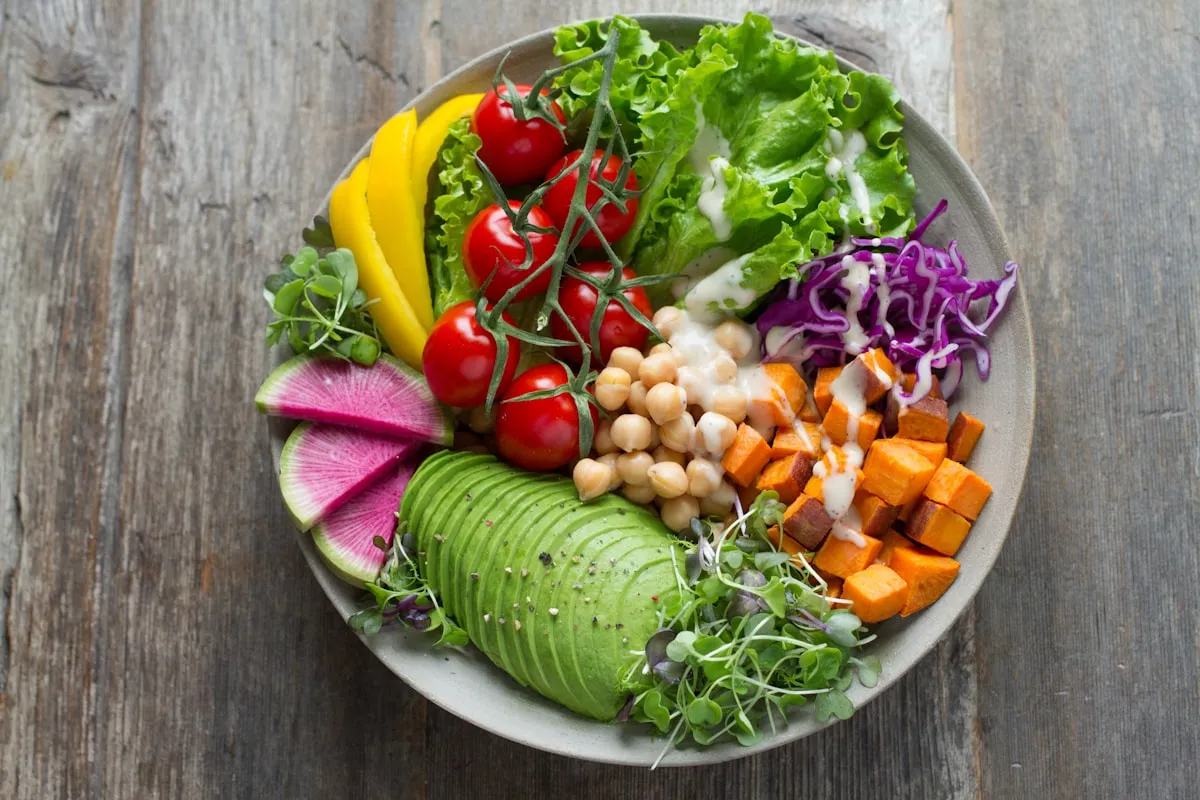
Another essential technique for your summer kitchen is maceration. Use salt and acid to draw moisture out of raw vegetables through osmosis. When you salt a sliced cucumber or a chopped tomato, the salt pulls water across the cell membranes. This doesn't just make the vegetable softer; it creates a natural "jus" or dressing that is intensely flavored by the vegetable itself. Avoid rushing this process. Give your ingredients at least 15 to 20 minutes to sit together. This transforms a pile of raw greens and beans into cohesive, quick family meals that feel intentional rather than thrown together.
Check your seasoning levels more aggressively than you would for a hot meal. Cold temperatures actually suppress our taste buds' ability to perceive saltiness and sweetness. This is why a soup that tasted perfect while simmering can seem bland once chilled. If you are preparing a gazpacho or a cold pasta salad using leftover noodles, add an extra splash of vinegar or a pinch of salt right before serving. This "acid hit" wakes up the palate and ensures the meal doesn't fall flat.
While I often rely on air fryer recipes dinner for their efficiency and crunch, during a true heatwave, even that small appliance can feel like too much. Stick to these chemical "cooking" methods to keep your home cool. Focus on high-impact ingredients like capers, pickled onions, and fermented hot sauces. These provide the complexity that heat usually provides, but without the sweat.
Variations: Swapping Textures and Tones
The beauty of a no-cook framework is that it is incredibly forgiving. Once you understand the balance of fat, acid, and crunch, you can swap ingredients based on what’s on sale at your local market. If you don't have chickpeas, reach for butter beans or cannellini beans. They offer a creamy, buttery texture that contrasts beautifully with sharp red onions and acidic dressings. For those looking for healthy dinner ideas that feel substantial, don't overlook the power of tinned fish. A high-quality jar of tuna or sardines packed in oil provides instant, high-quality protein that requires no preparation.
For a texture that mimics cooked grains without the boiling water, try using "instant" options like couscous (which can technically be "cooked" by soaking in room-temperature water or tomato juice for a longer period) or pre-cooked pouches of quinoa. You can also lean into the "crunch" factor by using raw, crushed ramen noodles in salads. The dressing hydrates them just enough to be edible while retaining a satisfying snap. This versatility makes these recipes perfect for quick family meals that please everyone, from picky toddlers to health-conscious adults.
Balancing the Plate: Side Dish Pairings
Even a hearty bean salad or a bowl of gazpacho benefits from a well-thought-out pairing. The goal here is balance. If your main dish is rich and creamy, like a chicken salad made with rotisserie leftovers and avocado, pair it with something sharp and bitter. A simple zesty arugula salad with a lemon-heavy vinaigrette provides the necessary acidity to cut through the fat.
On the flip side, if you are serving a highly acidic gazpacho, you need a side that offers substance and a neutral base. Think of thick slices of sourdough bread or a simple plate of sliced cheeses and nuts. This provides a "landing pad" for the bright flavors of the soup. Always include a variety of textures; if the main dish is soft (like a lentil salad), serve it with something high-crunch like raw radish slices or toasted pita chips.
Frequently Asked Questions
Can I really "cook" fish with just citrus?
Yes, this is the fundamental principle of ceviche. The citric acid in lime or lemon juice denatures the proteins in the fish, causing it to become firm and opaque. However, be extremely cautious. Acid denaturing changes the texture and appearance of food, but it does not kill bacteria or parasites with the same reliability as high-heat cooking. Use only the freshest, sushi-grade fish for this method, or stick to pre-cooked proteins like shrimp or rotisserie chicken if you are on a budget or feeding children.
How do I stop my no-cook salads from getting soggy?
The trick is to keep your "wet" and "dry" ingredients separate until about 20 minutes before eating. While maceration is good for things like tomatoes and onions, it can turn lettuce or delicate herbs into mush. Dress your beans, proteins, and hardy vegetables ahead of time to let the flavors meld, then toss in your leafy greens and crunchy toppers (like nuts or seeds) right at the end.
Are canned beans as healthy as dried ones?
Absolutely. Canned beans are a fantastic shortcut for healthy dinner ideas. They are packed with fiber and protein. To improve the flavor and texture, always drain and rinse them thoroughly under cold water. This removes the metallic-tasting liquid and a significant portion of the sodium. If you want them to taste even better, toss them in a little olive oil and herbs as soon as they are rinsed.
What if my gazpacho is too thin?
If your blended soup lacks body, you have two budget-friendly options. Traditionally, Spanish gazpacho uses a slice of stale bread blended into the mix to provide a creamy, thick consistency. If you want a gluten-free or higher-protein version, blend in half a cup of canned white beans. You won't taste the beans, but they will create a luxurious, velvety texture that makes the soup feel like a full meal.
Is it safe to eat raw ramen noodles?
Yes, the noodles in instant ramen packets are actually pre-fried or baked during the manufacturing process, meaning they are already "cooked." Eating them dry provides a great crunch, but be sure to discard the high-sodium flavor packet and use your own vinaigrette to control the salt and spices.
{“@type”:”BlogPosting”,”image”:”https://cdn.marblism.com/7qEmALrGg59.webp”,”author”:{“name”:”Cookpedia Chef”,”@type”:”Person”},”@context”:”https://schema.org”,”headline”:”Stop Wasting Time on Cooking: 7 No-Cook Budget Friendly Recipes for Summer”,”publisher”:{“logo”:{“url”:”https://cdn.marblism.com/r31hCYxu5lk.webp”,”@type”:”ImageObject”},”name”:”Cookpedia”,”@type”:”Organization”},”description”:”Discover the science of no-cook summer meals. Learn how to use acid denaturing and maceration to create healthy, budget-friendly dinners without turning on the stove.”,”datePublished”:”2026-07-03″}