Recipe
Servings
Servings 1×
Ingredients
- Pasta
- Greek yogurt
- Potatoes
- Cauliflower
- Carrots
- Peas
- Lemon
- Honey
- Butter
- Cooking oil
Method
- Let’s dive into the molecular mechanics of the perfect puree.
- Use a high-speed blender to pulverize the cellulose (plant fiber) until it releases natural pectins and starches.
- Heat lowers surface tension.
- Roast the cauliflower instead of boiling it to remove water content through evaporation.
Ever wondered why that expensive restaurant puree stays in a perfect, glossy "swoosh" while your home-cooked version just… leaks? You’ve got a puddle, not a plate. The difference isn't just a fancy spoon; it’s physics. Understanding how surface tension and viscosity interact is the secret to elevating healthy dinner ideas from "tasty but messy" to "culinary masterpiece." In my blog, I’m obsessed with the "why" because once you master the science, the "how" becomes second nature. Let’s dive into the molecular mechanics of the perfect puree.
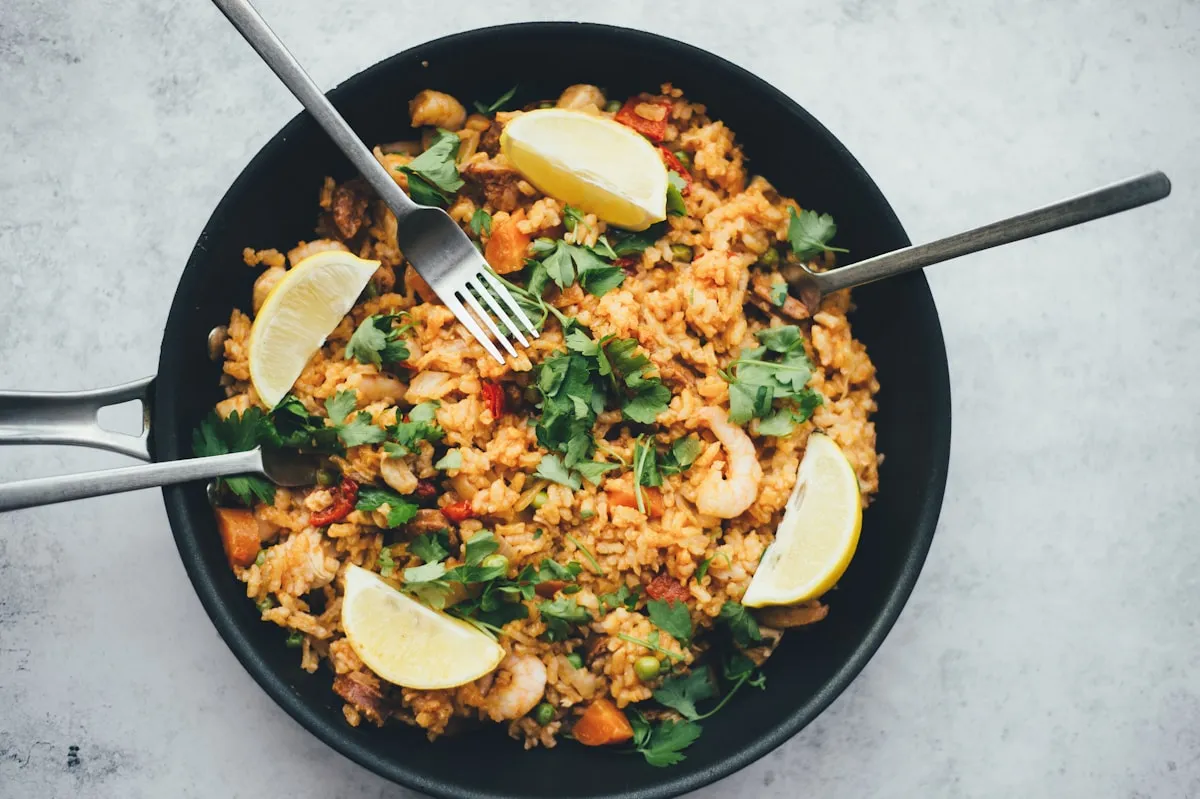
The Physics of the Swoosh: Viscosity vs. Surface Tension
To master plating, you first have to understand the two invisible forces fighting for control of your plate: viscosity and surface tension. They sound like the same thing, but they are actually bitter rivals in the world of fluid dynamics. Viscosity is the "internal friction" of your puree, basically, how much it resists flowing. Surface tension, on the other hand, is the cohesion at the surface of the liquid that wants to shrink everything into the smallest possible area (a bead).
If you want a puree that holds its shape, you need high viscosity. Think of honey versus water. When you’re creating quick family meals, you might be tempted to thin out a thick carrot or pea puree with water to make it "smoother." Stop. Adding water increases the flow and decreases the internal friction, leading to a "weeping" puree where liquid separates from the solids. Use a high-speed blender to pulverize the cellulose (plant fiber) until it releases natural pectins and starches. These molecules act as a physical mesh, trapping water and increasing viscosity.
Surface tension comes into play when you want those beautiful, perfect dots or teardrops. High surface tension makes the puree bead up, while low surface tension makes it spread out and "wet" the plate. Fats are your secret weapon here. When you emulsify cold butter or extra virgin olive oil into a hot puree, you’re creating a stable emulsion. This is similar to achieving the perfect glossy sauce in a pasta dish. These lipids surround the water molecules, increasing the cohesion and giving the puree that lustrous, professional sheen.
Check the temperature of your plate before you start. Heat lowers surface tension. If you put a hot puree on a boiling hot plate, it will spread like a pancake. If you want those tight, defined lines, plate on a warm, not hot, surface. Avoid using too much surfactant (like vinegar or lemon juice) too early in the blending process, as acidity can break down the pectin mesh and lower the surface tension, causing your beautiful design to collapse before it hits the table.
Scientific Variations: Starch, Fiber, and Keto Alternatives
Not all vegetables are created equal in the eyes of physics. Starchy vegetables like parsnips or potatoes rely on starch gelatinization. When you heat these vegetables, the starch granules swell and burst, creating a thick, viscous paste. However, if you over-blend a potato puree, you break those starch molecules too much, turning your elegant base into a sticky, glue-like mess. Stick to a food mill or ricer for high-starch options.
For a lighter twist, many healthy dinner ideas lean on fibrous vegetables like cauliflower or peas. These don't have the starch of a potato, so you have to rely on fiber and fat for structure. A keto-friendly cauliflower puree, for instance, has very low natural viscosity. To fix this, you must reduce the liquid significantly. Roast the cauliflower instead of boiling it to remove water content through evaporation. This concentrates the solids, allowing the surface tension to stay high enough for a clean plating finish.
If you are looking for quick family meals that still look impressive, try a vibrant pea and mint puree. The trick here is blanching. Shocking the peas in ice water stops the enzymatic breakdown of chlorophyll, keeping the color bright. The cold temperature also helps "set" the puree's structure before you blend it with a stabilizing fat like crème fraîche or Greek yogurt. The proteins in the dairy provide additional structural support, helping the puree hold its shape against the pull of gravity.
Side Dish Pairings: Balancing the Texture
A puree is a smooth, homogenous base, which means the rest of your plate needs to offer a "textural counter-punch." If you have a soft, velvety parsnip puree, you need something with a high Young’s modulus, the scientific measure of stiffness. Think of something crunchy or crispy.
Pairing a smooth puree with something from your air fryer recipes dinner list is a fantastic way to achieve this balance. The intense convection heat of an air fryer creates a "dehydrated" outer crust on proteins or vegetables, providing a sharp snap that cuts through the creaminess of the puree. For example, a seared scallop or a crispy air-fried chickpea provides the necessary resistance to the "give" of the vegetable base.
Acidity is also a non-negotiable pairing. Purees are often rich and fatty (thanks to the butter or oil used for surface tension), so you need a high-pH element like pickled red onions or a lemon-zest gremolata to cleanse the palate. This contrast keeps the dish from feeling heavy and one-dimensional.
FAQ: Troubleshooting Your Purees
Why does my puree look watery after five minutes on the plate?
This is called syneresis, or "weeping." It happens when the structural mesh of your puree (either starch or fiber) isn't strong enough to hold onto the water molecules. To prevent this, ensure you’ve reduced your liquids enough during the cooking process. If it’s already made, try whisking in a tiny pinch of xanthan gum, a powerful stabilizer that increases viscosity without changing the flavor.
My puree is too thick to "swoosh." What do I do?
You have too much internal friction. Add a tiny amount of warm liquid (stock or cream) one teaspoon at a time while blending. Remember that viscosity is temperature-dependent; as the puree cools, it will thicken. Always aim for a slightly thinner consistency while it’s hot than you want for the final cold result.
Can I make these ahead of time?
Yes, but be careful with reheating. Reheating can cause emulsions to break, especially if they contain a lot of butter. Use a low heat and a whisk to reintegrate the fats. If you're looking for quick family meals for a busy Tuesday, making a big batch of root vegetable puree on Sunday is a pro move. Just store it with a layer of plastic wrap touching the surface to prevent a skin from forming: another result of surface evaporation!
Is an air fryer better than boiling for puree prep?
Using air fryer recipes dinner techniques for your prep is actually brilliant for concentrated flavor. Roasting vegetables in the air fryer removes moisture through evaporation, which increases the concentration of solids. This leads to a naturally thicker, more flavorful puree than boiling, where the vegetable often absorbs excess water and loses its structural integrity.
Why does my green puree turn brown?
That’s the result of thermal degradation of chlorophyll. To keep it bright green, blanch your greens in boiling water for only 60 seconds, then immediately plunge them into an ice bath. This sets the color. When blending, avoid over-processing, as the friction from the blender blades can generate enough heat to "cook" the color right out of your sauce.