Recipe
Servings
Servings 1×
Ingredients
- Chickpeas
- Black beans
- Beans
- Pasta
- Tortillas
- Bread
- Potatoes
- Sweet potatoes
- Greens
- Corn
- Tomatoes
- Lime
- Chili seasoning
- Salt
- Black pepper
Method
- Use the "blooming" technique.
- Toss your cumin and chili powder into the pot with a little fat before you add your broth.
- Keep your acid in check until the beans reach your desired texture.
- Add a minced chipotle pepper in adobo sauce.
- Use your spoon to mash a few of the sweet potato cubes against the side of the pot.
- Stir that mash back into the liquid.
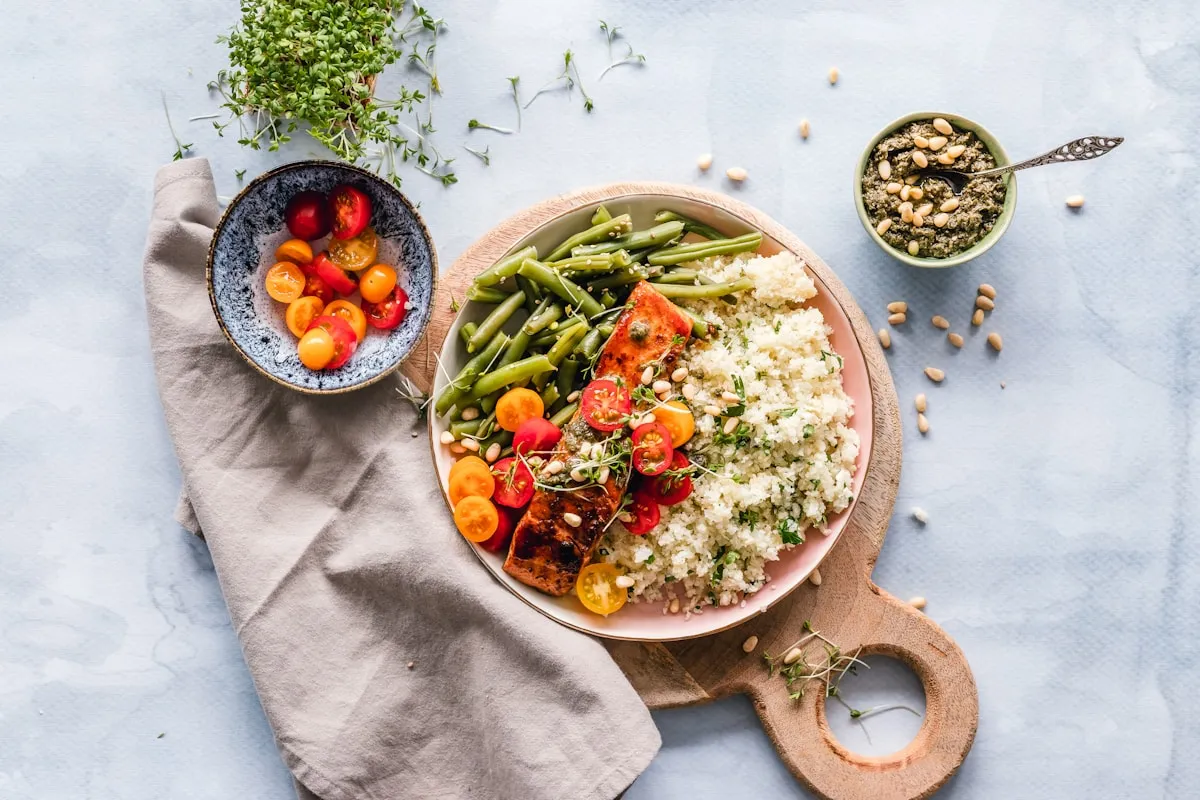
If you think a bowl of plant-based chili can't hold its own against a beefy classic, prepare to have your mind changed. This Sweet Potato and Black Bean Chili is one of those healthy dinner ideas that actually sticks to your ribs. It’s thick, smoky, and naturally sweet, hitting that perfect intersection of comfort and nutrition. Whether you’re a lifelong vegetarian or just trying to survive a Meatless Monday without feeling deprived, this bowl delivers a flavor profile that is scientifically designed to satisfy.
The Science of the Simmer: Starch and Flavor
When you’re building a chili without meat, you have to lean heavily on the chemistry of your ingredients to create body and depth. The real MVP here is the sweet potato. As it heats up in your pot: specifically once it hits that 60-78°C (140-172°F) sweet spot: something magical called starch gelatinization happens. The starch granules inside the potato absorb the surrounding liquid, swell up, and eventually burst. This isn't just a texture thing; it’s a thickening strategy. By letting some of the sweet potato cubes break down, you’re creating a naturally creamy base that mimics the mouthfeel of a slow-cooked stew.
But wait, there’s more. While those potatoes are softening, a process called saccharification is working overtime. Enzymes like alpha-amylase are busy breaking down complex starches into maltose. This is why your chili tastes better the longer it sits. You aren't just heating things up; you’re literally generating sugar from within the potatoes to balance out the heat of your spices.
Mastering the Spice Extraction
Do not just dump your spices into the liquid at the end. Use the "blooming" technique. Toss your cumin and chili powder into the pot with a little fat before you add your broth. Spices contain lipophilic flavor compounds: meaning they dissolve much better in fat than in water. If you want that deep, resonant smokiness that defines a great chili, you must toast those aromatics first.
Check your acidity levels too. The tomatoes in this recipe aren't just for bulk; they provide the necessary low pH to brighten the overall flavor. Science tells us that at a pH of around 4.0, the perception of savory spices is actually enhanced. However, avoid adding extra lime juice or vinegar until the very end. If the environment is too acidic too early, it can actually interfere with the beans softening properly. Keep your acid in check until the beans reach your desired texture.
Elevating Your Bowl: Variations for Every Table
One of the reasons this dish is a staple for quick family meals is its sheer versatility. If you find the natural sweetness of the potatoes a bit too forward, lean into the smoke. Add a minced chipotle pepper in adobo sauce. The capsaicin in the peppers provides a sharp contrast to the maltose in the potatoes, creating a sophisticated "sweet-heat" profile that feels like it came from a professional kitchen.
For those who crave more texture, consider a "crunch" variation. While the chili simmers, you can actually utilize other tools in your kitchen. If you're a fan of air fryer recipes dinner prep, try air-frying some corn tortilla strips until they are shattered-glass crisp. Throw those on top along with some diced radishes. The cold, sharp bite of the radish cuts through the rich, starchy density of the black beans and sweet potato, keeping every spoonful interesting.
If you are feeding a crowd that demands high protein, don't be afraid to double up on the legumes. Mixing black beans with kidney beans or even chickpeas changes the fiber profile and adds different layers of "chew." Just remember: if you use different types of beans, ensure they have similar cooking times to avoid a bowl of mush.
The Perfect Side: Beyond the Bowl
No chili is complete without a supporting cast. While the chili provides the warmth and the weight, you need something to soak up that "liquid gold" at the bottom of the bowl. A classic skillet cornbread is the non-negotiable partner here. Look for a recipe that utilizes real buttermilk; the lactic acid in the buttermilk reacts with the leavening agents to create a crumb that is light enough to contrast the dense chili but sturdy enough for dipping.
If you want to keep things on the lighter side, a bright, citrusy slaw is your best bet. Think shredded cabbage, cilantro, and a heavy hand of lime juice. This isn't just about color; it’s about culinary balance. The high acidity and crunch of the slaw act as a palate cleanser between bites of the rich, earthy chili. It prevents "flavor fatigue," which is that feeling where after five bites, everything starts tasting the same.
Chili Troubleshooting: The FAQ
What if my chili is too thin?
Don't panic and don't reach for cornstarch. Use your spoon to mash a few of the sweet potato cubes against the side of the pot. Stir that mash back into the liquid. The released starches will act as a natural thickener without muddying the flavor. If it's still too watery, let it simmer uncovered for ten minutes to allow for evaporation, which concentrates the solutes and intensifies the flavor.
Can I make this in a slow cooker?
Absolutely, but keep the science in mind. Because slow cookers trap moisture, you won't get the same evaporation you do on the stovetop. Use about 20% less liquid than you think you need. Also, add your spices at the beginning to allow them maximum time to infuse, but save the "bright" flavors like fresh cilantro and lime for the final ten minutes before serving.
Why are my beans still hard after hours of cooking?
This is usually caused by one of two things: old beans or too much acid. If your dried beans have been sitting in the pantry since the last solar eclipse, they might never soften. More likely, you added your tomatoes too early. Acid and salt can toughen the skins of legumes. If you’re starting from scratch with dry beans, cook them until they are 80% tender before adding the acidic tomato base.
How do I store and reheat this safely?
This chili is a meal prep dream. Store it in airtight containers in the fridge for up to five days. When reheating, you’ll notice it has thickened significantly: this is the starch retrogradation process at work. Add a splash of water or broth to loosen it back up. It actually tastes better the next day because the flavor compounds have had time to fully integrate into the potato matrix.
Is this recipe keto-friendly?
Not exactly. Sweet potatoes and black beans are both relatively high in carbohydrates. However, it is an excellent choice for a "slow carb" diet or for anyone looking for healthy dinner ideas that focus on complex carbohydrates and high fiber. The fiber in the beans helps regulate blood sugar spikes, making it a much smarter choice than a bowl of white pasta.