Recipe
Servings
Servings 1×
Ingredients
- Black beans
- Beans
- Pasta
- Rice
- Tortillas
- Potatoes
- Sweet potatoes
- Spinach
- Kale
- Greens
- Corn
- Onion
- Lime
- Salt
Method
- Let’s talk about the backbone of this dish: the sweet potato.
- Cut your potatoes into precise half-inch cubes.
- Use a dark metal baking sheet if you have one, as it absorbs and radiates heat more efficiently than glass or light-colored pans.
- Rinse your beans thoroughly to remove the metallic-tasting canning liquid and excess sodium.
You know those nights when you want something that feels like a hug but doesn't leave you in a carb-induced coma by 8:00 PM? That is exactly where these sweet potato and black bean enchiladas come in. We are ditching the heavy, greasy takeout vibe for something vibrant, filling, and surprisingly scientific. This isn't just about rolling things in tortillas; it is about mastering the textures of the earthiest ingredients in your pantry. If you are looking for plant-based dinner ideas that actually satisfy a crowd, you have found the gold standard.
The Science of the Perfect Roast
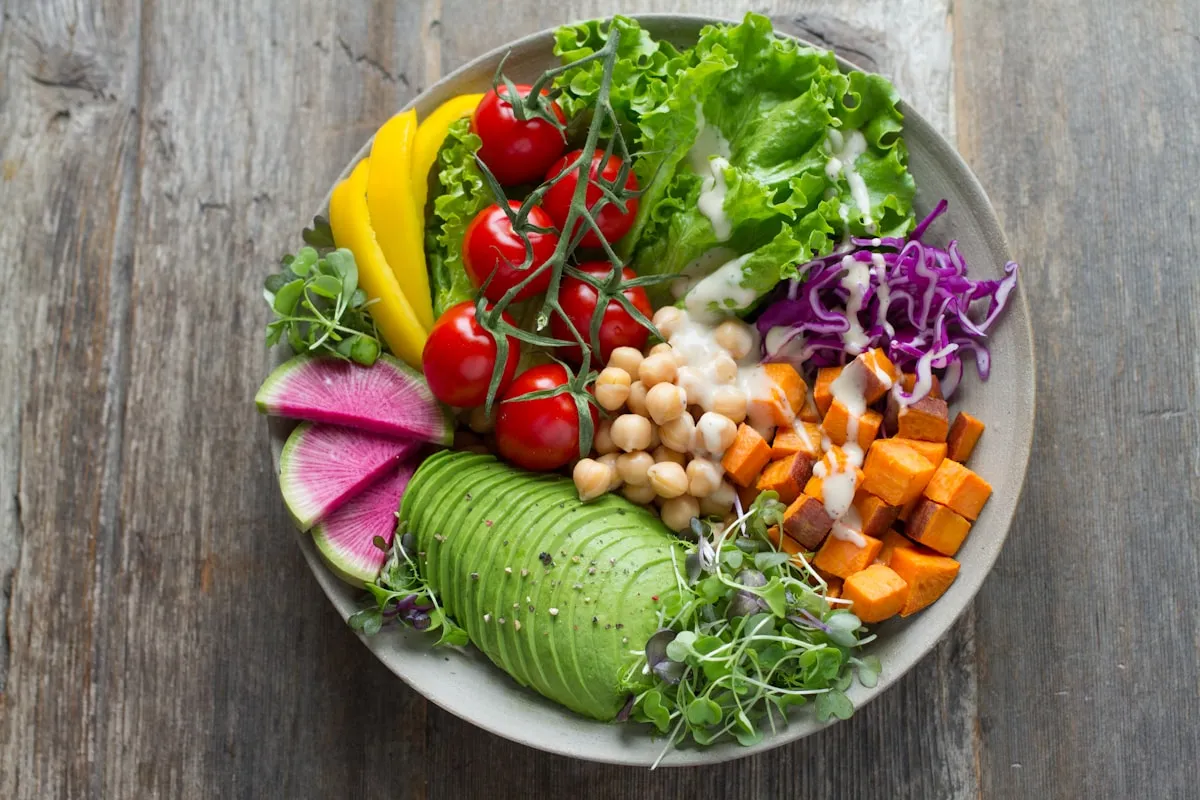
Let’s talk about the backbone of this dish: the sweet potato. You aren’t just "cooking" it; you are conducting a chemical transformation. Sweet potatoes are essentially starch bombs waiting to be turned into sugar. When you heat them, an enzyme called amylase goes to work, breaking down those long starch chains into maltose. To get the best flavor, you want to maximize this conversion without turning the potato into baby food.
Cut your potatoes into precise half-inch cubes. This specific size is the "Golden Ratio" of roasting. It provides enough surface area for the Maillard reaction, that beautiful browning that creates savory, complex notes, while keeping the interior fluffy and intact. If you cut them too small, they shrivel into leathery bits; too large, and the outside burns before the inside softens.
Aim for a high-heat roast at 400°F (200°C). Use a dark metal baking sheet if you have one, as it absorbs and radiates heat more efficiently than glass or light-colored pans. Avoid crowding the pan at all costs. When you pile cubes on top of each other, the moisture escaping from the potatoes gets trapped, creating steam. Steaming leads to mushy potatoes, and mushy potatoes are the enemy of a good enchilada. You want roasted edges that can stand up to being smothered in sauce later.
While the potatoes do their thing, focus on the black beans. Texture is the name of the game here. Most people just dump a can of beans into a bowl and call it a day, but you are better than that. Rinse your beans thoroughly to remove the metallic-tasting canning liquid and excess sodium. This also helps with digestion, science! Once rinsed, take about a third of your beans and give them a rough mash with a fork.
This partial mash is a pro-move. It creates a creamy, natural "binder" that holds the sweet potato cubes together. Without it, your filling will tumble out of the tortilla the moment you take a bite. By keeping the other two-thirds of the beans whole, you maintain a satisfying "pop" and structural integrity. This balance is what elevates healthy weeknight dinners from "fine" to "phenomenal." Check out our guide on achieving the perfect glossy sauce if you want to apply similar texture-binding principles to your pasta nights.
Filling Variations & Flavor Profiles
Once you have mastered the potato-bean base, the world is your oyster (or, well, your vegetable garden). The beauty of this dish is its adaptability. If you want to lean into the sweetness of the potatoes, add a handful of frozen sweet corn. The kernels provide a snappy contrast to the soft filling.
For those who crave more bitterness to balance the sugar, fold in some finely chopped kale or spinach. Don't worry about pre-cooking the greens; the residual heat from the roasted potatoes and the subsequent trip to the oven will wilt them perfectly. This is an easy way to sneak more nutrients into your plant-based dinner ideas without making it feel like you are eating a salad in a blanket.
Sauce choice is another huge lever you can pull. A traditional red guajillo-based sauce offers earthy, smoky depth that complements the roasted notes of the potato. However, if you prefer something bright and tangy, go for a salsa verde. The acidity of the tomatillos cuts right through the richness of the starchy filling. If you are feeling adventurous, try a "Christmas style" tray with half red and half green sauce. It’s a great way to test which profile your family prefers for future healthy weeknight dinners.
Balancing the Plate: Side Dish Pairings
Since the enchiladas are quite dense and starchy, your side dishes need to do some heavy lifting in the acidity department. Avoid serving this with more rice or beans; it’s redundant and will leave everyone feeling sluggish. Instead, think about "bright and crunch."
A quick cabbage slaw is the perfect partner. Shred some red cabbage, toss it with a heavy squeeze of lime juice, a pinch of salt, and plenty of fresh cilantro. The acetic acid in the lime and the crunch of the raw cabbage act as a palate cleanser between bites of the rich, saucy enchiladas.
If you want something a bit more sophisticated, try quick-pickled red onions. The bright pink color makes the plate pop, and the sharp vinegar punch prevents the sweet potato from becoming overwhelming. Think of it as a flavor see-saw: on one side you have the heavy, warm, roasted sweetness, and on the other, you need the sharp, cold, acidic crunch to keep things level. For more ideas on balancing heavy flavors with quick techniques, see our post on air fryer vegetable medleys.
Frequently Asked Questions
Why do my corn tortillas always crack when I roll them?
This is a classic physics problem. Corn tortillas are relatively dry and brittle at room temperature. To make them pliable, you must hydrate them with heat. Wrap your stack in a damp paper towel and microwave them for 30 seconds, or quickly dip them in your warm enchilada sauce before filling. The heat relaxes the corn fibers, and the moisture (or oil in the sauce) acts as a lubricant, allowing them to bend without snapping.
Can I use flour tortillas instead?
You can, but be prepared for a different result. Flour tortillas contain more gluten and fat, making them softer but also more prone to becoming "gummy" when soaked in sauce. If you use flour, bake the dish at a slightly higher temperature for a shorter time to ensure the edges crisp up before the bottom turns into a paste. Science says corn is the superior choice for structural integrity in a wet casserole environment.
My filling is falling apart; what did I do wrong?
You likely skipped the partial mash or used too much liquid. If your beans are swimming in juice or your salsa is too watery, the filling won't hold its shape. Remember, the mashed beans act as the "glue." If you find your mixture is too loose, simmer it in a skillet for five minutes to evaporate the excess moisture before you start rolling.
Can I make these ahead of time?
Yes, but with a caveat. You can prep the roasted potatoes and the bean mixture up to three days in advance. However, do not assemble and sauce the enchiladas until you are ready to bake. If they sit in the sauce in the fridge overnight, the tortillas will absorb all the liquid and lose their texture entirely. Keep the components separate, then roll and bake when the hunger hits.
Why do you recommend roasting over boiling the potatoes?
Boiling is the enemy of flavor. When you boil a sweet potato, you are leaching out the sugars and flavors into the water. Furthermore, boiling introduces excess water into the potato cells, making them soggy. Roasting uses dry heat to concentrate the flavors and create new ones via the Maillard reaction. Always roast for the best results in any healthy weeknight dinners.
{“@type”:”BlogPosting”,”image”:[“https://cdn.marblism.com/_A1oNNda5DU.webp”,”https://cdn.marblism.com/fhRu8PREg7K.webp”,”https://cdn.marblism.com/vktbKRR5fwB.webp”,”https://cdn.marblism.com/KSyJU12tR7U.webp”,”https://cdn.marblism.com/nV9Og4hVO2w.webp”],”author”:{“name”:”Penny”,”@type”:”Person”,”jobTitle”:”AI Blog Writer”,”affiliation”:{“name”:”Cookpedia”,”@type”:”Organization”}},”@context”:”https://schema.org”,”headline”:”Sweet Potato & Black Bean Enchiladas”,”publisher”:{“logo”:{“url”:”https://cookpedia.com/logo.png”,”@type”:”ImageObject”},”name”:”Cookpedia”,”@type”:”Organization”},”description”:”Master the science of sweet potato roasting and bean texture with this guide to the ultimate plant-based enchiladas.”,”datePublished”:”2026-05-22″,”mainEntityOfPage”:{“@id”:”https://cookpedia.com/sweet-potato-black-bean-enchiladas”,”@type”:”WebPage”}}