Recipe
Servings
Servings 1×
Ingredients
- Salmon
- Quinoa
- Pasta
- Asparagus
- Avocado
- Lemon
- Balsamic vinegar
- Butter
- Cooking oil
Method
- Prepare the ingredients described in the article and heat the cooking surface or oven as directed.
- Cook the main ingredients using the heat and timing guidance in the article.
- Finish with the seasonings and garnishes named in the article, then serve.
There is something deeply soulful about a meal that respects your time as much as your palate. When you’ve had a long day and your brain is at its limit, the last thing you need is a complex multi-step project. You need salmon. Specifically, you need a piece of fish that takes exactly fifteen minutes from the moment you pull it out of the fridge to the moment it hits your plate. This isn’t just about speed; it’s about the minimalist philosophy of using high-impact ingredients, lemon, herbs, and heat, to create a masterpiece of healthy dinner ideas.
The Physics of the Perfect Sear
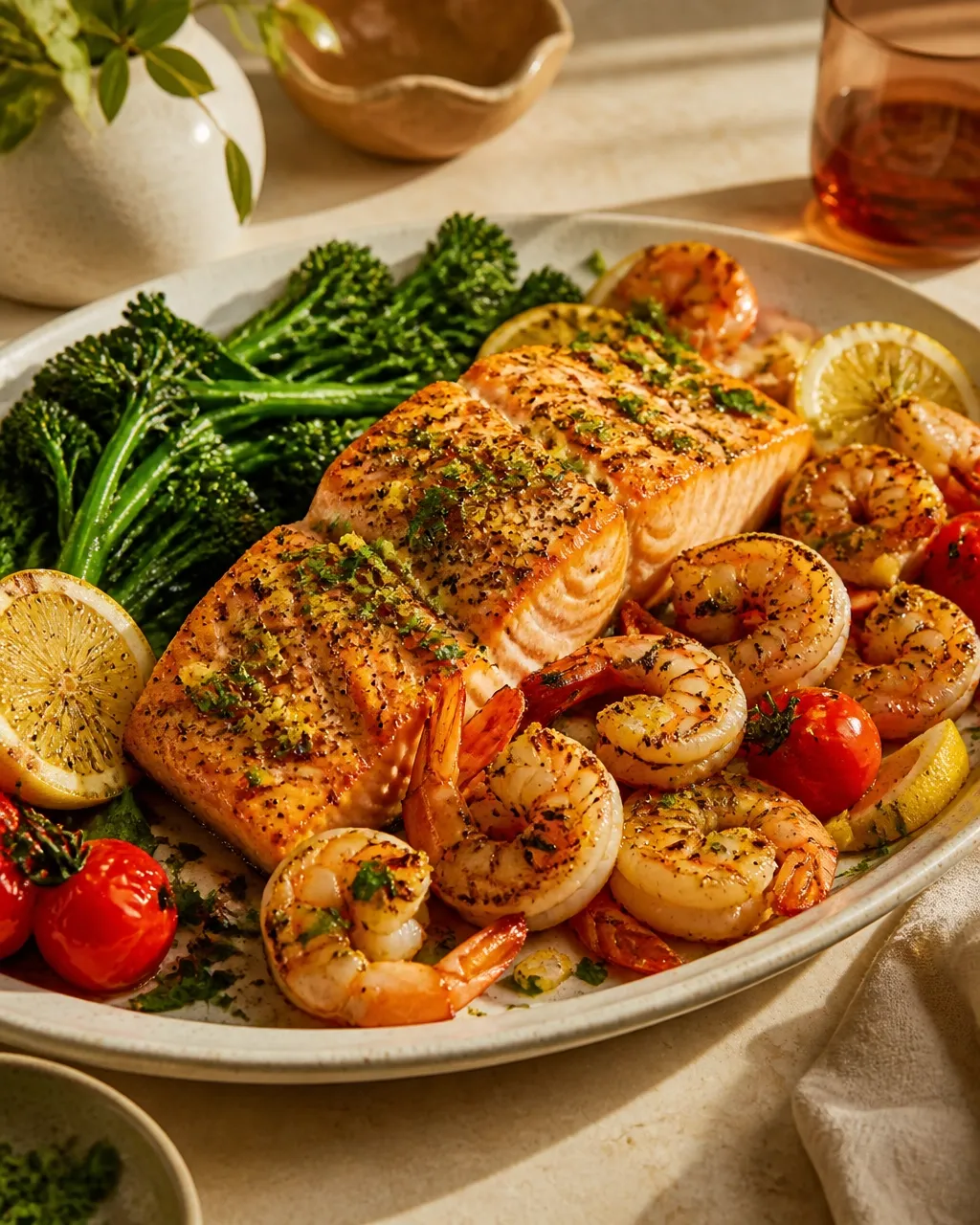
To master this dish, you have to understand that moisture is the sworn enemy of the sear. When you place a piece of fish into a hot pan, any water on its surface must evaporate before the temperature can rise high enough to trigger the Maillard reaction. This is the scientific process where amino acids and sugars react to create that beautiful, savory, golden-brown crust. If your salmon is damp, it will steam instead of sear, leaving you with a grey, rubbery exterior. Use a paper towel and press firmly; get that surface as dry as possible. Check it twice. It should feel almost tacky to the touch.
Once you’ve achieved dryness, respect the heat. You aren’t looking for a gentle simmer; you want the oil to shimmer. Choose an oil with a high smoke point, avocado oil is a hero here, but a light olive oil works too. Avoid extra virgin olive oil for the high-heat phase, as its low smoke point will break down and leave a bitter, burnt aftertaste. When the oil is ready, place the salmon in the pan and, this is the most important part, leave it alone. Do not poke it. Do not slide it around. The fish will naturally "release" from the pan once the crust has formed. If it’s sticking, it’s not ready to move.
If you are looking for even more hands-off efficiency, you can adapt this for the air fryer. While pan-searing offers the most control over the crust, searching for air fryer recipes dinner alternatives often leads you to this exact salmon technique. The circulating hot air mimics the sear, though you lose the ability to baste the fish in lemon butter at the end. Whichever method you choose, remember that salmon continues to cook after you remove it from the heat. Pull it off the pan when the internal temperature hits 125°F (52°C) for a medium finish. The "carry-over" cooking will bring it up to a perfect, buttery 130°F (54°C) while it rests on your plate.
Flavour Profiles: Finding the Balance
Minimalism doesn't mean boring; it means intentional. The "soul" of this dish comes from the contrast between the rich, fatty omega-3s of the fish and the sharp, bright acidity of the lemon. When you finish the fish with a squeeze of fresh juice, you aren't just adding flavor, you are physically cutting through the fat on your tongue, which makes every subsequent bite taste as fresh as the first. This balance is what transforms simple ingredients into one of your favorite quick family meals.
Consider your herb choice as your primary lever for shifting the mood of the meal. Fresh dill brings an earthy, slightly sweet grassiness that is traditional for a reason, it mirrors the clean, cold-water origins of the fish. If you want something more robust, flat-leaf parsley offers a peppery bite. For those who want to venture into more soulful territory, a touch of tarragon provides a faint anise-like warmth that feels incredibly sophisticated for a 15-minute meal.
Avoid dried herbs here if you can. Dried herbs need time to rehydrate in a liquid-heavy braise or soup. On a seared salmon fillet, they often just taste like hay. If you're out of fresh greens, lean harder into the lemon zest. The zest contains the essential oils of the fruit without the puckering acidity, giving you a deep, aromatic "lemon-ness" that lingers.
Acidity and Richness: Perfect Pairings
Because salmon is inherently oily, your side dishes should act as a refreshing counterpoint. Think about textures that offer a "snap" or a "crunch" to contrast the flakiness of the fish. A pile of blanched asparagus, finished with the same lemon you used for the salmon, is a classic for a reason. The slight bitterness of the greens balances the sweetness of the seared fish.
If you want something heartier but still want to keep things in the "minimalist" lane, a light couscous or a quinoa salad works beautifully. These grains act like tiny sponges, soaking up the lemon-herb pan juices that would otherwise go to waste. If you're in the mood for something more comforting, you might even pair a smaller portion of this salmon with a glossy tomato basil pasta, though for a truly 15-minute experience, a simple arugula salad with a balsamic drizzle is hard to beat. The goal is to keep the plate light enough that you feel energized after eating, not weighed down.
Common Obstacles and Scientific Fixes
What if I see white gunk coming out of the salmon?
That white stuff is called albumin. It’s a protein that exists in the fish in liquid form and coagulates when heated. While it’s perfectly safe to eat, it usually means you’re cooking the fish too fast or at too high a temperature, causing the muscle fibers to contract and squeeze the albumin out. To minimize this, let your salmon sit at room temperature for about 10 minutes before cooking. Putting a freezing-cold fillet into a scorching pan is a recipe for an albumin explosion.
Can I cook this from frozen?
Technically, yes, but avoid it if you want a soulful result. Freezing creates ice crystals that damage the cell structure of the fish. When you cook it from frozen, those cells leak moisture as they thaw, making it almost impossible to get a good sear. If you must use frozen, thaw it overnight in the fridge or in a sealed bag under cold running water, and be extra diligent about drying it off before it hits the pan.
Should I leave the skin on?
Always. Even if you don't intend to eat the skin, it acts as a thermal barrier between the flesh and the pan, helping the fish cook more evenly. If you do want to eat it: and you should: make sure to sear it skin-side down first and press it flat with a spatula. This prevents the skin from curling and ensures every millimeter gets crispy. For more tips on crispy textures in rapid cooking, check out our guide on air fryer comfort foods.
Why does my lemon juice taste bitter?
If you add the lemon juice too early in the searing process, the high heat can cause the sugars in the juice to burn, creating a bitter flavor. Always add your citrus at the very end: either as a deglazing liquid once the pan is off the heat or as a fresh squeeze right before serving. This preserves the vitamin C and the bright, volatile aromatic compounds that make lemon so refreshing.
{“@type”:”BlogPosting”,”image”:”https://cdn.marblism.com/09WlsxZ9rEf.webp”,”author”:{“name”:”Penny”,”@type”:”Person”},”@context”:”https://schema.org”,”headline”:”The 15-Minute Minimalist: Zesty Lemon Herb Salmon”,”keywords”:”quick healthy meals, easy dinner recipes, air fryer recipes dinner, quick family meals, healthy dinner ideas”,”publisher”:{“logo”:{“url”:”https://cdn.marblism.com/KxroJ1kM_KA.webp”,”@type”:”ImageObject”},”name”:”Cookpedia”,”@type”:”Organization”},”description”:”Learn the science behind the perfect 15-minute zesty lemon herb salmon. A minimalist, soulful guide to achieving a restaurant-quality sear at home.”,”datePublished”:”2026-06-05″,”articleSection”:”Cooking Techniques”,”mainEntityOfPage”:{“@id”:”https://cookpedia.com/the-15-minute-minimalist-zesty-lemon-herb-salmon”,”@type”:”WebPage”}}