Recipe
Servings
Servings 1×
Ingredients
- Salmon
- Quinoa
- Pasta
- Potatoes
- Asparagus
- Garlic
- Lemon
- Honey
- Butter
- Cooking oil
- Soy sauce or tamari
- Salt
- Black pepper
Method
- Prepare the ingredients described in the article and heat the cooking surface or oven as directed.
- Cook the main ingredients using the heat and timing guidance in the article.
- Finish with the seasonings and garnishes named in the article, then serve.
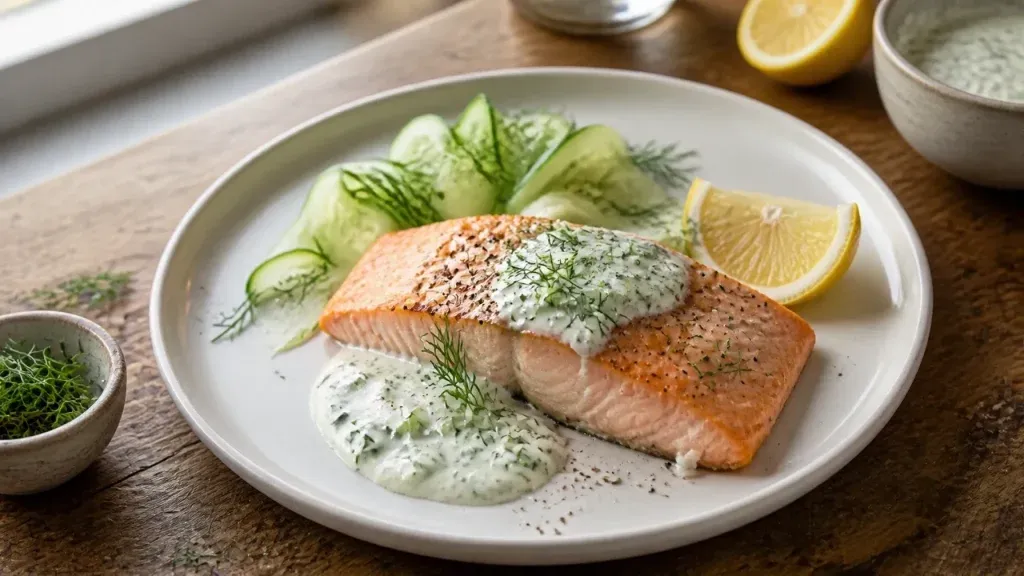
You know those nights when you’re staring at the fridge like it’s a difficult puzzle, and the clock is ticking toward "hangry" territory? We've all been there. But here’s the secret: you don't need an hour to create a restaurant-quality meal. In fact, you only need fifteen minutes. This pan-seared salmon with asparagus is the ultimate "fake it till you make it" dish, it looks like you spent the afternoon in a chef’s jacket, but it’s actually one of the easiest healthy dinner ideas in my repertoire.
The Science of the Perfect Sear
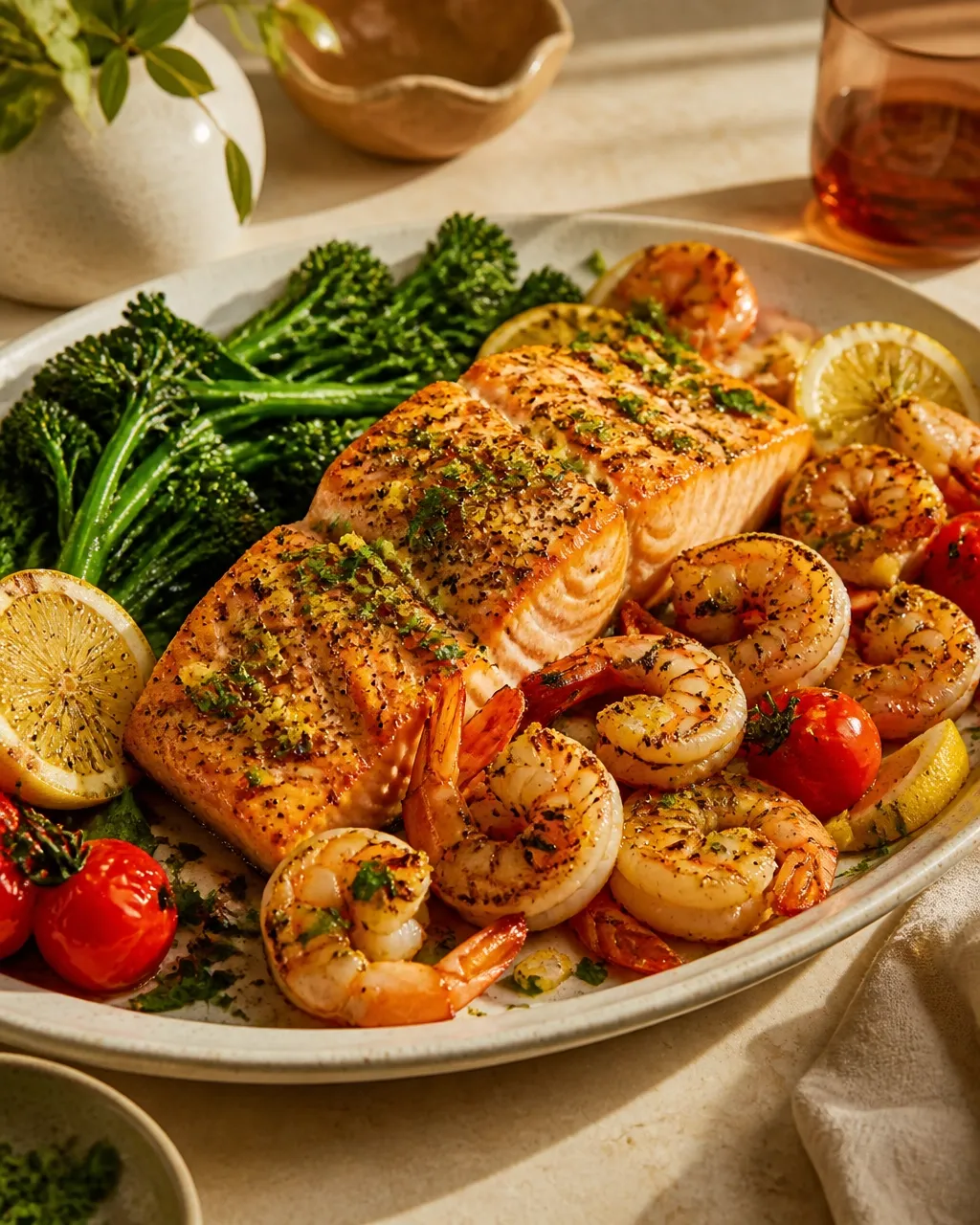
Achieving that golden, shatteringly crisp skin on a piece of salmon isn't magic; it’s chemistry. Specifically, it’s the Maillard reaction. This is the chemical reaction between amino acids and reducing sugars that gives browned food its distinctive flavor. To get this reaction started, you must eliminate moisture.
Pat the salmon dry. Use a paper towel and be aggressive. If there is water on the surface of your fish, the pan’s energy will be wasted evaporating that water into steam instead of browning the flesh. Steam equals soggy skin, and nobody wants that. Once it’s dry, season it immediately before it hits the pan.
Control the heat. Use an oil with a high smoke point, think grapeseed or refined olive oil. You want the oil to shimmer and just begin to wispy-smoke before the fish touches the metal. When you place the salmon in the pan (skin-side down!), you’ll hear a loud sizzle. That’s the sound of success.
Leave it alone. This is the hardest part. Your instinct will be to poke, prod, and lift. Don't. When the protein hits the hot pan, it actually bonds to the metal at a molecular level. As the crust forms and the proteins coagulate, the fish will naturally release itself. If it’s sticking, it’s not ready to flip. Watch the side of the fillet; when the opaque, cooked color reaches about three-quarters of the way up the side, it’s time for the turn.
The Asparagus Dilemma. Asparagus is a tale of two textures. The woody base is full of lignin, while the delicate tips are packed with sugars and thin cell walls. To keep them from turning into mush, cook them hot and fast. I like to toss them into the same pan as the salmon for the last few minutes. The high heat blisters the skin and softens the stalk while keeping the tips bright green. Remember, acidity (like lemon juice) breaks down chlorophyll, turning your bright green veggies a sad olive drab. Save the citrus squeeze for the very end, once the heat is off.
Flavor Variations to Keep it Fresh
While a simple salt and pepper seasoning is classic, you can easily pivot this into several quick family meals by changing the aromatic profile.
- The Mediterranean Twist: Add a tablespoon of butter, some minced garlic, and dried oregano to the pan during the last two minutes. Spoon that garlic butter over the salmon as it finishes.
- Honey-Soy Glaze: If you’re feeling bold, a splash of soy sauce and a drizzle of honey can create a beautiful lacquer. However, be warned: sugar burns fast. Only add glazes in the final 60 seconds of cooking to avoid a carbonized mess in your skillet.
- The Herb Crust: After searing the first side, flip the fish and press a mixture of lemon zest and freshly chopped dill onto the crispy skin. The residual heat will wake up the oils in the herbs without wilting them into oblivion.
Perfect Side Dish Pairings
Balance is everything. Since salmon is a rich, fatty fish, you need something to cut through that decadence. A bright, acidic salad is a winner here. Try my Arugula Power Salad for a peppery kick that stands up to the salmon's oils.
If you need a bit more substance, a quick-cooking grain like couscous or quinoa works beautifully. You can even lean into the efficiency of other tools; while the salmon is in the pan, you can whip up some crispy potatoes using air fryer recipes dinner style. For instance, my Kielbasa and Pierogi Roast technique for getting things crispy in the air fryer is a great companion concept for quick-cooking starches. Or, if you're in the mood for something saucy to go on the side, check out the logic behind my Glossy Sauce Pasta to understand how to emulsify flavors perfectly.
Frequently Asked Questions
Why did a white goop come out of my salmon?
That white stuff is called albumin. It’s a harmless protein that's pushed out of the muscle fibers as they contract during cooking. If you see a lot of it, you’re likely cooking the fish too fast or too long. The fibers are essentially "squeezing" the moisture out. To minimize this, pull the fish off the heat when the internal temperature hits about 130°F (54°C). The carryover heat will bring it up to a perfect, moist 135-140°F while it rests.
Can I use frozen salmon for this?
Absolutely, but you must thaw it completely first. If the center is still icy, the outside will overcook and become dry before the middle even begins to get warm. Thaw it in the fridge overnight or in a sealed bag under cold running water for a faster fix.
Should I keep the skin on?
Yes! Even if you don't plan on eating it, the skin acts as a thermal barrier, protecting the delicate flesh from the direct, aggressive heat of the pan. It keeps the salmon much juicier. Plus, if you follow my drying tips, that skin becomes the best "bacon of the sea" snack you've ever had.
What if my asparagus is really thick?
Thicker stalks need a head start. If your asparagus looks like small trees, put them in the pan a few minutes before the salmon, or use a vegetable peeler to shave off the tough outer skin of the bottom half of the stalks. This allows the heat to penetrate the fibrous center more quickly.
Is it okay to use a non-stick pan?
For fish, a non-stick pan is a great safety net, especially for beginners. However, if you want the absolute best crust, a well-seasoned cast iron or a heavy stainless steel skillet is superior because they hold more heat and promote better browning. Just ensure you use enough oil and wait for that "natural release" I mentioned earlier.
{“@type”:”BlogPosting”,”image”:”https://cdn.marblism.com/WSnQJyXhNx7.webp”,”author”:{“name”:”Penny”,”@type”:”Person”},”@context”:”https://schema.org”,”headline”:”15-Minute Pan-Seared Salmon with Asparagus”,”keywords”:”air fryer recipes dinner, quick family meals, healthy dinner ideas, pan seared salmon, asparagus recipe”,”publisher”:{“logo”:{“url”:”https://cookpedia.com/logo.png”,”@type”:”ImageObject”},”name”:”Cookpedia”,”@type”:”Organization”},”description”:”Learn the science behind the perfect 15-minute pan-seared salmon and tender-crisp asparagus. Quick, healthy, and restaurant-quality results for home cooks.”,”datePublished”:”2026-05-28″,”articleSection”:”Recipes”,”mainEntityOfPage”:{“@id”:”https://cookpedia.com/15-minute-pan-seared-salmon-asparagus”,”@type”:”WebPage”}}