Recipe
Servings
2 1×
Serves 2Prep 5 minCook 15 minTotal 20 min
Ingredients
- 6 oz spaghetti
- 4 slices bacon chopped
- 1 tbsp tomato paste
- 1 tsp white miso paste
- 25 cup fresh basil torn
Method
- Fry bacon until crispy.
- Add tomato paste and cook for 3 minutes until it turns a dark, brick red.
- Stir in miso paste and a splash of pasta water.
- Toss with al dente spaghetti.
- Serve immediately with fresh basil and black pepper.
Let’s be honest: we don’t always have six hours to baby a ragu or simmer a bone broth until it reaches peak soulfulness. Life happens, and usually, it happens right around 6:00 PM when you’re staring at a pack of ground turkey and a ticking clock. But here is the secret I’ve learned in my kitchen: time is a luxury, but flavor is a choice. You can fake a day’s worth of depth in just twenty minutes if you stop treating ingredients like items and start treating them like chemistry tools.
The Science of Savory: Why Glutamates Are Your Best Friend
To understand how to hack flavor, you have to understand umami. It isn’t just a trendy buzzword; it’s the fifth taste, specifically triggered by the presence of glutamate, an amino acid found in proteins. When we cook something for a long time, we are essentially waiting for proteins to break down into these free glutamates. My shortcut? Use ingredients that have already done the work for you. Fermentation is essentially “pre-cooking” at a molecular level.
Take miso paste, for example. This fermented soybean paste is a glutamate bomb. Because it’s already been aged for months, adding a tablespoon to a pan is like injecting six hours of simmering into your meal instantly. The same goes for soy sauce. It’s not just for salt; it’s for that fermented backbone that makes a dish feel heavy and satisfying. If you’re looking for quick family meals that don’t taste like they came out of a box, these are your primary weapons.
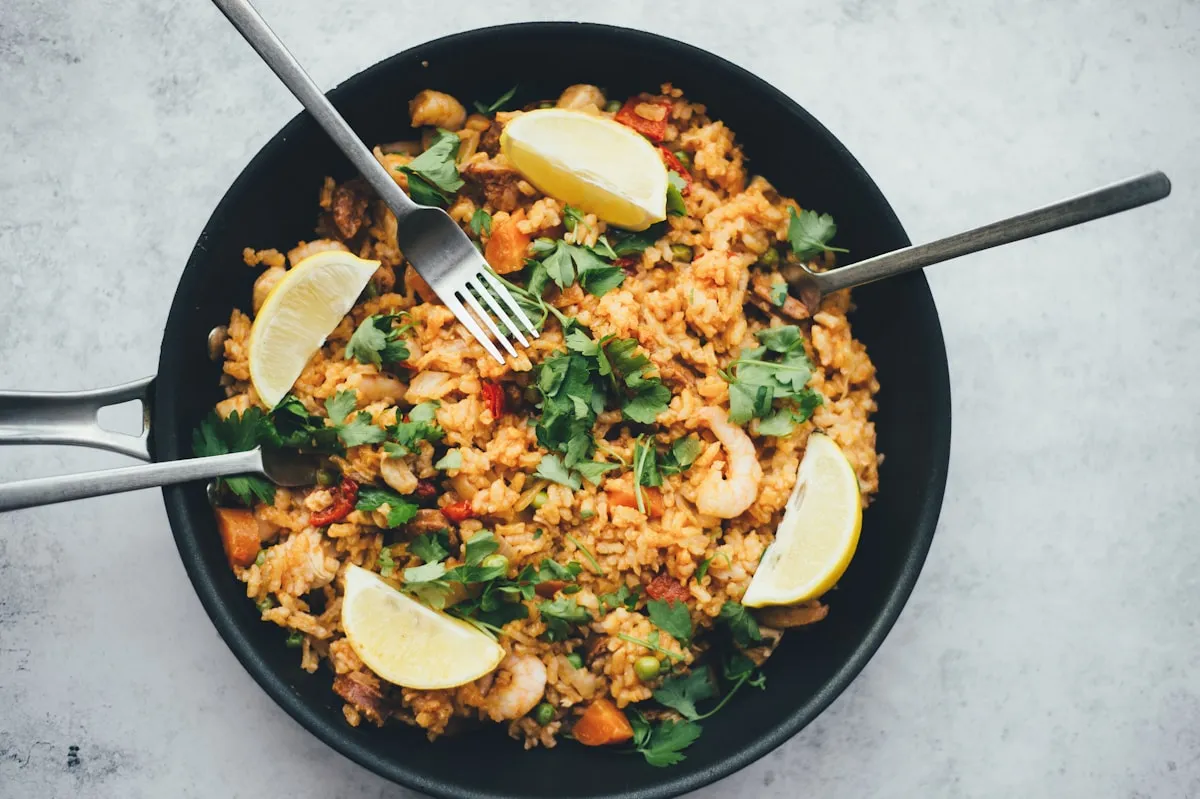
Another non-negotiable is tomato paste. But don’t just stir it into liquid. You must “brown” it. Fry it in a bit of oil or fat until the color shifts from bright red to a dark, rusty brick red. This caramelization process, the Maillard reaction, creates hundreds of new flavor compounds in minutes. It’s the difference between a thin, acidic sauce and one that tastes like a professional kitchen produced it.
Even anchovies follow this rule. If you’re afraid of “fishy” tastes, get over it. When you melt an anchovy into hot olive oil at the start of a sauté, it completely dissolves. It doesn’t taste like fish anymore; it tastes like a deep, savory bass note that rounds out everything else in the pan. Avoid boiling these ingredients at high heat for too long, though. Science tells us that umami notes can start to flatten if they sit above 160°F for extended periods, so stir your miso or delicate sauces in toward the end to keep that punch vibrant.
Mastering the Variations: Swapping Your Umami Sources
Not every dish wants miso, and not every cook wants anchovies. The key to being an efficient home cook is knowing how to swap these depth-boosters based on what’s in your pantry. If you are leaning into healthy dinner ideas that are strictly plant-based, mushroom powder is your secret weapon. Dried shiitake mushrooms have some of the highest concentrations of naturally occurring glutamate in the plant world. Grind them into a fine powder and keep them in a spice jar. A teaspoon in a vegetable stir-fry provides the same “meaty” satisfaction as a beef stock.
For those who enjoy dairy, Parmesan rinds are essentially solidified umami. Never throw them away. Toss a rind into your 20-minute vegetable soup or a quick pot of beans. As the cheese warms, it releases its aged glutamates into the broth. If you’re short on time and working with air fryer recipes dinner plans, try tossing your veggies in a mix of soy sauce and balsamic vinegar before they hit the basket. The balsamic provides acidity while the soy sauce brings the fermented depth, creating a complex glaze in less than fifteen minutes.
Don’t forget the power of Worcestershire sauce. It’s a complex blend of molasses, vinegar, and fermented anchovies. It’s the “everything” shortcut. A splash in a meatloaf, a stew, or even a basic gravy provides that “what is that delicious flavor?” mystery that usually takes hours of reduction to achieve.
Side Dish Pairings: Balancing the Heavy Hits
When you start cranking up the umami, your palate can become overwhelmed by the richness. The secret to a professional-grade meal is balance. If your main dish is a deep, miso-glazed salmon or a soy-heavy stir-fry, you need acidity and crunch to cut through the weight.
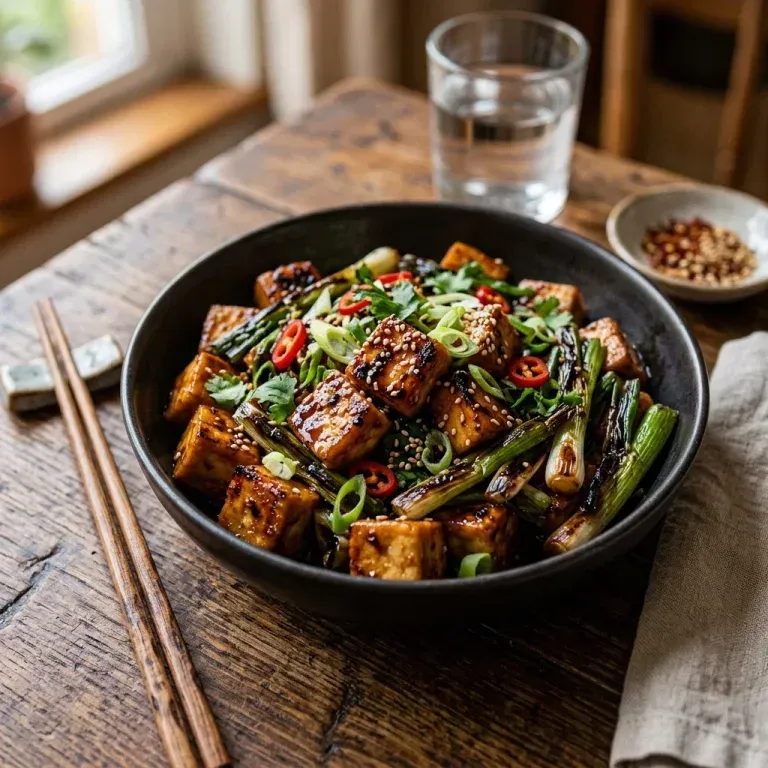
A simple slaw or a quick-pickled cucumber salad works wonders. Use rice vinegar or lime juice, the sharp acidity acts as a “cleanser” for your taste buds, making the next bite of savory food taste just as intense as the first. Avoid heavy, buttery side dishes when your main is already an umami powerhouse. Instead, opt for steamed greens or a crisp salad like this arugula power salad. Think of acidity as the brightness that allows the deep, dark notes of your umami shortcuts to truly shine.
FAQ: Solving Your Quick-Flavor Dilemmas
What if my dish becomes too salty when I add these shortcuts?
This is the most common pitfall. Ingredients like miso, soy sauce, and fish sauce are very high in sodium. The rule is simple: use these shortcuts instead of salt, not in addition to it. Season with your umami source first, taste it, and only then add kosher salt if it’s still lacking. If you’ve already over-salted, a squeeze of lemon or a pinch of sugar can help mask the perception of saltiness, but it won’t remove it.
Can I use these shortcuts in “bland” foods like chicken breast or tofu?
Absolutely. In fact, that’s where they are most necessary. Lean proteins lack the fat and connective tissue that usually provide flavor. Marinating a chicken breast in a mixture of tomato paste, garlic, and soy sauce for just ten minutes before searing will transform it. Check out our 20-minute meals section for more ways to dress up basic proteins.
Does it matter which type of miso I use?
Yes. For quick cooking, stick to White (Shiro) miso for lighter dishes like fish or poultry. It’s sweeter and less intense. Red (Aka) miso is fermented longer and is much saltier and more pungent: save that for hearty beef dishes or rich stews where it won’t overpower the other ingredients.
Why does my tomato paste taste metallic?
If you don’t cook it out, it can retain a tinned, metallic edge. Always sauté your tomato paste in oil for at least 2–3 minutes until it darkens. This “fries” the raw flavor away and leaves you with pure, concentrated sweetness and depth.
I hate the smell of fish sauce. Is there a substitute?
The smell is deceptive! Once fish sauce is cooked into a dish, the pungent aroma evaporates, leaving only pure savory depth. However, if you truly can’t stand it, use a 1:1 mixture of soy sauce and a little Worcestershire sauce. It won’t be identical, but it will provide a similar glutamate boost.
By mastering these simple “flavor anchors,” you can turn even the most basic weeknight dinner into something that feels intentional and soulful. Stop waiting for the weekend to eat well; just start using your pantry smarter.