Recipe
Servings
Servings 1×
Ingredients
- Shrimp
- Tofu
- Beans
- Pasta
- Noodles
- Rice
- Broccoli
- Carrots
- Zucchini
- Spinach
- Peas
- Cucumber
- Fresh ginger
- Cooking oil
- Soy sauce or tamari
- Chili seasoning
- Salt
- Black pepper
Method
- Prepare the ingredients described in the article and heat the cooking surface or oven as directed.
- Cook the main ingredients using the heat and timing guidance in the article.
- Finish with the seasonings and garnishes named in the article, then serve.
I’ve never met a person who doesn't love Pad Thai, but I have met plenty of people who feel a little "heavy" after a massive takeout portion of mostly noodles and sugar. That’s exactly why I’ve spent months perfecting a veggie-loaded version that brings all the funk, tang, and crunch of the original while actually making you feel like a functional human being afterward. This is one of those quick family meals that satisfies the takeout itch while ticking the box for healthy dinner ideas. It’s all about finding that magical balance between chewy rice noodles and a rainbow of high-impact vegetables.
The Science of the Perfect Noodle Texture
Achieving the legendary Pad Thai texture isn't about luck; it’s about managing starch gelatinization. Most people treat rice noodles like Italian pasta and boil them until they’re soft. Stop right there. If you boil your rice noodles, you’ve already lost. Rice noodles are mostly starch with almost no protein, meaning they go from "al dente" to "mushy mess" in about twelve seconds of boiling.
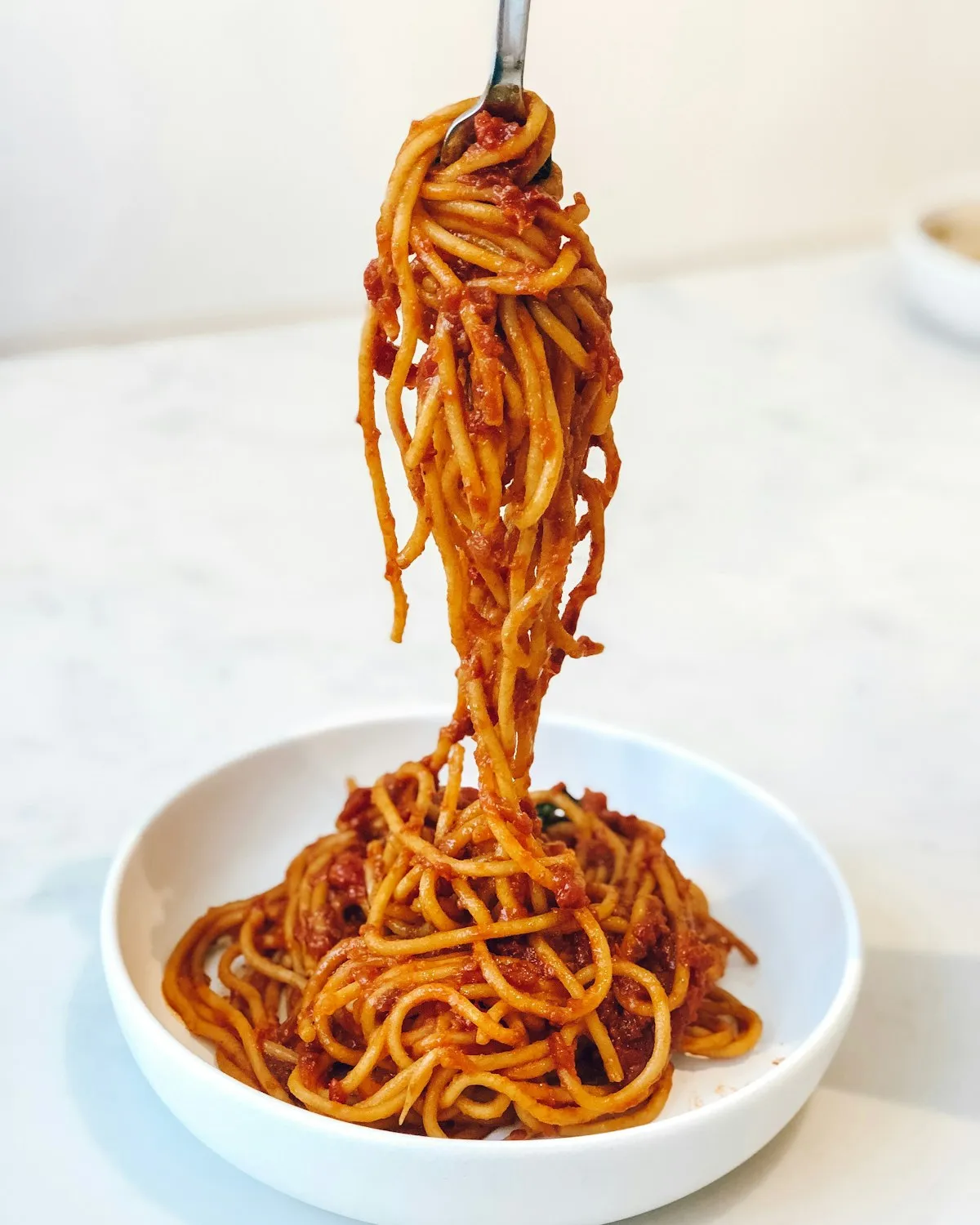
Instead, soak your noodles in very warm (not boiling) water. Think of this as "pre-loading" the noodles with just enough moisture to make them pliable. The goal is a texture that is still slightly firm in the center. They should feel like a very stiff rubber band. Why? Because the actual "cooking" happens in the pan when you add the sauce. As the noodles hit the hot pan and absorb the liquid from the tamarind and sugar, the starch granules undergo final gelatinization. This allows the noodles to drink up the sauce rather than just being coated by it, resulting in a deeper flavor and a much more satisfying chew.
Master the Holy Trinity of Flavor
The soul of Pad Thai lives in its sauce, which is a masterclass in flavor balancing. You are aiming for a precise equilibrium between sweet, sour, and salty. The sourness comes from tamarind: a fruit with a high concentration of tartaric acid. This acidity is non-negotiable because it acts as a chemical "cleanser" for your palate, cutting through the richness of the oil and peanuts.
The sweetness usually comes from palm sugar, which offers a complex, caramel-like profile compared to the one-dimensional sweetness of white sugar. If you really want to level up, try melting your sugar in the pan until it lightly caramelizes before adding the other liquids. This creates new flavor compounds through caramelization that provide a smoky depth. Finally, the salt (and umami) comes from fish sauce or a high-quality fermented soy sauce. This provides the glutamates necessary to make the dish taste "savory" rather than just like sweet and sour noodles. Always taste your sauce before it hits the pan; it should be puckery, sweet, and aggressively salty all at once.
Achieving the Maillard Reaction at Home
The "wok hei" or "breath of the wok" flavor you find at street stalls is largely a result of the Maillard reaction. This is the chemical reaction between amino acids and reducing sugars that occurs at high temperatures, creating hundreds of different flavor compounds. To get this at home, you need heat: and lots of it.
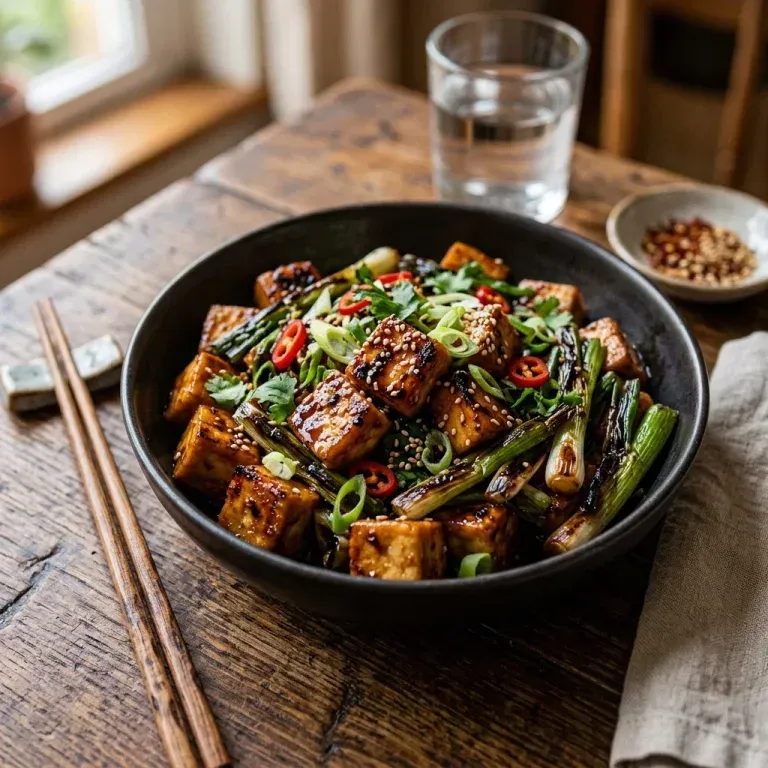
Use a heavy pan (like cast iron or a high-quality carbon steel wok) and preheat it until the oil is shimmering. Cook your proteins first: whether that's tofu or shrimp: and let them sit undisturbed for a minute to develop a golden-brown crust. This browning isn't just for looks; it’s where the deep, "toasty" flavors come from. If you crowd the pan with too many veggies at once, the temperature will drop, the moisture will release, and you’ll end up steaming your dinner instead of frying it. Work in batches if you have to. If you're looking for more ways to use high heat for fast results, check out our guide on achieving the perfect glossy sauce for other noodle dishes.
Vegetable Alchemy: Flavor without the Sog
Since this is a veggie-loaded version, we have to be smart about water content. Vegetables like bell peppers, zucchini, and bean sprouts are mostly water. If you dump them all in at once, they’ll release their juices, dilute your sauce, and turn your noodles into a soggy pile.
The trick is to categorize your veggies by "sturdiness." Dense vegetables like carrots, broccoli stems, or snap peas should go in early so they have time to soften slightly in the high heat. High-moisture, delicate greens like bean sprouts, scallions, or spinach should only hit the pan in the final 30 seconds. You want them to "wilt" from the residual heat rather than "cook." This keeps the textures distinct: you get the chew of the noodle, the crunch of the sprout, and the snap of the pepper in every bite. This technique is a staple for healthy dinner ideas because it preserves the nutrients and the vibrant colors of the produce.
Creative Variations
If you're looking to shake things up, don't feel tethered to the traditional rice noodle. For a lower-carb option, you can substitute half the noodles with "zoodles" (zucchini noodles). Just be warned: zucchini releases a ton of water. To prevent a watery sauce, salt your zucchini strands beforehand, let them sit for 10 minutes, and squeeze out the excess moisture with a paper towel.
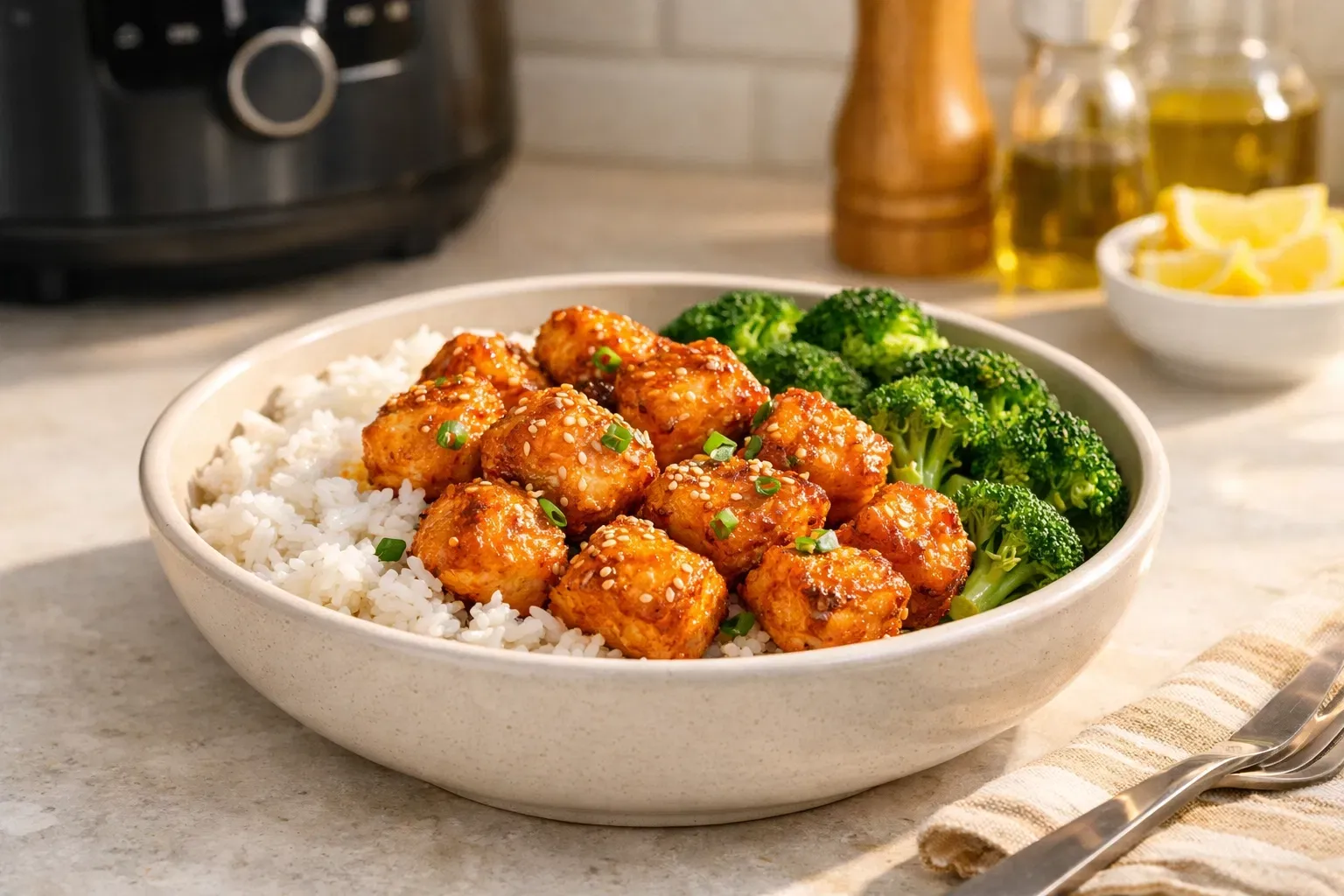
Another fantastic variation involves the protein. While traditional Pad Thai uses stir-fried tofu, using an air fryer to prep your tofu can provide an incredible texture contrast. Tossing firm tofu cubes in a little cornstarch and a spray of oil results in a shatteringly crisp exterior that holds up beautifully against the saucy noodles. This is one of those air fryer recipes dinner hacks that actually improves the final dish. You can find more inspiration for quick vegetable-heavy meals in our air fryer sausage and pepper medley post.
Perfect Side Dish Pairings
Because Pad Thai is such a flavor powerhouse: hitting sweet, sour, salty, and spicy: your side dishes should aim to provide a refreshing contrast. A bright, acidic salad is the classic choice. A green papaya salad (Som Tum) is traditional, but a simple cucumber ribbon salad with rice vinegar and chili flakes works wonders to reset your palate between bites.
If you want something heartier, consider a light, clear broth-based soup. Something with lemongrass and ginger can help aid digestion and provides a warm, liquid counterpoint to the dry-fry nature of the noodles. Avoid anything too creamy or heavy; the peanuts and fried elements in the Pad Thai already provide plenty of richness. You want sides that "lift" the meal rather than weighing it down.
FAQ: Solving Common Noodle Nightmares
Why are my noodles sticking together in a giant clump?
This usually happens for two reasons: either you over-soaked them before they hit the pan, or you didn't use enough oil. When noodles are over-hydrated, they release excess starch which acts like glue. Ensure you're tossing the noodles in the hot oil immediately after they enter the pan to coat each strand and create a barrier.
Can I use lime juice instead of tamarind?
You can, but it won't be authentic Pad Thai. Tamarind has a deep, fruity, almost "funky" sourness that lime juice lacks. Lime juice is very bright and sharp. If you must use lime, add a tiny bit of extra soy sauce or even a dash of Worcestershire sauce to mimic that fermented depth of the tamarind.
How do I prevent the egg from disappearing into the noodles?
The "scramble" technique is key. Push your noodles and veggies to the side of the pan, add a tiny bit more oil to the empty space, and crack your eggs there. Let them sit for 30 seconds until the bottom is set, then gently scramble. Only fold them into the noodles once they are mostly cooked. If you stir them in while they're raw, they’ll just coat the noodles and make them look "dusty" rather than having distinct, yellow ribbons of egg.
Is it possible to make this ahead of time for meal prep?
Rice noodles are notoriously difficult to reheat because they continue to absorb moisture as they sit. If you must prep ahead, under-cook the noodles significantly and store the sauce separately. When you're ready to eat, combine them in a hot pan with a splash of water to "re-steam" the noodles back to life.
My sauce tastes too "fishy," how do I fix it?
Balance it out with more acid (tamarind or lime) and more sugar. The saltiness of the fish sauce needs to be buffered by those two components. If it's still too strong, you might have used a lower-quality fish sauce; look for brands that have shorter ingredient lists (usually just anchovies, salt, and sugar).
{“@type”:”BlogPosting”,”image”:”https://cdn.midjourney.com/97e68270-4963-4903-8822-6e2746197126/0_0.png”,”author”:{“name”:”Penny”,”@type”:”Person”},”@context”:”https://schema.org”,”headline”:”Veggie-Loaded Pad Thai”,”publisher”:{“logo”:{“url”:”https://cookpedia.com/logo.png”,”@type”:”ImageObject”},”name”:”Cookpedia”,”@type”:”Organization”},”description”:”Master the science of the perfect Veggie-Loaded Pad Thai. Learn about noodle hydration, the Maillard reaction, and how to balance sweet, sour, and salty flavors for a healthy, quick family meal.”,”datePublished”:”2026-05-28″}