Recipe
Servings
Servings 1×
Ingredients
- Tofu
- Black beans
- Beans
- Quinoa
- Greek yogurt
- Potatoes
- Sweet potatoes
- Greens
- Avocado
- Tomatoes
- Lime
- Feta
- Cooking oil
- Black pepper
Method
- Let’s be honest: quinoa usually gets a bad rap for being the "cardboard" of the health food world.
- Rinse your quinoa thoroughly.
- Use a fine-mesh strainer and run cold water over those seeds until the water stops looking soapy.
- Remove the pot from the heat, keep the lid on tight, and let it sit for at least ten minutes.
- Use cold-pressed olive oil to carry the cilantro's herbal notes across your palate.
- Keep it dry and fluffy in the fridge, then hit it with a fresh squeeze of lime right before you eat.
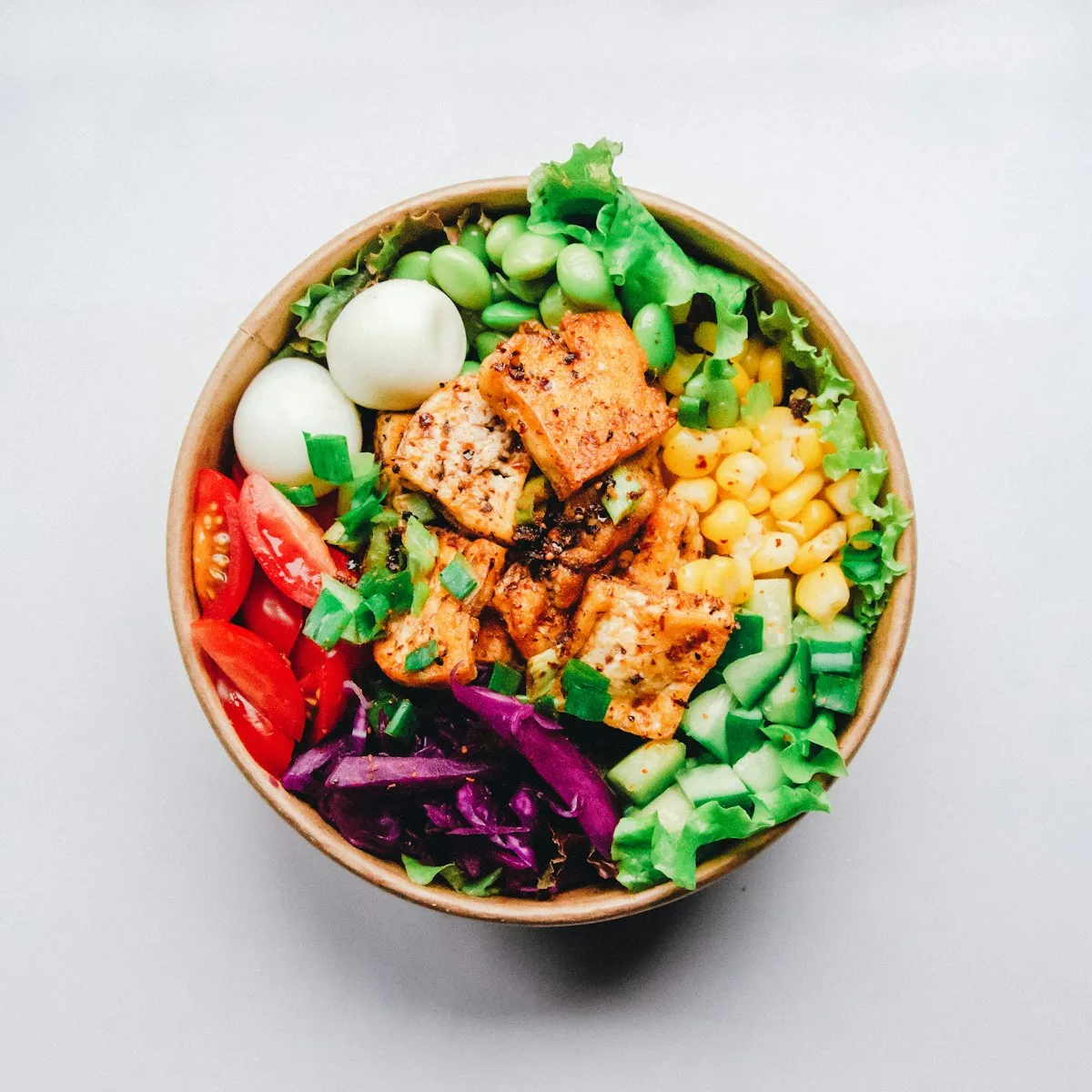
Let’s be honest: quinoa usually gets a bad rap for being the "cardboard" of the health food world. But if your grain bowls taste like sadness and dust, you’re simply doing it wrong. These Zesty Lime and Cilantro Quinoa Bowls are here to prove that plant-based dinner ideas can actually be a riot of flavor and texture. It’s vibrant, it’s punchy, and it’s one of those quick healthy meals that makes you feel like you’ve actually got your life together on a Tuesday night.
The Science of the Perfect Grain
If you want fluffy quinoa that doesn't clump into a sad, soggy mess, you have to understand the chemistry at play. Quinoa isn't actually a grain; it’s a seed, and it’s coated in something called saponins. These are natural compounds that protect the plant from insects by tasting incredibly bitter. Rinse your quinoa thoroughly. Use a fine-mesh strainer and run cold water over those seeds until the water stops looking soapy. If you skip this, no amount of lime juice will save you from that lingering metallic aftertaste.
Next, let’s talk about the ratio. Most boxes tell you to use a 1:2 ratio of quinoa to water. Most boxes are lying to you. To achieve a "pop" in every bite, use a 1:1.75 ratio instead. That extra quarter-cup of water is usually what turns your dinner into a bowl of mush. By reducing the liquid slightly, you force the seeds to absorb exactly what they need to reach starch gelatinization without drowning.
Once the water is absorbed, stop touching it. This is the most critical rule of the kitchen. Remove the pot from the heat, keep the lid on tight, and let it sit for at least ten minutes. This resting period allows the residual steam to finish cooking the centers of the grains evenly. If you peek under the lid or stir it too early, you release the steam and end up with uneven textures. When you finally remove the lid, use a fork to fluff it. Avoid using a spoon, which can smash the delicate "tails" (the germ) that have unfurled during cooking.
Finally, introduce your acidity and fat while the quinoa is still slightly warm but not piping hot. Adding lime juice and zest at this stage allows the citrus oils to penetrate the surface of the seeds. If you add it to boiling-hot quinoa, you’ll cook off the volatile flavor compounds in the lime, leaving you with a dull, flat taste. Use cold-pressed olive oil to carry the cilantro's herbal notes across your palate.
Vibrant Variations for Every Palate
One of the reasons this dish ranks so high among quick family meals is its versatility. You can treat the lime and cilantro base as a canvas. For a boost of protein, toss in some crispy air-fried tofu or black beans. If you’re looking for more air fryer recipes dinner inspiration to pair with this, try cubing some sweet potatoes with a dash of cumin and roasting them until they’re caramelized and sweet. The sugar in the potatoes creates a beautiful contrast with the sharp lime juice.
For those who crave a bit of heat, finely dice a de-seeded jalapeño and fold it in. The capsaicin in the pepper reacts beautifully with the citric acid, heightening the perception of "freshness" on your tongue. If you want a Mediterranean twist, swap the cilantro for flat-leaf parsley and add some salty feta or kalamata olives. The saltiness of the olives cuts right through the earthy base of the quinoa.
If you are meal prepping for the week, keep the "wet" ingredients like tomatoes or extra dressing on the side. Quinoa is highly absorbent; it will drink up every drop of liquid in the container, which can lead to a bloated grain by day three. Keep it dry and fluffy in the fridge, then hit it with a fresh squeeze of lime right before you eat. This keeps the dish tasting like it was just made, making it one of the most reliable healthy dinner ideas in your rotation.
Finding Balance with Side Dishes
When serving these bowls, you want to focus on contrasting textures. Quinoa is soft and slightly nutty, so you need something with a serious crunch. A quick slaw made of shredded cabbage and radishes provides that necessary resistance. The bitterness of the radish actually complements the lime, while the cabbage acts as a cooling agent if you’ve gone heavy on the spice.
Think about the fat content, too. Since the bowl itself is quite lean, a side of sliced avocado or a dollop of Greek yogurt (or a plant-based alternative) is non-negotiable. The richness of the fat coats the tongue and allows the bright, acidic flavors of the cilantro-lime mixture to linger longer. You could also serve this alongside a simple arugula power salad for an extra peppery kick that matches the "zesty" theme perfectly.
Frequently Asked Questions
Why is my quinoa always soggy?
Usually, this comes down to two culprits: too much water or not enough resting time. Stick to the 1:1.75 ratio mentioned earlier. If you find there is still liquid at the bottom of the pan after the cook time, drain it immediately before letting it rest. Also, check your heat. If you’re boiling the water too violently, the outside of the seed breaks down before the inside is cooked. Keep it at a gentle simmer.
Can I use bottled lime juice?
Please, for the love of all things flavorful, don't. Bottled lime juice is often pasteurized and contains preservatives that give it a dull, slightly chemical aftertaste. You need the fresh zest: that’s where the aromatic oils live. The zest provides the "scent" of the dish, while the juice provides the "sour." You need both for a complete sensory experience.
How do I reheat quinoa without drying it out?
Quinoa can become quite parched in the microwave. To fix this, add a teaspoon of water or a tiny splash of vegetable broth to the bowl before heating. Cover it with a damp paper towel to create a mini-steamer effect. This rehydrates the grains and restores that "popped" texture. Avoid reheating the cilantro if possible; fresh herbs turn gray and bitter when nuked. Add fresh herbs after heating.
Is quinoa actually better for me than rice?
From a nutritional standpoint, quinoa is a complete protein, meaning it contains all nine essential amino acids that your body can't produce on its own. It’s also higher in fiber and iron than white rice. While both have a place in plant-based dinner ideas, quinoa provides a more sustained energy release, preventing that post-dinner sugar crash.
Can I make this in a rice cooker?
Absolutely. Use the same 1:1.75 ratio. Most rice cookers have a "white rice" setting that works perfectly for quinoa. Just make sure you still follow the "golden rule" of letting it sit for 10 minutes after the machine clicks off. Resist the urge to open the lid immediately!
For more inspiration on quick healthy meals and simple home cooking tips, check out the rest of our collection at Cookpedia. Making real food shouldn't be a chore( it should be the highlight of your day.)