Recipe
Servings
Servings 1×
Ingredients
- Salmon
- Rice
- Broccoli
- Asparagus
- Garlic
- Lemon
- Honey
- Mustard
- Butter
- Soy sauce or tamari
- Chili seasoning
- Salt
Method
- Prepare the ingredients described in the article and heat the cooking surface or oven as directed.
- Cook the main ingredients using the heat and timing guidance in the article.
- Finish with the seasonings and garnishes named in the article, then serve.
There is a specific kind of magic that happens when you combine the fat of a cold-water fish with the deep, molasses-heavy sweetness of brown sugar. You aren't just making dinner; you’re orchestrating a chemical transformation that turns a humble fillet into a five-star masterpiece in less time than it takes to scroll through your social feed. If you are hunting for quick family meals that feel like a warm hug after a chaotic day, this is your new North Star. It’s simple, it’s soulful, and it relies on the science of the sear to do the heavy lifting.
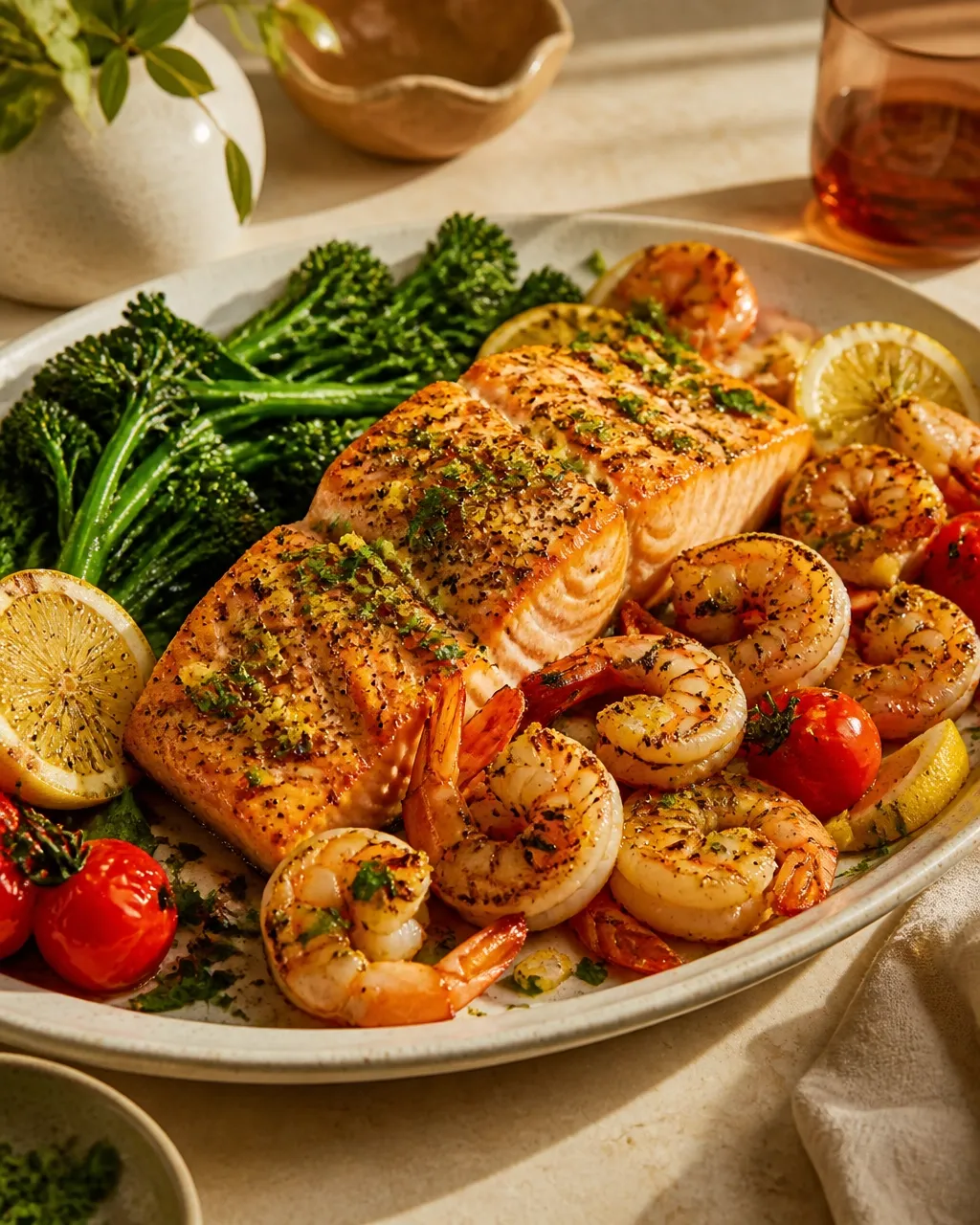
The Science of the Glossy Crust
To master this dish, you need to understand why your kitchen is about to smell like a high-end steakhouse. We are playing with two heavy hitters in the culinary world: the Maillard reaction and caramelization. While they both involve browning, they aren't the same thing, and knowing the difference is what separates a soggy fillet from a crusty, glazed delight.
The Maillard reaction is a dance between the amino acids in the salmon and the reducing sugars found in the molasses of your brown sugar. This reaction kicks into high gear between 280°F and 330°F. Because salmon is naturally high in protein, the addition of sugar acts like an accelerant, creating those complex, savory, and "roasted" flavor notes that make your mouth water.
Caramelization, on the other hand, is purely about the sugar. Once the moisture in your glaze evaporates, the sugar molecules begin to break down and reform into new, complex compounds that taste like toffee and toasted nuts. This usually happens at even higher temperatures, around 320°F and above.
To achieve the perfect balance, use high heat but watch it like a hawk. High heat is non-negotiable. If your oven or pan is too cool, the salmon will cook through before the glaze has a chance to transform, leaving you with a pale, sweet mess. Always pat your salmon bone-dry before the glaze touches it. Any excess water will create steam, and steam is the mortal enemy of the Maillard reaction. Water keeps the surface temperature at 212°F, which is far too low for browning. Dry the fish, apply the glaze, and let the heat do its job.
For those looking for healthy dinner ideas that don't skimp on flavor, remember that the glaze is a concentrate. A little goes a long way because we are maximizing the surface area of the flavor. Use a thermometer to check for doneness; pull the fish at 125°F for a medium-rare center, as carryover cooking will bring it up to a perfect, buttery 130-135°F while it rests. Trust the science, not the timer.
Flavor Profiling and Variations
While the classic brown sugar and soy combination is a staple in the world of quick family meals, you can easily pivot the flavor profile to suit your mood or what's left in your pantry. The key is to maintain a balance of salt, sweet, and acid.
If you want to lean into a more Mediterranean vibe, swap the soy sauce for a grainy Dijon mustard. The mustard acts as an emulsifier, helping the glaze cling to the fish while adding a sharp, vinegary punch that cuts through the salmon's richness. For a bit of heat, whisk in a teaspoon of chili flakes or a dollop of gochujang. The spice provides a brilliant counterpoint to the sugary crust, waking up your palate without overwhelming the delicate flavor of the fish.
Don't be afraid to experiment with the type of sugar, either. Dark brown sugar contains more molasses than light brown sugar, leading to a deeper, more robust caramelization. If you're out of brown sugar, honey or maple syrup can work, though they behave slightly differently under heat due to their higher water content. If you use liquid sweeteners, you may need to broil the fish for an extra minute at the end to achieve that signature "crack" on the surface.
Perfect Pairings for Balance
A rich, glazed salmon needs a side dish that offers contrast. Think acidity, crunch, or bitterness to reset your taste buds between bites. A bright arugula salad with a lemon vinaigrette is a classic choice for a reason, the peppery greens and sharp citrus slice right through the fatty salmon and sweet glaze.
If you’re leaning into the convenience of modern kitchen gadgets, look toward your air fryer recipes dinner rotation. A quick basket of charred broccoli or asparagus, seasoned simply with garlic and salt, provides a earthy bitterness that grounds the sweetness of the salmon. You can even check out our 15-minute meals category for more inspiration on lightning-fast sides that won't leave you over the stove all night.
For a heartier meal, serve the salmon over a bed of jasmine rice or even our viral garlic butter ramen. The starch acts as a sponge for any extra glaze that drips off the fish, ensuring not a single drop of that liquid gold goes to waste.
Glazed Salmon FAQ: The "What Ifs"
What if my glaze is burning before the salmon is cooked?
This usually happens if your rack is too close to the heating element or your glaze has a very high sugar-to-liquid ratio. Move your oven rack down one level. If you're pan-searing, lower the flame slightly. You want a steady sizzle, not a frantic smoke show. The sugar should be bubbling and darkening, not turning black.
What if I’m using frozen salmon?
You can absolutely use frozen fillets, but they must be completely thawed and, more importantly, dried. Frozen fish releases more moisture as it thaws, so give it an extra-thorough squeeze with paper towels. If you skip this, your glaze will slide right off the fish and pool in the bottom of the pan.
Can I make this as part of my air fryer recipes dinner routine?
Yes! The air fryer is actually incredible for glazed salmon because the circulating hot air is extremely efficient at evaporating moisture, which leads to superior browning. Set it to 400°F and check it at the 8-minute mark. It’s one of the best healthy dinner ideas for when you really don't want to turn on the big oven.
Why did my salmon turn out tough?
Overcooking is the primary culprit. Salmon is lean and doesn't have the connective tissue that beef does, so once it hits a certain temperature, the proteins tighten up and squeeze out all the moisture. Use a thermometer. Stop cooking when the thickest part reaches 130°F. The temperature will continue to rise as it sits on the plate.
Can I skip the salt if I’m using soy sauce?
Avoid skipping the salt entirely. While soy sauce provides salinity, a light dusting of kosher salt on the fish before you glaze it helps season the interior of the meat. Just be mindful of the total salt content: if your soy sauce is particularly salty, use a lighter hand with the shaker.
{“@type”:”BlogPosting”,”image”:[“https://cdn.marblism.com/2WS6wsZMThn.webp”,”https://cdn.marblism.com/5aT06YelBwG.webp”,”https://cdn.marblism.com/k1fudEqhfxy.webp”,”https://cdn.marblism.com/65JWmofgvkY.webp”],”author”:{“name”:”Penny”,”@type”:”Person”},”@context”:”https://schema.org”,”headline”:”15-Minute Brown Sugar Glazed Salmon: Minimalist & Soulful”,”publisher”:{“logo”:{“url”:”https://cookpedia.com/logo.png”,”@type”:”ImageObject”},”name”:”Cookpedia”,”@type”:”Organization”},”description”:”Master the art of the perfect 15-minute brown sugar glazed salmon. Learn the science of the Maillard reaction and how to get a crispy, caramelized crust every time.”,”datePublished”:”2026-06-19″,”mainEntityOfPage”:{“@id”:”https://cookpedia.com/15-minute-brown-sugar-glazed-salmon”,”@type”:”WebPage”}}