Recipe
Servings
Servings 1×
Ingredients
- Pasta
- Noodles
- Rice
- Garlic
- Fresh ginger
- Lime
- Honey
- Peanut butter
- Butter
- Cooking oil
- Soy sauce or tamari
- Sesame
- Chili seasoning
- Salt
Method
- Prepare the ingredients described in the article and heat the cooking surface or oven as directed.
- Cook the main ingredients using the heat and timing guidance in the article.
- Finish with the seasonings and garnishes named in the article, then serve.
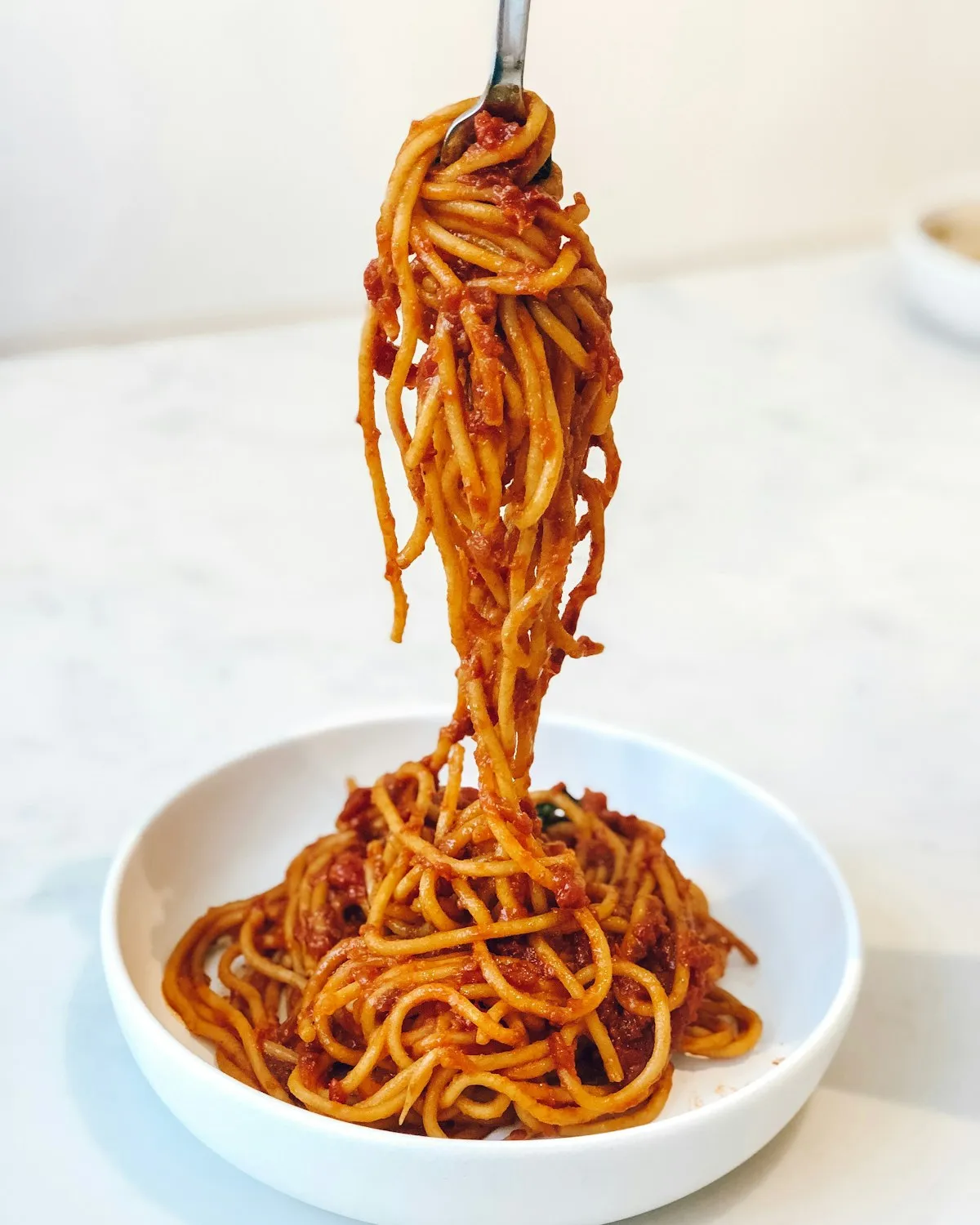
If you are looking for the holy grail of weeknight cooking, the kind that requires zero actual "cooking" beyond boiling a pot of water, then you’ve found it. This cold peanut noodle salad is a masterclass in efficiency. It belongs in your permanent rotation of quick family meals because it bridges the gap between "I'm too tired to cook" and "I want something that tastes like a restaurant." We’re talking about a dish that is crunchy, creamy, and hits every single flavor node on your tongue in about the time it takes to watch a YouTube trailer.
The Chemistry of the Perfect Cling
The secret to a world-class noodle salad isn't just the flavor; it’s the physics. You want a sauce that actually sticks to the noodles rather than pooling at the bottom of the bowl like a sad, salty puddle. To achieve this, we have to talk about emulsification.
Most peanut dressings are oil-in-water emulsions. You have your fat phase (peanut butter and sesame oil) and your water phase (soy sauce, vinegar, and lime juice). Left to their own devices, these two phases hate each other. To get them to marry, you need to lean on the natural emulsifiers found in peanut butter, like lecithin. Use a whisk, or better yet, a small blender, to shear those fat droplets into tiny spheres. This creates a stable, viscous liquid that has a higher "cling factor." If your sauce is too thick, thin it with a tablespoon of warm water at a time. The water acts as a lubricant, reducing the viscosity just enough so the sauce can flow into every nook and cranny of your noodles.
Starch Management and the Cold Rinse
Stop treating your noodles like Italian pasta. When making healthy dinner ideas that involve cold noodles, your biggest enemy is surface starch. As noodles boil, starch granules undergo gelatinization, they swell and burst, releasing sticky amylose into the water. If you drain them and let them sit, that amylose acts like glue.
Rinse your noodles under cold running water immediately after cooking. This does three things: it halts the cooking process (preventing mushiness), washes away that sticky surface starch, and initiates starch retrogradation. Retrogradation is the process where the starch molecules start to realign into a firmer, more "bouncy" structure as they cool. This is why cold noodles have that satisfying "snap" compared to the soft yield of a hot bowl of ramen. If you're prepping this ahead of time, toss the rinsed noodles in a teaspoon of toasted sesame oil. This creates a microscopic lipid barrier that prevents the noodles from fusing into a singular, depressing block in the fridge.
Balancing the Flavor Profile
When food is served cold, your taste buds are physically less sensitive. This is a biological fact. To compensate, you must season your cold dishes more aggressively than your hot ones. If you're browsing for healthy dinner ideas, you’ll notice many recipes lack punch. Not this one.
Boost the acidity. We use a combination of lime juice for its bright, volatile top notes and rice vinegar for a deeper, more consistent tang. The salt from the soy sauce doesn’t just add flavor; it suppresses bitterness and enhances the perception of sweetness from the honey or maple syrup. Don’t forget the aromatics. Ginger and garlic contain pungent compounds (gingerol and allicin) that provide "heat" without the burn of a chili, keeping the dish feeling fresh rather than heavy.
Variations for Every Mood
If you want to turn this into one of those quick family meals that satisfies everyone, you need options.
- The Low-Carb Swap: Swap the wheat or rice noodles for "zoodles" (zucchini noodles) or daikon radish strands. Because these vegetables have a high water content, you need to salt them first to draw out moisture via osmosis. Let them sit for ten minutes, squeeze them dry, and then add the sauce. This prevents the salad from turning into a soup.
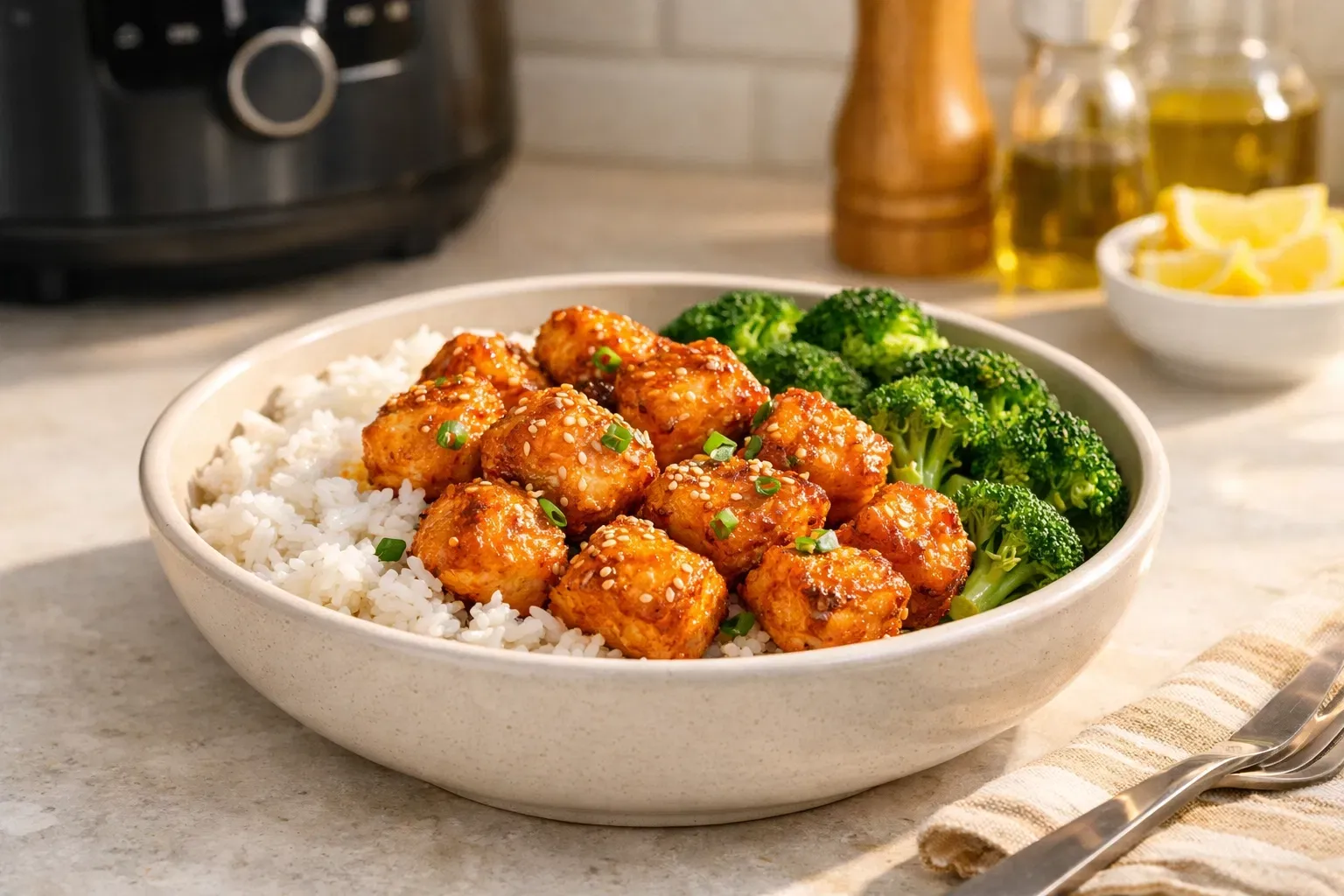
- The Protein Power-Up: For a more substantial meal, add some crispy tofu. If you’re a fan of air fryer recipes dinner style, you can toss firm tofu cubes in a little cornstarch and air fry them at 400°F (200°C) for 12 minutes. The cornstarch creates a porous, crunchy exterior that is perfect for soaking up the peanut sauce.
- The Crunch Factor: Don't skip the raw veggies. Red cabbage, bell peppers, and snap peas provide a structural contrast to the soft noodles. These vegetables are rich in cellulose and pectin, which stay firm even when dressed, giving you that necessary mechanical resistance (crunch!) in every bite.
Side Dish Pairings for Balance
This salad is rich and creamy, so you want sides that provide a sharp, acidic, or light contrast.
Avoid heavy, starchy sides. Instead, opt for a quick cucumber sunomono (pickled cucumber salad). The high acetic acid content of the vinegar will "cut" through the fatty peanut butter, cleansing your palate between bites.
If you have your air fryer out for the tofu, consider making some quick shishito peppers. They are a staple among air fryer recipes dinner fans because they take five minutes and offer a smokey, charred flavor that complements the nuttiness of the peanuts. A simple miso soup is also a great companion; the warm, umami-rich broth provides a temperature contrast that makes the cold noodles feel even more refreshing. You can find more inspiration for balancing textures in my guide on achieving the perfect glossy sauce.
Frequently Asked Questions
Why did my peanut sauce turn into a thick paste?
This is usually due to the ratio of solids to liquids or the type of peanut butter used. Natural peanut butter (just peanuts and salt) behaves differently than stabilized commercial brands. If it seizes up, it’s likely because a small amount of liquid caused the sugar and cocoa solids (in some cases) or simply the protein fibers to clump together. Fix this by whisking in a tablespoon of boiling water. The heat helps redistribute the fats and lowers the surface tension, smoothing out the emulsion.
Can I use a different nut butter?
Absolutely. Almond butter or cashew butter works beautifully. However, keep in mind that the fat content and particle size vary. Almond butter is often grittier, which means your sauce won't be as "glossy." If using sunflower seed butter (for a nut-free version), be aware that it has a stronger, slightly more bitter earthiness, so you may need to increase the honey or lime juice to balance it out.
How long does this salad stay fresh?
Because of starch retrogradation, noodles will continue to firm up in the fridge. For the best experience, eat this within 24 hours. If you must keep it longer, store the sauce and the noodles separately. The acid in the sauce can actually start to break down the vegetable cell walls over time, making the cabbage and peppers lose their crunch.
Is it okay to use frozen edamame?
Yes, but ensure they are fully thawed and patted dry. Excess water on the surface of your ingredients is the enemy of a good emulsion. If the edamame is wet, it will dilute the sauce exactly where it touches the bean, preventing that beautiful, even coating we’re after.
Can I make this spicy?
Always. Capsaicin, the compound that makes chilies hot, is fat-soluble. This means the peanut butter will actually carry the heat across your tongue more effectively and also help soothe the burn slightly. Add chili crisp or sriracha to the sauce during the emulsification phase for a consistent heat. For more tips on using your kitchen gadgets for fast meals, check out our post on one-basket crowd pleasers.