Recipe
Servings
Servings 1×
Ingredients
- Chicken
- Shrimp
- Chickpeas
- Pasta
- Rice
- Bread
- Spinach
- Cucumber
- Avocado
- Onion
- Garlic
- Lemon
- Lime
- Balsamic vinegar
- Cream
- Butter
- Cooking oil
- Black pepper
Method
- Prepare the ingredients described in the article and heat the cooking surface or oven as directed.
- Cook the main ingredients using the heat and timing guidance in the article.
- Finish with the seasonings and garnishes named in the article, then serve.
Sometimes, my blog is about the slow simmer, the three-hour ragu that fills the house with the scent of tradition. But let’s be real: on a Tuesday at 6:00 PM when you’re staring down a hungry family, you don’t need tradition, you need a win. This 15 Minute Creamy Avocado Pasta is that win. It’s plant-based comfort that feels like a warm hug, but it’s fast enough to keep your sanity intact. We’re talking about a sauce so silky it rivals heavy cream, powered entirely by the humble avocado and a little bit of science.
The Science of the Silk: Emulsion and pH
When you’re looking for simple pasta recipes, the secret to success isn’t just in the ingredients; it’s in how they play together at a molecular level. Avocado is essentially nature's butter, a beautiful, fatty fruit that, when treated correctly, creates a world-class emulsion. An emulsion is simply a mixture of two liquids that don’t naturally want to stay together, like the healthy fats in avocado and the water used to cook your pasta.
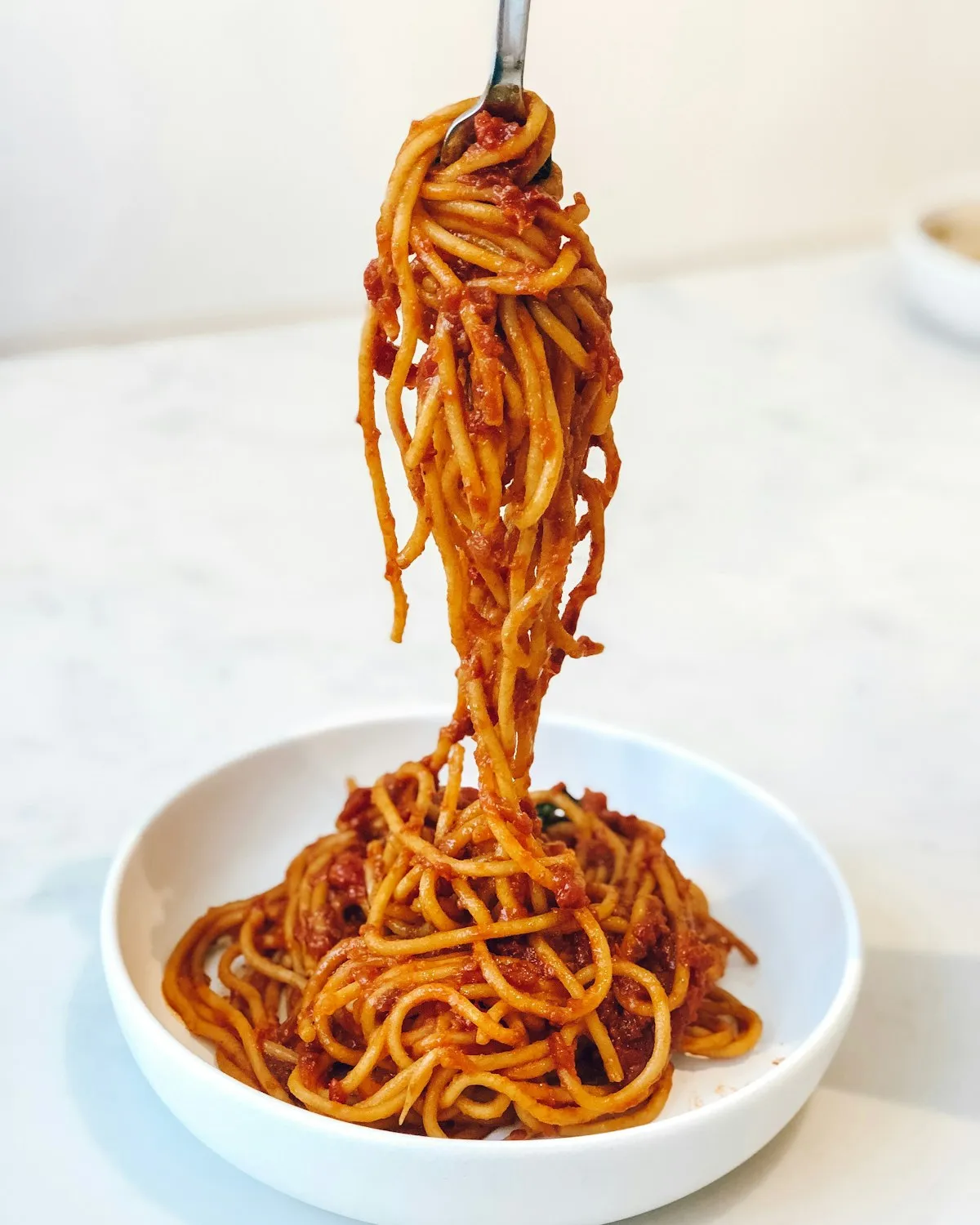
To get that restaurant-grade gloss, you must use your pasta water like it’s liquid gold. As pasta boils, it releases starch into the water. This starch acts as a stabilizer, helping the avocado fats and the water bind into a cohesive, creamy sauce rather than a clumpy mess. Reserve a cup of that cloudy water before you drain the pot. When you blend your avocado with a splash of this warm, starchy liquid, you’re creating an oil-in-water emulsion. The starch fills the gaps between fat droplets, preventing them from merging into an oily slick.
Then, there’s the battle against browning. We’ve all seen an avocado go from vibrant green to murky brown in minutes. This is caused by an enzyme called polyphenol oxidase reacting with oxygen. To stop this, use a generous hand with your acid. Lemon or lime juice does more than just brighten the flavor; it lowers the pH of the sauce. This acidity effectively "deactivates" the browning enzyme, keeping your dinner looking as fresh as it tastes. Think of it as a chemical shield for your supper.
Avoid rinsing your pasta after cooking. That surface starch is the "glue" that helps your avocado emulsion cling to every strand. If you rinse it, you’re basically washing away your sauce’s ability to stick. For more on the physics of perfect coatings, check out my guide on achieving the perfect glossy sauce.
Mastering the Blend
The key to this sauce is shear force. Use a high-speed blender or a food processor to break down the avocado fibers until they are completely smooth. Don’t just mash it with a fork; you want a texture that flows. Start by blending the avocado, lemon juice, and seasonings with just a few tablespoons of pasta water.
Drizzle in the remaining water slowly while the motor is running. This gradual addition helps keep the emulsion stable. If you add it all at once, you risk "breaking" the sauce, resulting in a watery pool at the bottom of your bowl. Check the consistency, it should look like a thick, glossy cream. If it’s too thick, add more water one tablespoon at a time. If you’re feeling indulgent, a small knob of butter added during the final blend can add an extra layer of richness, much like the techniques used in our air fryer comfort meals.
Soulful Variations for Every Mood
The beauty of this base is that it’s a blank canvas for your kitchen creativity. While the minimalist version is divine, sometimes you want a little more punch.
- The "Swicy" Kick: Add a teaspoon of red pepper flakes or a dollop of gochujang to the blender. The heat cuts through the richness of the avocado, creating a "sweet and spicy" (swicy) profile that’s incredibly trendy right now.
- Protein Boost: While this is a plant-based dream, you can easily top it with seared shrimp or sliced grilled chicken. If you want to keep it vegan, some crispy air-fried chickpeas add a fantastic textural contrast.
- Nutty Texture: Toss in a handful of toasted pine nuts or walnuts at the very end. The crunch breaks up the creaminess and adds an earthy depth that complements the avocado’s natural nuttiness.
- Herbaceous Depth: Don’t stop at basil. Blend in some fresh spinach for extra iron and a deeper green color, or add cilantro and lime instead of lemon for a bright, Mexican-inspired twist.
The Perfect Pairings: Balancing the Richness
Because avocado is naturally high in fats, you want side dishes that offer high acidity and crunch to cleanse the palate between bites. A heavy, creamy pasta can sometimes feel overwhelming if you don't have something to "cut" through it.
A simple arugula salad with a sharp balsamic vinaigrette is my go-to. The peppery bite of the arugula and the zing of the vinegar balance the buttery pasta perfectly. Alternatively, try a quick cucumber and red onion salad soaked in rice vinegar. Avoid heavy, buttery garlic bread here; your pasta already has plenty of healthy fats. Instead, go for a piece of crusty sourdough toasted with just a rub of raw garlic. The goal is contrast, crispy against creamy, and bright against rich.
FAQ: What if it Goes Wrong?
What if my sauce looks "broken" or grainy?
This usually happens if the avocado wasn't ripe enough or if you added the hot water too quickly. Don't panic. Add one more tablespoon of warm water and blend on the highest setting for 30 seconds. The high shear force can often "pull" the emulsion back together. According to researchers at Discover Magazine, the starch concentration is your best friend here, so make sure that pasta water is good and cloudy.
Can I make this ahead of time?
Avocado is a "live" ingredient. While the lemon juice slows oxidation, it doesn't stop it forever. If you must make it an hour ahead, press plastic wrap directly onto the surface of the sauce so no air can reach it. However, for the best vibrant green and freshest flavor, blend it while your pasta is in the boiling water. It only takes two minutes!
What if I don't have a blender?
You can use a food processor or even a stick blender. If you have neither, you’ll have to use a lot of "elbow grease" with a whisk and very finely mashed avocado, but be warned: it won't be quite as silky. The science of emulsifying with pasta water relies heavily on breaking those fat droplets down small enough to stay suspended.
Why did my sauce turn watery when I tossed it with the pasta?
You likely had too much water clinging to the pasta itself when you drained it. Make sure to give the pasta a good shake in the colander before adding it back to the pot. If it’s still too thin, toss it over very low heat for 60 seconds; the starch will thicken as it warms up, but avoid boiling it, or you’ll lose that fresh avocado flavor.
Can I use frozen avocado?
Technically, yes, but the texture is never quite the same once thawed. If you go this route, make sure it’s fully thawed and drained of any excess water before blending, otherwise, your sauce will be limp and flavorless. Stick to fresh, "ripe-to-the-touch" avocados for that soulful, creamy finish we're after.
{“@type”:”BlogPosting”,”image”:[“https://cdn.marblism.com/siaVXH4Q-p0.webp”,”https://cdn.marblism.com/nAiNQJB6VaX.webp”,”https://cdn.marblism.com/1S2w8HQizMY.webp”,”https://cdn.marblism.com/6wTSzXoFM6p.webp”],”author”:{“name”:”Penny”,”@type”:”Person”},”@context”:”https://schema.org”,”headline”:”15 Minute Creamy Avocado Pasta”,”publisher”:{“logo”:{“url”:”https://cookpedia.com/logo.png”,”@type”:”ImageObject”},”name”:”Cookpedia”,”@type”:”Organization”},”description”:”Discover the science behind the perfect 15-minute creamy avocado pasta. Learn how to emulsify healthy fats with starchy pasta water for a silky, plant-based dinner.”,”datePublished”:”2026-06-08″,”mainEntityOfPage”:{“@id”:”https://cookpedia.com/15-minute-creamy-avocado-pasta”,”@type”:”WebPage”}}