Recipe
Servings
Servings 1×
Ingredients
- Shrimp
- Noodles
- Bread
- Potatoes
- Zucchini
- Tomatoes
- Garlic
- Lemon
- Cream
- Hard cheese
- Butter
- Cooking oil
- Salt
- Black pepper
Method
- Pat your shrimp with paper towels until they are virtually parched.
- Use a high-quality skillet: stainless steel or cast iron is best: and get it hot.
- Let them sit undisturbed for at least sixty seconds to allow that golden crust to form.
- Add your minced garlic to the warm butter and cook it gently.
- Toast it with a little olive oil and sea salt to provide a crunchy counterpoint to the tender shrimp.
If you have fifteen minutes, you have a gourmet dinner. Seriously. There is a common misconception in the culinary world that flavor requires hours of simmering or complex French techniques that involve more pans than you actually own. My blog is here to tell you that’s total nonsense. This garlic butter shrimp is the ultimate "emergency" meal for when your schedule is packed but your standards for food remain sky-high. Whether you are navigating the chaos of a Tuesday night or just want something that feels fancy without the effort, this dish is your new best friend.
The Science of the Perfect Sear
Achieving that restaurant-quality golden crust on your shrimp isn’t about luck; it’s about chemistry. The Maillard reaction is the star of the show here. This chemical reaction between amino acids and reducing sugars gives browned food its distinctive flavor. To make this happen, your shrimp must be bone-dry.
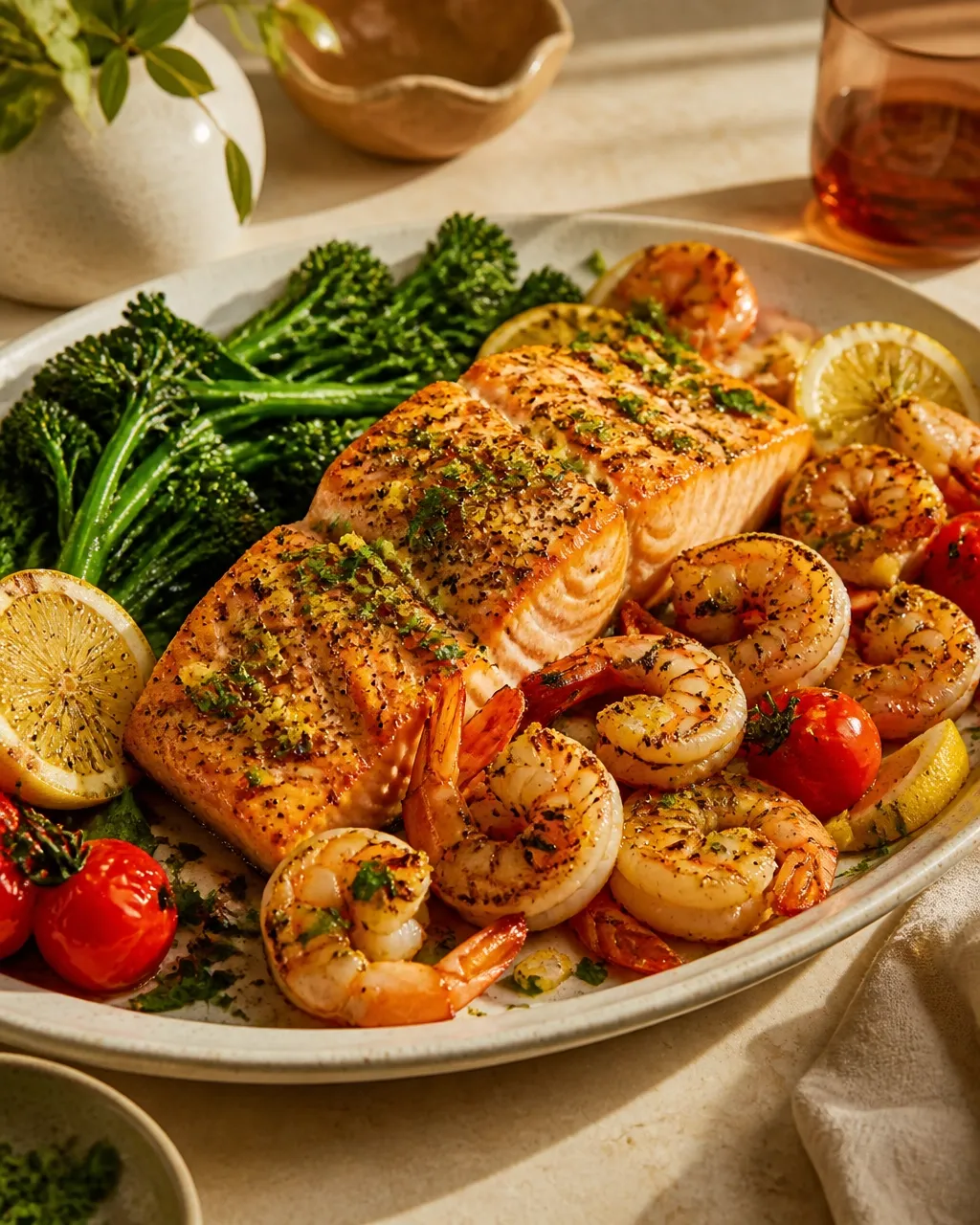
Pat your shrimp with paper towels until they are virtually parched. Any residual moisture on the surface will create steam the second it hits the pan, and steaming is the enemy of the sear. Use a high-quality skillet: stainless steel or cast iron is best: and get it hot. Not "warm," not "kind of sizzling," but genuinely hot. When the shrimp hit the pan, leave them alone. Stop the urge to move them around like you’re playing a game of Tetris. Let them sit undisturbed for at least sixty seconds to allow that golden crust to form.
Watch the shape of the shrimp like a hawk. There is a very specific visual cue for doneness: the letter "C." When a shrimp is perfectly cooked, it curls into a loose "C" shape. If it tightens into a closed "O," you have overcooked it, and you’ll be chewing on something closer to a pencil eraser than a delicacy. Since we are all about quick family meals, remember that shrimp continue to cook for a minute after you take them off the heat. Pull them early, and they’ll finish perfectly on the plate.
Mastering the Garlic Butter Emulsion
Once the shrimp are seared and resting on a plate, it’s time to build the sauce. This isn’t just melted butter; it’s an emulsion. If you simply toss butter into a screaming hot pan, the milk solids will burn, and the fat will separate, leaving you with a greasy, broken mess. Instead, turn your heat down to low before adding your fats.
Add your minced garlic to the warm butter and cook it gently. You want it to become fragrant and soft, not brown and bitter. Garlic is delicate; treat it with respect. Once the kitchen smells like heaven, whisk in a splash of acidity: lemon juice or a crisp white wine. This creates the "water" phase of your emulsion. By whisking in cold cubes of butter at the very end, you create a thick, glossy sauce that clings to the shrimp rather than pooling at the bottom of the bowl. This technique turns simple ingredients into a luxurious experience, making it one of my favorite healthy dinner ideas for busy weeknights.
Flavor Variations for Every Palate
While the classic garlic and butter combo is hard to beat, you can easily pivot this dish to suit your mood or dietary needs. If you’re looking for air fryer recipes dinner ideas, you can actually adapt this by tossing the shrimp in a garlic butter paste and air frying at 400°F (200°C) for about 5 minutes. The texture is slightly different, but the speed is unmatched.
For a spicy kick, add a generous pinch of red pepper flakes when you sauté the garlic. The capsaicin in the peppers dissolves beautifully in the butter, distributing a consistent heat throughout the entire dish. If you want a Mediterranean vibe, stir in some capers and sun-dried tomatoes at the very end. The saltiness of the capers provides a sharp contrast to the richness of the butter, providing a balanced flavor profile that hits every part of your palate.
If you are following a keto or low-carb lifestyle, this dish is naturally perfect. However, if you want to lean into the "soulful" side of my blog, finish the sauce with a dollop of heavy cream. This stabilizes the emulsion even further and creates a velvety "scampi-style" sauce that feels incredibly indulgent.
The Art of the Side Dish
A great dish is only as good as its supporting cast. Since this shrimp is rich, garlicky, and slightly acidic from the lemon, you need sides that provide balance. Texture is key here.
If you want to soak up every drop of that liquid gold sauce, a piece of crusty sourdough bread is non-negotiable. Toast it with a little olive oil and sea salt to provide a crunchy counterpoint to the tender shrimp. For a lighter approach, serve the shrimp over a bed of zucchini noodles or "zoodles." The freshness of the squash cuts through the fat of the butter.
Another excellent pairing is a simple arugula salad dressed with nothing more than lemon juice and a hint of parmesan. The peppery bite of the arugula cleanses the palate between bites of rich seafood. Avoid heavy, starchy sides like thick mashed potatoes; they tend to muffle the bright, sharp notes of the garlic and lemon. Stick to light, vibrant components that let the shrimp shine as the star of the show.
Frequently Asked Questions
Can I use frozen shrimp for this recipe?
Absolutely. In fact, most "fresh" shrimp at the grocery store were previously frozen anyway. The key is to thaw them properly. Place the frozen shrimp in a bowl of cold water for about 15-20 minutes. Once thawed, you must follow the rule of the sear: dry them thoroughly. Frozen shrimp tend to hold more water, so be extra diligent with the paper towels.
Why did my garlic turn blue or green?
Don't panic; your kitchen isn't haunted. This is a natural reaction between the sulfur compounds in the garlic and the trace minerals in the water or the acidity of the lemon juice. It usually happens with older garlic. It is perfectly safe to eat, though it might look a little like a science experiment. Using fresh, young garlic cloves helps prevent this "smurf" effect.
My sauce is oily and looks split. What happened?
Your heat was likely too high. An emulsion stays together because the fat is suspended in the liquid. High heat causes the butter to break down. To fix a broken sauce, pull the pan off the heat immediately and whisk in a tablespoon of cold water or a tiny splash of cream. The cold liquid helps the fats re-bond with the water phase, bringing that creamy texture back to life.
Do I have to peel the shrimp?
While "peel-and-eat" shrimp can be fun for a casual boil, for this 15-minute version, I highly recommend peeling them beforehand. It allows the garlic butter to penetrate the meat directly, and it makes the eating experience much more seamless. Leave the tails on if you want a prettier presentation, as they act like a natural handle for dipping.
Is this dish meal-prep friendly?
Shrimp is best enjoyed immediately. When you reheat shrimp, they almost always cross the line into the "rubbery" territory. If you must have leftovers, eat them cold in a salad or very gently warm them in a pan with an extra pat of butter on the lowest heat setting possible. Avoid the microwave at all costs unless you want a seafood-flavored bouncy ball.
{“@type”:”BlogPosting”,”image”:[“https://cdn.marblism.com/0SYSCqW1cst.webp”,”https://cdn.marblism.com/vTAs5YOabaA.webp”,”https://cdn.marblism.com/asW4J3E6OGo.webp”,”https://cdn.marblism.com/q7DwJPkq1iL.webp”],”author”:{“name”:”Penny”,”@type”:”Person”},”faqPage”:{“@type”:”FAQPage”,”@context”:”https://schema.org”,”mainEntity”:[{“name”:”Can I use frozen shrimp for this recipe?”,”@type”:”Question”,”acceptedAnswer”:{“text”:”Yes, but ensure they are completely thawed in cold water and patted bone-dry to avoid steaming instead of searing.”,”@type”:”Answer”}},{“name”:”Why did my garlic turn blue or green?”,”@type”:”Question”,”acceptedAnswer”:{“text”:”This is a reaction between sulfur compounds in garlic and acid or minerals. It is safe to eat, though fresh garlic minimizes this.”,”@type”:”Answer”}},{“name”:”My sauce is oily and looks split. What happened?”,”@type”:”Question”,”acceptedAnswer”:{“text”:”The heat was too high, breaking the emulsion. Fix it by whisking in a tablespoon of cold water off the heat.”,”@type”:”Answer”}}]},”@context”:”https://schema.org”,”headline”:”15-Minute Garlic Butter Shrimp”,”publisher”:{“logo”:{“url”:”https://cookpedia.com/logo.png”,”@type”:”ImageObject”},”name”:”Cookpedia”,”@type”:”Organization”},”description”:”Learn the science behind the perfect 15-minute garlic butter shrimp. Master the Maillard reaction and the art of butter emulsion for a quick family meal.”,”datePublished”:”2026-07-09″,”mainEntityOfPage”:{“@id”:”https://cookpedia.com/15-minute-garlic-butter-shrimp”,”@type”:”WebPage”}}