Recipe
Servings
Servings 1×
Ingredients
- Chicken
- Salmon
- Shrimp
- Steak
- Tofu
- Chickpeas
- Beans
- Pasta
- Noodles
- Broccoli
- Green beans
- Carrots
- Onion
- Lemon
- Balsamic vinegar
- Pesto
- Cream
- Hard cheese
Method
- Use this "dead time" to prep.
- Heat has to travel to the center of the food.
- Use this principle for everything from carrots to chicken breast.
- Use high heat to drive the water into the fat, and watch the magic happen.
- Press it for two minutes while the pan heats, cut it into small cubes, and sear it at high heat.
- Use a meat thermometer if you’re unsure, but generally, if you’ve cut your meat thin, it only needs 2–3 minutes per side.
You’ve had those nights. You walk through the door, the fridge is staring back at you with judgmental silence, and the temptation to order takeout is a physical weight in the room. We’ve been told that "good food takes time," but I’m here to tell you that’s a beautiful, slow-simmered lie. You don’t need three hours and a sous-chef to create something soulful; you just need to understand the physics of flavor. I’m talking about quick family meals that don't taste like they came out of a cardboard box or a microwave pouch. We’re going to hack the clock, use some science, and get you a dinner that tastes like a Sunday roast in the time it takes to watch a sitcom.
The Science of Speed: Heat, Surface Area, and Flavor Bombs
If you want to master 15-minute cooking, you have to stop thinking like a follower and start thinking like a technician. The primary enemy of speed is moisture. When you throw cold, wet vegetables into a lukewarm pan, they steam. Steaming is slow and, frankly, boring. To get that "cooked for an hour" depth in minutes, you need the Maillard reaction, that magical chemical dance between amino acids and reducing sugars that creates browning.
First, preheat aggressively. Turn your burner on the moment you walk into the kitchen. A screaming-hot cast iron skillet or a heavy-bottomed pan is non-negotiable. While that pan is getting up to temperature, do not just stand there checking your phone. Use this "dead time" to prep.
Second, maximize surface area. Why do you think a whole roast chicken takes an hour while a stir-fry takes six minutes? Heat has to travel to the center of the food. If you cut your proteins into half-inch strips or small cubes, the heat reaches the center almost instantly. Use this principle for everything from carrots to chicken breast. The smaller you cut, the faster you eat.
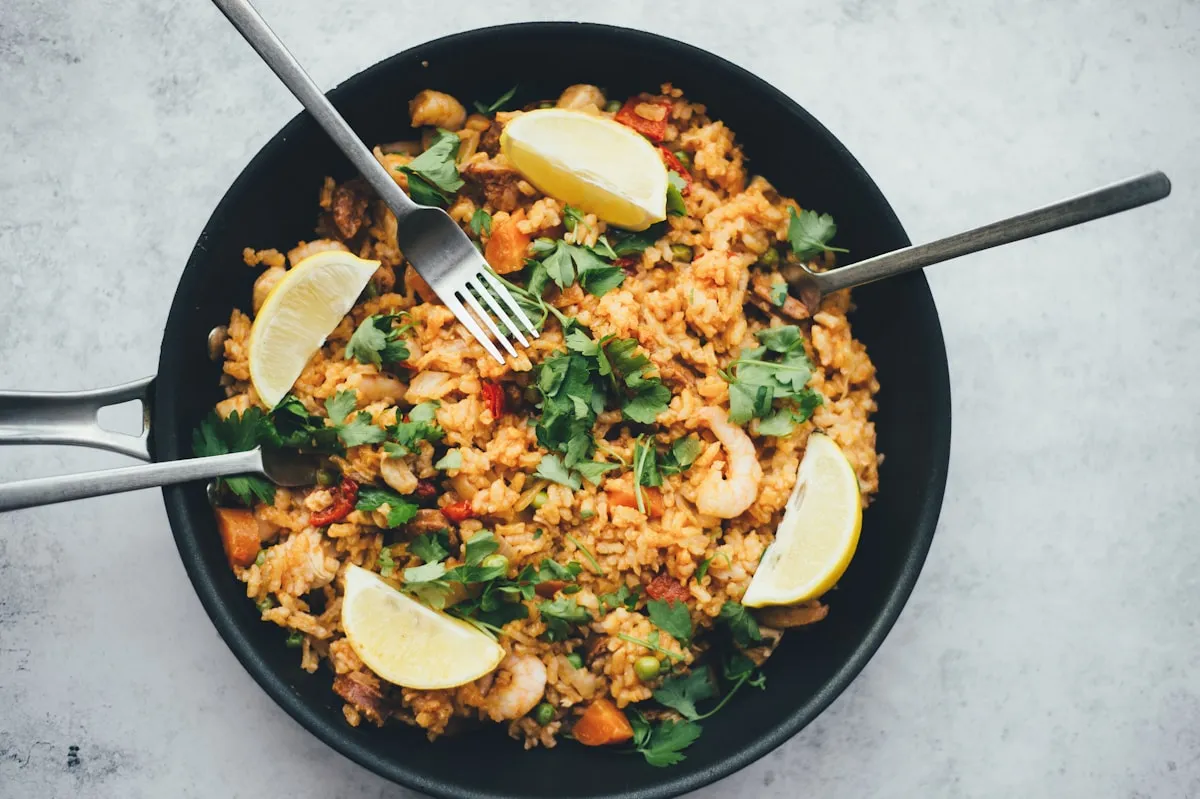
Third, deploy flavor bombs. In a 15-minute meal, you don't have time for a stock to reduce or for wine to cook down for twenty minutes. You need ingredients that bring concentrated "aged" flavor to the party immediately. Reach for miso paste, anchovies (they melt into pure umami, trust me), soy sauce, or high-quality balsamic vinegar. These are your shortcuts to complexity. A spoonful of sun-dried tomato pesto or a splash of fish sauce provides that savory depth that usually takes hours of simmering to achieve.
Finally, emulsify your sauces. If you’re making a quick pasta, never throw away all the pasta water. That liquid gold is full of starch. When you toss your al dente noodles into a pan with a little fat (butter or olive oil) and a splash of that starchy water, it creates a silky, restaurant-quality sauce in thirty seconds. It’s not just "wet noodles"; it’s a cohesive dish. Use high heat to drive the water into the fat, and watch the magic happen. This is how you create healthy dinner ideas that actually satisfy the soul without the heavy cream.
Flipping the Script: Protein and Plant-Based Variations
The beauty of a 15-minute system is its versatility. You aren't stuck with one flavor profile. If you’re leaning into a keto or low-carb lifestyle, focus on high-impact fats and fast-cooking proteins like shrimp or thinly sliced steak. Shrimp is the ultimate 15-minute hero; it literally tells you when it's done by turning pink and curling into a "C" shape. Overcook it into an "O," and you’ve gone too far.
For those looking for healthy dinner ideas that are plant-based, tofu is your best friend, but only if you treat it right. Don't just toss wet tofu into a pan. Press it for two minutes while the pan heats, cut it into small cubes, and sear it at high heat. If you use an air fryer, you can get that crispy exterior even faster. In fact, many of my favorite air fryer recipes dinner enthusiasts swear by involve tossing tofu or chickpeas in a little cornstarch and spices for an instant crunch that rivals anything deep-fried.
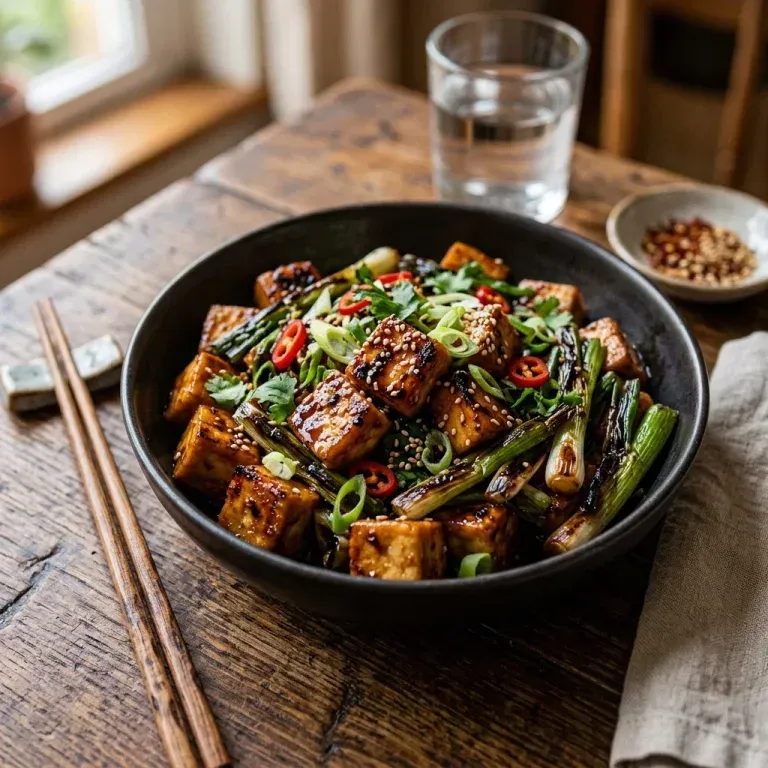
If you’re cooking for a family with varying tastes, use a "base and pivot" strategy. Build a quick base of sautéed greens and aromatics, then pivot the protein. Throw some seared salmon on one plate and crispy chickpeas on another. The cook time remains the same because you're using the same pan and the same high-heat technique. The goal is efficiency without sacrifice.
The Art of the Side: Contrast Is Everything
A 15-minute main dish needs a companion that doesn't demand its own spotlight (or its own forty-minute cook time). The key to a perfect pairing is balance. If your main dish is rich and savory, like a creamy pasta or a buttery seared fish, your side dish needs to be bright, acidic, and crunchy.
Avoid the temptation to boil vegetables until they lose their will to live. Instead, think about raw or "flash-cooked" sides. A simple arugula salad with a heavy squeeze of lemon and a shaving of parmesan takes three minutes to assemble and provides the necessary acid to cut through a rich main. Alternatively, use your air fryer to blister some green beans or broccoli while you finish the main on the stove. These quick family meals feel complete when there’s a variety of textures on the plate. If the main is soft, the side must be crunchy. If the main is spicy, the side should be cooling.
Common Roadblocks: Your 15-Minute FAQ
What if I only have frozen ingredients?
Frozen vegetables are often more "fresh" than the stuff that’s been sitting in the produce aisle for a week. The trick is to not thaw them in a bowl of water, which makes them mushy. Instead, toss them directly into a hot pan or air fryer. The high heat will evaporate the ice crystals instantly, giving you a sear rather than a soak. This is a staple move for anyone looking for air fryer recipes dinner options that are both fast and nutritious.
How do I prevent my meat from getting tough when cooking so fast?
The "toughness" usually comes from overcooking, not fast cooking. Because you’re using high heat, the window between "perfect" and "rubber" is small. Use a meat thermometer if you’re unsure, but generally, if you’ve cut your meat thin, it only needs 2–3 minutes per side. Let it rest for a minute before eating; this allows the juices to redistribute so they don't end up on the plate.
Why does my 15-minute meal always take 30 minutes?
You are likely "batching" your work instead of "paralleling" it. If you wait for the water to boil before you start chopping the onions, you’ve already lost ten minutes. Start the heat first. Always. If you have "dead time" while something is searing, use that time to clean your cutting board or prep the garnish. Efficiency is a mindset, not just a timer.
Do I really need a hot pan for everything?
Yes. Non-negotiable. If you put food into a cold pan, the proteins stick to the metal, and the juices leak out, leaving you with dry, grey meat and a pan that’s a nightmare to clean. Wait for the oil to shimmer. If a drop of water doesn't dance and sizzle when it hits the surface, you aren't ready to cook.
Can I use dried herbs instead of fresh?
You can, but the timing changes. Dried herbs need heat and fat to "bloom" and release their oils, so add them at the beginning of the cook. Fresh herbs are delicate and should be added at the very end to keep their brightness. For a true "cooked for an hour" vibe, use a mix of both: dried oregano in the pan, fresh parsley on the plate.
{“faq”:{“@type”:”FAQPage”,”mainEntity”:[{“name”:”What if I only have frozen ingredients?”,”@type”:”Question”,”acceptedAnswer”:{“text”:”Toss them directly into a hot pan or air fryer. High heat evaporates ice crystals instantly, preventing mushiness and ensuring a proper sear.”,”@type”:”Answer”}},{“name”:”How do I prevent my meat from getting tough when cooking so fast?”,”@type”:”Question”,”acceptedAnswer”:{“text”:”Toughness comes from overcooking. Cut meat thin and cook for only 2-3 minutes per side on high heat, then let it rest to redistribute juices.”,”@type”:”Answer”}},{“name”:”Why does my 15-minute meal always take 30 minutes?”,”@type”:”Question”,”acceptedAnswer”:{“text”:”You are likely batching instead of paralleling. Start the heat first and prep during ‘dead time’ like waiting for water to boil.”,”@type”:”Answer”}}]},”@type”:”BlogPosting”,”image”:”https://cdn.marblism.com/dulB9SHmVqG.webp”,”author”:{“name”:”Penny”,”@type”:”Person”},”@context”:”https://schema.org”,”headline”:”15-Minute Meals That Actually Taste Like You Cooked for an Hour”,”publisher”:{“logo”:{“url”:”https://cookpedia.com/logo.png”,”@type”:”ImageObject”},”name”:”Cookpedia”,”@type”:”Organization”},”description”:”Master the art of 15-minute meals with professional techniques focusing on heat, surface area, and flavor bombs. Learn how to cook fast without sacrificing quality.”,”datePublished”:”2026-07-15″,”mainEntityOfPage”:{“@id”:”https://cookpedia.com/15-minute-meals-guide”,”@type”:”WebPage”}}