Recipe
Servings
Servings 1×
Ingredients
- Chicken
- Chickpeas
- Tortillas
- Spinach
- Tomatoes
- Lemon
- Tahini
- Feta
- Cooking oil
- Salt
Method
- Let’s be honest: your weeknight kitchen usually feels less like a five-star bistro and more like a high-stakes episode of a reality cooking show.
- Spread it generously, but keep a clear one-inch "neutral zone" around the edge.
- Use firm, raw vegetables to provide structural integrity.
- Start by warming your tortilla for about 15 seconds.
- Heat makes the starches more pliable, allowing them to stretch without snapping.
- Use the "envelope method": fold the sides in first, then bring the bottom up over the fillings.
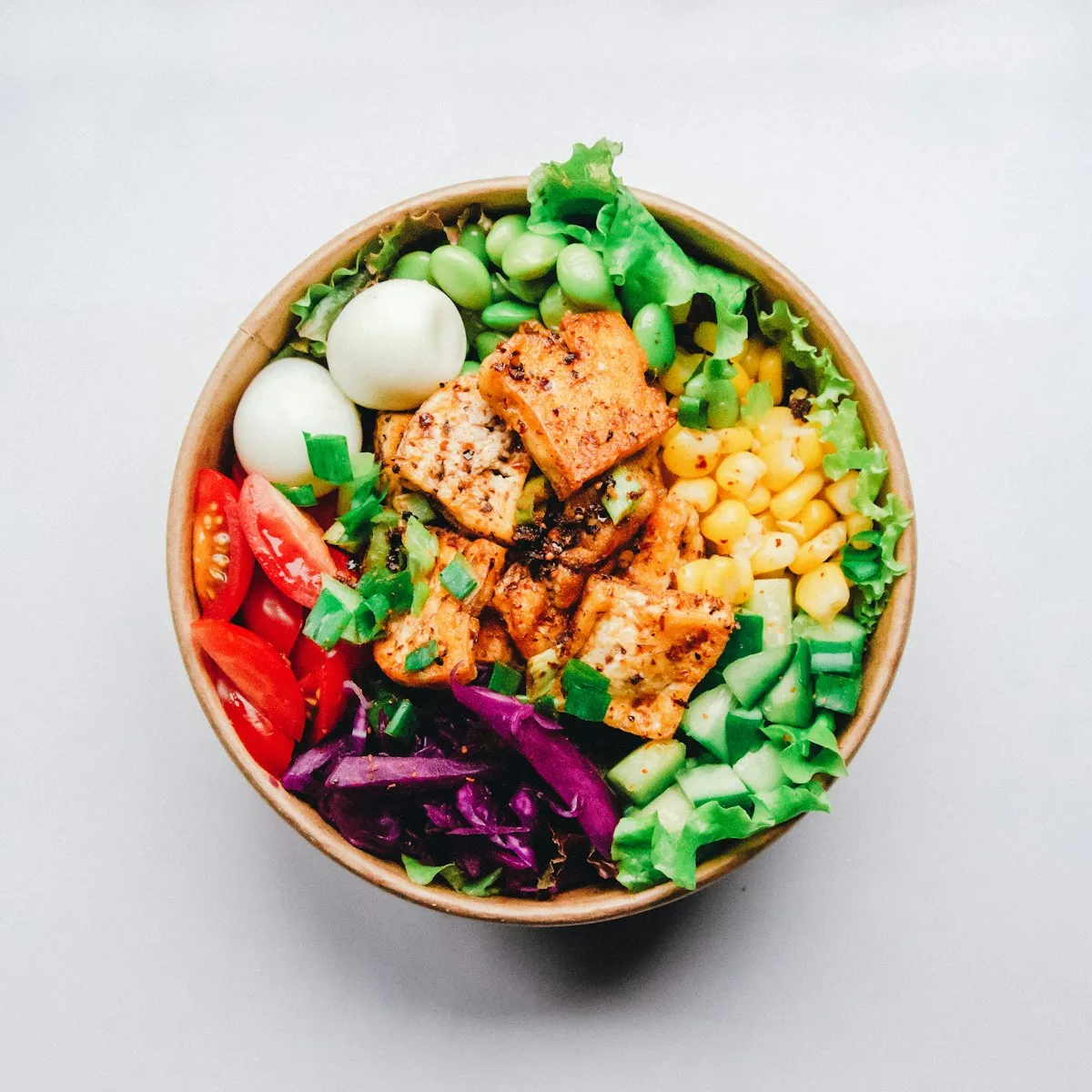
Let’s be honest: your weeknight kitchen usually feels less like a five-star bistro and more like a high-stakes episode of a reality cooking show. When the clock is ticking and everyone is hungry, the last thing you need is a complicated menu. Enter the Mediterranean hummus and veggie wrap, the ultimate hero of quick family meals. It is fresh, soulful, and takes exactly zero minutes of stove time if you play your cards right. This wrap isn't just a sandwich; it’s a masterclass in flavor efficiency.
The Science of the Perfect Fold and Moisture Control
When you’re putting together healthy dinner ideas, the difference between a gourmet wrap and a soggy mess comes down to food science, specifically, moisture management. Think of your wrap as an engineering project. The most common mistake is letting watery vegetables like tomatoes or cucumbers come into direct contact with the tortilla. Tortillas are made of flour and fats; once they absorb water, the gluten bonds weaken, leading to that dreaded structural failure (aka the "bottom blowout").
To prevent this, use your hummus as a biological barrier. Hummus is an emulsion of chickpeas, tahini, and oil. Because oil and water don't mix, a thick layer of hummus spread across the tortilla acts as a waterproof seal. Spread it generously, but keep a clear one-inch "neutral zone" around the edge. This border is your insurance policy; it ensures that when you apply pressure during the roll, the hummus doesn't squirt out like a toothpaste tube.
Next, consider the "crunch factor." From a sensory perspective, your brain craves contrast. If every ingredient is soft, the meal feels incomplete. Use firm, raw vegetables to provide structural integrity. When you layer your greens, like spinach or arugula, place them directly onto the hummus. This anchors them in place and provides a second layer of protection for the tortilla.
The fold itself is pure physics. Start by warming your tortilla for about 15 seconds. Why? Heat makes the starches more pliable, allowing them to stretch without snapping. Use the "envelope method": fold the sides in first, then bring the bottom up over the fillings. As you roll, use your fingers to tuck the fillings backward, creating a tight, compressed cylinder. A tight wrap isn't just about looks; it creates a pressurized environment that keeps the flavors fused together until the very last bite. Avoid overfilling; if you can't close it with one hand, you’ve gone too far.
Balancing Flavors and Adding Punch
A great Mediterranean wrap is all about the dance between creamy fats and sharp acidity. Since hummus and avocados provide a rich, heavy base, you need high-note ingredients to cut through that weight. This is where the Mediterranean profile shines. Use feta cheese or kalamata olives to introduce salt and tang. If you feel like the wrap is missing "oomph," a squeeze of fresh lemon juice or a dash of red wine vinegar over your veggies before rolling will brighten the entire profile.
For those looking to expand their healthy dinner ideas, consider the protein balance. While hummus provides some plant-based protein, adding roasted chickpeas or even some leftover grilled chicken can transform this from a snack into a heavy-hitting meal. If you want a warm element without the hassle of a full cook, you can briefly press the finished wrap in a dry skillet. This triggers the Maillard reaction on the outside of the flour tortilla, adding a nutty, toasted flavor and a satisfying crunch that mimics a panini.
Side Dish Pairings for a Complete Table
No wrap should stand alone. To turn this into one of those legendary quick family meals, you need pairings that respect the "15-minute" rule. Focus on textures that the wrap doesn't offer. Since the wrap is relatively soft and dense, a side with extreme crunch or high liquid content works best.
A simple cucumber and tomato salad with a heavy dose of dried oregano and olive oil is a classic for a reason. The acidity of the dressing cleanses your palate between bites of the creamy hummus. If you want something more substantial, look toward your small appliances. While we aren't doing deep-frying here, some of my favorite air fryer recipes dinner enthusiasts often suggest are crispy chickpeas or even thin-sliced pita chips. Throwing canned, patted-dry chickpeas into the air fryer with a little cumin and salt for 10 minutes creates a protein-packed "crouton" that balances the wrap perfectly.
Frequently Asked Questions
Why does my wrap always fall apart when I take the first bite?
This usually happens because of two things: air pockets or cold tortillas. If you don't roll the wrap tightly enough, the air gaps allow the ingredients to shift, which eventually forces the tortilla to tear. Always warm your wrap first to make it flexible, and use the "tuck and roll" method to eliminate space. Think of it like rolling a sleeping bag, the tighter it is, the better it stays together.
Can I make these in the morning for a lunch later in the day?
Yes, but with a strategy. If you're prepping ahead, the moisture barrier is even more critical. Use a layer of dry greens (like large leaves of romaine) to separate the wet veggies from the hummus and the tortilla. Avoid adding tomatoes or dressings until you are ready to eat, as their salt content will draw out water via osmosis, leading to a soggy disaster by noon.
What is the best type of tortilla to use?
For the best structural integrity, a standard flour tortilla is king. Whole wheat options are great for fiber but tend to be a bit more brittle, so they require extra warming time. If you’re going gluten-free, be extra careful; GF wraps often lack the elasticity provided by gluten, so they are prone to snapping. Always steam them slightly before attempting any high-level folding.
How do I make the hummus taste "restaurant quality"?
Most store-bought hummus can be a bit flat. Take thirty seconds to stir in a drizzle of high-quality olive oil and a pinch of smoked paprika or za'atar. This adds fat and aromatic depth that makes the wrap feel much more artisanal. If it's too thick to spread easily, whisk in a teaspoon of warm water to loosen the emulsion.
My veggies keep sliding out the end. What am I doing wrong?
You’re likely "over-stuffing" the middle and "under-stuffing" the ends. When laying out your ingredients, keep them in a consistent log shape. If you bunch everything in the center, the ends will be empty and collapse. Also, ensure your "envelope" folds are at least two inches deep so they stay tucked under the main roll.
For more simple, soulful inspiration, check out our full collection at Cookpedia. Happy rolling!