Recipe
Servings
Servings 1×
Ingredients
- Chicken
- Rice
- Garlic
- Honey
- Cooking oil
- Sesame
- Black pepper
Method
- Prepare the ingredients described in the article and heat the cooking surface or oven as directed.
- Cook the main ingredients using the heat and timing guidance in the article.
- Finish with the seasonings and garnishes named in the article, then serve.
If you have fifteen minutes and a single pan, you have a dinner that tastes like you spent an hour slaving over a stove. My honey garlic chicken is the ultimate pivot for those nights when the "what’s for dinner?" panic starts to set in. It’s sweet, it’s salty, and it has that unmistakable soul-warming stickiness that makes you want to lick the pan clean. We aren't doing complicated here; we're doing high-impact flavor with minimalist effort. This is the kind of recipe that turns a stressful Tuesday into a culinary win without the mountain of dishes.
The Science of the Perfect Sear: Heat, Honey, and Maillard
To get that restaurant-quality finish, you have to understand the chemistry happening in your skillet. We aren't just "cooking" the chicken; we are engineering flavor through the Maillard reaction. This is the chemical dance between amino acids and reducing sugars that creates that deep, roasty brown crust. If your chicken looks pale and sad, you’ve missed the Maillard boat.
Stop Overcrowding the Pan
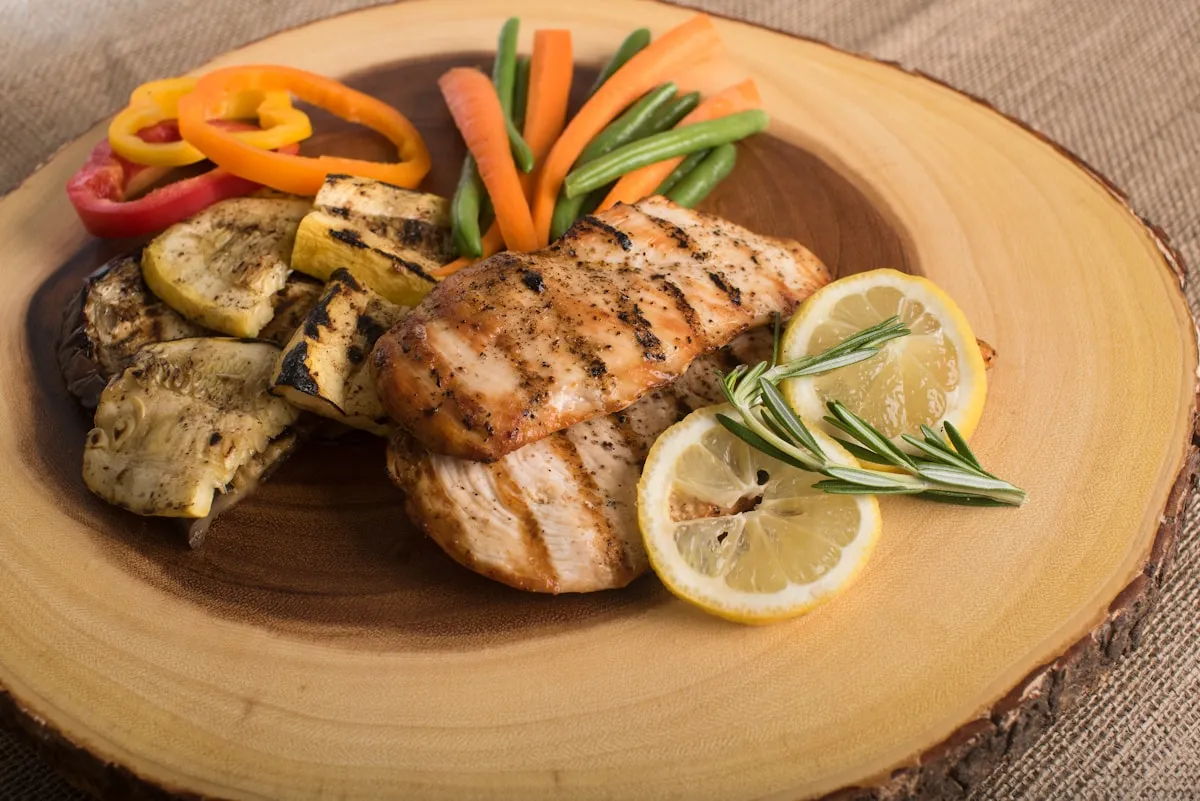
Use a heavy-bottomed skillet, cast iron is my favorite for heat retention. When you add the chicken, ensure every piece has its own "personal bubble." If you crowd the pan, the temperature drops and the moisture released by the meat can’t evaporate fast enough. Instead of searing, your chicken will steam in its own juices. You’ll end up with grey, rubbery meat instead of a golden crust. Work in batches if you have to; it’s a non-negotiable for anyone chasing quick family meals that actually taste good.
The Great Honey Burn
Honey is a temperamental ingredient. Because it’s packed with natural sugars, it caramelizes (and burns) at a much lower temperature than it takes to sear meat. If you throw the honey in at the start, you’ll have a blackened, bitter mess before the chicken is even safe to eat. Pat your chicken bone-dry before it hits the oil to ensure the fastest possible sear. Only once that golden crust is established and the heat is lowered do we introduce the honey.
Timing the Garlic
Garlic is the second most likely culprit for a ruined dinner. Finely minced garlic takes about 30 seconds to go from aromatic to acrid. Never add it to a screaming-hot pan with the raw chicken. Instead, push the browned chicken to the edges, drop the heat to medium, and let the garlic "bloom" in the residual fat for just a moment before hitting it with the liquids. This creates a flavor base that is nutty and sweet, rather than burnt and sharp. For more fast-paced techniques, check out our 15-minute meal guide.
Flavor Variations: Making It Your Own
While the classic honey-garlic-soy trio is a powerhouse, you can easily shift the profile to keep things interesting. If you’re looking for healthy dinner ideas that don't feel like "diet food," try swapping half the honey for fresh orange juice and a splash of rice vinegar. The citrus provides a natural sweetness that feels lighter and brighter on the palate.
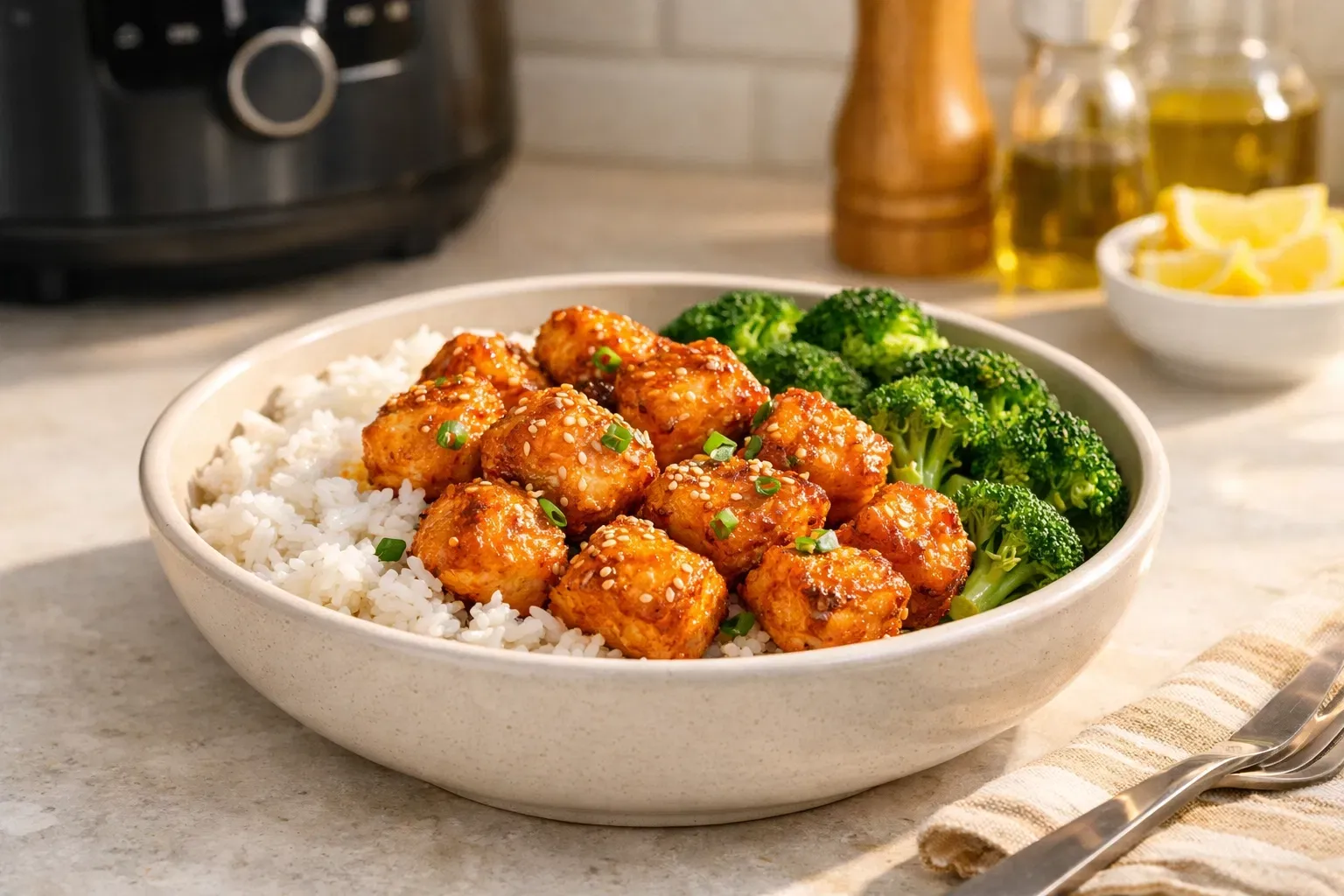
For a spicy kick, whisk a tablespoon of Sriracha or red pepper flakes into your glaze. The heat cuts through the honey’s sugar, creating a complex "hot honey" effect that is addictive. If you prefer a more herbaceous vibe, add a teaspoon of toasted sesame oil and a handful of chopped cilantro at the very end. The sesame oil adds a toasted, savory depth that grounds the sweetness of the honey.
You can also adapt this for different cooking methods. If you’re a fan of air fryer recipes dinner enthusiasts often rave about, you can toss the chicken in a light coating of cornstarch before air-frying, then toss it in the warmed glaze afterward. This gives you a "fried" texture with significantly less oil, making it a stellar option for those busy weeknights when you want to set it and forget it. For more air-fryer inspiration, see our Sausage and Pepper Medley.
Side Dish Pairings: The Power of Acidity
The biggest mistake people make with honey garlic chicken is pairing it with something equally sweet. You need balance. Since the chicken is rich, sticky, and sweet, your sides should be bright, acidic, or slightly bitter to act as a palate cleanser.
A simple cucumber salad dressed in rice vinegar and a pinch of salt is my go-to. The sharp vinegar cuts right through the honey glaze, making every bite of chicken feel fresh again. Alternatively, a quick slaw made with lime juice and cilantro provides a crunchy contrast to the tender meat. If you’re serving this over rice, consider our Viral Garlic Butter Ramen Hack as a base if you want to lean into the garlic theme, though a simple steamed jasmine rice is often the best "blank canvas" for the sauce.
Avoid heavy, buttery sides like mashed potatoes unless you include a very acidic vegetable on the plate. Charred broccoli with a heavy squeeze of lemon juice or quick-pickled red onions are perfect "high-acid" additions that keep the meal from feeling one-note.
FAQ: Troubleshooting Your One-Pan Masterpiece
Why is my sauce too thin?
Sauce consistency is all about reduction. If your glaze looks like soup, let it bubble over medium heat for an extra 2–3 minutes. The water will evaporate, leaving behind the concentrated sugars and fats that create that "sticky" texture. Just watch it like a hawk; it goes from "perfectly reduced" to "burnt sugar" very quickly.
Can I use chicken breasts instead of thighs?
Yes, but be careful. Chicken breasts have very little fat and dry out almost instantly if overcooked. If you use breasts, cut them into uniform bite-sized pieces to ensure they cook quickly and evenly. Sear them fast, pull them out as soon as they hit 160°F (71°C), and let the carryover heat do the rest while you finish the sauce.
What if I don't have honey?
Maple syrup or brown sugar are the best substitutes. Keep in mind that maple syrup is thinner, so you’ll need to reduce it longer. Brown sugar will create a deeper, more molasses-like flavor. Avoid using granulated white sugar as it lacks the moisture and complexity needed for a good pan-glaze.
Is this gluten-free?
Standard soy sauce contains wheat. To make this gluten-free, simply swap the soy sauce for tamari or coconut aminos. The flavor profile remains almost identical, though coconut aminos are slightly sweeter, so you may want to reduce the honey slightly.
My garlic turned blue or green: is it safe?
Don't panic! This is a natural reaction between the sulfur in the garlic and the enzymes in the cloves (often triggered by acid like vinegar or lemon juice). It’s perfectly safe to eat, though it looks a bit "science experiment." Using fresh, room-temperature garlic rather than cold, jarred garlic can help prevent this colorful surprise.
Why didn't my chicken get crispy?
You likely didn't pat the chicken dry or your pan wasn't hot enough. Moisture is the enemy of a sear. Use a paper towel to squeeze every bit of water off the surface of the meat before it touches the oil. If the pan doesn't "hiss" the moment the meat hits it, it’s too cold: take the chicken out and wait another minute.
{“@type”:”BlogPosting”,”image”:”https://cdn.marblism.com/92fKel-dII_.webp”,”author”:{“name”:”Cookpedia”,”@type”:”Organization”},”@context”:”https://schema.org”,”headline”:”15-Minute One-Pan Honey Garlic Chicken”,”publisher”:{“logo”:{“url”:”https://cookpedia.com/logo.png”,”@type”:”ImageObject”},”name”:”Cookpedia”,”@type”:”Organization”},”mainEntity”:[{“name”:”Why is my sauce too thin?”,”@type”:”Question”,”acceptedAnswer”:{“text”:”Sauce consistency is all about reduction. If your glaze looks like soup, let it bubble over medium heat for an extra 2–3 minutes to evaporate the excess water.”,”@type”:”Answer”}},{“name”:”Can I use chicken breasts instead of thighs?”,”@type”:”Question”,”acceptedAnswer”:{“text”:”Yes, but cut them into uniform bite-sized pieces and watch the temperature closely to prevent drying out, as they lack the fat content of thighs.”,”@type”:”Answer”}},{“name”:”Why didn’t my chicken get crispy?”,”@type”:”Question”,”acceptedAnswer”:{“text”:”The chicken must be patted completely dry with a paper towel and the pan must be screaming hot before the meat is added to ensure a proper sear.”,”@type”:”Answer”}}],”description”:”A quick, 15-minute one-pan honey garlic chicken recipe focusing on the science of the Maillard reaction and how to avoid burning honey and garlic.”,”datePublished”:”2026-06-14″,”mainEntityOfPage”:{“@id”:”https://cookpedia.com/15-minute-one-pan-honey-garlic-chicken”,”@type”:”WebPage”}}