Recipe
Servings
Servings 1×
Ingredients
- Chicken
- Shrimp
- Tofu
- Quinoa
- Rice
- Cauliflower
- Peas
- Cucumber
- Fresh ginger
- Cooking oil
- Soy sauce or tamari
- Sesame
- Chili seasoning
Method
- Start by patting your chicken completely dry with a paper towel.
- Use a wide pan and high heat.
- Let it sit for at least three minutes to develop a deep, golden crust.
- Add your sauce components only after the chicken is browned and nearly cooked through.
- Stir in your slurry and watch the transformation.
- Toss your chicken cubes in a tiny bit of oil and cornstarch first, then air fry at 400°F (200°C) for about 8-10 minutes.
You know those nights when the clock is ticking, the family is hovering, and your brain is a complete blank? I’ve been there more times than I care to admit. That’s exactly why I rely on this 15-minute teriyaki chicken and snap peas. It’s one of those quick family meals that hits that sweet spot between "I can't believe I made this" and "I can't believe it was that easy." We aren't just tossing things in a pan and hoping for the best here; we’re using a bit of kitchen science to get that restaurant-quality glaze and crunch in less time than it takes to order takeout.
The Science of the Sear and the Snap
To master this dish, you have to understand two major concepts: the Maillard reaction and the art of the slurry. Most people fail at quick stir-fries because they crowd the pan or add the liquid too early. If you want soulful, high-impact flavor, you need to treat your chicken with respect.
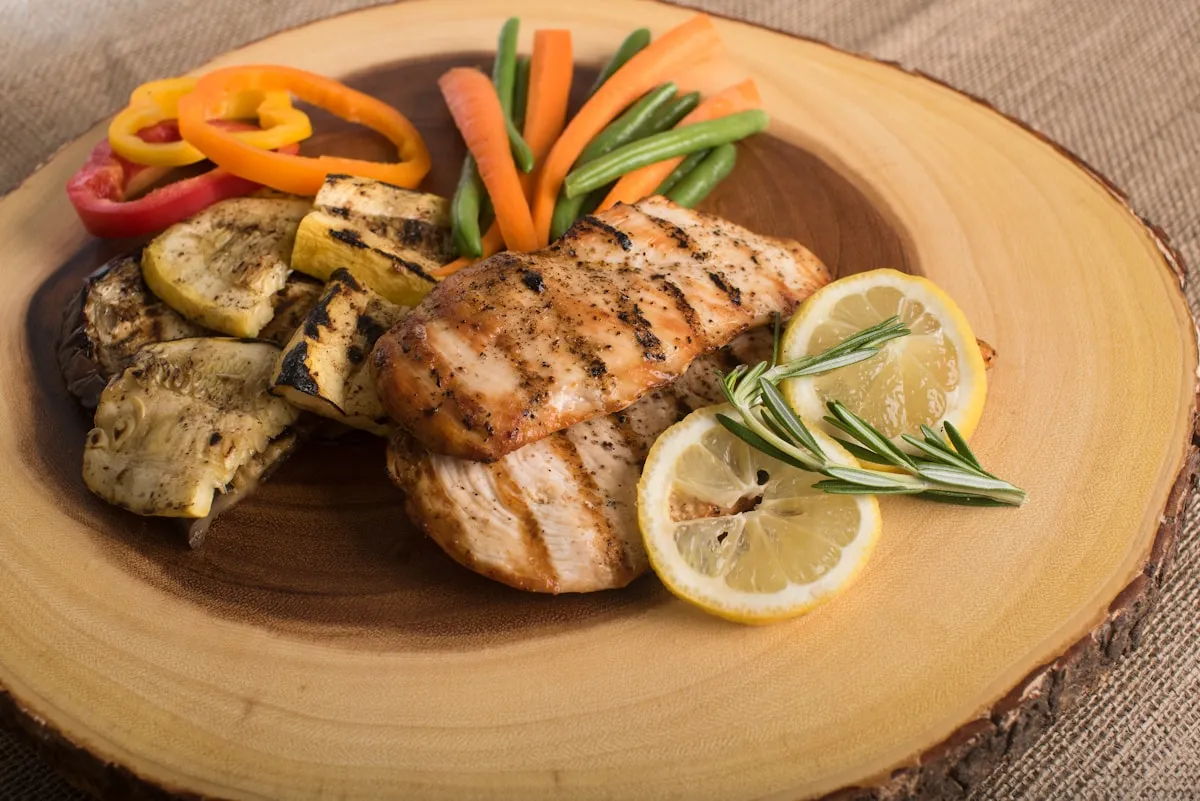
Mastering the Maillard Reaction
The Maillard reaction is that magical chemical dance between amino acids and reducing sugars that gives browned food its distinctive flavor. When you’re making healthy dinner ideas like this, browning is your best friend. Start by patting your chicken completely dry with a paper towel. Moisture is the enemy of the sear. If the chicken is wet, the energy from your pan goes into evaporating that water instead of browning the meat. You end up steaming the chicken, leaving it gray and rubbery. Avoid that at all costs.
Use a wide pan and high heat. When the oil is shimmering but not smoking, add your chicken in a single layer. Don't touch it! Let it sit for at least three minutes to develop a deep, golden crust. If you overcrowd the pan, the temperature drops, and again: you’re back to steaming. Work in batches if you have to; it actually saves time in the long run because the chicken cooks more efficiently.
The Perfect Sauce Physics
We use a starch slurry for this recipe because it’s the fastest way to get a glossy, clingy glaze. Traditional reduction can take ten minutes or more, which we don't have. A cornstarch slurry: mixing the starch with a cold liquid before adding it to the heat: ensures that the starch granules are separated. If you toss dry starch into a hot pan, the outside of the clumps gelatinizes instantly, trapping dry powder inside. You get lumps, and nobody likes a lumpy teriyaki.
Add your sauce components only after the chicken is browned and nearly cooked through. Once the sauce hits the hot pan, it will pick up all those browned bits (the fond) from the bottom. Stir in your slurry and watch the transformation. As the mixture reaches about 165°F (74°C), the starch molecules swell and burst, thickening the liquid into a mirror-like glaze. Stop as soon as it coats the back of a spoon. Overcooking starch can actually cause it to break down and become thin again.
Keeping the Snap in Snap Peas
Snap peas are the soul of this dish, providing the necessary contrast to the rich, salty-sweet sauce. High heat and short duration are non-negotiable. You want to toss them in during the last two minutes of cooking. They should turn a brilliant, neon green. If they turn olive drab, you’ve gone too far and lost the structural integrity (and the nutrients). The goal is a "tender-crisp" texture: sweet and juicy on the inside with a firm bite.
Versatile Variations for Every Kitchen
While the classic pan-sear is my go-to, this flavor profile is incredibly flexible. If you’re looking for more chicken recipes, you can easily adapt this technique to suit your equipment or dietary needs.
The Air Fryer Shortcut
For those who love air fryer recipes dinner, you can absolutely make this work. Toss your chicken cubes in a tiny bit of oil and cornstarch first, then air fry at 400°F (200°C) for about 8-10 minutes. Toss the snap peas in for the last 3 minutes. The air fryer mimics the Maillard reaction beautifully by circulating hot air, giving you crispy edges with even less oil. Whisk your sauce together on the stovetop or even in the microwave, then toss everything together at the end.
Plant-Based or Seafood Swaps
If you want to keep things in the realm of healthy dinner ideas, swap the chicken for extra-firm tofu or shrimp. For tofu, use the same "pat dry" rule and sear it until the edges are crispy. Shrimp will cook even faster: usually in about 90 seconds per side: so keep a close eye on them to prevent them from becoming "rubbery C-shapes."
Spicy or Citrus Tweaks
Add a teaspoon of red chili flakes or a squeeze of fresh orange juice to the sauce for a citrusy zing. The acidity of the orange juice helps cut through the saltiness of the soy sauce, creating a more complex flavor profile. If you prefer a deeper, more savory vibe, add a dash of toasted sesame oil right before serving.
Perfect Side Dish Pairings
Balance is everything in a meal. Since the teriyaki chicken is quite bold and savory, you want sides that can either soak up the sauce or provide a neutral, cooling base.
- Jasmine or Basmati Rice: This is the gold standard for 15-minute meals. The floral notes of jasmine rice complement the ginger in the sauce beautifully.
- Quinoa or Brown Rice: If you’re leaning into the health aspect, these offer more fiber and a nutty texture that holds up well against the heavy glaze.
- Cauliflower Rice: For a low-carb option, a quick sauté of cauliflower rice keeps the meal light while still providing a vehicle for that delicious sauce.
- Smashed Cucumber Salad: A cold, vinegary cucumber salad provides a sharp acidity that cuts through the richness of the chicken. The temperature contrast between the hot stir-fry and cold salad is fantastic.
FAQ: Solving Your Stir-Fry Struggles
Why is my chicken tough and dry?
You likely overcooked it or used breast meat without enough high-heat protection. Chicken breast dries out past 165°F (74°C). If you are new to high-heat cooking, try using boneless, skinless chicken thighs. Thighs have more fat and connective tissue, making them much more forgiving and flavorful in a quick sear.
My sauce is too salty. How do I fix it?
This usually happens if you use standard soy sauce instead of low-sodium, or if the sauce reduces too much. Do not add more salt! Instead, add a splash of water, a little more sugar (or honey), or a squeeze of lime juice. The acidity and sweetness will help mask the saltiness.
Can I use frozen snap peas?
You can, but I don't recommend it for this specific dish. Frozen snap peas have had their cell walls damaged by ice crystals, meaning they will never have that signature "snap." They tend to go limp and watery. If you must use frozen, add them directly to the pan while still frozen and cook on the highest heat possible to evaporate the moisture quickly.
Why didn't my chicken get brown?
You probably crowded the pan. When too many cold pieces of meat hit the pan at once, the temperature drops instantly. The meat releases its juices, and instead of searing, it sits in a pool of gray liquid. Use a larger pan or cook the chicken in two smaller batches.
My sauce turned into a jelly-like glob. What happened?
You used too much cornstarch or let it sit on the heat for too long. Starch continues to thicken as it cools. If it's too thick, simply whisk in a tablespoon of water or broth over low heat until it reaches your desired consistency.
Can I prep this in advance?
Yes! You can dice the chicken and trim the snap peas the night before. You can even whisk the sauce components together (minus the starch). However, do not combine them until you are ready to cook, or the acid in the sauce will start to "cook" the chicken, changing its texture.
{“@type”:”BlogPosting”,”image”:”https://cdn.marblism.com/7UTl-OmljAz.webp”,”author”:{“name”:”Penny”,”@type”:”Person”},”@context”:”https://schema.org”,”headline”:”15-Minute Teriyaki Chicken and Snap Peas”,”publisher”:{“logo”:{“url”:”https://cdn.marblism.com/r31hCYxu5lk.webp”,”@type”:”ImageObject”},”name”:”Cookpedia”,”@type”:”Organization”},”description”:”A quick, soulful, and high-impact teriyaki chicken and snap pea recipe designed for home cooks. Learn the science of the Maillard reaction and the perfect glaze.”,”datePublished”:”2026-07-10″,”mainEntityOfPage”:{“@id”:”https://cookpedia.com/15-minute-teriyaki-chicken-snap-peas”,”@type”:”WebPage”}}