Recipe
Servings
Servings 1×
Ingredients
- Salmon
- Cooking oil
- Soy sauce or tamari
- Sesame
- Salt
Method
- Prepare the ingredients described in the article and heat the cooking surface or oven as directed.
- Cook the main ingredients using the heat and timing guidance in the article.
- Finish with the seasonings and garnishes named in the article, then serve.
If you have fifteen minutes and a serious craving for something that tastes like a five-star chef spent an hour in your kitchen, you’re in the right place. We’ve all been there: staring at the fridge after a long day, tempted by the takeout app, but wanting something better. This 15-minute teriyaki salmon is my go-to for quick family meals that don't feel like a compromise. It’s glossy, salty, sweet, and packs enough science-backed flavor to make you wonder why you ever bought the bottled sauce.
The Chemistry of the Perfect Glaze and the "White Gunk" Science
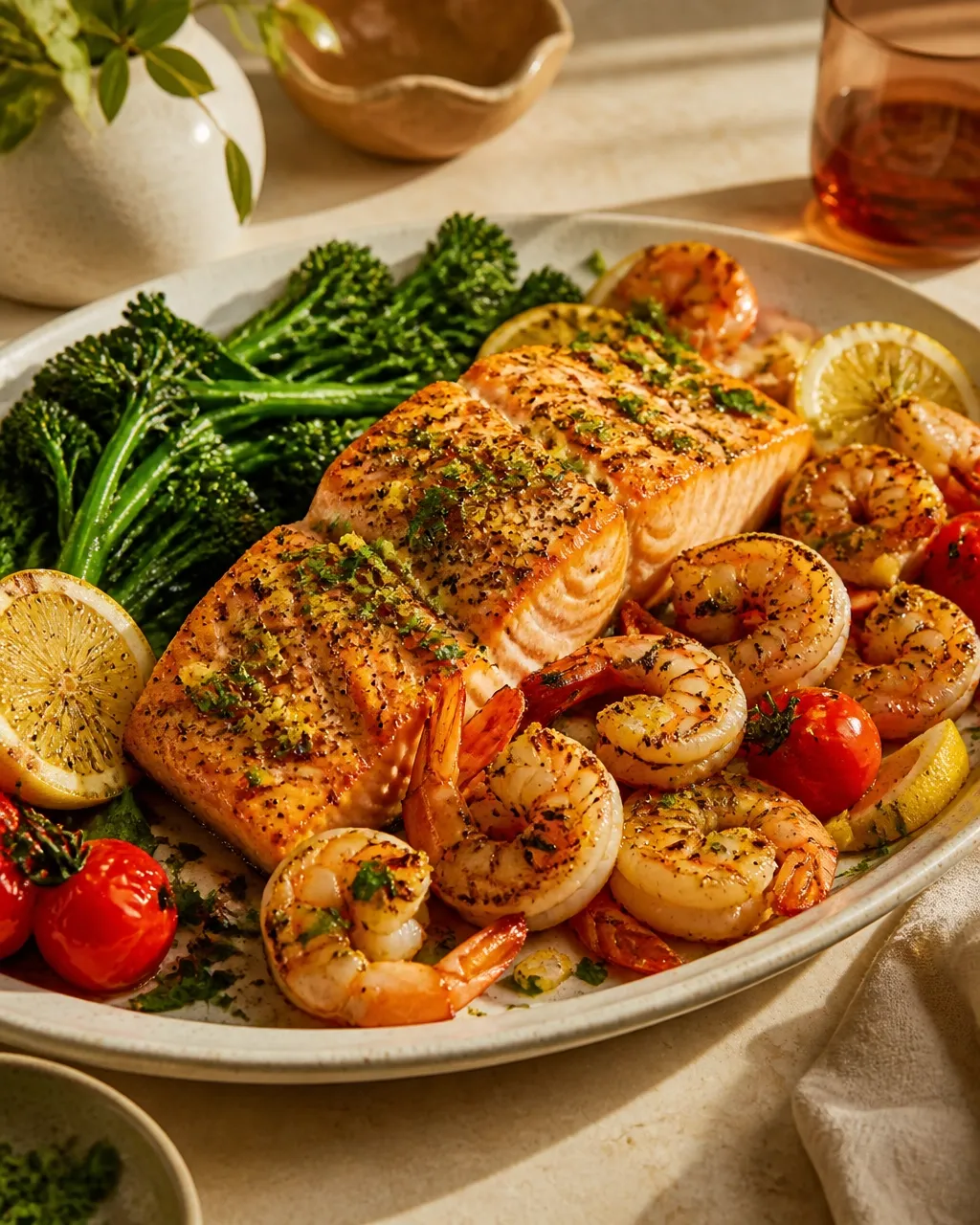
Cooking salmon isn't just about applying heat; it’s about managing protein structure and sugar chemistry. If you’ve ever cooked salmon and seen that weird white substance oozing out of the flakes, you’ve met albumin. Albumin is a completely harmless protein that exists in liquid form in raw fish. When you apply high heat, the muscle fibers in the salmon contract, much like wringing out a wet sponge, and force that liquid protein to the surface where it coagulates.
To minimize the "white gunk," use a quick salt brine before you even think about the heat. Even a ten-minute soak in salted water helps denature the proteins on the surface, meaning they won't contract as violently when they hit the pan. This keeps your salmon looking professional and tasting significantly more moist.
Then, we have the Maillard reaction. This is the holy grail of cooking. It’s the chemical reaction between amino acids and reducing sugars that gives browned food its distinctive, savory flavor. In this recipe, the soy sauce provides the amino acids, and the sugar in the teriyaki base provides the reducing sugars. When these hit a hot pan, they create a complex profile of hundreds of different flavor compounds.
However, be careful with your heat levels. Because teriyaki has a high sugar content, you are balancing on a thin line between the Maillard reaction (delicious browning) and caramelization (sugar breaking down), or worse, burning. Use a medium-high heat to start the sear, but be ready to turn it down once you add the glaze. The goal is to reduce the sauce into a syrupy lacquer that clings to the fish without turning into carbon.
Avoid overcooking at all costs. Salmon is best when the internal temperature hits about 125°F (52°C) for farmed varieties. Use a digital thermometer; guessing is the fastest way to turn a premium piece of fish into a dry, chalky mess. If you prefer a hands-off approach for your healthy dinner ideas, you can even adapt this for the oven, though the stovetop gives you that superior glaze reduction.
Creative Variations for Every Palate
Once you master the base technique, you can start playing with the flavor profile to keep your quick family meals interesting. The beauty of a teriyaki base is its versatility.
- The Spicy Kick: Add a teaspoon of sambal oelek or sriracha to your sauce base. The capsaicin in the peppers adds a heat that cuts through the fatty richness of the salmon perfectly.
- The Citrus Twist: Swap out half of the water or mirin in your glaze for fresh orange juice. The citric acid provides a bright top note that balances the deep umami of the soy sauce. This is one of my favorite healthy dinner ideas for a summer evening.
- The Nutty Crunch: Finish the dish with toasted sesame oil and a heavy hand of crushed peanuts or toasted sesame seeds. This adds a structural contrast to the flaky, soft fish.
- The Keto Alternative: If you’re watching your sugar intake, use liquid aminos instead of soy sauce and replace the brown sugar with a monk fruit sweetener. You won't get the same level of thick "lacquer" because of how alternative sweeteners behave under heat, but the flavor remains top-tier.
Side Dish Pairings for Structural Balance
When pairing sides with teriyaki salmon, you need to think about acidity and texture. The salmon is rich, fatty, and sweet, so your sides should provide a "counter-punch."
- Smashed Cucumber Salad: Use rice vinegar, sesame oil, and plenty of garlic. The cold, crisp cucumbers and the sharp acidity of the vinegar act as a palate cleanser between bites of the rich fish.
- Garlic Bok Choy: A quick sauté of bok choy in ginger and garlic provides a bitter, earthy contrast to the sweet glaze. It also adds a much-needed fibrous crunch.
- Steamed Jasmine Rice: This is the classic for a reason. The rice acts as a neutral sponge for any extra glaze. For a lower-carb version, cauliflower rice works surprisingly well, especially if you season it with a little lime juice.
- Air Fryer Veggies: If you're looking for efficiency, check out our air fryer sausage and pepper medley for inspiration on how to roast vegetables quickly. Broccoli or snap peas seasoned with just salt and lemon are perfect companions here.
Frequently Asked Questions
Why is my sauce too thin?
If your sauce looks like soup, you haven't let it reduce enough. The "15-minute" timeline includes the reduction phase. You need the water content to evaporate so the sugars can concentrate into a syrup. If you're in a rush, a tiny cornstarch slurry (one teaspoon of cornstarch mixed with one teaspoon of cold water) will thicken it instantly, though a natural reduction tastes better.
Can I use frozen salmon?
Yes, but you must thaw it completely and pat it extremely dry. Frozen fish often contains more surface moisture, which is the enemy of the Maillard reaction. If the surface is wet, the fish will steam instead of sear, and your glaze won't stick.
Can I make this in an air fryer?
Absolutely. While many air fryer recipes dinner focus on breaded items, salmon thrives in the circulating hot air. Set it to 400°F (200°C) and cook for 7-9 minutes. Brush the glaze on during the last 2 minutes so the sugars don't burn under the high-intensity heating element. If you love using this appliance, you might also enjoy our air fryer pierogi guide.
How do I stop the skin from sticking?
Use a heavy-bottomed pan: stainless steel or cast iron is best: and make sure it is hot before the fish touches it. Add your oil and wait for it to shimmer. Place the salmon skin-side down and leave it alone. The fish will naturally release from the pan once the proteins have seared and formed a crust. If you try to flip it too early, you'll leave the best part of the fish stuck to the metal.
Is this recipe actually healthy?
Salmon is packed with Omega-3 fatty acids and high-quality protein. While the glaze does contain sugar, the amount per serving is relatively low compared to processed foods. To keep it on the lighter side, serve it with plenty of green vegetables rather than a mountain of white rice.
Final tip: Always rest your salmon for 2 or 3 minutes after taking it out of the pan. This allows the internal juices to redistribute, ensuring that the first bite is as succulent as the last. Enjoy your 15 minutes of culinary fame!